



Mahogany Campaign Box
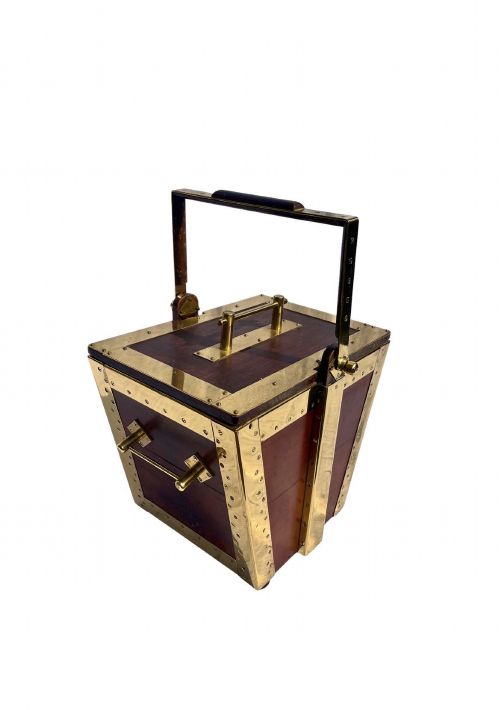
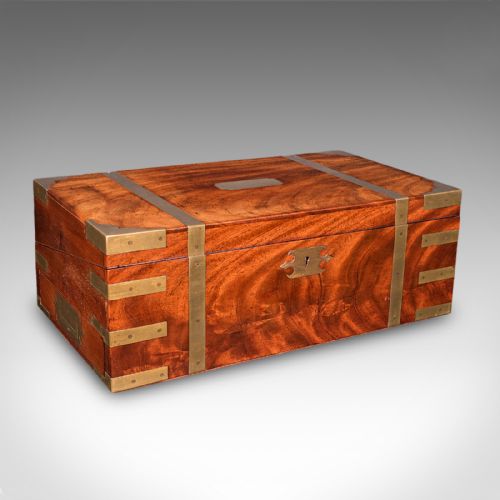
A mahogany campaign box brings portable heritage into a modern interior, offering fitted compartments and sturdy brass mounts designed for travel.
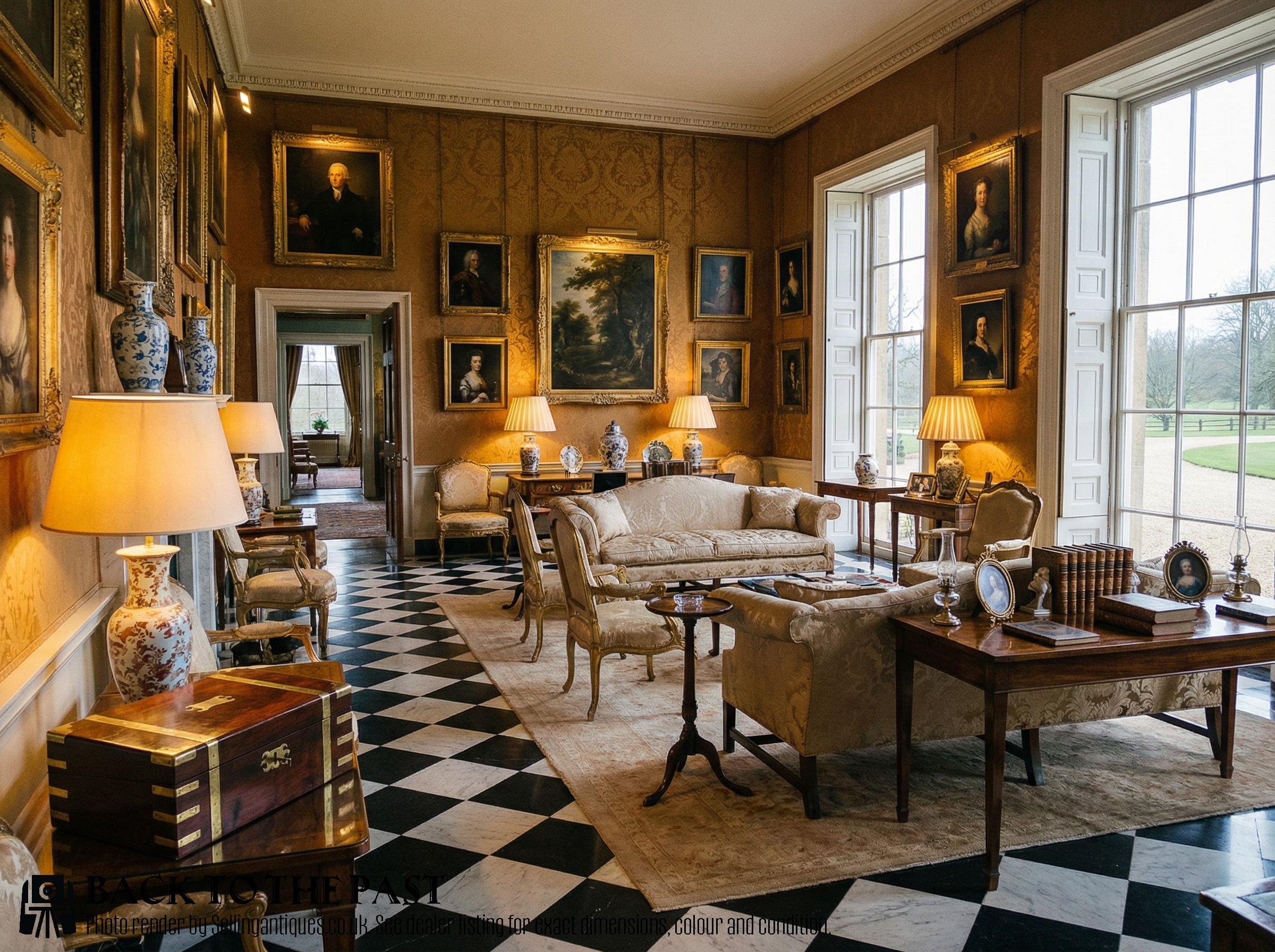
Mahogany Campaign Box
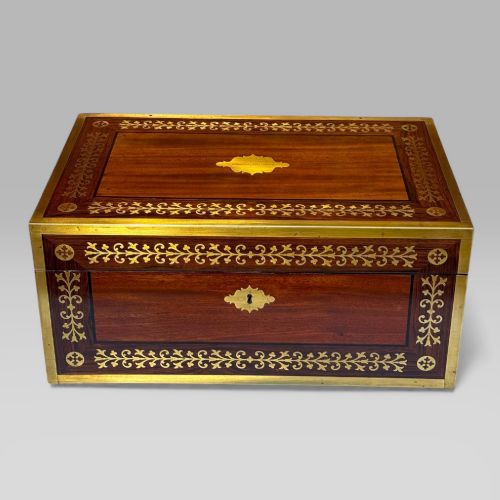
A mahogany campaign box is a portable piece of furniture or desktop container built for officers and travellers during the Georgian, Regency, and Victorian periods. These items were designed to fold, lock, and withstand rigorous transport across the British Empire.
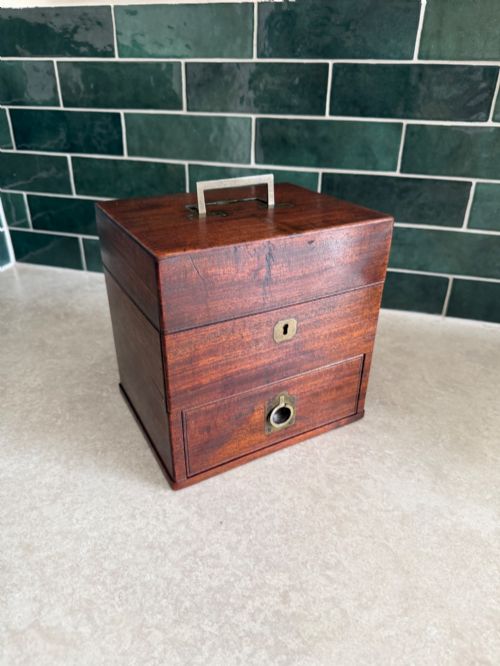
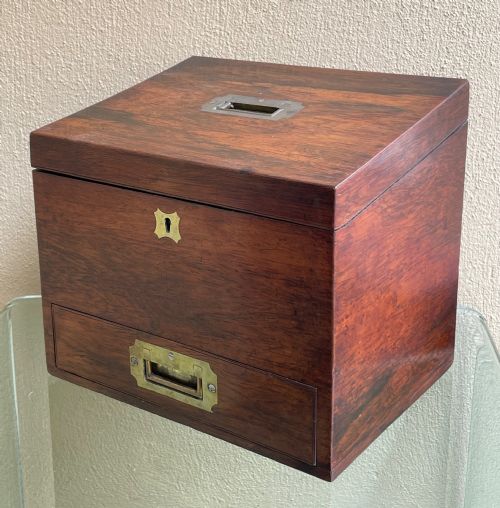
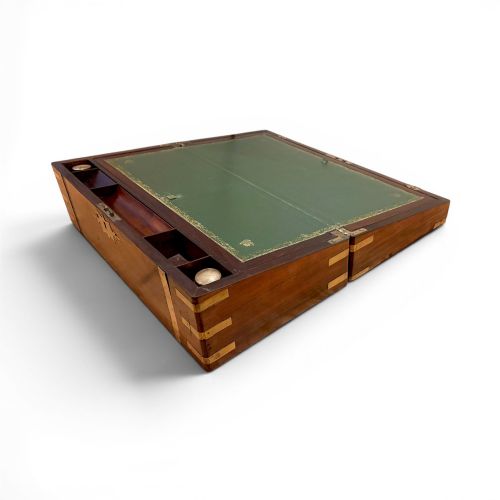
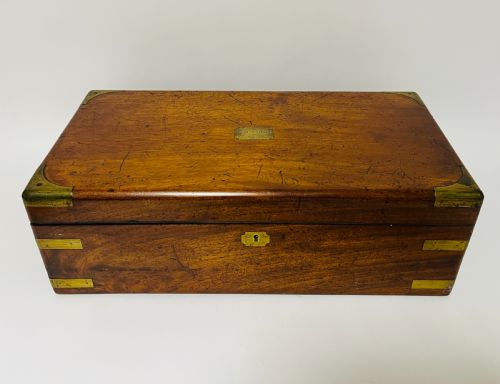
Writing slopes and writing boxes form the most common variety encountered on this page, often featuring hinged lids that open to reveal slanted writing surfaces, inkwells, and secret compartments. Other surviving forms include apothecary boxes fitted with original bottles, jewellery boxes, decanter sets, and larger storage chests.
Pieces span the eighteenth, nineteenth, and early twentieth centuries, encompassing English, French, and Anglo-Indian colonial workshops. The primary timber is mahogany, occasionally accented with rosewood or burr walnut.
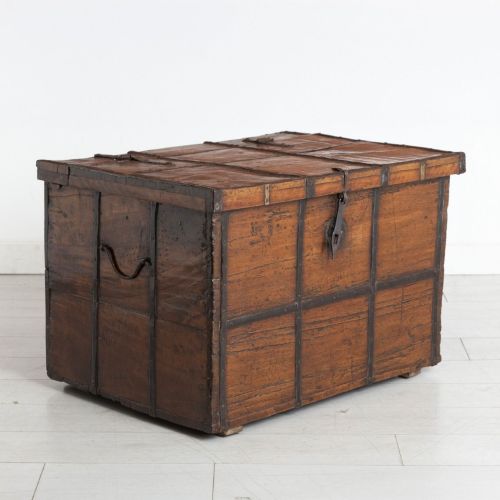
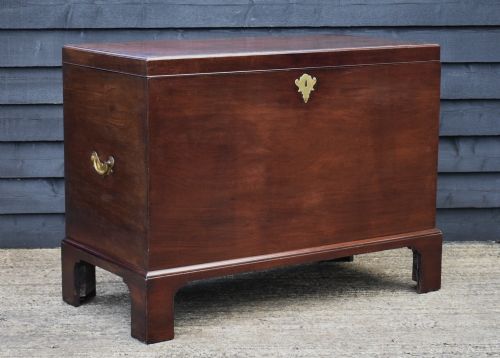
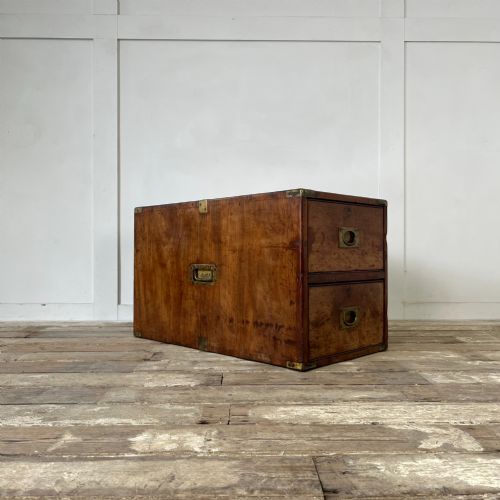
The selection ranges from compact desktop correspondence boxes to substantial travel trunks and chests designed for military use on campaigns. Each variant retains structural elements intended to protect valuable contents from moisture and impact.
How they were made
Cabinetmakers constructed these boxes primarily from dense mahogany, sometimes pairing it with rosewood, walnut, or padouk. The timber was selected for stability during long journeys through fluctuating climates.
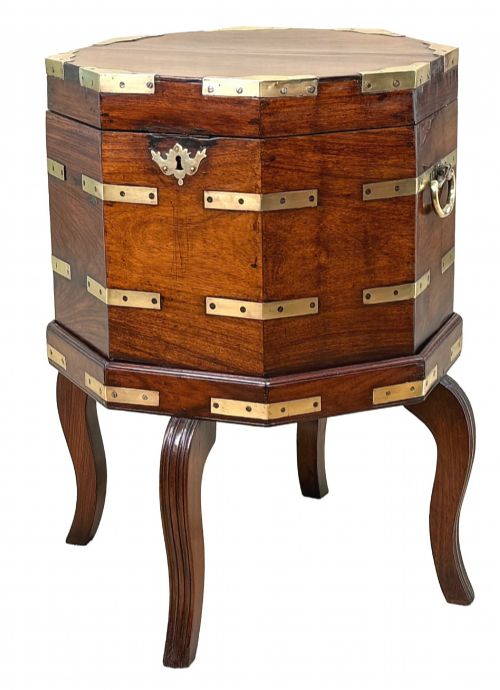
Brass corners, straps, and flush-fitting handles were screwed or pinned into the wood to reinforce vulnerable joints against heavy impact during transit. Recessed hardware ensured the exterior remained smooth and snag-free.
Interiors frequently utilised secondary woods like pine or cedar, lined with velvet, leather, or glass fitments to secure specialised items such as ink bottles, razors, or decanters.
Periods represented across the inventory span the Georgian, Regency, and Victorian eras.
What varies in quality
The precision of the joinery and the integration of brass hardware distinguish finer examples from standard utilitarian items. Superior boxes feature tightly fitted dovetail joints and flush-set mounts that sit completely level with the timber surface.
Complexity of internal arrangement also separates the tiers of production, with top-tier pieces incorporating intricate secret drawers, spring-loaded mechanisms, and original working locks with matching keys. The quality of secondary materials, such as undamaged glass apothecary bottles or intact leather writing surfaces, elevates a piece significantly.
The choice and figuring of the mahogany veneer or solid boards dictate visual depth, while makers using carefully selected timber achieved a richer patina over centuries of handling.
Mappin and Webb·J Diller London
The Mahogany Campaign Box Glossary
- Campaign furniture
- Portable items made for military officers and travellers, characterised by sturdy construction, sectional designs, and protective brass mounts. These pieces broke down or folded for ease of transport on expeditions.
- Writing slope
- A box with a hinged, slanted lid designed to provide a comfortable writing angle. When opened, it typically reveals storage for stationery, pens, and ink.
- Brass bound
- Furniture or boxes reinforced at the edges and corners with brass strips and corner pieces. This technique protected the wooden carcase from heavy knocks during transit.
- Apothecary box
- A fitted wooden case designed to transport medicines, vials, and medical instruments securely. They often contain miniature glass bottles arranged within tiered interior compartments.
- Secret drawers
- Concealed compartments hidden behind false panels or accessed via specific internal sequences. Makers incorporated these to secure valuables and confidential documents.
Mahogany Campaign Box: Frequently Asked Questions
What is a mahogany campaign box?
A mahogany campaign box is a portable chest or writing desk designed for travel during the eighteenth and nineteenth centuries. These items were constructed to withstand long journeys while providing organised storage for personal possessions.
They typically feature reinforced brass corners and compact dimensions to facilitate transport by officers and officials.
How were writing slopes used?
Writing slopes served as portable desks where users could write letters, store stationery, and keep important documents secure. The hinged lid folded down to create a slanted writing surface covered in leather or velvet.
Internal compartments held inkwells, sanders, and nibs, keeping writing materials organised while on the move.
How do I date a campaign box?
Dating a campaign box involves examining the construction methods, hardware design, and secondary timbers used inside. Georgian examples often feature simpler brass work and solid mahogany carcases, while Victorian pieces may include complex mechanical levers and varied veneer choices.
Maker marks, where present, offer direct evidence of the production era.
Were these boxes only for the military?
While originally commissioned for military officers on active service, campaign boxes were also purchased by diplomats, colonial administrators, and civilian travellers. The portable format suited anyone undertaking extended journeys where personal organisation was necessary.
Their robust construction made them practical for domestic use upon return to Britain.