

Mahogany Cabinet Furniture
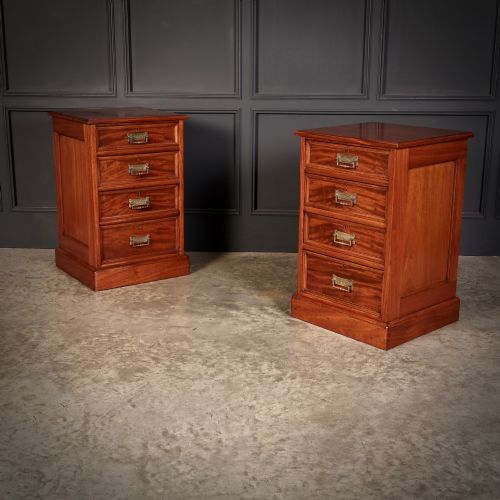
Mahogany cabinet furniture brings warmth and architectural presence to a room, spanning useful bedside chests and glazed display pieces.
Mahogany Cabinet Furniture
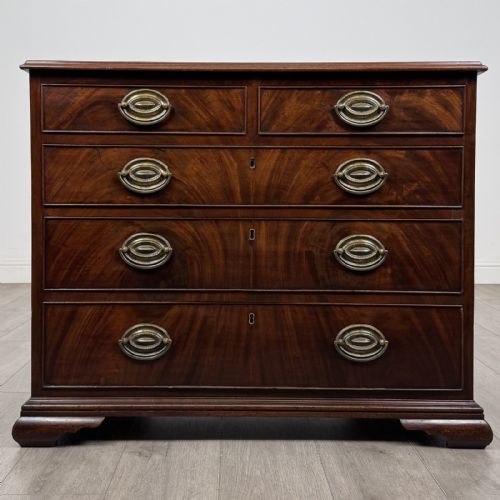
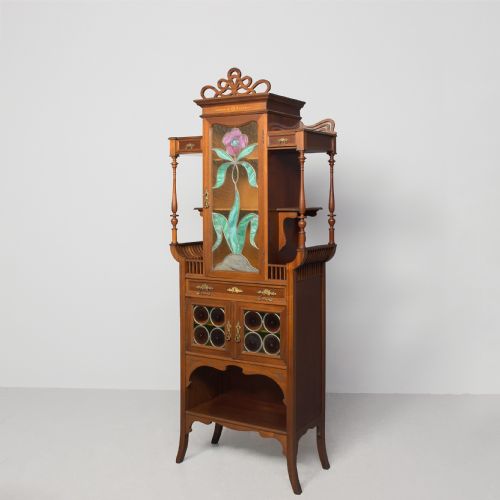
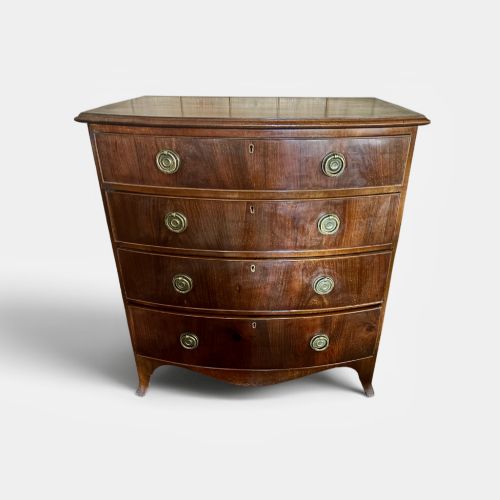
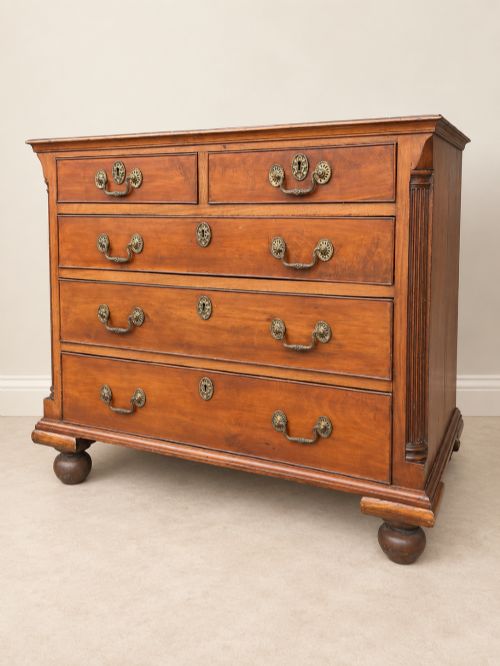
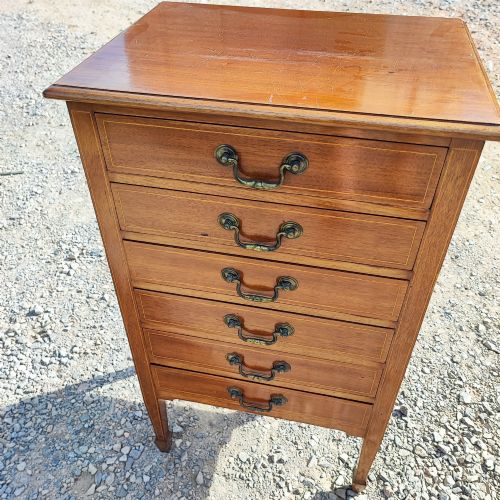
When buyers search for mahogany cabinet furniture, they encounter a broad category of storage and display items shaped from rich timbers across several centuries. The selection on this page leans heavily toward practical domestic forms such as chests of drawers, bedside cupboards, bookcases and display cabinets.
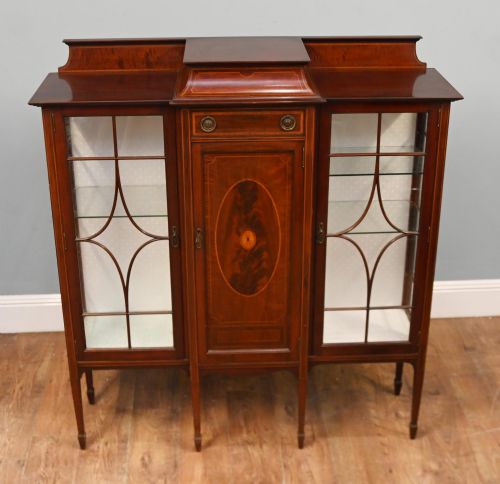
Origins stretch from the Georgian and Regency periods through the Victorian era and into Edwardian interpretations of earlier styles. Pieces range from large wardrobes and breakfront bookcases down to miniature chests of drawers and apprentice pieces.
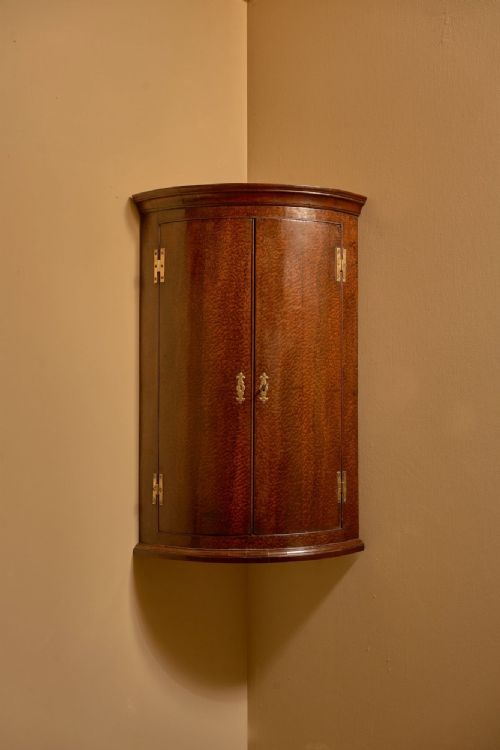
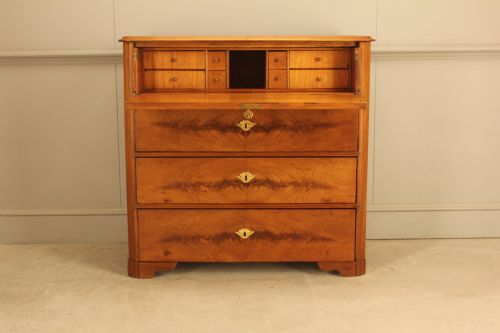
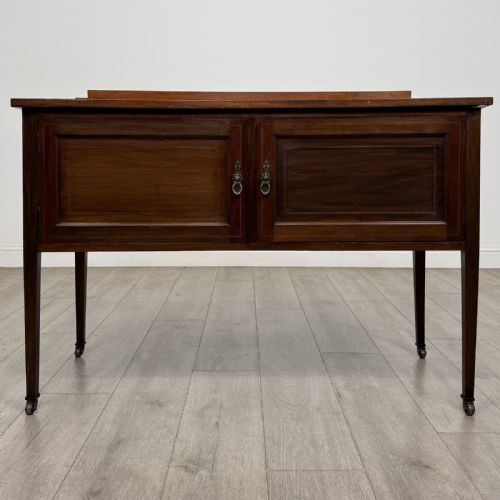
Corner cabinets, side cabinets, and secretaires make up a significant portion of the offerings, providing enclosed shelving and fitted writing interiors. Buyers frequently find both British craftsmanship and continental European manufacture represented among the practical storage forms.
How they were made
Makers utilised solid mahogany alongside flame mahogany veneer, curl mahogany, and plum pudding mahogany to create varied grain patterns across flat surfaces and curved drawer fronts. Satinwood inlay frequently provides crisp contrast, forming geometric borders or decorative motifs.
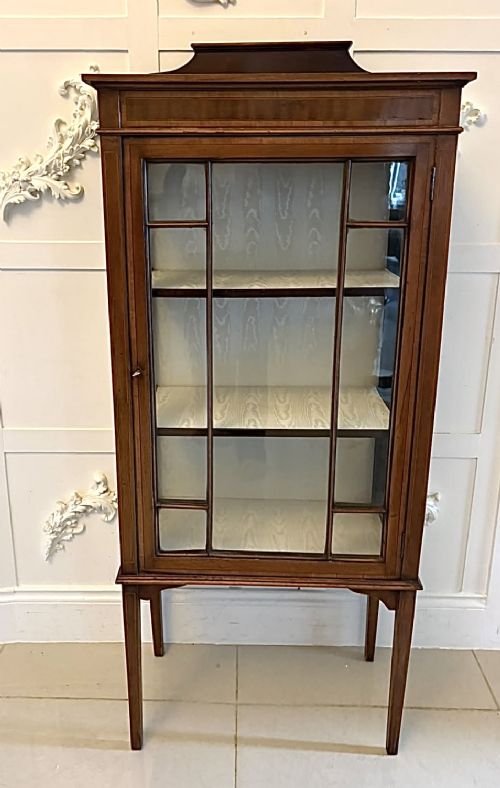
Glazed doors with timber astragals protect display contents while brass hardware, including handles, key escutcheons, and hinges, secures the operational elements of each cabinet. Secret drawers and fitted interiors with small compartments demonstrate complex internal joinery hidden within the primary structure.
Mahogany Cabinet Furniture Retail Price Guide 2026
Typical asking prices for mahogany cabinet furniture among the pieces listed under this phrase on Sellingantiques today, from the lower quarter to the upper quarter. They describe what is for sale here now, not the wider market.
Listings feature items built from the eighteenth to the early twentieth century, spanning Georgian, Regency, Victorian, and Edwardian periods.
What varies in quality
Quality separates ordinary utility pieces from finer examples through the selection of timber veneers and the crispness of inlaid satinwood details. Figures like curl and flame mahogany demand superior skill in matching grain across multiple drawers and doors.
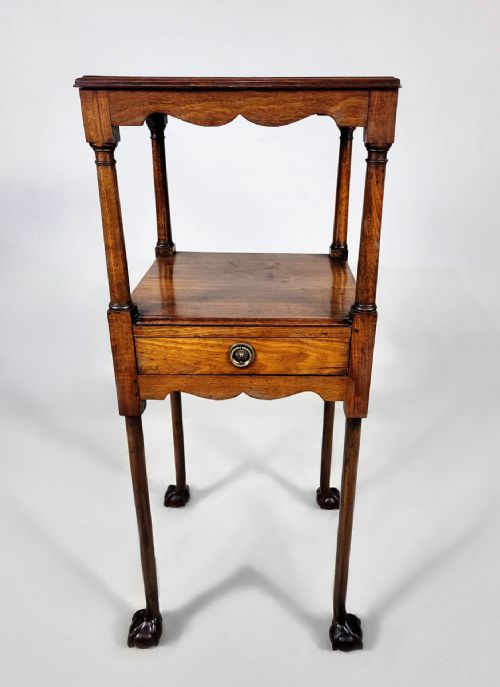
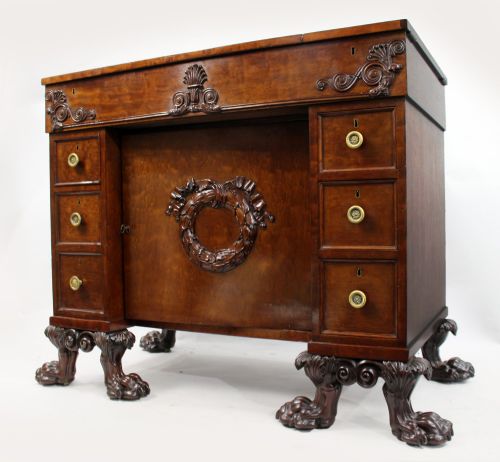
The integration of functional elements such as secret drawers, fitted writing compartments, and smoothly operating Wellington locking mechanisms demonstrates higher workshop capability. Structural refinement shows in proportions, such as slender tapered legs or carved paw feet supporting heavier bodies.
Maple & Co.·Flashman & Co
The Mahogany Cabinet Furniture Glossary
- Secretaire
- A cabinet or chest incorporating a pull-down writing drawer that conceals small pigeonholes and letter drawers. This fitted interior often folds down to provide a stable writing surface.
- Wellington chest
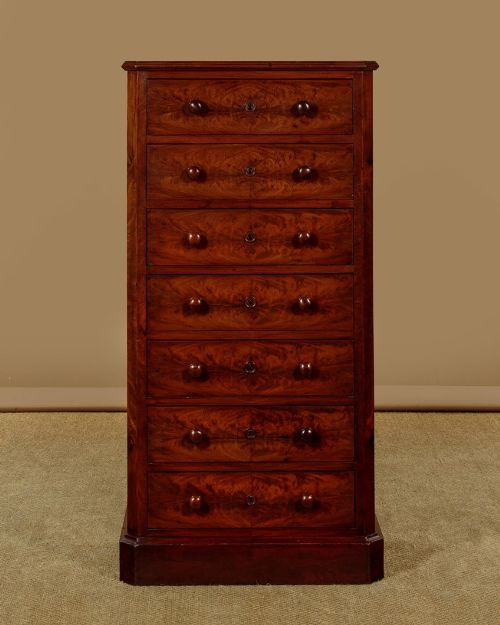
- A tall, narrow chest of drawers secured by a hinged vertical locking strip on one side. This locking stile is typically fastened with a small key to secure all drawers simultaneously.
- Bow front
- A convex, outwardly curved front elevation typical of many chests of drawers and side cabinets. This curved form softens the rectilinear profile of traditional case furniture.
- Astragal
- A small wooden moulding used to divide panes of glass within a glazed cabinet door. These narrow strips form geometric lattices across bookcases and display cabinets.
- Satinwood inlay
- Contrasting blonde timber sections set into the darker mahogany surface to create decorative borders. This technique became especially popular during the Sheraton revival periods.
Mahogany Cabinet Furniture: Frequently Asked Questions
What is mahogany cabinet furniture?
Mahogany cabinet furniture encompasses storage and display items constructed from mahogany wood, ranging from large wardrobes and bookcases to compact bedside chests and corner cupboards.
These pieces date from the Georgian, Regency, Victorian, and Edwardian eras, uniting utility with decorative timber grain.
How do I identify a Wellington chest?
A Wellington chest is a tall, narrow set of drawers distinguished by a hinged locking flap on one side. This bar secures all the drawers when locked with a key.
Originating in the nineteenth century, this design allowed secure storage within a compact floor footprint.
Where were bedside cupboards placed?
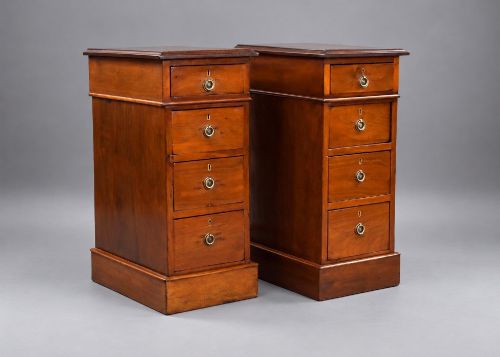
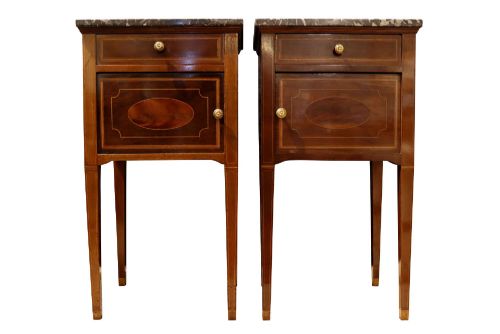
Bedside cupboards were designed to stand beside sleeping quarters to hold chamber pots, night lights, and personal items. Nineteenth-century examples often feature enclosed doors and small drawers.
Pairs frequently appear in this category, matching the traditional dual arrangement of bedroom furniture.
How do I care for mahogany surfaces?
Mahogany furniture benefits from consistent indoor humidity and protection from direct sunlight to prevent timber splitting and veneer lifting. Regular dusting with a dry, soft cloth maintains the finish.
Applying occasional wax preserves the natural lustre of the polished wood without building up heavy chemical layers.