
Mahogany Bow Front
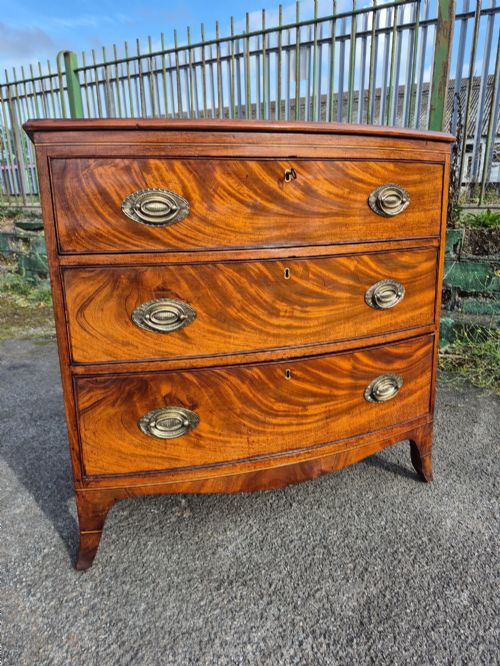
A mahogany bow front brings a curved elegance to traditional interiors, offering substantial storage within a refined, convex profile.
Mahogany Bow Front
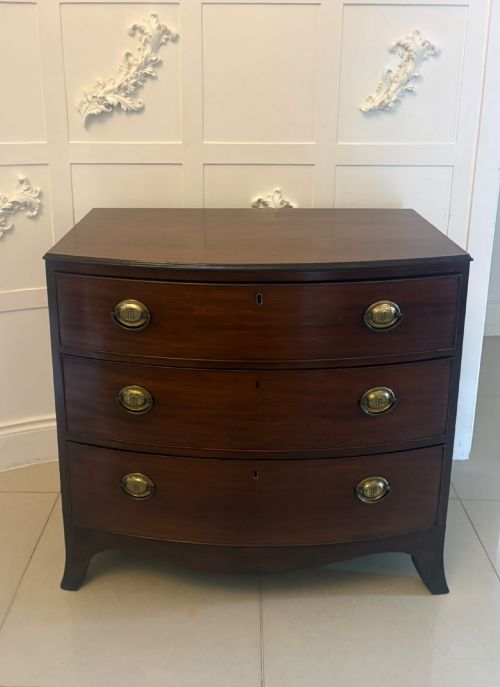
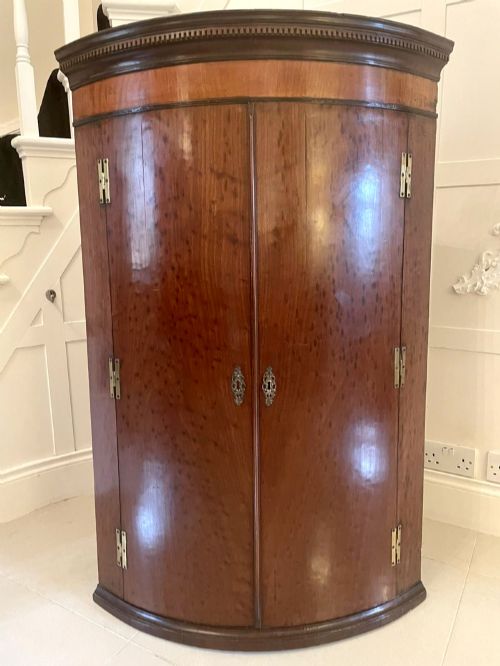
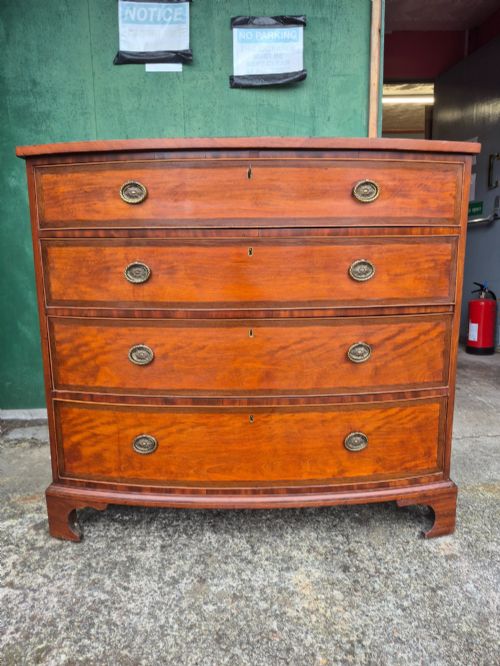
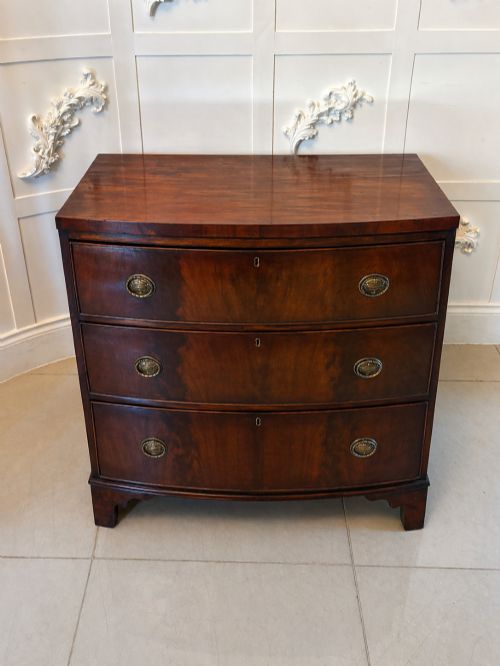
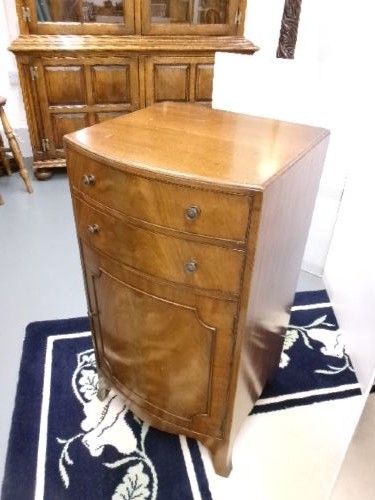
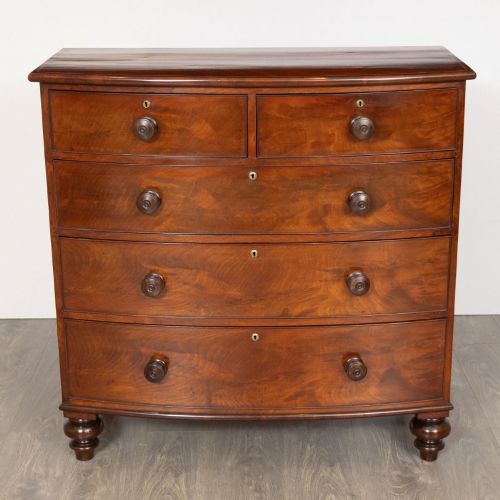
A mahogany bow front search uncovers a distinct group of antique furniture featuring a gracefully convex projecting front, with chests of drawers dominating the selection.
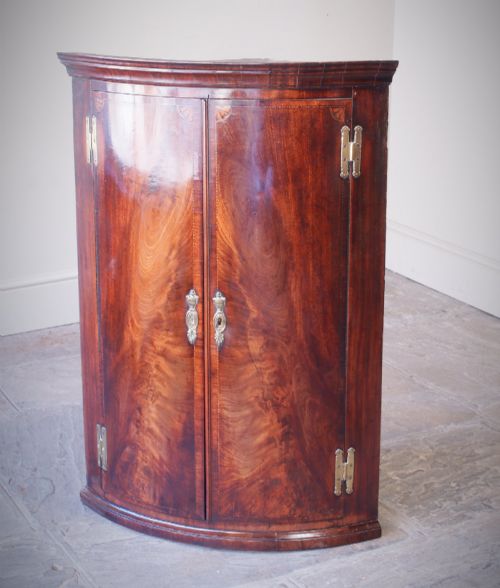
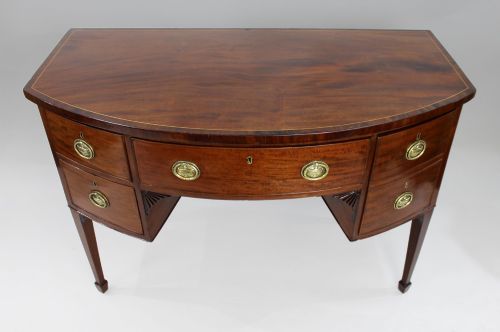
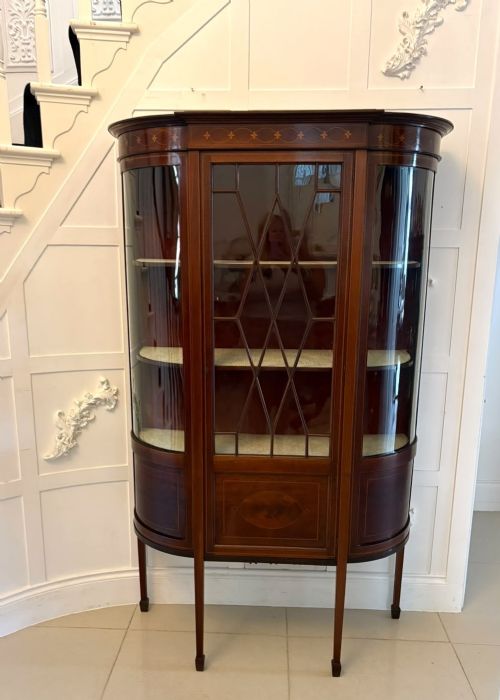
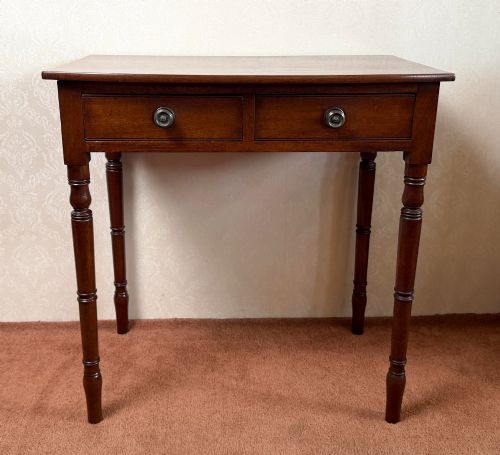
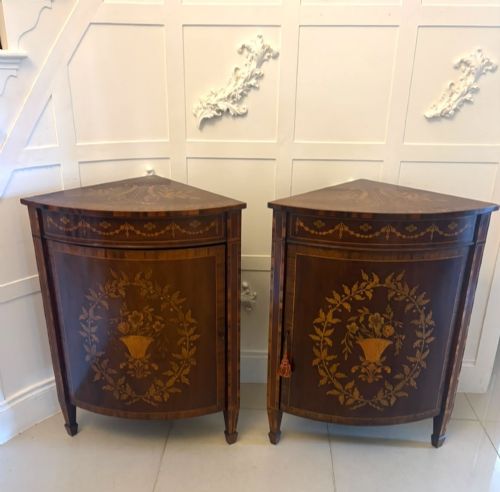
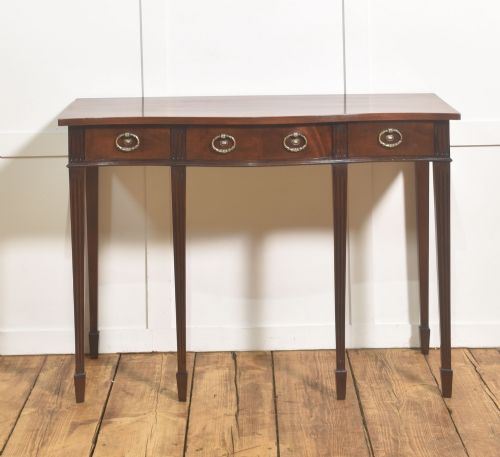
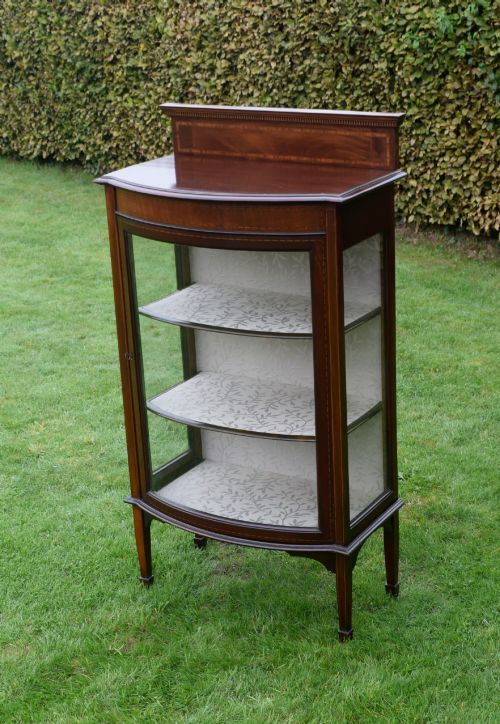
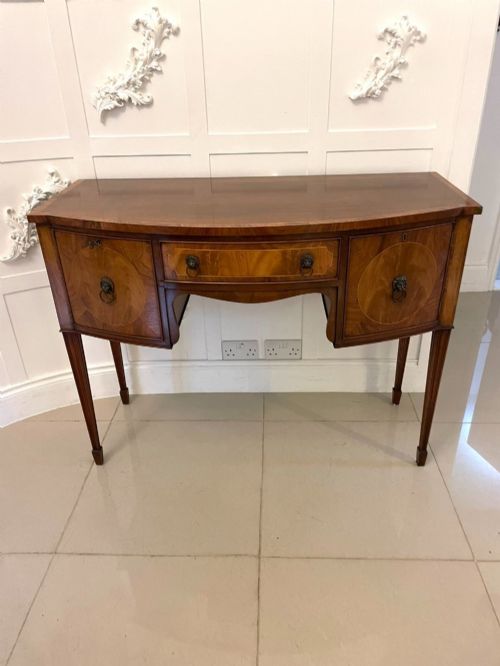
Beyond bedroom chests, the form extends to sideboards, side tables, corner cupboards, and bedside cabinets dating from the eighteenth century through the Edwardian period.
The enduring appeal lies in the combination of warm timber tones and the softening effect of the curved facade, which suits both period rooms and modern spaces.
Materials and construction
Cabinet makers utilised solid mahogany alongside flame mahogany veneer to achieve striking figured grain patterns across the curved drawer fronts and surfaces.
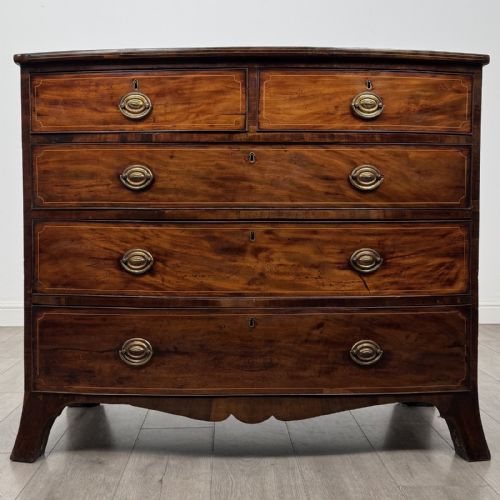
Inlays of satinwood and contrasting crossbanding often define the borders, while brass hardware such as ring pulls and drop handles complete the construction.
Some miniature bow front chests exist alongside full-sized wardrobes, offering the same curved elegance on a diminutive scale.
Evaluating craftsmanship and condition
The finest examples display continuous, book-matched veneer across the curved drawers, showing careful selection by the original maker.
Proportion and the crispness of the satinwood stringing or crossbanding separate standard utility pieces from superior cabinet work.
Edwards and Roberts
The Mahogany Bow Front Glossary
- Bow front
- A convex, outward-curving front profile commonly found on chests of drawers and sideboards. This shape softens the corners of a room.
- Flame mahogany
- A veneer cut from the fork of the mahogany tree to produce a flickering, flame-like pattern. It was highly prized for principal drawer fronts.
- Crossbanding
- A strip of veneer applied to the border of a surface with the grain running at right angles to the centre. It creates a neat framing effect.
- Satinwood inlay
- Contrasting pale timber inserted into the primary wood to form delicate lines or geometric motifs. It is typical of Sheraton and Regency work.
Mahogany Bow Front: Frequently Asked Questions
What periods do these pieces come from?
The selection spans the Georgian, Regency, Victorian, and Edwardian eras, with many examples dating from the late eighteenth and early nineteenth centuries.
Earlier pieces often display simpler lines, while Regency and Edwardian variants frequently incorporate contrasting veneers and fine stringing.
How were mahogany bow front chests used?
These chests served primarily as bedroom storage for garments, linens, and personal items. Their projecting fronts provided additional interior depth compared to flat-fronted furniture.
Sideboard versions functioned in dining rooms for serving food and storing cutlery or glassware.
How do I identify a Regency bow front?
Regency pieces typically feature bolder wood grains, such as flame mahogany, often accented with dark ebony or light satinwood crossbanding. The legs may transition from bracket feet to more formal turned or pillar supports.
Proportions tend to be robust yet refined, reflecting the neoclassical design influences of the early nineteenth century.
Are corner cupboards also curved?
Corner cupboards in this style utilise the convex bow front to project into the room while fitting neatly into a ninety-degree corner. They provide display space or enclosed shelving.
These compact units frequently feature multi-pane glass doors or solid panel construction.