
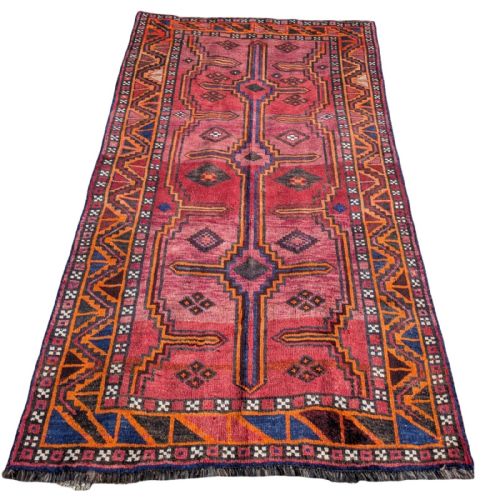


Luri Tribal Carpet
A luri tribal carpet brings bold western Persian character into a room through hand-woven wool and natural dyes.
Luri Tribal Carpet
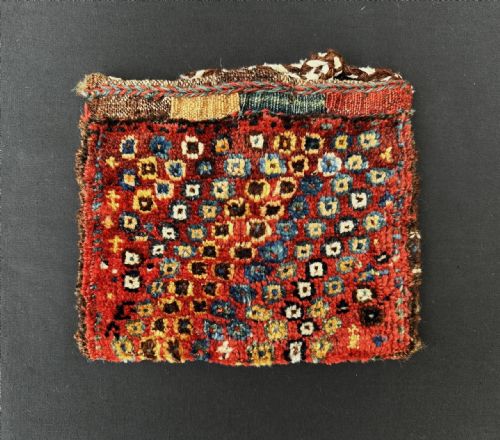
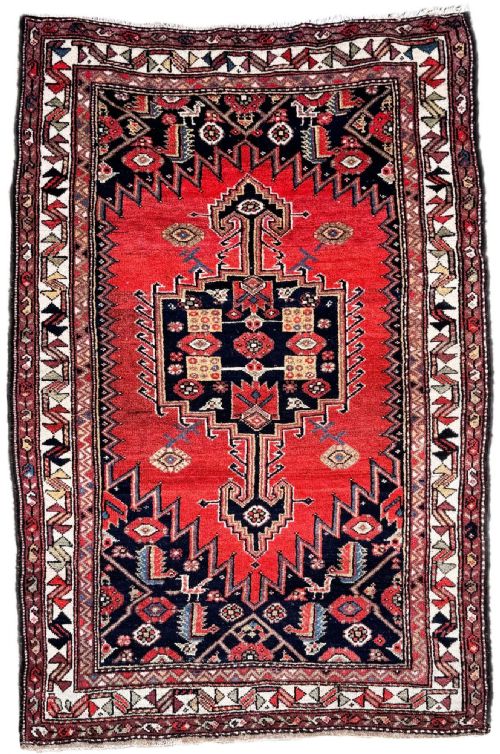
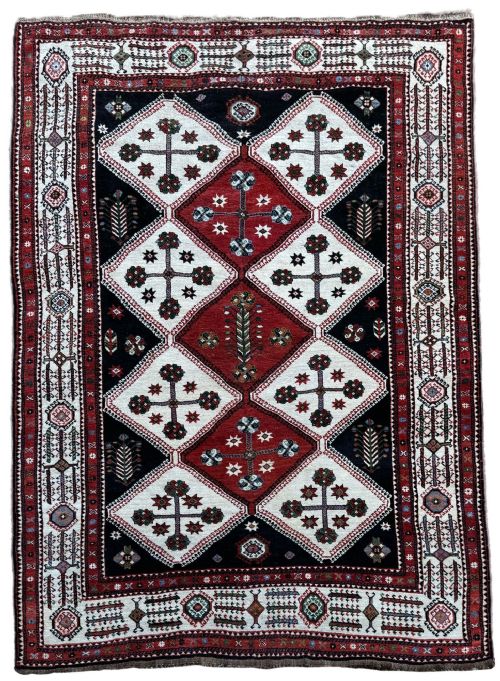
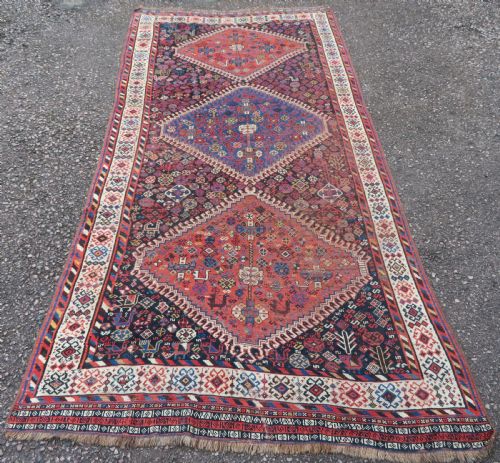
A luri tribal carpet emerges from the weaving traditions of western Persia, specifically the Luristan region, created by nomadic and village makers. These textiles appear in various formats on this page, ranging from full-sized carpets and kelleh rugs to narrow runners and saddle bags.
The most frequent pieces you encounter are rugs and carpets dating from the late nineteenth century through to the early decades of the twentieth century. Examples span diverse formats such as tree of life designs, saddle bag faces, and repeat shield patterns.
Each luri tribal carpet reflects the heritage of the Luri tribe, often sharing aesthetic ground with neighbouring Qashqai and Khamseh weaving traditions. The construction adapts to both large floor spaces and intimate wall or furniture displays depending on the chosen format.
How They Were Made
Makers utilised hand-spun wool for the foundation and pile, ensuring a resilient structure suited to daily nomadic life. This material yields a tactile surface that responds well to traditional weaving methods.
Natural dyes provide the palette for these textiles, resulting in rich tones that age with considerable character. The combination of hand-spun wool and natural colourants underpins every authentic specimen on this page.
Listings feature works predominantly from the nineteenth and early twentieth centuries, incorporating wool and natural dyes.
What Varies in Quality
The sophistication of the design execution separates standard utility pieces from exceptional tribal examples. Greater care in drawing and pictorial elements, such as birds, flowers, or specific medallion arrangements, elevates a textile.
The handling of natural dyes and the consistency of the hand-spun wool create distinct visual depths across the range. Finer grading often belongs to pieces possessing particularly crisp tribal motifs and well-balanced proportions.
The Luri Tribal Carpet Glossary
- Kelleh
- A medium-to-large rectangular rug format, longer than it is wide, designed for specific room proportions.
- Saddle bag
- A utilitarian nomadic container woven in pairs for transport on animals, often surviving today as individual decorative rug faces.
- Natural dye
- Colour derived from plant, insect, or mineral sources rather than synthetic chemistry, yielding complex, shifting hues over time.
- Hand-spun wool
- Fleece processed by hand into yarn, producing irregular thickness and character that machines cannot replicate.
- Luristan
- A mountainous region in western Persia associated with the heritage and handicraft of the Luri tribe.
Luri Tribal Carpet: Frequently Asked Questions
Where were luri tribal carpets made?
These carpets originate from the Luristan region in western Persia, produced by the Luri tribe.
The nomadic lifestyle of the weavers influenced the practical formats and traditional patterns found in these textiles.
How do I care for an antique rug?
Protect the hand-spun wool and natural dyes by placing the textile in low-traffic areas away from direct sunlight.
Gentle vacuuming without a rotating brush roll helps maintain the pile without straining the historic foundation.
What is a saddle bag face?
A saddle bag face is the front section of a functional two-sided animal bag used by nomads for transport.
These panels survived because their dense knotting and striking tribal designs made them desirable as small decorative rugs.
How do I date an antique carpet?
Dating relies on assessing the materials, the subtlety of the natural dyes, and stylistic indicators within the weave.
Most pieces documented here date from the nineteenth century up to the early twentieth century.