


Low Wooden Footrest
A low wooden footrest is a domestic resting place for tired feet, combining practical comfort with period craft.
Low Wooden Footrest
A low wooden footrest spans various forms such as fireside rests, fender stools, and small ottomans designed to sit near hearths and armchairs. These pieces emerge across the nineteenth century and into the early twentieth century, reflecting shifting domestic habits towards relaxation.
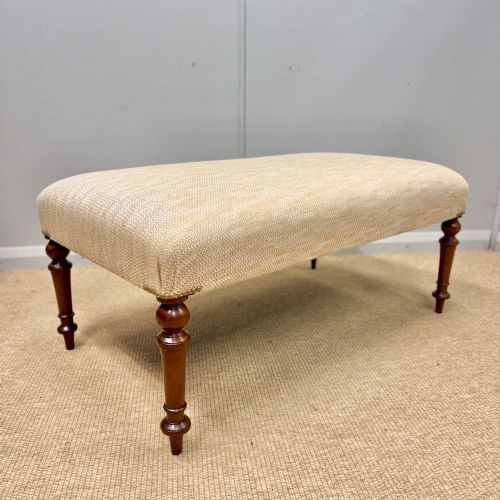
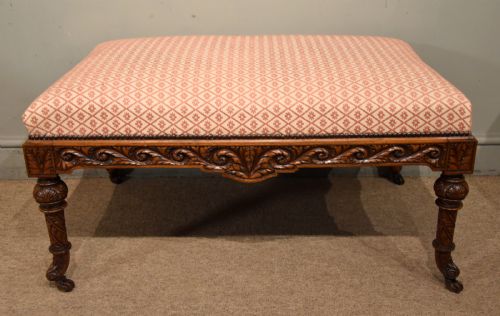
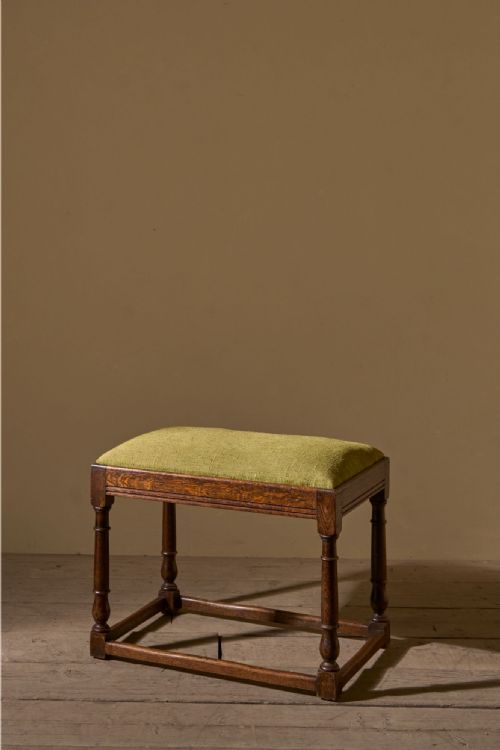
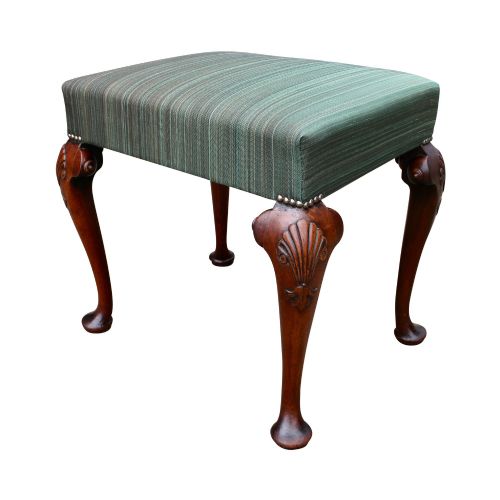
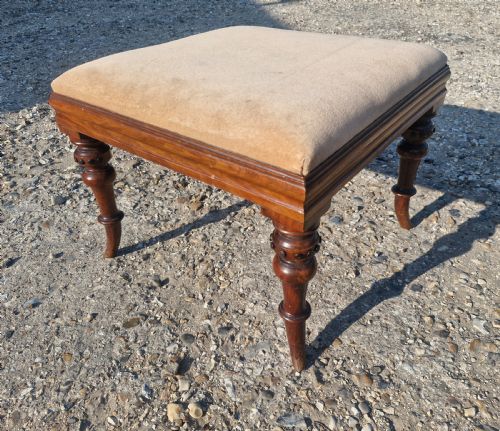
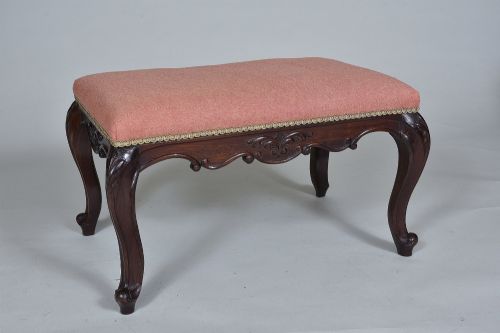
The most frequent examples on this page are Victorian and nineteenth-century stools, often constructed from hardwoods like mahogany, walnut, and oak, and standing on short turned or cabriole legs.
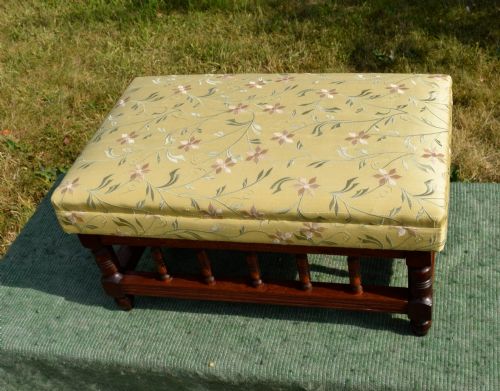
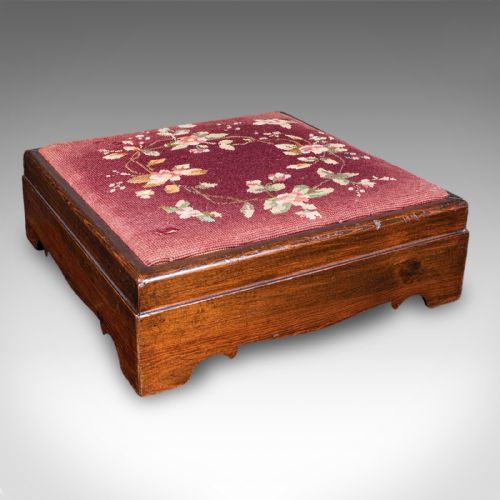
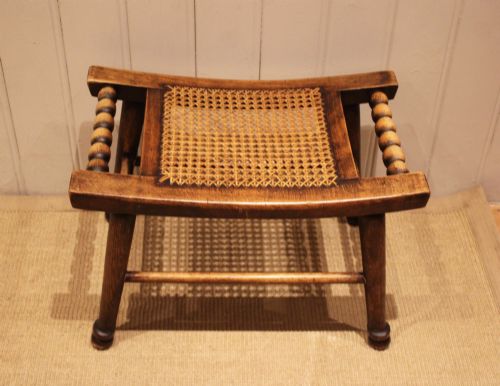
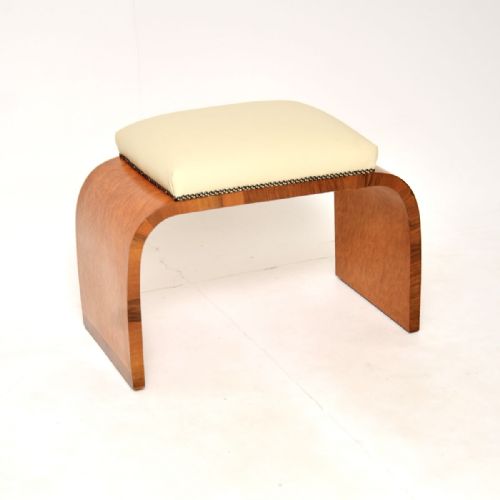
Upholstered tops in fabric, wool, needlepoint, or leather appear alongside woven rattan, cane, and rush seats, demonstrating both formal parlour styling and simpler country house utility.
Materials and construction
Makers utilised timber frames shaped from oak, mahogany, walnut, rosewood, and beech, frequently employing traditional joinery such as turning and carving to decorate the exposed wood.
Upholstery techniques applied to these frames incorporate heavy linen, tweed, tapestry, needlepoint, and leather, often secured over padding to create a supportive surface for the feet.
Listings feature periods spanning from the eighteenth century through the 1930s, constructed in oak, mahogany, walnut, and beech.
Assessing quality and craftsmanship
Quality rests upon the selection of timber and the crispness of any hand-carved ornamentation on the frame, where denser hardwoods like walnut and mahogany allow for finer detail than softer woods.
The integrity of the construction, the choice and execution of the upholstery materials, and whether the piece retains its original structure dictate its standing within the range.
Simpson Kendall
The Low Wooden Footrest Glossary
- Fender stool
- A long, narrow footrest specifically designed to fit along the hearth in front of a fireplace fender.
- Cabriole leg
- A furniture leg that curves outward and then tapers inward, often ending in an ornamental foot.
- Needlepoint
- A type of canvas work embroidery used historically to cover the tops of stools and chairs.
- Rush seat
- A seating surface woven from dried marsh rushes, commonly found on vernacular and country stools.
Low Wooden Footrest: Frequently Asked Questions
What is a low wooden footrest used for?
These low stools serve primarily as footrests by firesides and armchairs, elevating the feet off cold floors during colder months.
They also function as small occasional seats or low coffee tables in compact living spaces.
How do I date a wooden footstool?
Dating relies on identifying the timber species, joinery methods, and the style of the carved wooden frame, such as Victorian cabriole legs or earlier revival motifs.
Upholstery fabrics can offer clues, though many pieces have been recovered in later textiles during their lifespan.
Where should I place a fender stool?
A fender stool traditionally sits on the hearth parallel to the fireplace, designed to be narrow enough not to block the fire's warmth.
In modern rooms, they work equally well positioned beneath a window or at the foot of a bed.
Are these footrests suitable for daily use?
Solid timber frames and sturdy joinery ensure these pieces withstand regular domestic use when structurally sound.
Periodic checks on the upholstery and frame tightness help maintain their stability over time.