
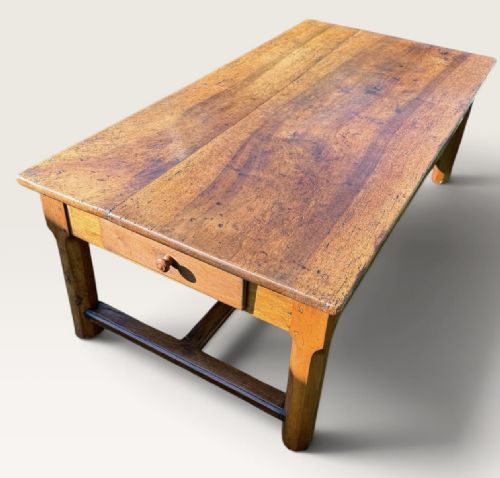

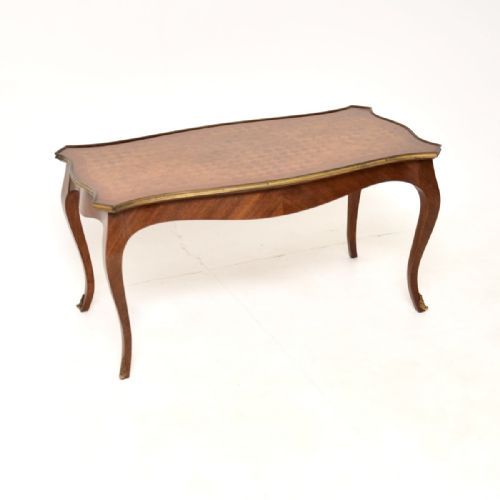
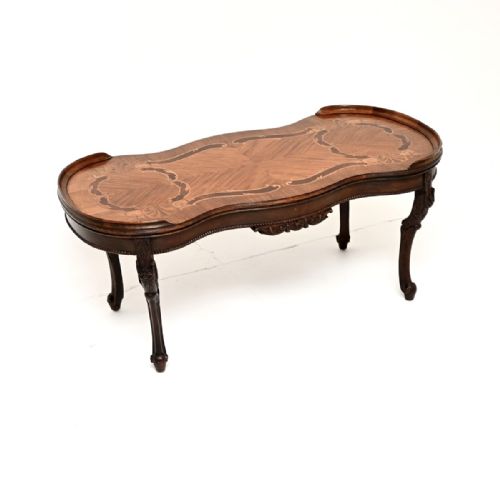
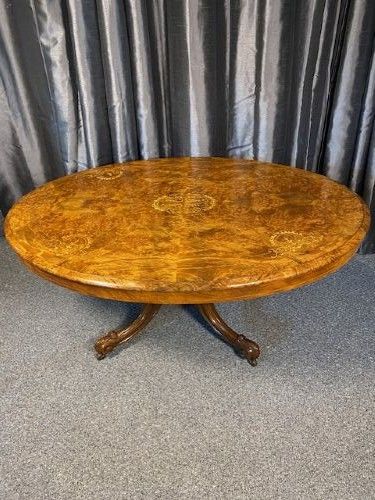
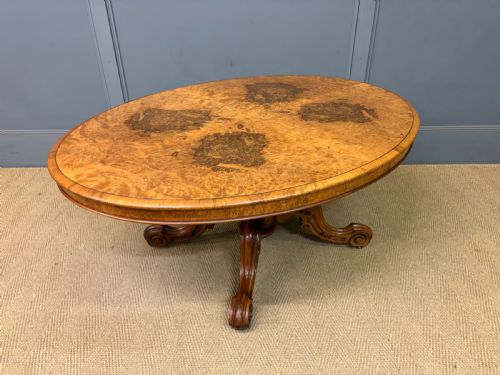
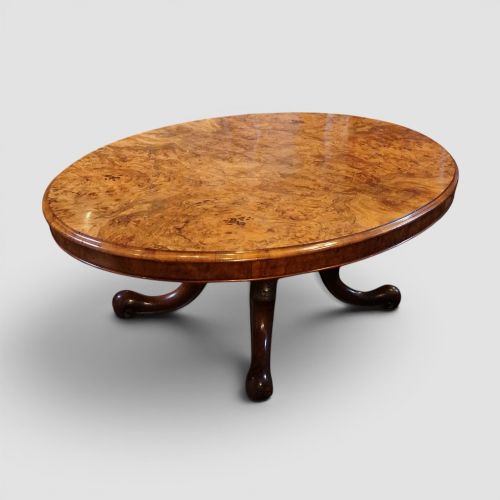

Low Walnut Tea Table
A low walnut tea table brings rich grain and warmth to a room, offering a sturdy surface low to the floor for everyday use.
Low Walnut Tea Table
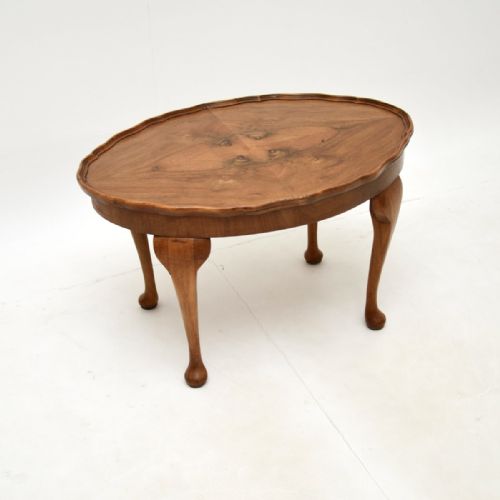
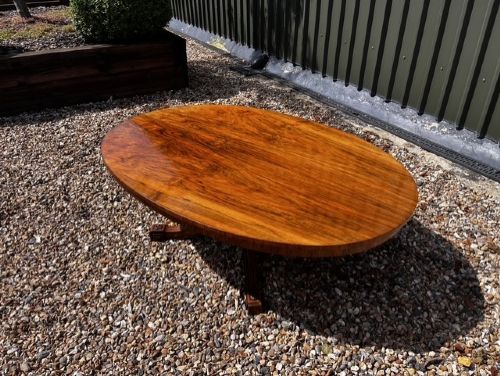
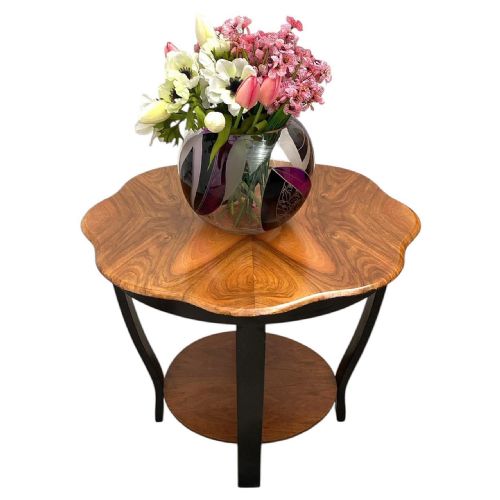
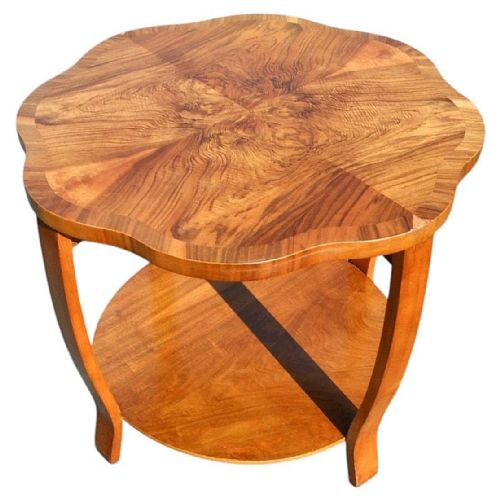
A low walnut tea table draws on a mix of periods ranging from the nineteenth century through the Victorian era to the Art Deco epoch of nineteen thirty. Buyers looking for a low walnut tea table encounter diverse forms such as circular occasional tables, oval shapes, octagonal tops, and two-tier designs.
The selections span English workshops and French cabinet makers, often utilising imported timbers and elaborate marquetry. Many examples originate as wine tables or lower occasional tables adapted to modern coffee table heights over time.
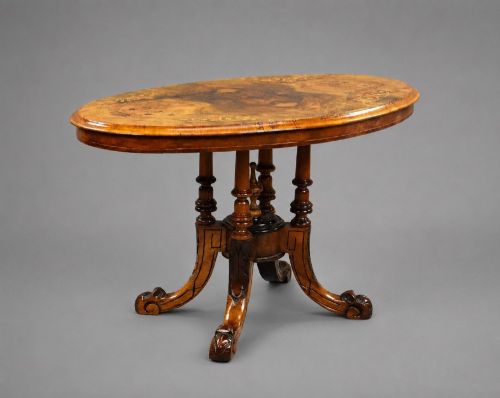
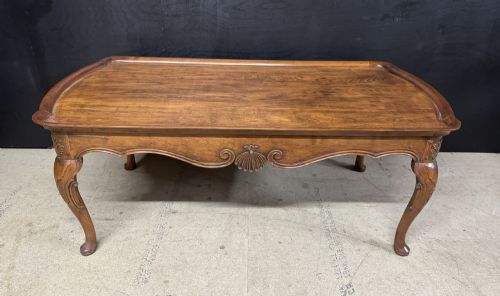
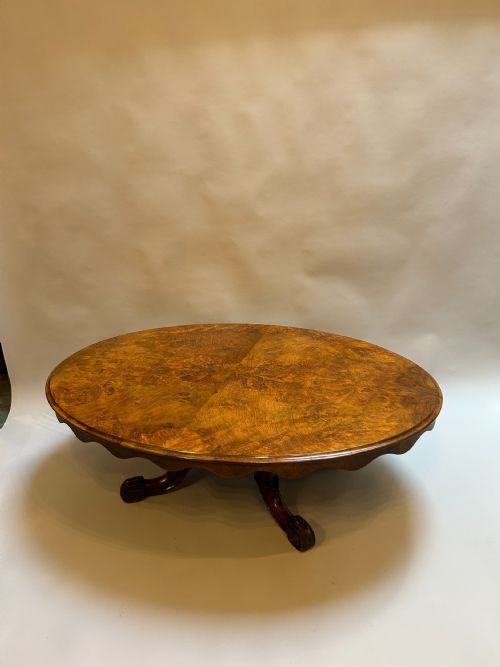
Victorian burr walnut dominates the older section of the market, while streamlined geometric shapes define the nineteen-twenties and thirties pieces. Buyers frequently discover tray top variations alongside pie crust edges and hand-carved bases.
Materials and construction
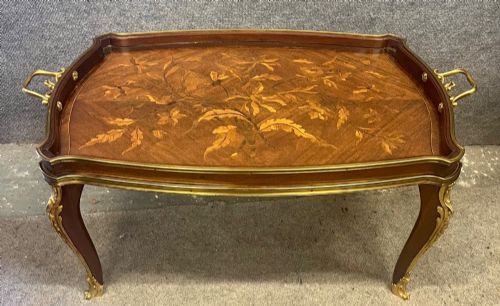
Makers built these tables primarily using solid walnut frames overlaid with figured, burr, or straight walnut veneer to display dramatic grain patterns. Kingwood, brass mounts, and ormolu add decorative contrast on French pieces, while marble inserts appear on select round tables.
Inlay techniques include both parquetry and marquetry, setting contrasting wood veneers into the primary surface in geometric or floral motifs. Bases range from carved wooden pedestals and tripod legs to modern cast iron supports fitted to period timber tops.
Some nineteenth-century tables began life much taller before finding new life closer to the floor as tea and coffee tables.
Markers of quality
Quality rests upon the selection of the walnut timber itself, with highly figured burr veneers and crisp matching across the top commanding greater attention. The intricacy of inlay work and the depth of hand-carved details on the edges and bases separate standard pieces from exceptional ones.
Structural integrity of the veneer and the stability of the lower frame determine longevity, particularly on tables converted from earlier wine or occasional heights. Maker attribution, such as signed work from prominent London firms, elevates the standing of a piece considerably.
Holland and Sons Of London
The Low Walnut Tea Table Glossary
- Burr walnut
- A prized timber cut from walnut tree growths, producing swirling, highly ornamental grain patterns sought after for table tops.
- Marquetry
- The art of applying small pieces of veneer to a structure to form decorative pictorial designs.
- Parquetry
- A geometric mosaic of wood veneer arranged in repeating patterns such as squares or triangles.
- Pie crust
- A raised, carved table edge shaped in undulating curves resembling pastry work.
- Ormolu
- Gilded bronze ornamentation mounted onto furniture frames for decorative contrast.
Low Walnut Tea Table: Frequently Asked Questions
What is a low walnut tea table?
A low walnut tea table is a coffee or occasional table constructed from walnut timber, designed to sit close to the floor for serving drinks or displaying objects.
These pieces encompass nineteenth-century Victorian designs alongside twentieth-century Art Deco and revival styles.
How do I date a walnut table?
Dating relies on stylistic clues, construction methods, and hardware choices visible across the piece. Victorian examples often feature rich burr walnut and carved bases, whereas nineteen-thirty pieces show cleaner lines.
Secondary woods and veneer thickness also provide reliable indicators of age for experienced buyers.
Where were these tables made?
The listings show origins primarily in English and French workshops, with occasional Italian pieces appearing through Sorrento inlay work.
English makers favoured robust burr walnut framing, while French examples frequently incorporated ormolu mounts and marquetry.
How do I care for walnut veneer?
Walnut veneer requires protection from direct sunlight and excessive moisture to prevent fading and lifting of the delicate wood layers.
Regular dusting with a soft cloth and occasional gentle waxing maintain the natural lustre of the timber surface.