





Antique Walnut Living Table
These antique walnut living tables bring rich grain and warm tone to a room, offering practical surface space with distinct historical character.
Antique Walnut Living Table
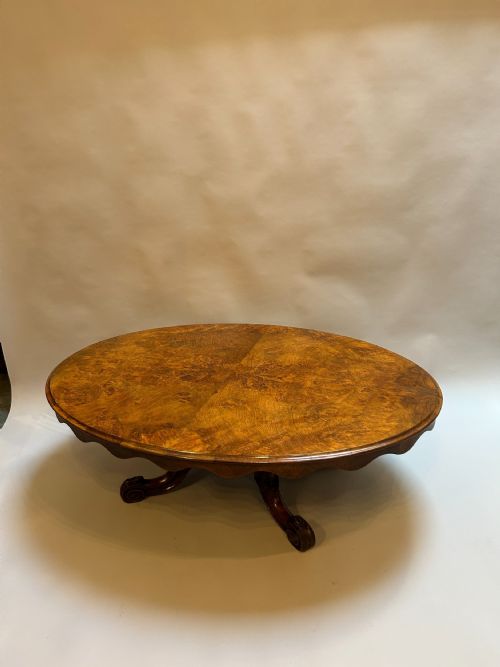
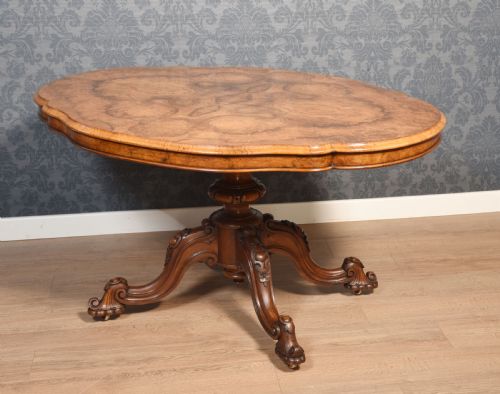
An antique walnut living table delivers a functional low surface with the rich, dark grain characteristic of traditional cabinetmaking. The pieces gathered under the search phrase antique walnut living table span the Victorian and Edwardian eras through to the early twentieth century.
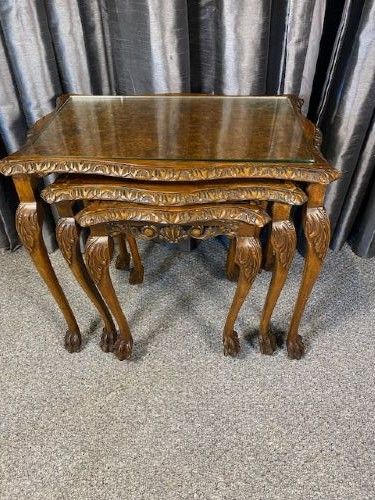
Buyers will most frequently encounter low coffee tables and nested sets constructed in figured or burr timber. Centre tables from earlier decades also appear, providing a slightly taller profile suited to traditional reception rooms.
The selection ranges from mid-nineteenth-century examples with classical proportions to later revival pieces and Art Deco designs. Each era brings a distinct decorative vocabulary, from plain polished tops to detailed boxwood inlay.
How they were made
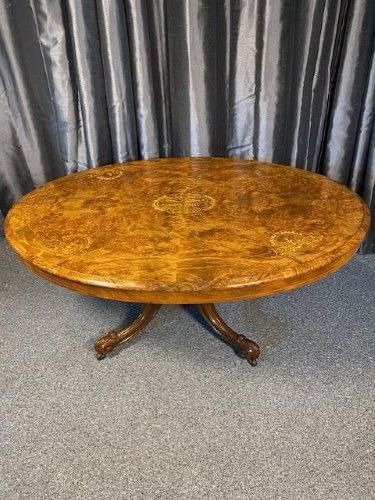
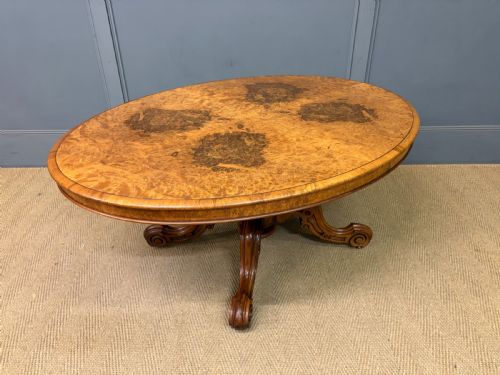
Makers utilised solid timber and decorative veneers applied over secondary woods to create complex surface patterns. Burr walnut and figured walnut provide the characteristic swirling grain, often enhanced by contrasting boxwood inlay.
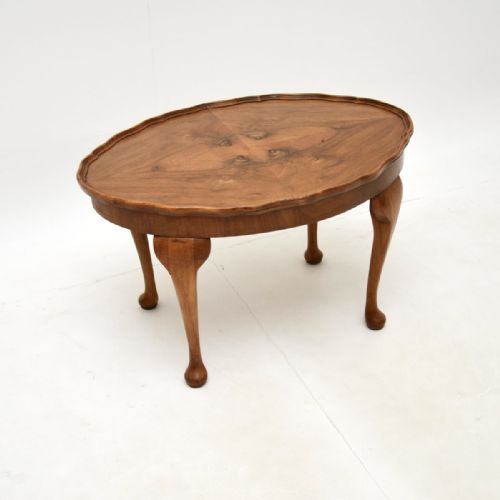
Surfaces were finished with traditional polish to protect the timber while highlighting the natural figuring of the wood. Construction methods combined sturdy framing with fine cabinetry details such as pie crust edges and carved pedestals.
Antique Walnut Living Table Retail Price Guide 2026
Typical asking prices for walnut living table among the pieces listed under this phrase on Sellingantiques today, from the lower quarter to the upper quarter. They describe what is for sale here now, not the wider market.
Some nineteenth-century tables began life as taller centre pieces before finding new life closer to the floor in later decades.
What varies in quality
The choice and application of veneer determine much of the visual distinction across the range. Superior examples display carefully matched sections of burr walnut that create symmetrical patterns across the top.
Fine cabinetwork shows in the crispness of edge details, such as carved pie crust rims or precise boxwood stringing. The integrity of the timber ground beneath the veneer ensures stability over decades of daily use.
The Antique Walnut Living Table Glossary
- Burr walnut
- A distinctive timber cut from tree growths, yielding intricate, swirling grain patterns. It was highly prized for decorative table tops.
- Veneer
- A thin layer of superior wood applied over a stable secondary timber. This technique allowed makers to display dramatic grain figures efficiently.
- Pie crust edge
- A raised, scalloped rim carved around the perimeter of a round table top. It is frequently found on mid-period coffee tables.
- Boxwood inlay
- Narrow lines or decorative motifs of pale wood set flush into the darker walnut surface. It provides sharp contrast and geometric detail.
Antique Walnut Living Table: Frequently Asked Questions
How do I care for a walnut table?
Keep the timber away from direct heat sources and strong sunlight to prevent the polish from drying out and the veneer from lifting. Dust regularly with a soft, dry cloth and apply a quality wax polish sparingly when the wood appears dry.
Avoid placing wet glasses or hot dishes directly on the surface without protective mats. Promptly wiping away spills preserves the traditional finish and protects the delicate grain beneath.
Are these tables suitable for daily use?
Most pieces function well as everyday coffee tables or occasional surfaces in a modern sitting room. Their robust construction handles normal domestic items such as books and decorative objects with ease.
Care should be taken with heavy loads or sharp impacts, as antique veneers can chip under severe stress. Using coasters and placemats helps maintain the finish through regular use.
What is the difference between a centre table and a coffee table?
Centre tables stand taller and were originally designed to sit in the middle of a Victorian room for display or reading. Coffee tables sit lower to the ground, reflecting twentieth-century habits of relaxed seating.
Many pieces listed as coffee tables were adapted or built lower during the Edwardian period and later decades. Checking the height helps determine whether a piece suits sofa-side placement or standalone use.