
Low Walnut Centre Table
A low walnut centre table brings rich grain and practical surface area to a room, offering a grounded focal point that spans Victorian, Art Deco, and revival designs.
Low Walnut Centre Table
A low walnut centre table spans centuries of cabinet-making, originating primarily from Victorian and Art Deco periods, alongside Queen Anne and Louis XV styles.
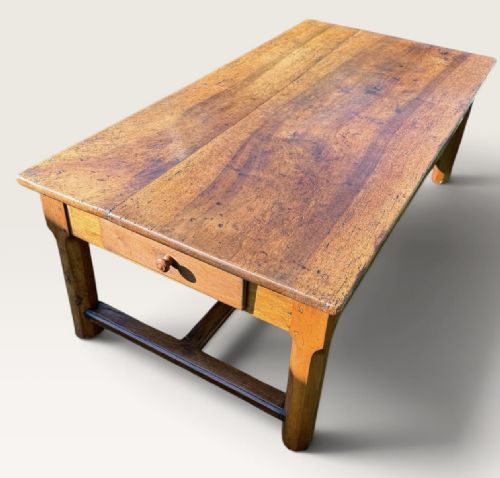
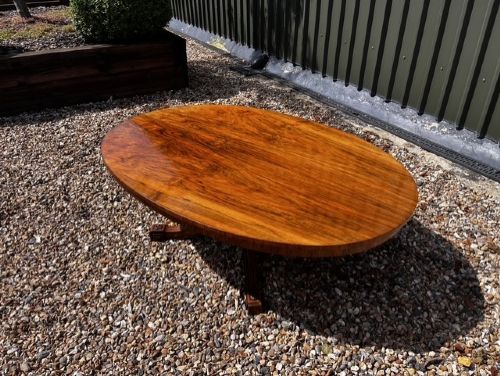
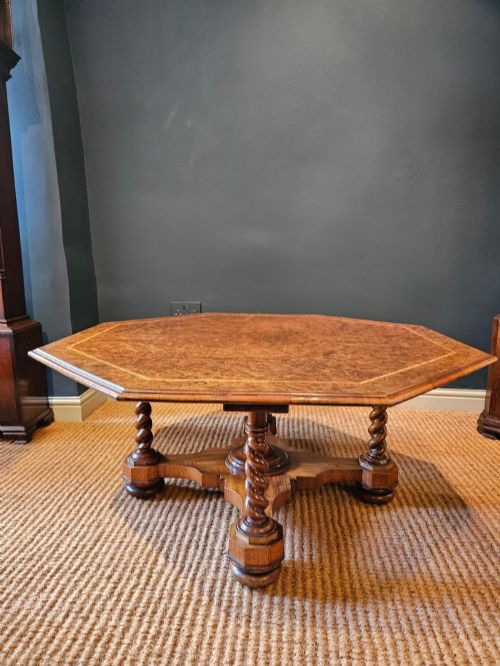
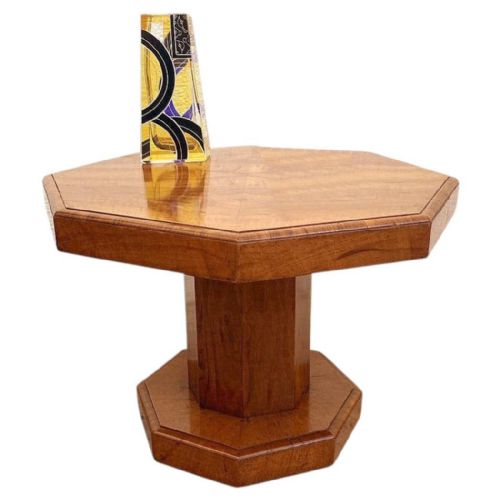
Most examples found here function as coffee tables or occasional tables, featuring circular, oval, octagonal, or rectangular top shapes.
Makers utilised both solid timbers and veneers to create low-slung surfaces suited for drawing rooms and sitting areas.
Materials and Construction
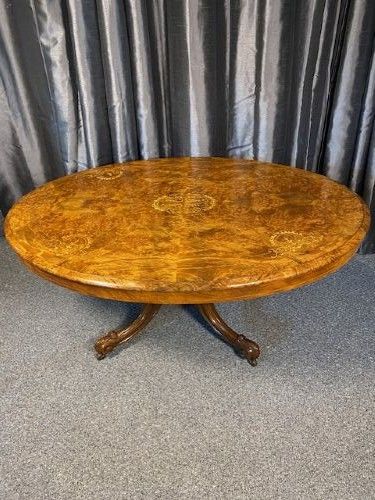
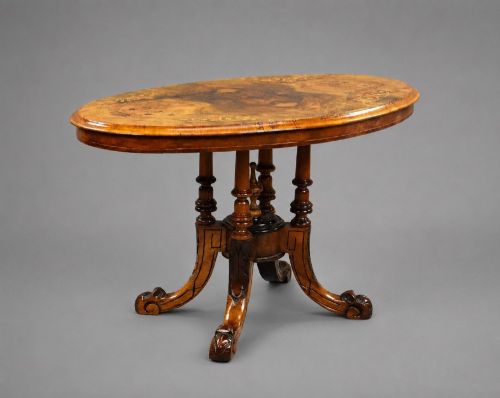
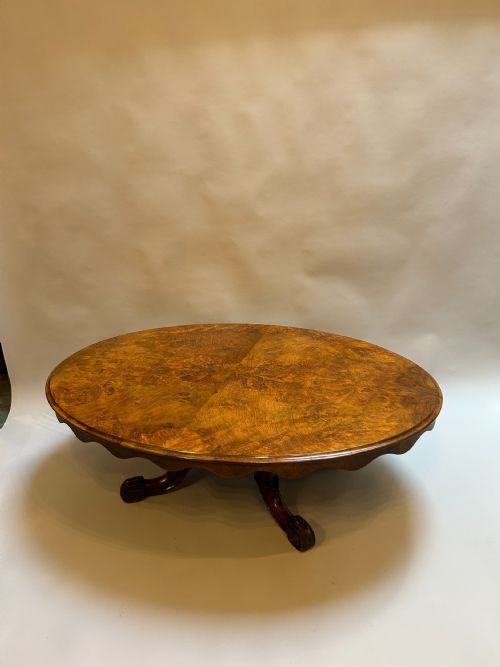
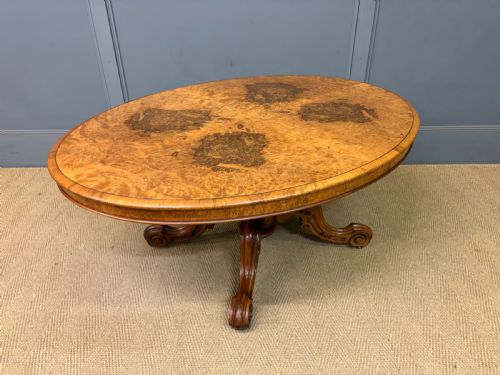
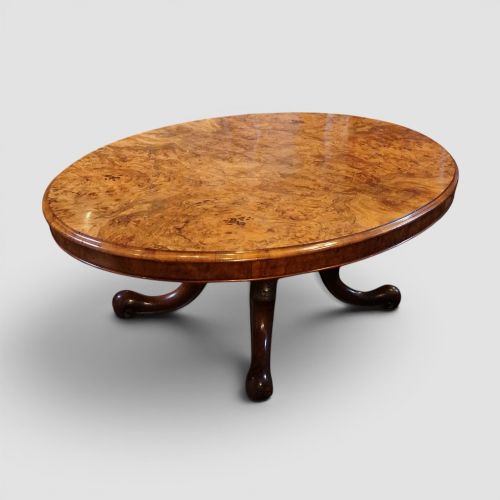
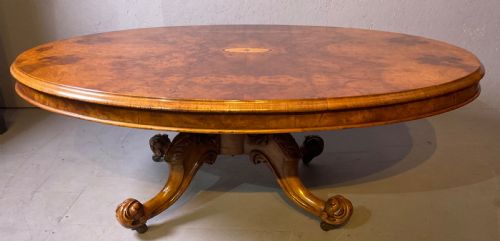
Craftsmen built these tables using walnut and burr walnut, frequently applying fine walnut veneer or figured walnut over secondary timbers to highlight complex grain patterns.
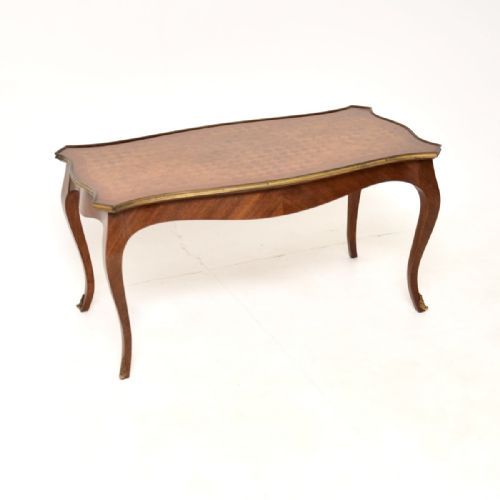
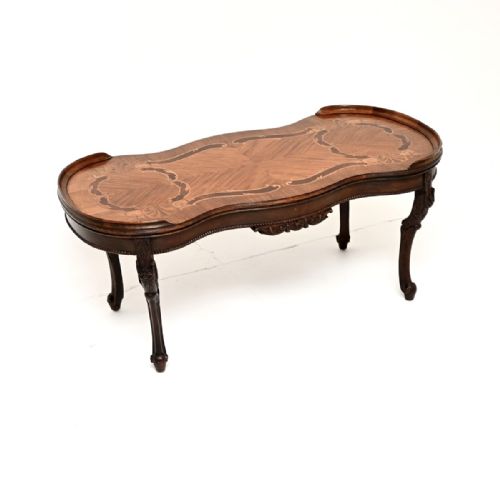
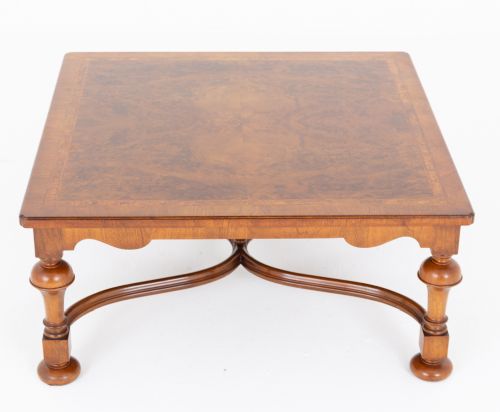
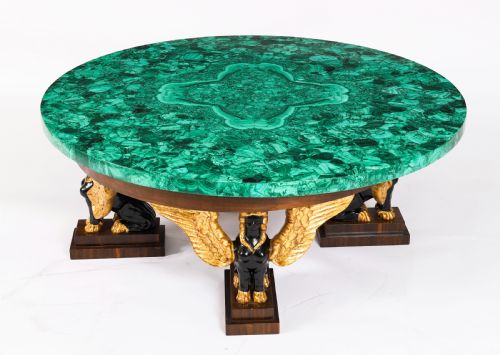
Many pieces incorporate decorative marquetry, parquetry, or hand-carved bases, while some examples add contrasting materials like marble tops, brass mounts, or glass.
Structural variety includes turned tripod supports, carved pedestals, and multi-tiered frameworks characteristic of English and French workshops.
Listings feature walnut, burr walnut, fruitwood, marble, glass, and brass across periods ranging from the 18th century through the Art Deco era of 1930.
Distinctions in Quality
Quality depends heavily on the choice and matching of wood veneers, where symmetrical burr walnut figures and precise marquetry inlay elevate a piece above plain timber surfaces.
The sophistication of the hand-carving on the base and the integration of secondary materials, such as ormolu mounts, marble inserts, or detailed brass work, separate standard production from superior cabinet-making.
Structural integrity of the joints, stability of the low base, and the crispness of the edge moulding determine the lasting merit of each table.
Holland and Sons·Gillow and Co·Waring and Gillow
The Low Walnut Centre Table Glossary
- Burr walnut
- A veneer taken from the wart-like growths on a walnut tree, producing highly twisted, decorative grain patterns. This material appears frequently on Victorian and 20th-century tabletops.
- Marquetry
- The art of applying decorative pieces of veneer to a structure to form intricate pictorial designs. Craftsmen often used lighter woods to create floral or geometric motifs against the darker walnut background.
- Parquetry
- Geometric mosaic woodwork used for repeating patterns on tabletops. It relies on precise angles and contrasting wood tones.
- Ormolu
- Gilded bronze mounts applied to furniture edges and legs. This technique is typical on French-influenced tables from the 19th and early 20th centuries.
- Pie crust
- A raised, carved tabletop edge shaped in undulating, curved segments. This detail is found on circular occasional and coffee tables.
Low Walnut Centre Table: Frequently Asked Questions
How do I style a low walnut centre table?
Place the table centrally in a room to anchor seating arrangements, allowing the rich burr walnut grain to contrast against lighter upholstery and rugs.
Keep surface decoration minimal with books or a small tray so the wood grain and inlay remain the visual focus.
Are these tables originally low or converted?
While many Victorian and 19th-century examples began life as taller centre, breakfast, or occasional tables, a significant number of pieces from the 1920s and 1930s were manufactured specifically as low coffee tables.
Examine the proportions of the base and leg height to understand whether the piece was designed at its current height or modified later.
How do I tell Victorian from Art Deco walnut tables?
Victorian tables usually display heavy carved decoration, turned pedestals, and intricate marquetry or burr walnut tops, often reflecting Revival styles like Rococo or Queen Anne.
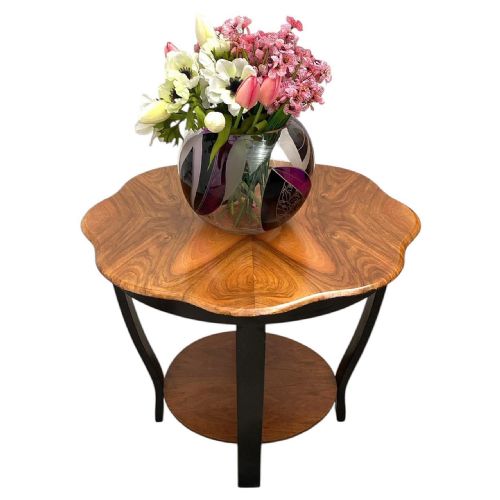
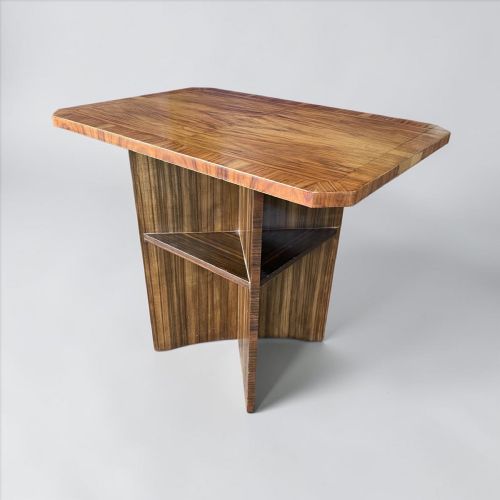
Art Deco examples lean towards cleaner geometric lines, bleached or figured walnut veneers, and practical two-tier structures without ornate carving.
What is the difference between French and English styles here?
French tables frequently incorporate parquetry, curved Louis XV influences, marble tops, and gilt or ormolu mounts that emphasise decorative display.
English pieces tend to focus on sturdy craftsmanship, figured walnut veneers, tripod bases, and restrained carving associated with firms like Gillows.