
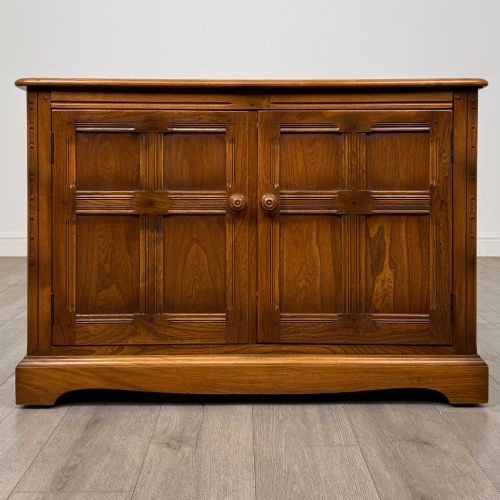
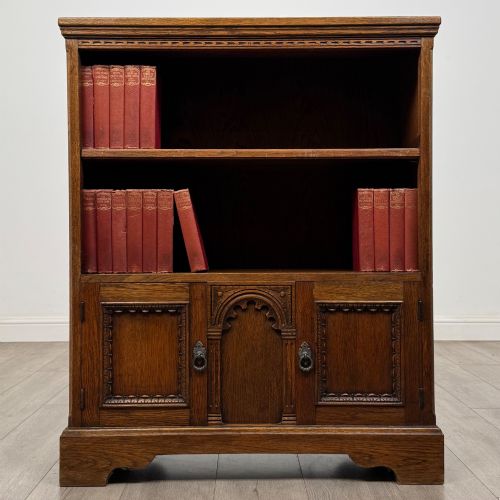
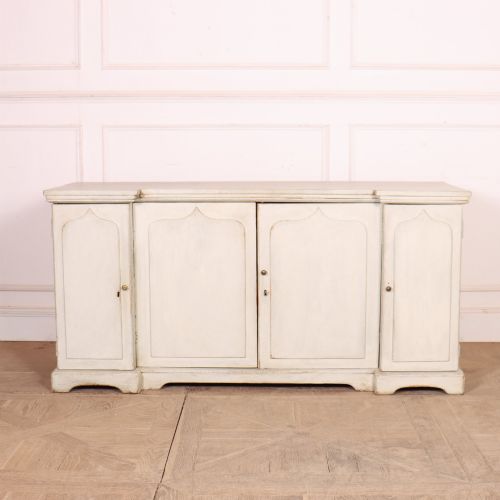
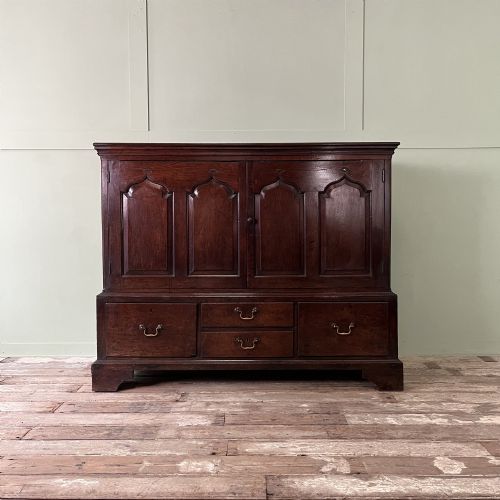
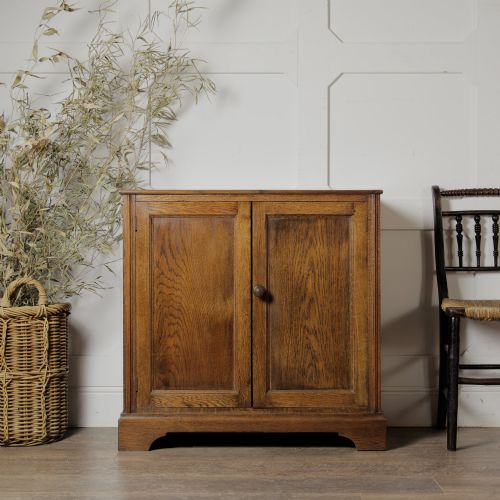
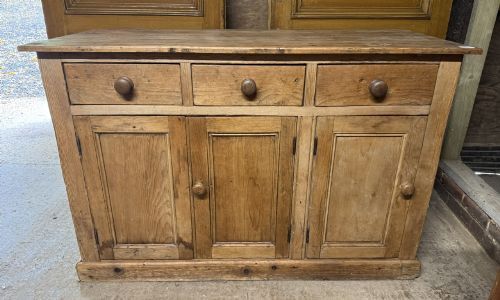
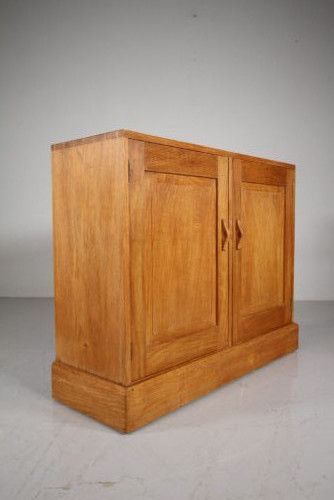
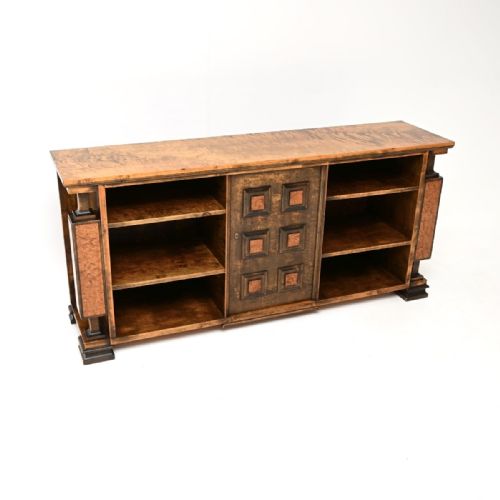
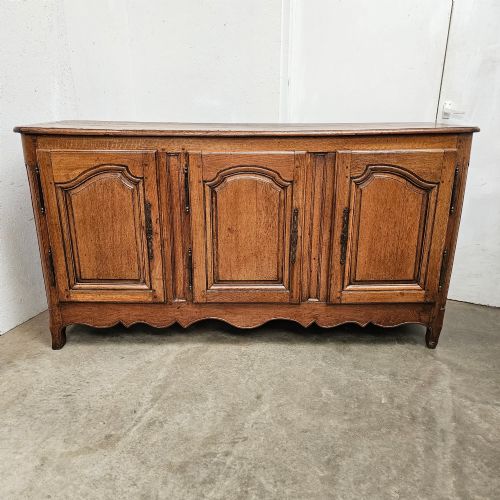
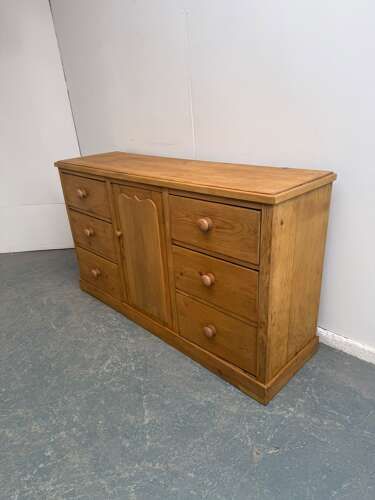
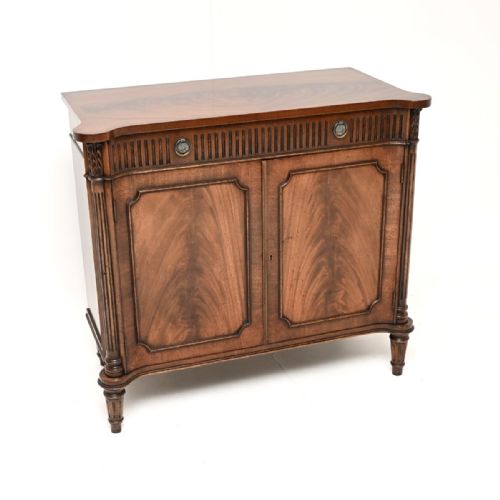
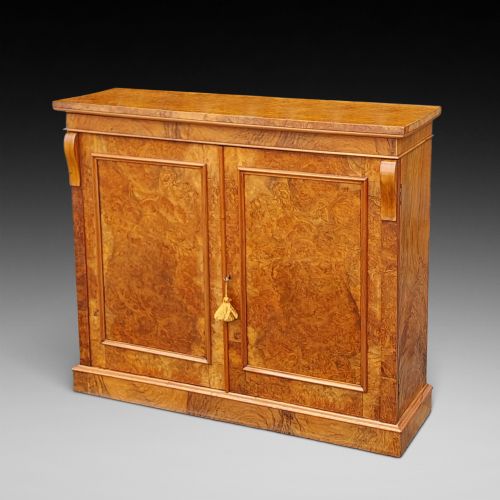
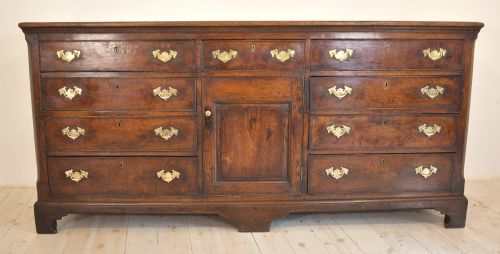
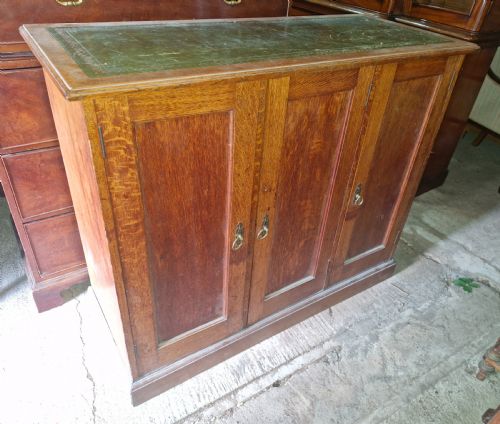
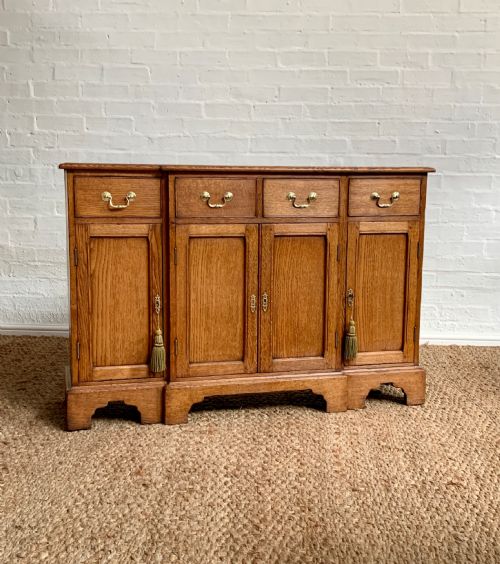
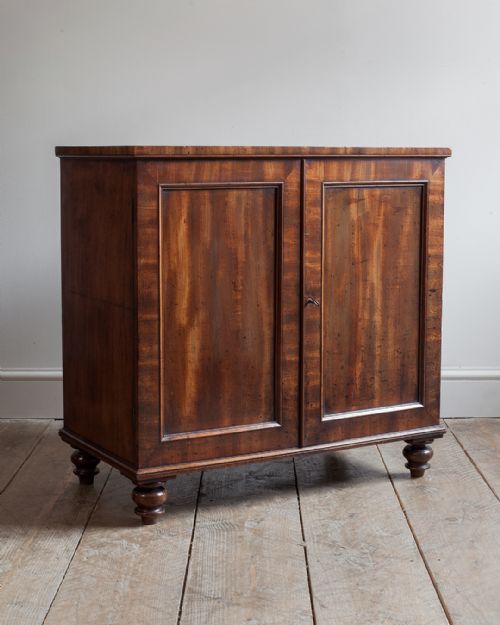
Low Storage Cupboard
These low storage cupboard pieces combine compact proportions with practical interior capacity, offering a functional furniture solution for everyday rooms.
Low Storage Cupboard
A low storage cupboard provides a practical footprint while keeping floor areas visually clear, making it a versatile choice for modern and traditional spaces alike. Buyers seeking a low storage cupboard will find examples ranging from compact bedside units to wider dresser bases and side cabinets.
The selection encompasses pieces originating across the eighteenth, nineteenth, and early twentieth centuries. Oak and pine dominate the domestic vernacular pieces, while mahogany, walnut, and rosewood appear in more formal cabinet-making traditions.
Regional variations span English country workshops, French provincial kitchens, and Regency urban parlours. This diversity ensures that forms match various interior schemes without overwhelming smaller rooms.
How they were made
Solid hardwoods such as oak, mahogany, and walnut provide structural integrity for formal and provincial pieces, often joined using traditional mortise and tenon techniques. Softer timbers like pine appear frequently in domestic cupboards, frequently finished with a wax coating or historic painted surfaces.
Decorative elements rely on timber selection, utilising figured veneers like burr walnut or satin birch, alongside brass hardware and occasional iron fittings. Construction details range from hand-planed backboards on earlier examples to machine-finished components in twentieth-century pieces.
Current listings feature low storage cupboard designs spanning the 18th, 19th, and 20th centuries, constructed from oak, pine, mahogany, and walnut.
What varies in quality
Proportion and timber selection separate standard utilitarian pieces from high-status examples. Finely figured veneers, cohesive grain matching on doors, and substantial brass mounts distinguish superior cabinet work from plain domestic items.
The integrity of original timber surfaces, structural joints, and interior fittings dictates the standing of an individual piece. Retained original paint finishes or mellowed wax patination on older timbers add distinct character absent from later restorations.
The Low Storage Cupboard Glossary
- Dresser base
- A low utilitarian table or cabinet featuring drawers and cupboards, originally used in kitchens for food preparation and storage. They often double as modern sideboards.
- Enfilade
- A suite of rooms or a long cabinet featuring a continuous sequence of doors, originating in seventeenth-century French architecture. Examples usually provide extensive low storage.
- Breakfront
- A piece of furniture where the central section projects forward from the flanking wings. This architectural arrangement creates depth and visual interest on larger cabinets.
- Campaign
- Portable furniture designed for military officers on the move, typically constructed in sections with recessed brass handles and corner brackets. These pieces prioritise rugged portability.
- Goncalo Alves
- A dense exotic hardwood with striking contrasting brown and yellow figuring, utilised in Regency cabinet-making for decorative impact. It polishes to a high lustre.
Low Storage Cupboard: Frequently Asked Questions
Where do I place a low storage cupboard?
These cabinets suit hallways, living rooms, and bedrooms where height is restricted by windows or artwork. Their low profile maintains an open line of sight across a room.
Position them against plain walls to let the timber grain or painted finish stand out without cluttering the floor space.
How do I clean antique timber surfaces?
Dust regularly with a soft, dry cloth to prevent particulate buildup on the wax or polish. Avoid modern silicone sprays that can damage historic finishes over time.
Apply a traditional beeswax sparingly once or twice a year to nourish older wood and maintain a gentle sheen.
Can I use these cupboards for media storage?
Many low cupboards offer ideal proportions for housing modern electronics while concealing cables behind solid doors. Check internal shelf depths and clearances before placing larger equipment inside.
Ventilation may need consideration if enclosed units house heat-generating electrical components.
How do I distinguish pine from hardwood?
Pine is a softwood showing visible growth rings and knots, frequently found in painted or waxed domestic kitchen furniture. Hardwoods like oak and mahogany display tighter grain patterns and greater weight.
Examining interior secondary timbers often reveals the primary construction materials used by the workshop.
What defines the Regency style?
Regency furniture draws inspiration from classical Greek, Roman, and Egyptian motifs, favouring clean architectural lines and exotic veneers. Pieces from this period often incorporate rosewood or goncalo Alves with brass inlay.
Proportions remain restrained, focusing on refined elegance rather than heavy ornamentation.