

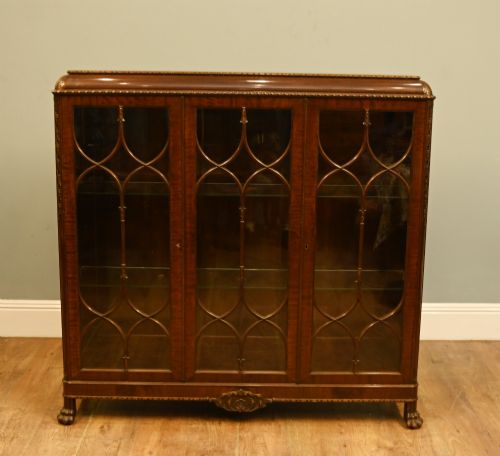
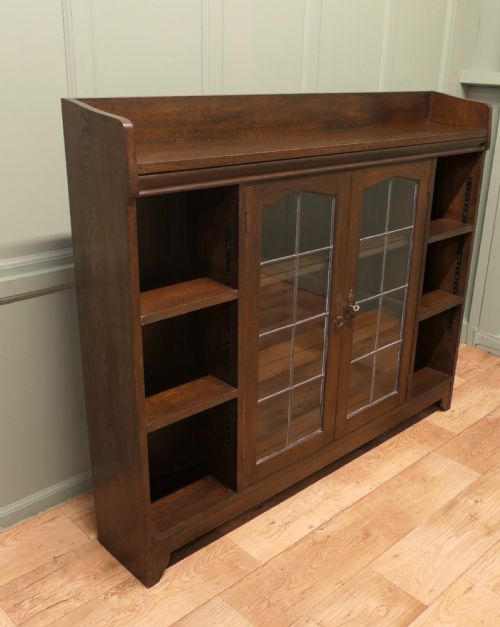
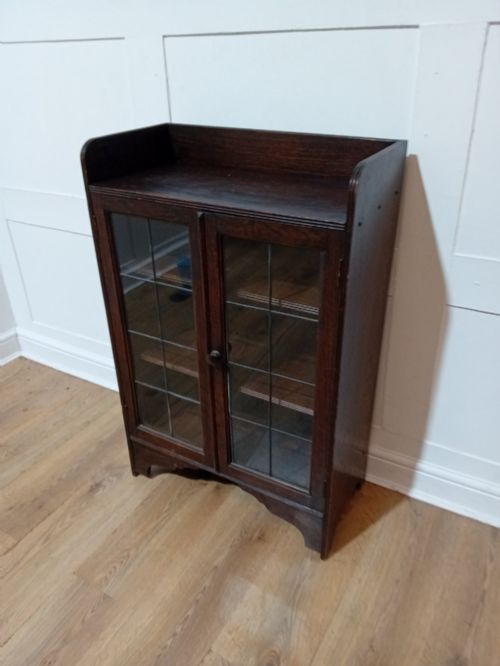
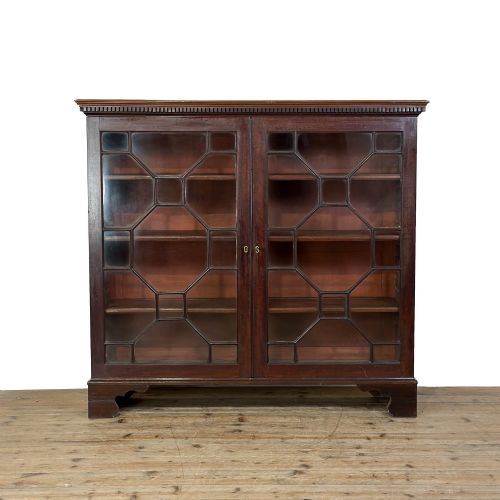
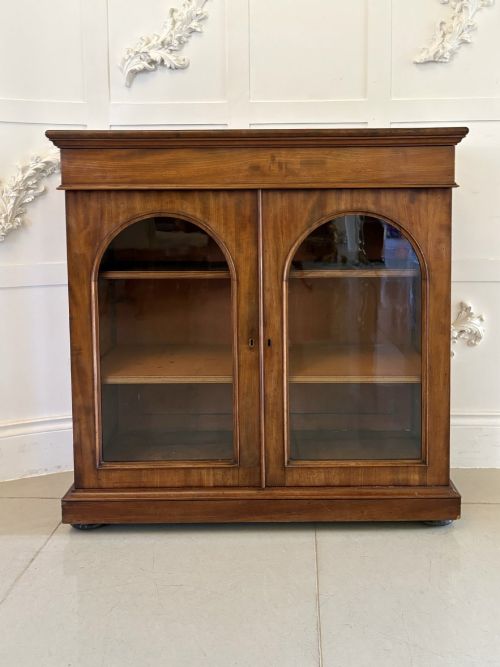
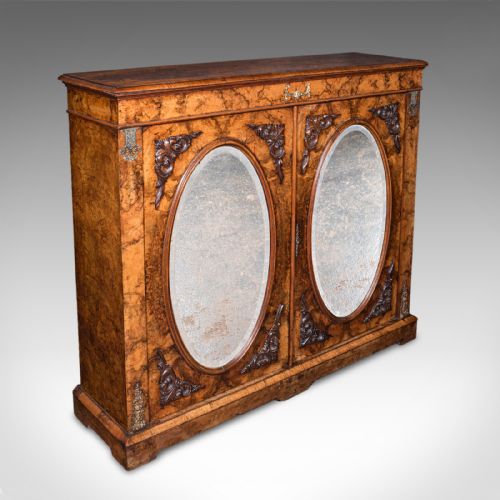
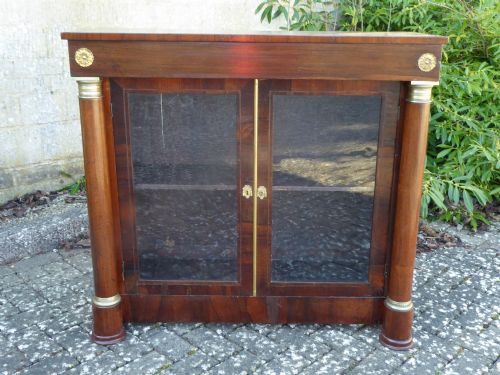
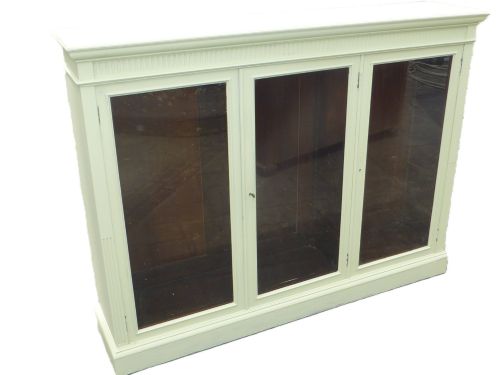
Low Glazed Display Cupboard
A low glazed display cupboard provides a practical home for books and collections while keeping floor space clear.
Low Glazed Display Cupboard
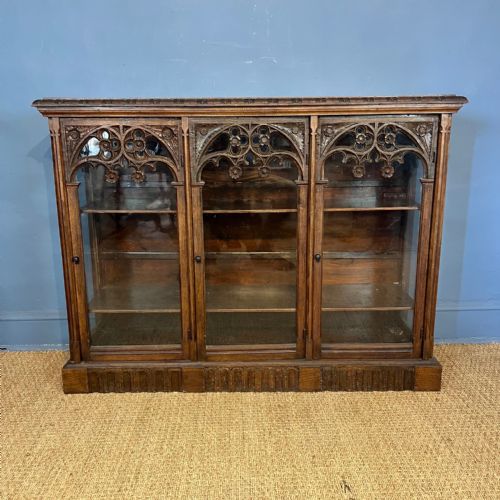
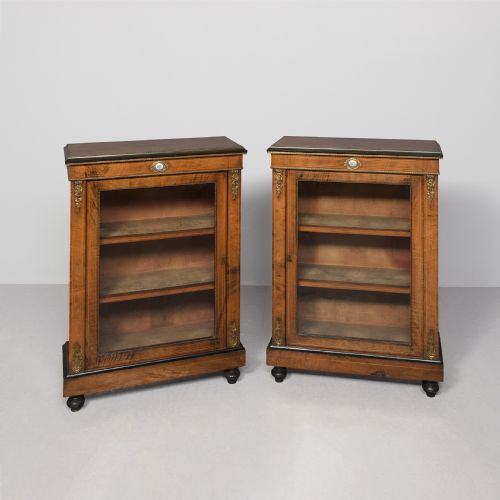
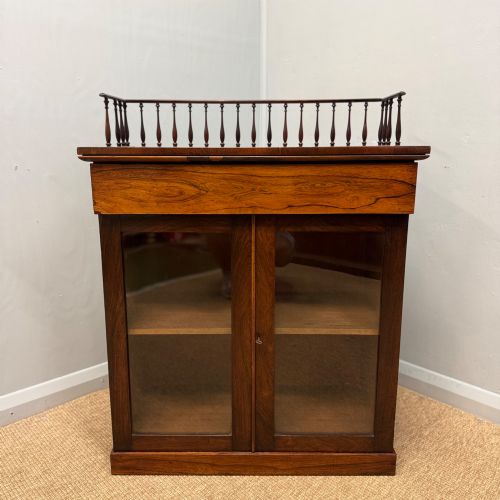
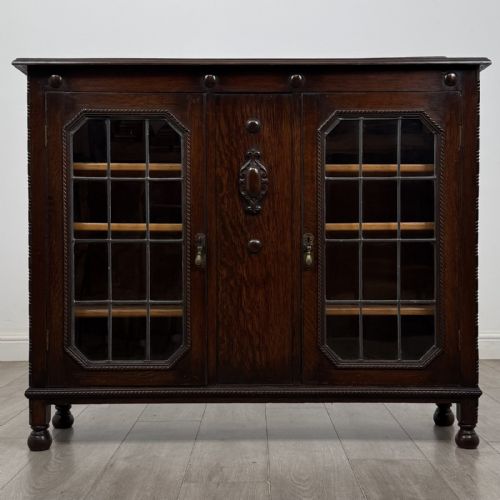
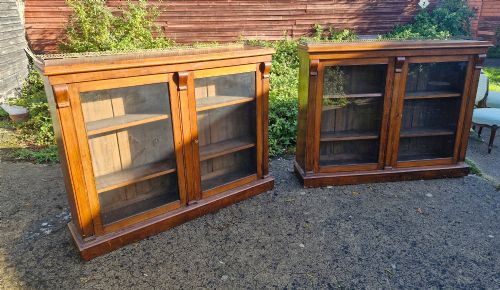
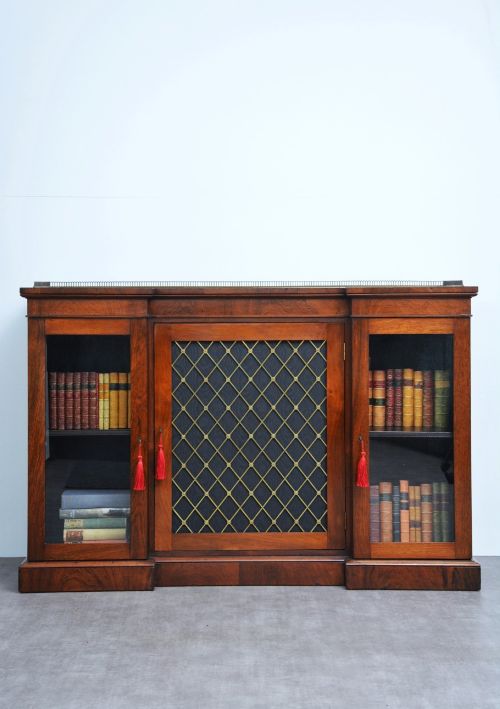
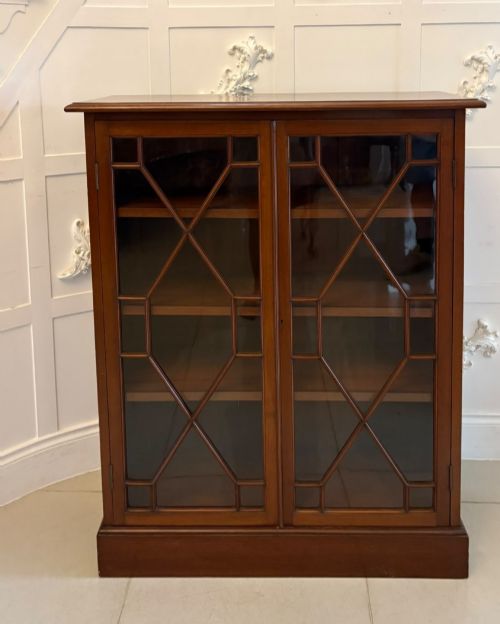
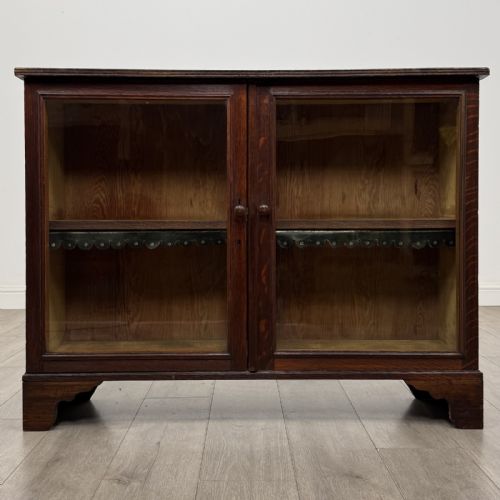
When you search for a low glazed display cupboard, you encounter a range of compact freestanding furniture designed to exhibit ceramics, books and precious items behind glass doors. These pieces sit lower than traditional tall libraries, making them suitable for modern rooms with restricted wall height.
The selections available here span several distinct eras, with Victorian and nineteenth-century examples appearing most frequently alongside Edwardian and Regency pieces. Formats vary from narrow pier cabinets and side cabinets to small bookcases with glazed fronts and low wooden cupboards.
Makers and cabinetmakers constructed these items primarily for domestic entertaining spaces, morning rooms and home libraries. Their low stature allows the top surface to function as an additional display area for smaller ornaments or clocks.
How they were made
Cabinetmakers built these low glazed display cupboards using sturdy timber carcases veneered or solid-constructed in mahogany, walnut, rosewood, oak and burr walnut. Finer examples utilise exotic timbers such as thuya wood and amboyna, sometimes enriched with delicate marquetry and inlay.
Glazing bars hold individual panes of glass within the cabinet doors, while brass fittings secure the closures and provide functional hardware. Ormolu mounts and gilt decorations occasionally accent the richer Victorian and Regency pieces to frame the transparent panels.
Interior arrangements incorporate adjustable wooden shelves to accommodate varying heights of books and collected artefacts. Certain variants include lower wooden cupboard doors beneath the glazed upper sections to conceal utilitarian storage.
Low Glazed Display Cupboard Retail Price Guide 2026
Typical asking prices for low glazed display cupboard among the pieces listed under this phrase on Sellingantiques today, from the lower quarter to the upper quarter. They describe what is for sale here now, not the wider market.
Materials represented across the selection include figured mahogany, walnut, rosewood, oak, burr walnut, amboyna and thuya wood.
What varies in quality
The visual depth and figuring of the timber dictate much of the worth, with highly burr walnut and figured mahogany commanding greater attention. The crispness of marquetry inlay and the precision of brass or ormolu mounts further separate standard production from superior work.
Proportions remain a key indicator of design success, as neater, more balanced dimensions elevate a modest room cabinet into a piece of finer craftsmanship. The survival of original glass panes, handles and polished surfaces preserves the integrity of the antique.
William Trotter
The Low Glazed Display Cupboard Glossary
- Pier cabinet
- A low freestanding cabinet designed specifically to fit the wall space between windows. These slim glazed pieces often feature decorative marquetry and gilt brass mounts.
- Breakfront
- A piece of furniture where the central section projects forward from the flanking wings. This configuration adds architectural depth to larger side cabinets and bookcases.
- Credenza
- A low sideboard or cabinet originating in Italy, often fitted with glazed doors or central cupboards. Victorian iterations frequently employ burr walnut and amboyna.
- Glazing bars
- The narrow strips of wood or metal that hold individual panes of glass within a cabinet door. They create geometric patterns across the frontage.
- Marquetry
- Decorative veneer patterns formed by fitting together thin pieces of wood, shell or ivory. Craftsmen apply these intricate designs to cabinet doors and friezes.
Low Glazed Display Cupboard: Frequently Asked Questions
Where should I place a low glazed display cupboard?
These cabinets suit living rooms, dining spaces and hallways where tall bookcases would overwhelm the architecture. Their reduced height ensures they fit comfortably beneath windows or pictures without blocking natural light.
The top surface provides a convenient stage for lamps, clocks or small sculptures. Placing them away from direct sunlight protects vulnerable rosewood and mahogany veneers from fading.
How do I distinguish a Victorian piece from a Regency one?
Regency cabinets often display classical restraint, clean architectural lines and darker rosewood or pollard oak timbers. They date from the early nineteenth century and frequently incorporate brass grille work or simple glass panels.
Victorian pieces, emerging after eighteen thirty-seven, tend to feature heavier figured walnut, richer carvings and more elaborate marquetry details. Their proportions are generally sturdier to match the interior tastes of the later period.
Can the shelves be adjusted for different book sizes?
Many nineteenth-century and Edwardian glazed bookcases include functional adjustable shelving supported by rack-and-pinion systems or traditional wooden bearer strips. This allows you to customise the interior layout for varying heights of volumes or display objects.
Simpler or earlier pieces may feature fixed shelves built directly into the carcase construction. Checking the interior description clarifies whether the shelving adjustments are moveable.