
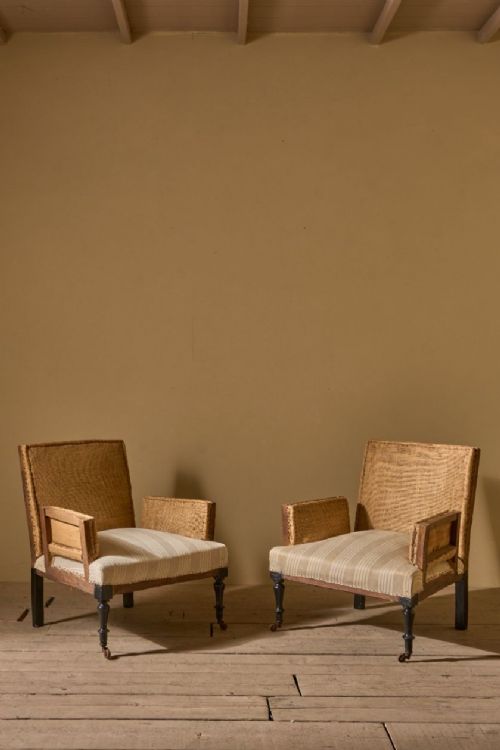
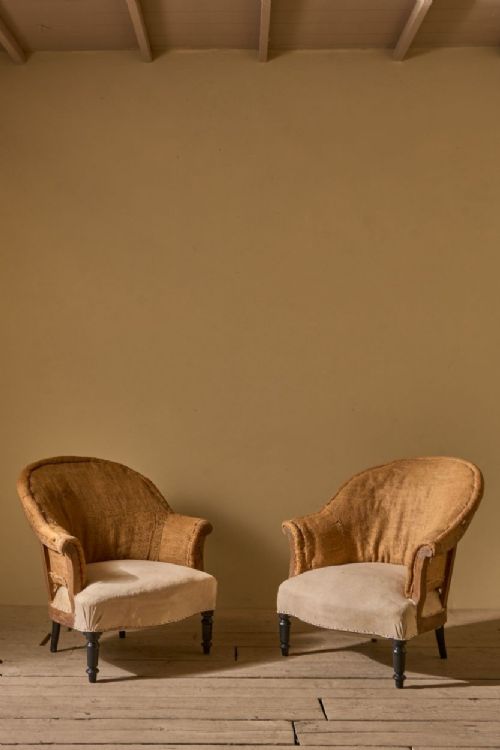
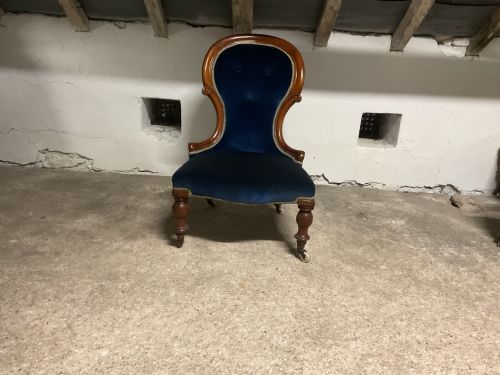
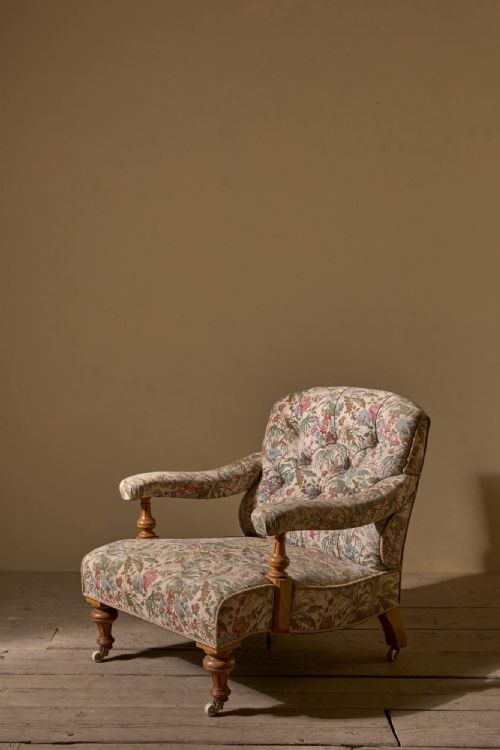
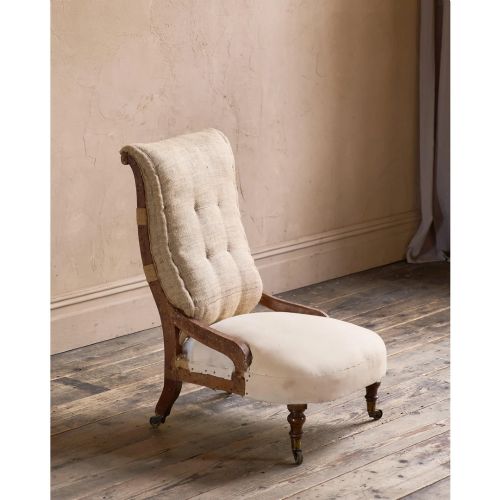
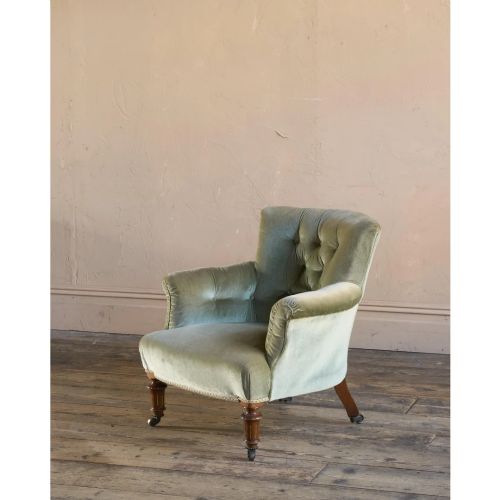
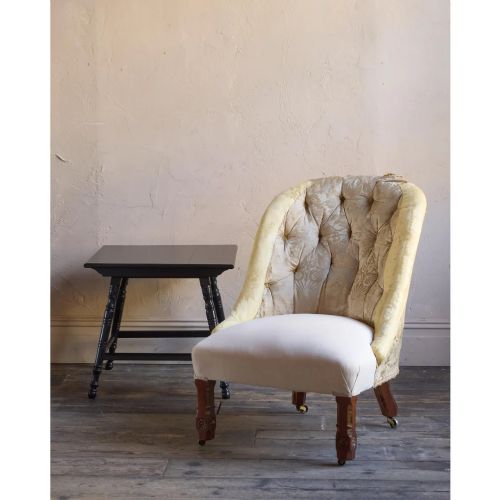
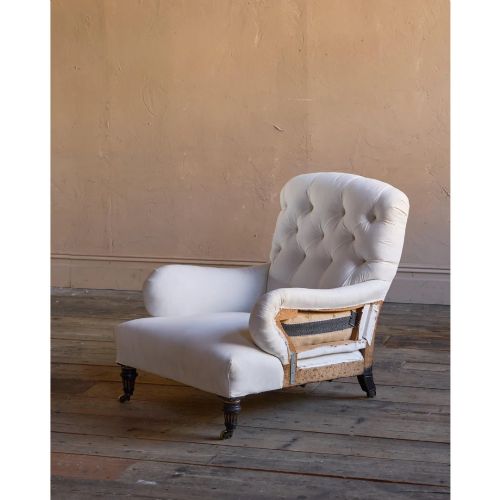
Low Back Upholstered Armchair
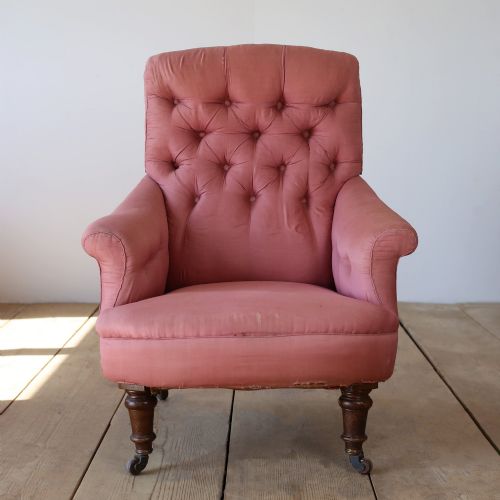
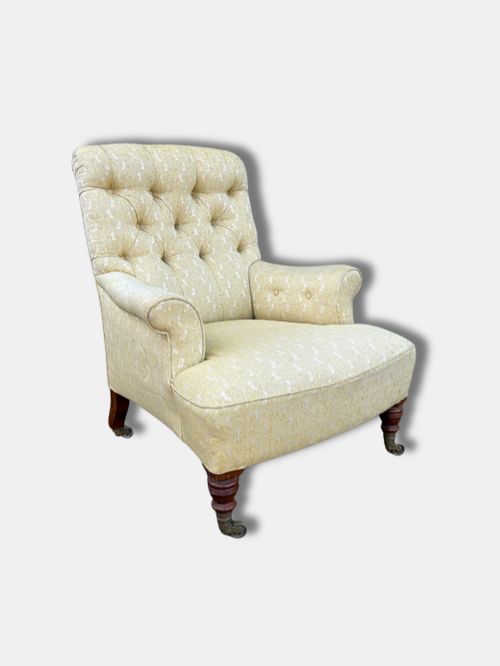
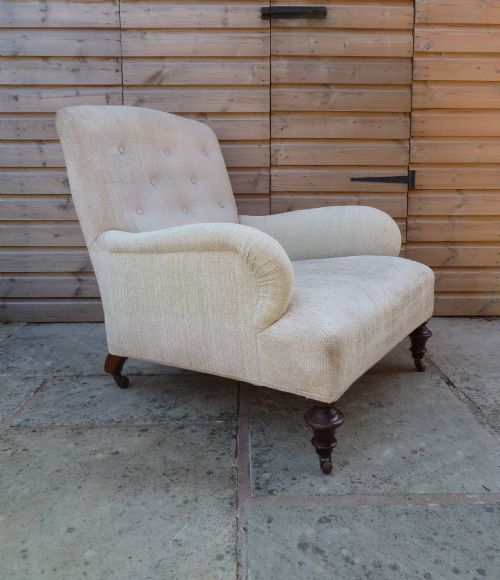
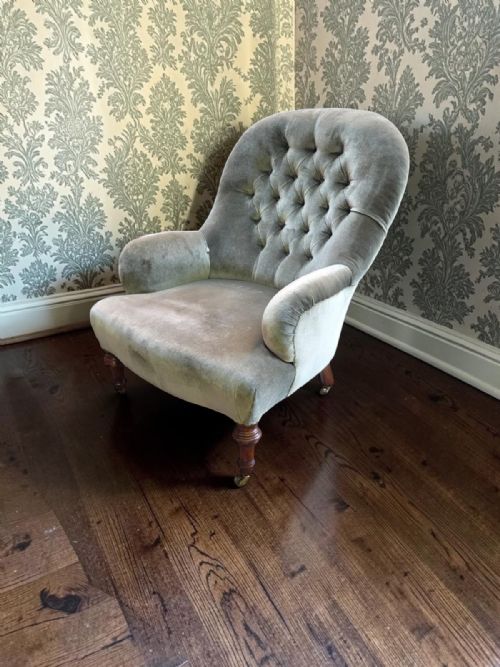
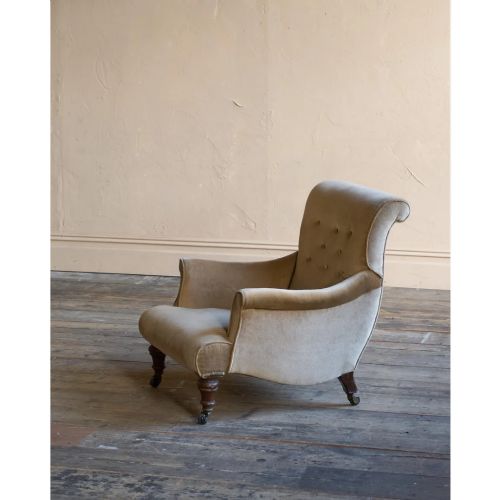
A low back upholstered armchair brings compact comfort and period character to a room, offering deep padding beneath low arm supports.
Materials and construction methods
Frames rely on solid timbers including mahogany, walnut, oak, and other hardwoods, providing structural integrity beneath the padding. Turned legs, barley twist supports, and aesthetic movement details often shape the lower frame.
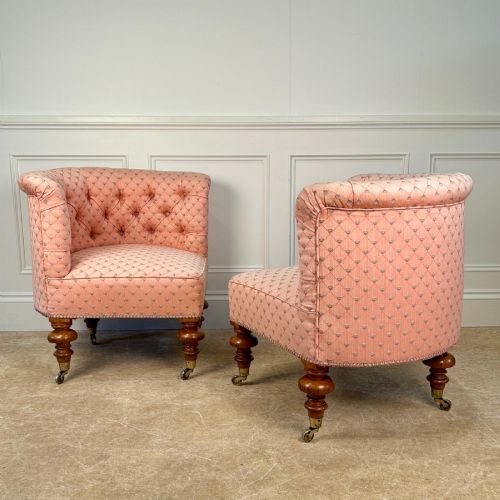
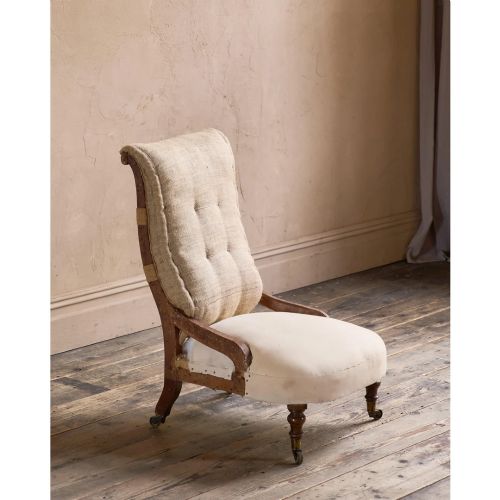
Upholstery foundations utilise traditional stuffing materials secured over webbing, with hessian and calico forming the internal layers. Outer covers feature velvet, cotton, or specialised designer textiles, frequently finished with brass castors on the feet.
Assessing build and upholstery quality
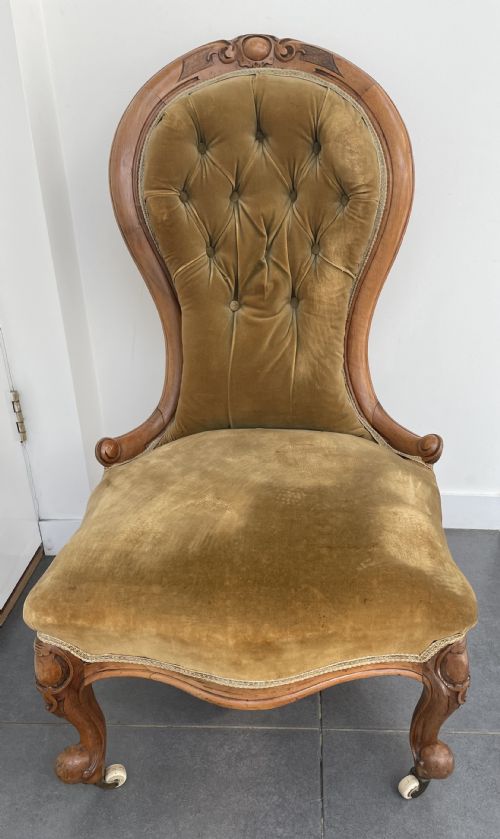
The refinement of the wooden frame separates standard workshop output from exceptional cabinet work, seen in carved walnut details and balanced proportions. Timber selection dictates the structural longevity of the piece before any fabric is applied.
Upholstery execution defines the tactile character of the seat, from firm buttoning to hand-tied spring systems where applicable. Pieces bearing maker stamps from established firms retain higher interest among collectors.
Barley twist frames bring a cheerful spiral rhythm to Victorian bedroom chairs.
Howard and Sons·C. Hindley and Sons·Gillows
The Low Back Upholstered Armchair Glossary
- Button back
- A style of upholstery where deep buttons are pulled through the padding in a diamond pattern to create tufted indentations. This technique secures the internal stuffing while adding formal texture to the backrest.
- Slipper chair
- A low-set bedroom chair traditionally designed without arms to allow a lady to sit comfortably while putting on shoes. These seats sit close to the floor on short legs.
- Tub chair
- An armchair featuring a continuous curved back and armrest in the shape of a basin. This enclosed form offers a snug seating posture.
- Nursing chair
- A low-seated Victorian armchair designed for comfort during infant feeding or quiet sewing tasks. The low stature kept the sitter stable near the hearth.
Low Back Upholstered Armchair: Frequently Asked Questions
Where do low back armchairs work best?
These compact seats fit easily into bedrooms, dressing rooms, and smaller reception spaces where tall furniture looks heavy. Their reduced height keeps sightlines open across a room.
They also pair well beside low fireplaces or tucked into reading corners where standard armchairs prove too large.
How do I identify a Victorian example?
Victorian pieces often feature turned walnut or mahogany frames, deep button upholstery, and substantive padding designed for parlour use. Look for ceramic castors and hand-turned wooden legs characteristic of the mid to late 19th century.
Craftsmanship from this era prioritized sturdy hardwood frames beneath heavy fabric layers to withstand daily sitting.
What is a slipper chair used for?
A slipper chair provides a low seating platform originally intended for bedroom dressing tasks. The absence of arms allowed heavy Victorian garments and shoes to be managed without restriction.
Today, they serve as accent seating in bedrooms or living areas due to their minimal footprint.
Are these chairs comfortable for daily use?
Most of these antique armchairs offer supportive padding and sprung or webbed bases suited for relaxing. Their low backs support the lower lumbar region effectively during brief periods of reading or conversation.
Upholstery condition varies by piece, so buyers often assess internal padding support when selecting a chair for regular sitting.