


Louis XVI Urn Lamps
Louis xvi urn lamps bring French neoclassical elegance to a room, combining classic urn forms with gilt bronze and marble mounts.
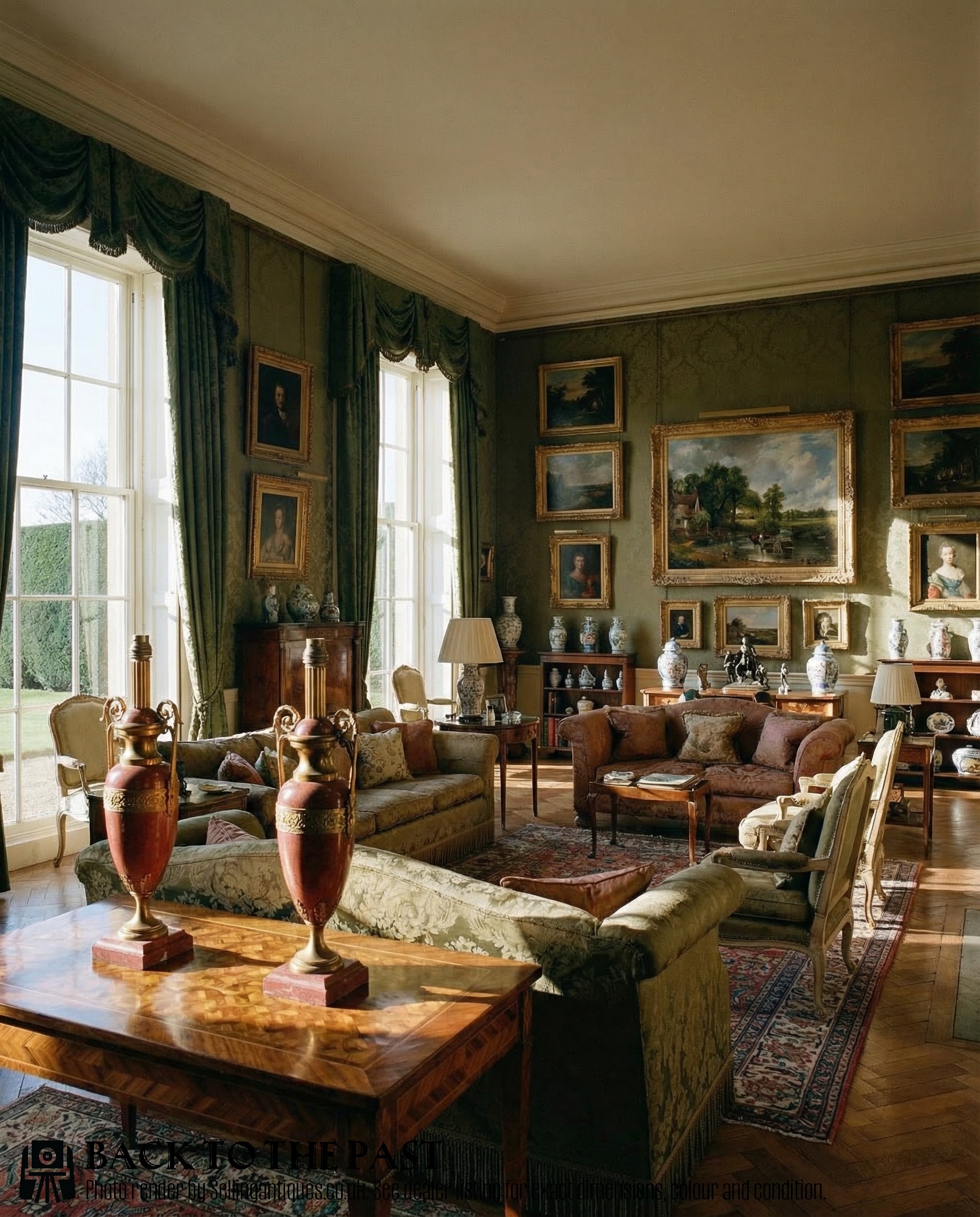
Louis XVI Urn Lamps
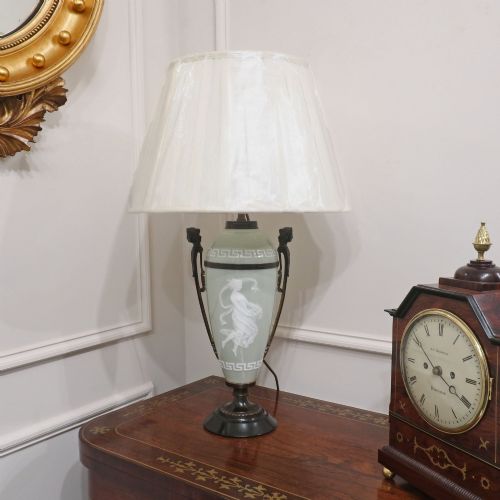
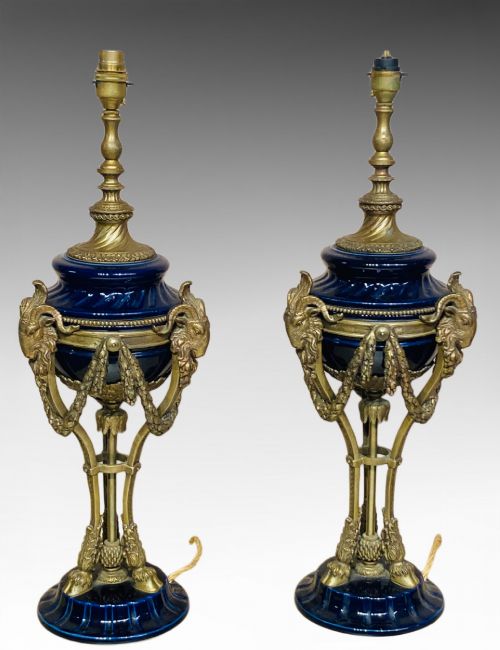
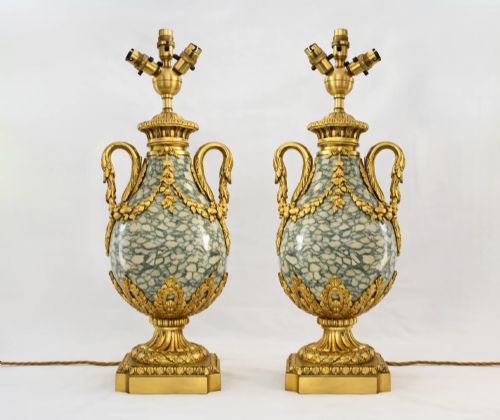
When you search for louis xvi urn lamps, you find decorative table lighting drawn from French classical design and later revival periods. These pieces transform traditional urns and cassolettes into functional lamps, often standing on marble bases.
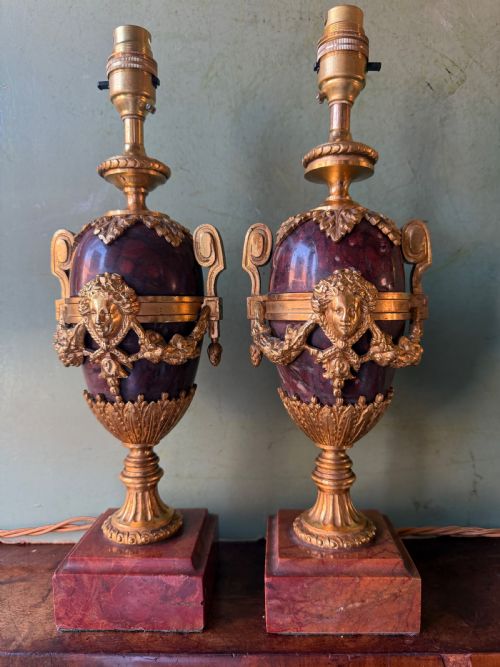
The versions most common on this page date from the nineteenth century into the early twentieth century, reflecting French Louis XVI style and revival aesthetics. They appear as single lights and symmetrical pairs, utilising materials such as rouge marble, white marble, and bronze.
Makers and workshops of the period adapted classic vase and urn shapes, mounting them with cast metal handles and foliage. The resulting pieces serve both as sculptural decorative objects and as practical room lighting.
How they were made
The construction of these lamps relies on the combination of turned or carved stone and cast metalwork. Artisans used white or rouge marble for the main urn body and base, providing weight and a smooth tactile finish.
Mounts, handles, and collars consist of cast bronze, ormolu, or gilt metal, secured to the stone components with threaded rods or pins. Fabric shades complete the assembly, casting light across the polished metallic surfaces.
Louis XVI Urn Lamps Retail Price Guide 2026
Typical asking prices for louis xvi urn lamps among the pieces listed under this phrase on Sellingantiques today, from the lower quarter to the upper quarter. They describe what is for sale here now, not the wider market.
Styles recorded across the inventory include French Neoclassical, Louis XVI Style, French Classical, and Louis XVI Revival.
What varies in quality
Quality in these lamps rests on the crispness of the bronze chasing and the selection of the marble. Finer examples show sharp relief in the cast ormolu mounts and dense, evenly figured stone.
The weight and proportion of the pieces also set standards apart, with superior items displaying balanced symmetry and substantial metal gauge. Lesser pieces may feature lighter stamped components rather than substantial cast bronze.
The Louis XVI Urn Lamps Glossary
- Ormolu
- Gilded bronze produced by applying a mercury-gilt amalgam to cast bronze. This technique creates a rich golden finish found on classical French mounts.
- Cassolette
- A decorative vessel shaped like an urn, often featuring a reversible lid that serves as a burner or a solid cover. In lighting, these vessels are converted into lamp bases.
- Pate sur pate
- A ceramic technique where wet white slip is built up in layers on a coloured clay body to create a low relief cameo effect. It appears on porcelain elements incorporated into French neoclassical lamps.
- Neoclassical
- A style spanning the eighteenth and nineteenth centuries that revived the classical motifs of ancient Greece and Rome. It prioritises symmetry, restraint, and architectural proportion.
Louis XVI Urn Lamps: Frequently Asked Questions
How do I wire an antique urn lamp?
Rewiring requires passing modern flex through the internal channel of the urn without damaging the stone or metal body. A qualified electrician should handle the task to ensure safety and preserve the antique mounts.
Most lamps accommodate standard brass lampholders fitted inside the upper collar. Care must be taken to protect any fragile porcelain or marble during assembly.
What is the difference between ormolu and gilt bronze?
Ormolu specifically refers to mercury gilding applied to bronze during the eighteenth and nineteenth centuries. The process produces a deep, durable lustre distinct from modern electroplating.
Gilt bronze is a broader term that encompasses any bronze object finished with a layer of gold. Both terms describe the golden metal mounts seen on French classical lamps.
How do I clean marble and ormolu bases?
Dust marble gently with a dry, soft cloth to prevent dirt settling into the stone pores. Avoid acidic cleaners that can etch the polished surface.
Clean ormolu mounts with a dry brush, keeping moisture away from gilded areas. Harsh polishing compounds will wear away the historic gold layer.
Are these lamps usually found as pairs?
Many examples survive as balanced pairs, having been placed originally on sideboards or mantelpieces. Pairs remain sought after for lighting symmetrical spaces such as side tables.
Single lamps also appear, often adapted from decorative garniture sets. Both formats offer distinct placement options depending on room layout.