


Louis XVI Style
Louis xvi style pieces bring classic neoclassical elegance and restrained symmetry into domestic interiors through gilded mirrors, elegant seating, and marble-topped cabinetry.
Louis XVI Style
When searching for louis xvi style, buyers encounter refined furnishings characterised by straight lines, classical motifs, and architectural symmetry, moving away from ornate curves.
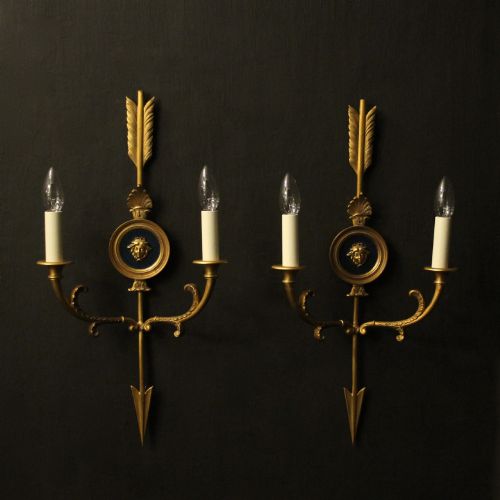
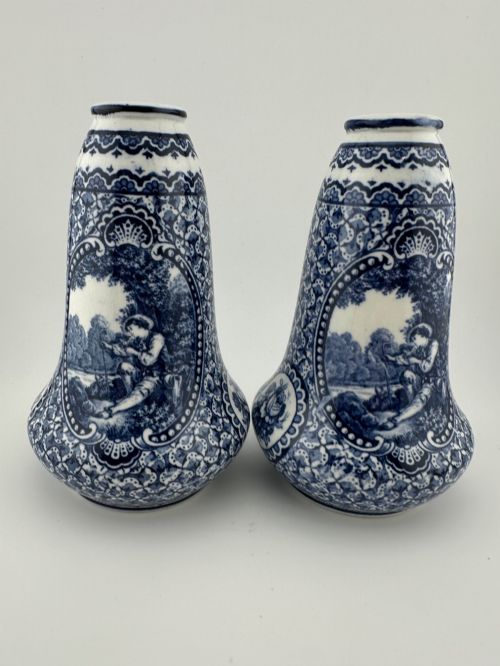
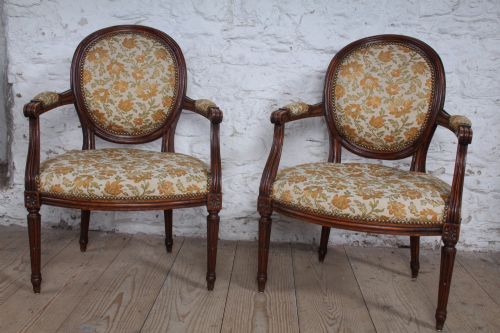
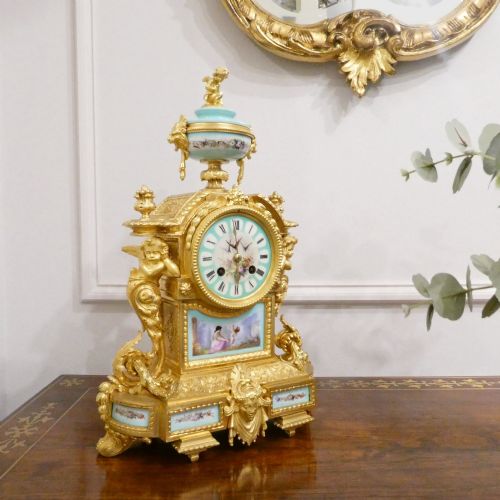
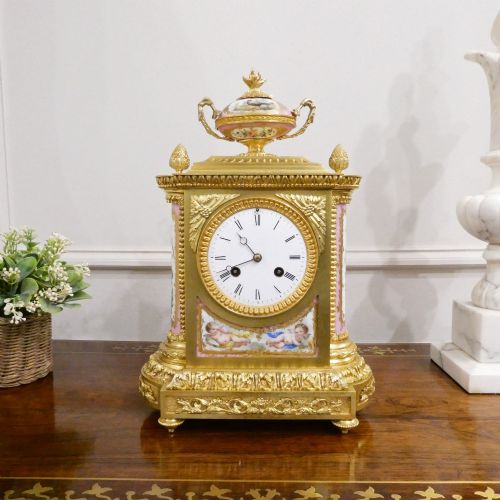
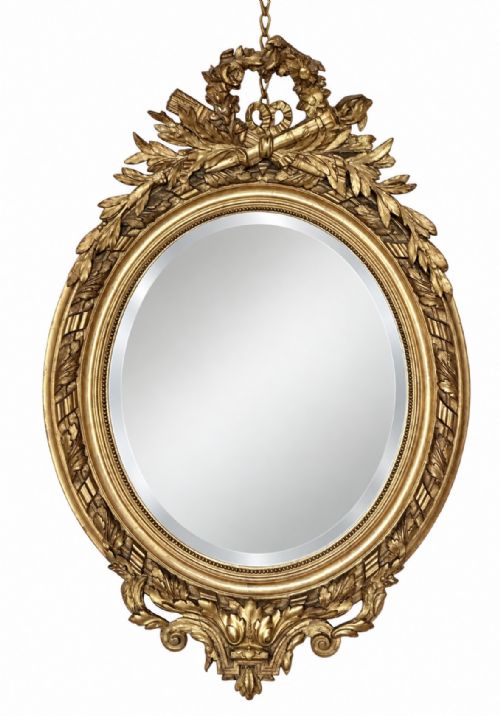
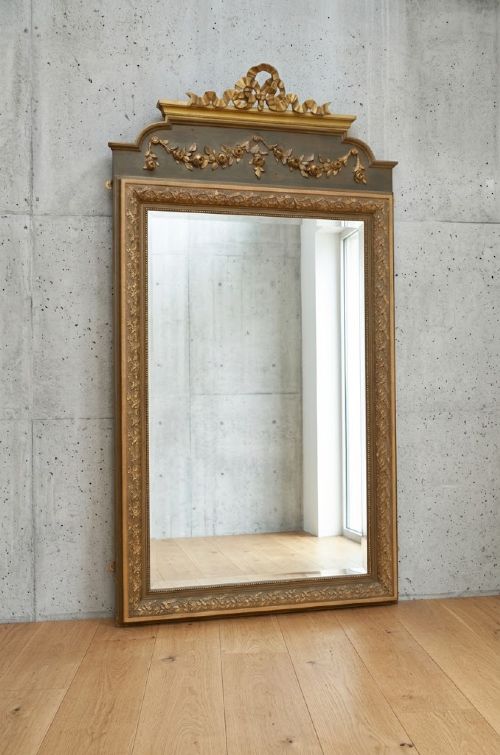
The pieces appearing most frequently range from gilded wall mirrors and carved armchairs to marble-topped commodes and bronze-mounted mantel clocks.
Originating largely from nineteenth-century revivals and twentieth-century interpretations, these items draw directly upon eighteenth-century French neoclassical design principles.
Materials and Construction
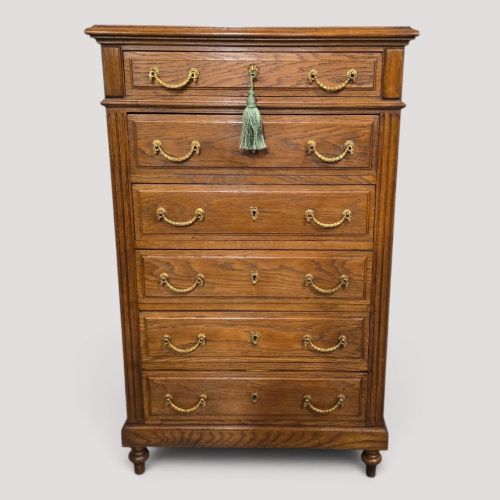
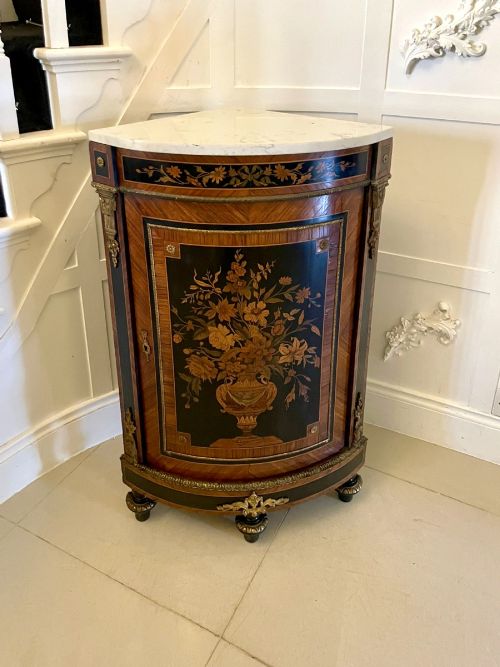
Makers utilised rich hardwoods such as mahogany and oak, frequently embellished with intricate marquetry or finished in painted and giltwood surfaces.
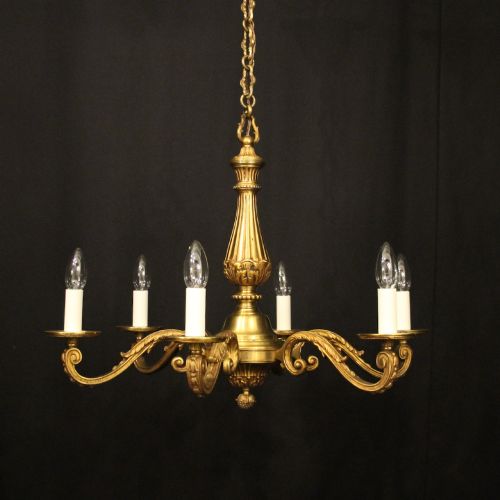
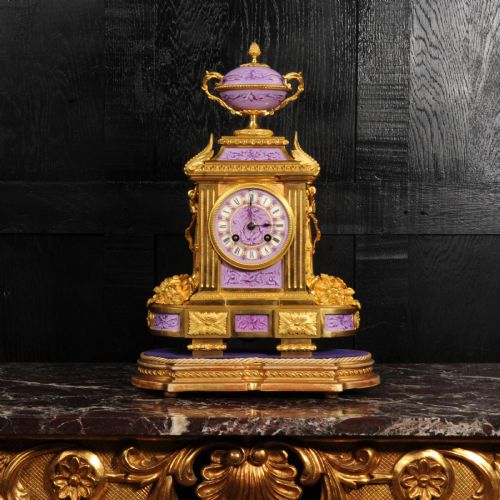
Cast bronze and ormolu mounts, often combined with white or rouge marble tops and porcelain plaques, provide the distinct metallic contrast characteristic of the aesthetic.
Assessing Quality
The distinction between tiers rests upon the crispness of the wood carving, the weight and hand-chasing of the bronze ormolu mounts, and the integrity of original mercury glass or gilding.
Fine examples demonstrate seamless joinery in cabinetry, balanced proportions in seating frames, and authentic period materials rather than later synthetic replacements.
Achille Brocot·Henry Marc·Japy Freres·François Linke·E F Caldwell·Felix Alfred Ternisien
The Louis XVI Style Glossary
- Ormolu
- Gilded bronze used extensively for decorative mounts, furniture feet, and clock surrounds. This technique involves applying a gold amalgam to bronze before firing.
- Giltwood
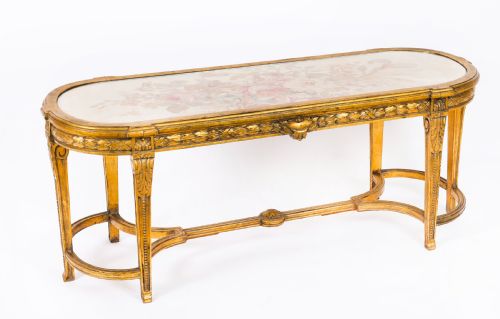
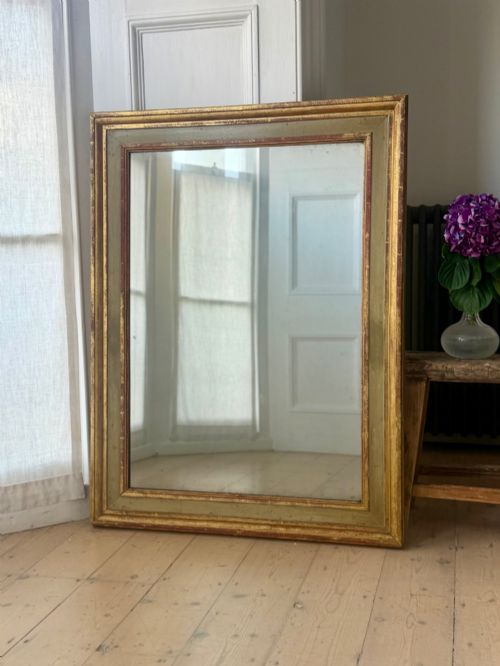
- Timber carved and coated with a thin layer of gold leaf. It defines the lustrous surfaces of mirrors and salon chairs.
- Commode
- A decorative chest of drawers, frequently fitted with a marble top and intricate brass or bronze handles. These serve as prominent storage pieces in reception rooms.
- Bergère
- An enclosed upholstered armchair with wooden sides and an exposed frame. These seats often feature canework or padded armrests.
- Marquetry
- The art of applying small pieces of veneer to a structure to form decorative patterns. Craftsmen utilise various coloured woods to create geometric or floral scenes.
Louis XVI Style: Frequently Asked Questions
Are these pieces from the eighteenth century?
Most items found on the market stem from nineteenth-century revivals, particularly the mid-to-late eighteen hundreds and early nineteen hundreds. Artisans during these later periods meticulously copied original royal designs.
True eighteenth-century examples exist but appear less frequently than nineteenth-century revival interpretations.
Where should I place a marble-topped commode?
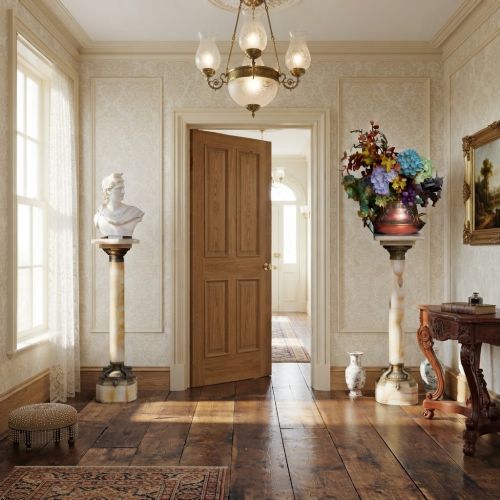
These chests of drawers suit hallways, drawing rooms, or dining spaces where their decorative stone surfaces receive adequate visibility. Their flat tops provide ideal display areas for lamps or clocks.
Ensure the room humidity remains stable to protect the underlying wood veneers and polished stone.
How do I care for giltwood and ormolu?
Dust surfaces gently with a soft, dry brush to prevent scratching the delicate gold leaf or bronze patination. Avoid liquid cleaning products entirely.
Professional restoration should be consulted if the gilding flakes or the structural frame requires tightening.