


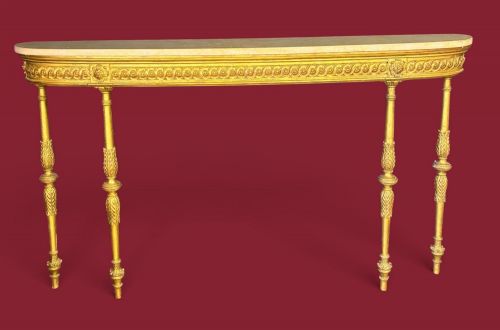


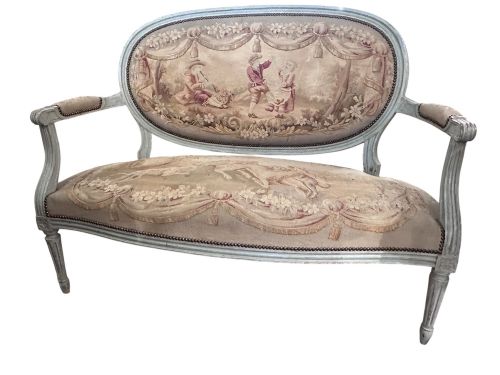

Louis XVI Style Sofa
A louis xvi style sofa brings classical restraint and neoclassical elegance to a room through crisp lines and refined carving.
Louis XVI Style Sofa
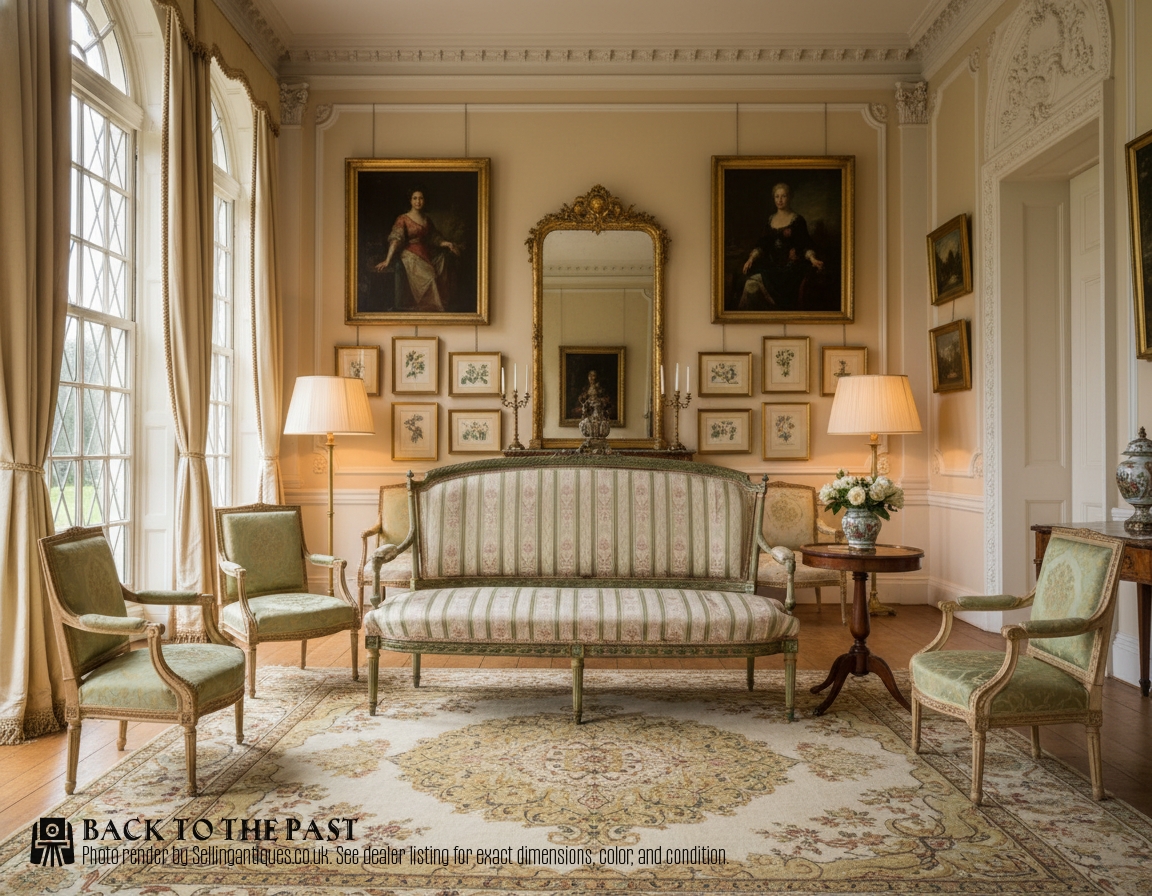
A louis xvi style sofa draws on the neoclassical shift away from rococo curves towards straight lines, symmetry, and geometric forms. When you search for a louis xvi style sofa, you find seating defined by fluted legs, rectangular backs, and architectural proportions.
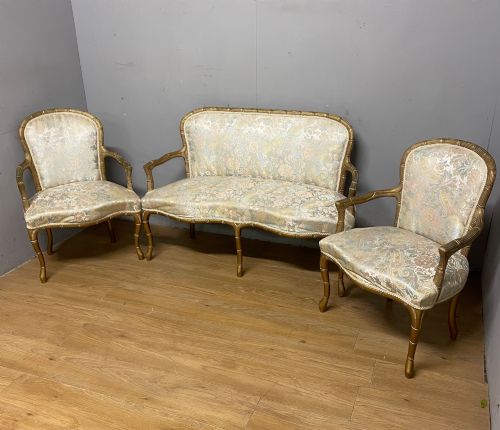
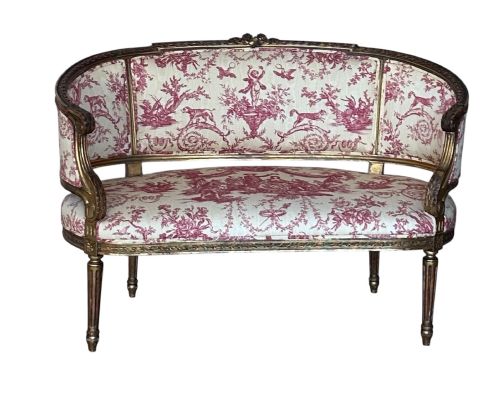
The pieces on this page span the nineteenth century and the early twentieth century, taking the form of large salon sofas, two-seat canapes, and daybeds. French makers predominantly produced these designs, working in beech, walnut, and giltwood.
Most examples you meet here are revival pieces from the eighteen-seventies up to nineteen-thirty, capturing the proportion and ornamental vocabulary of the eighteenth-century original without the extreme age.
Materials and Construction
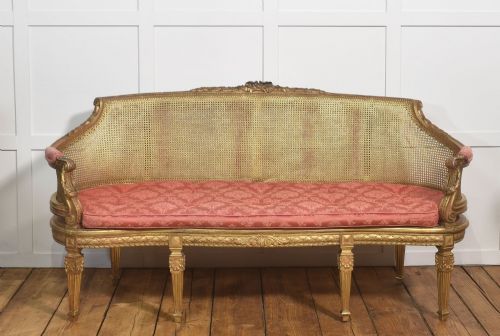
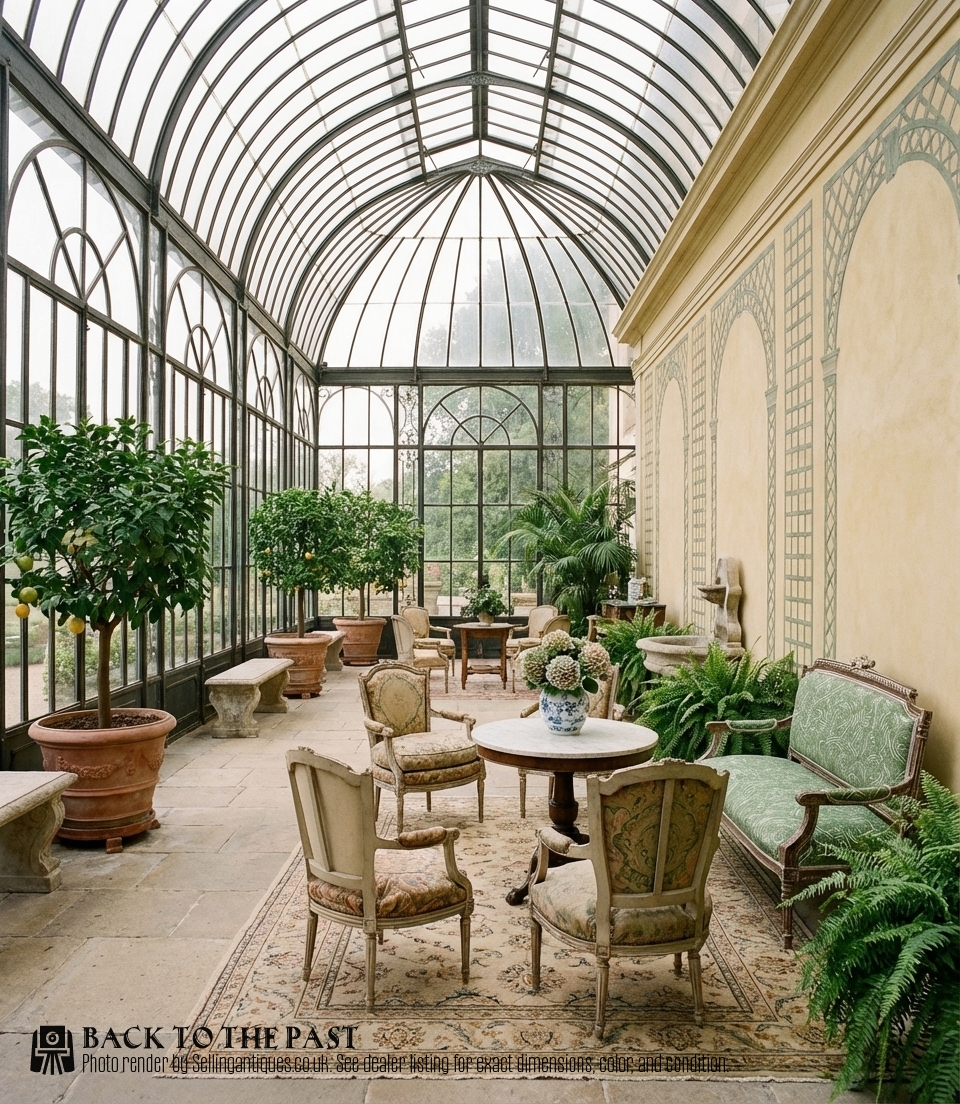
Frames are constructed from hardwoods such as beech and walnut, frequently finished with gesso and gold leaf to create a rich giltwood surface, or layered with original paint. Carved wood details include classical motifs like acanthus leaves, ribbons, and fluting along the rails and arm supports.
Upholstery relies on traditional textiles including damask fabric, linen, and woven textiles, while several pieces incorporate woven cane panels within the backrest or sides. Joinery combines traditional cabinet-making techniques with robust internal framing to support large multi-seat proportions.
Louis XVI Style Sofa Retail Price Guide 2026
Typical asking prices for louis xvi style sofa among the pieces listed under this phrase on Sellingantiques today, from the lower quarter to the upper quarter. They describe what is for sale here now, not the wider market.
Listings feature pieces spanning the nineteenth century up to nineteen-thirty, utilising giltwood, beech, walnut, cane, and damask fabric.
Assessing Quality
Quality rests in the crispness of the hand-carved ornamentation and the depth of the gilding or paint layering on the wooden frame. Superior pieces display finely articulated fluting and sharply defined floral motifs rather than soft, cast composition ornament.
The integrity of the structural joinery and the survival of original cane or period textile upholstery elevate an example above standard production. Proportion and balance also dictate merit, separating stately salon pieces from heavier or clumsily scaled alternatives.
The Louis XVI Style Sofa Glossary
- Giltwood
- Wood coated with a thin layer of gold leaf over gesso. It provides a bright, reflective finish typical of formal French seating.
- Canapé
- A traditional French term for a decorative sofa or settee. These pieces often feature exposed wooden frames and upholstered seats.
- Gesso
- A plaster-like mixture applied to wood surfaces as a base for gilding or painting. It allows craftsmen to carve fine details before applying finish.
- Cane
- Woven material made from peeled rattan strips. It appears on the backs and sides of light salon seating for a breathable panel effect.
- Damask
- A reversible figured fabric woven on a jacquard loom. It is frequently used for formal upholstery on nineteenth-century revival furniture.
Louis XVI Style Sofa: Frequently Asked Questions
How do I identify a revival piece?
Revival pieces from the nineteenth and early twentieth centuries show secondary wood characteristics and machine-assisted joinery alongside hand carving. They replicate eighteenth-century classical forms with nineteenth-century structural methods.
Examining the underside and framing reveals the age of the timber and the consistency of the gesso preparation. The presence of nineteenth-century hardware helps confirm the date of manufacture.
What is a canape sofa?
A canape is a decorative French settee designed for formal reception rooms rather than heavy lounging. These seats feature exposed, carved wooden frames and open arms.
They generally accommodate two or three people and stand on straight, fluted legs. The style emphasises architectural symmetry over deep upholstery padding.
Where should I place a giltwood settee?
A giltwood settee suits reception rooms, drawing rooms, or large bedrooms where its reflective metallic finish can catch the light. It functions well as a focal point against neutral walls.
Keep these pieces away from direct sunlight to protect the fragile gold leaf and delicate textile upholstery. Pair them with complementary classical furniture to maintain historical balance.
Are these sofas comfortable?
These sofas offer an upright, supportive sit rather than deep, sink-in comfort. Their original purpose was formal entertaining and polite conversation.
Spring or webbing interiors vary by piece, with nineteenth-century examples often providing firm support. Adding matching cushions can soften the seating experience without altering the silhouette.