


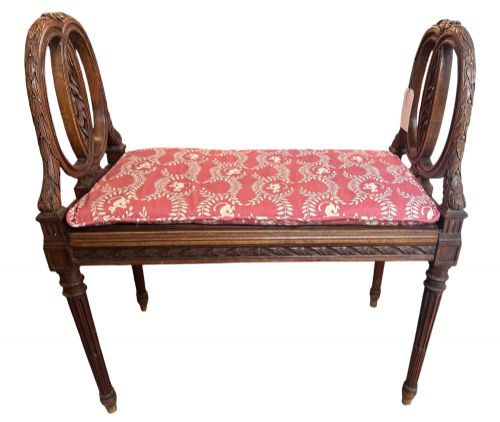


Louis XVI Style Bench
A louis xvi style bench offers neoclassical elegance, bringing refined French seating from the eighteenth-century revival periods into modern rooms.
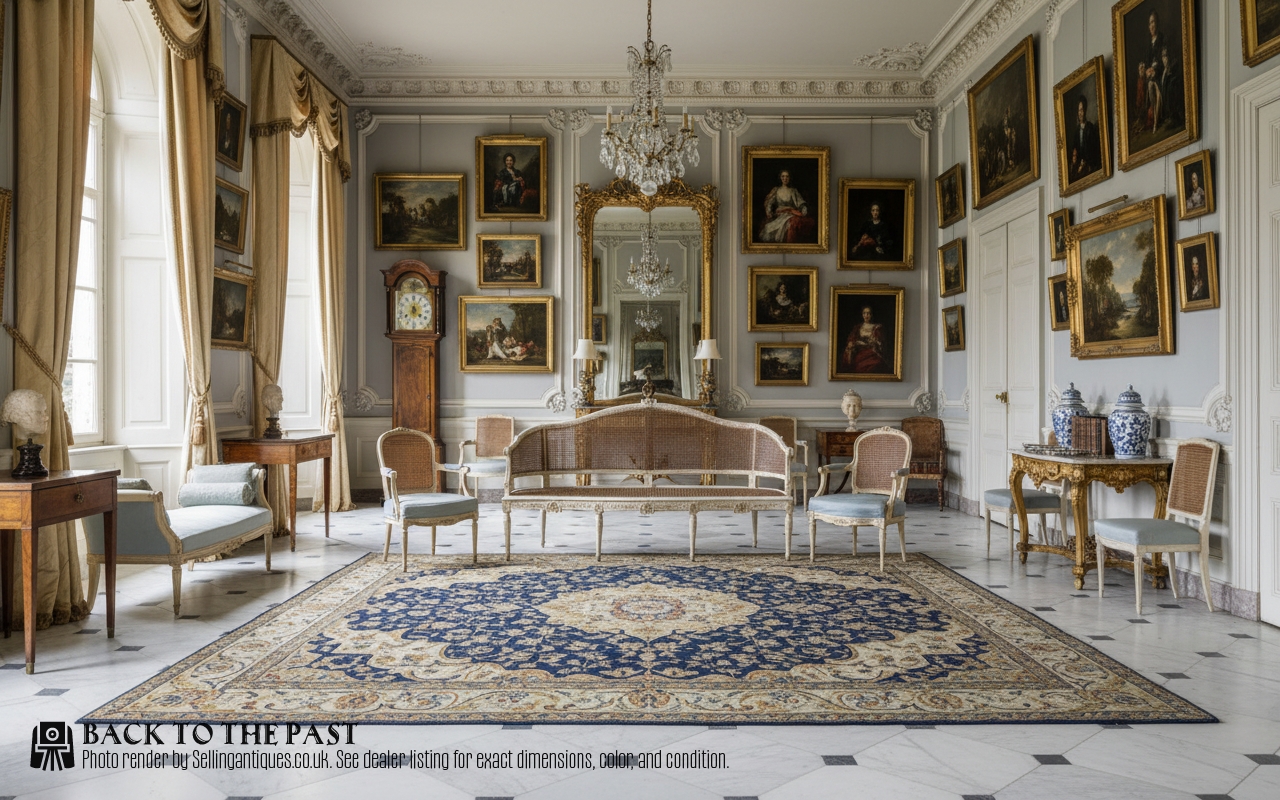
Louis XVI Style Bench
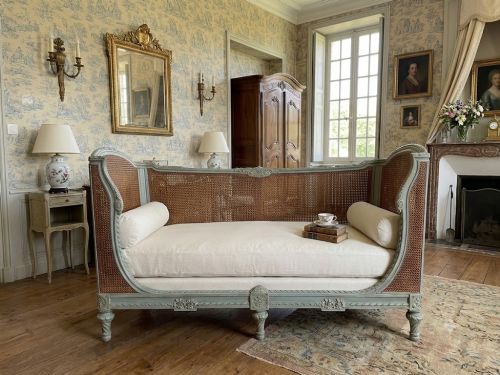
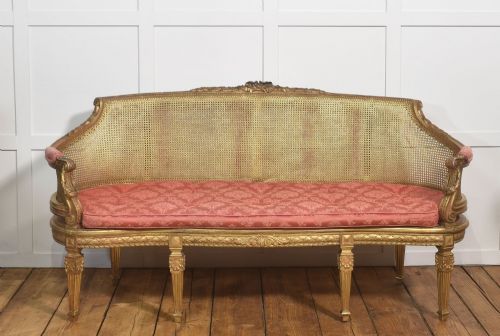
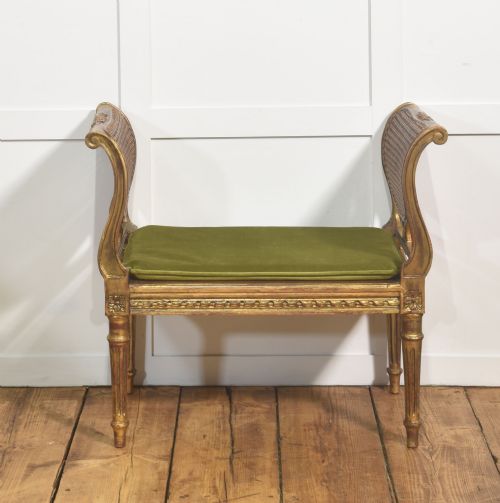
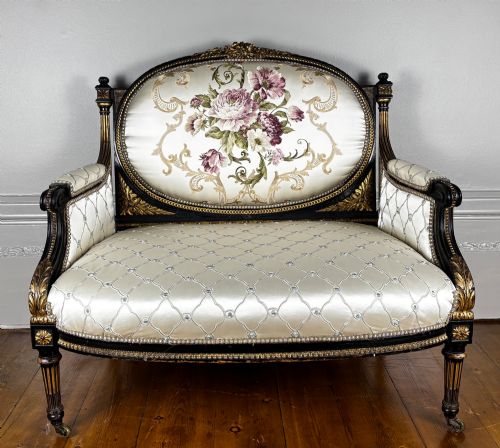
A louis xvi style bench encompasses a range of seating forms including window seats, banquettes, and small settees. These pieces draw upon eighteenth-century French design principles, though the examples met on this page originate predominantly from nineteenth-century revivals and early twentieth-century workshops.
Makers fashioned these seats as decorative furnishings for salons and bedrooms, utilising compact proportions and formal symmetry. The inventory demonstrates varied configurations, from single stools to multi-seat sofas and daybeds.
The aesthetic leans heavily on French neoclassical and Gustavian influences, displaying clean structural lines distinct from earlier rococo curves. Pieces often adopt rectangular profiles and formal framing suited to classic interiors.

Craftsmanship and Proportion
Quality rests in the crispness of the wood carving and the integrity of the structural joints. Superior examples exhibit finely detailed fluted legs and balanced proportions that reflect rigorous adherence to classical proportions.
The execution of surface finishes, whether genuine gilding or layered paintwork, distinguishes standard production from finer cabinet work. Original cane work and intact texturing elevate the standing of a piece.
Louis XVI Style Bench Retail Price Guide 2026
Typical asking prices for louis xvi style bench among the pieces listed under this phrase on Sellingantiques today, from the lower quarter to the upper quarter. They describe what is for sale here now, not the wider market.
Listings feature items spanning the eighteenth century through to the 1930s, constructed from giltwood, beech, walnut, and cane.
The Louis XVI Style Bench Glossary
- Canapé
- An upholstered French sofa or settee designed for multiple occupants. These items often share the structural vocabulary of matching armchairs.
- Giltwood
- Timber treated with a thin layer of gold leaf applied over a prepared gesso ground. This technique provides a luminous metallic finish popular in formal neoclassical seating.
- Banquette
- A long upholstered bench without a back, or with low arm supports. These were frequently placed in hallways or beneath windows.
- Gustavian
- The Swedish interpretation of French neoclassical design, characterised by lighter painted finishes and restrained ornamentation. It shares the straight lines typical of Louis XVI aesthetics.
- Bergere
- An enclosed upholstered armchair or settee featuring wooden frames and stuffed upholstery. The style provides substantial comfort while maintaining a formal silhouette.
Louis XVI Style Bench: Frequently Asked Questions
Where should I place a bench?
These seats suit bedroom ends, hallways, or beneath large windows where low profiles do not obstruct natural light. Their formal silhouettes work well in traditional drawing rooms.
Positioning them away from direct heat sources protects the timber frames and delicate surface treatments from cracking over time.
How do I identify the period?
Look closely at the joinery, tool marks, and wear patterns on the wood frame. Nineteenth-century revival pieces often employ machine-assisted cutting alongside hand carving.
Finish layers and upholstery tack styles provide additional clues to whether a piece dates to the nineteenth-century revival era or later twentieth-century production.
Can I reupholster these seats?
Traditional upholstery methods can be renewed using appropriate period fabrics such as linen or patterned textiles. Maintaining the original webbing and spring systems preserves the historical integrity of the piece.
Consulting a specialist ensures that the fabric choice respects the neoclassical aesthetic of the wooden frame.
What is the difference between a window seat and a settee?
Window seats generally feature backless or low-backed designs tailored for placement beneath window ledges. Settees incorporate taller backs and armrests intended for social seating.
Both forms share the characteristic fluted legs and neoclassical detailing associated with this style of furniture.