
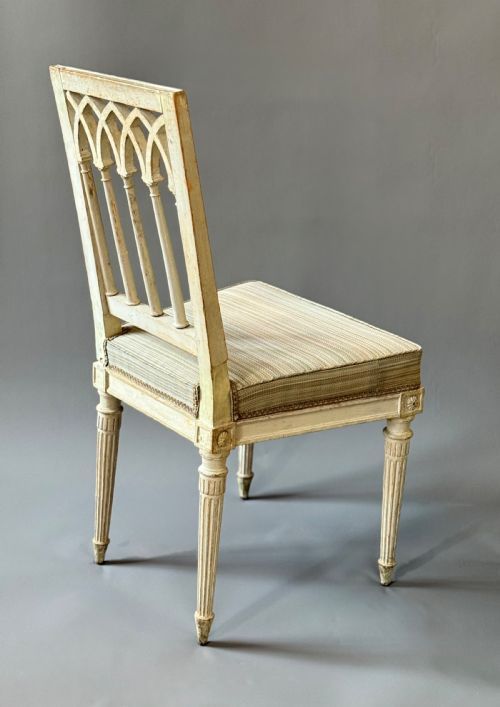
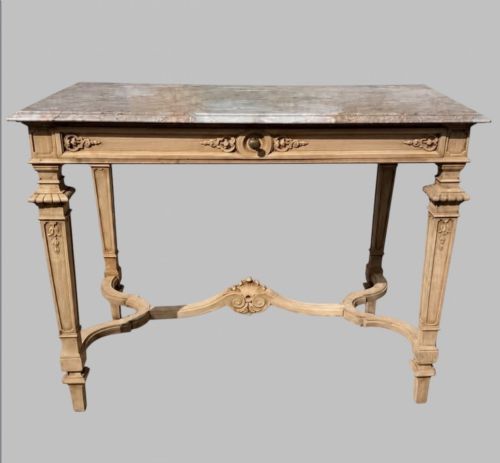
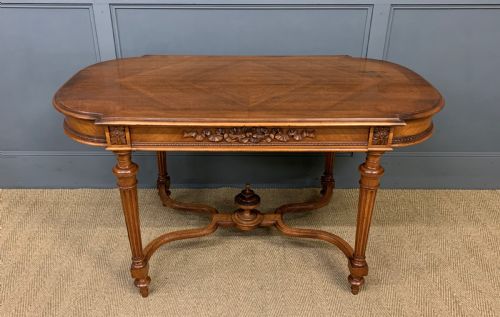
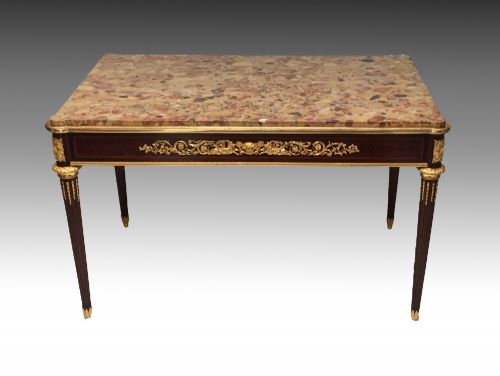




Louis XVI Side Desk
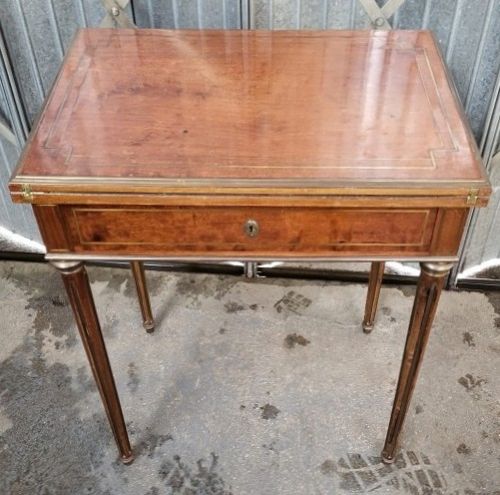
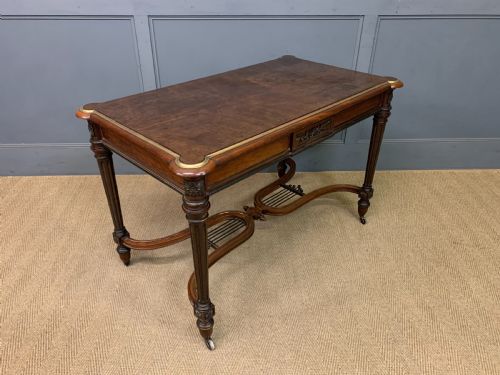
A louis xvi side desk brings neoclassical symmetry and refined proportions into a room, offering a functional writing surface framed in fine veneers and metal mounts.
Louis XVI Side Desk
When searching for a louis xvi side desk, buyers encounter elegant writing tables, bureaus plats, and occasional pieces originating mainly from the nineteenth century alongside eighteenth-century examples. These items reflect French neoclassical and revival design, often featuring rectangular or serpentine forms designed for domestic study or reception rooms.
The selection frequently includes pieces created in the Louis XVI style and revival periods, drawing upon historical models associated with cabinetmakers like François Linke and Alphonse Tahan. Walnut, mahogany, and kingwood appear alongside marble tops and gilt bronze mounts, defining the character of the surviving furniture.
Materials and Construction Techniques
Cabinetmakers constructed these desks using solid timbers like mahogany, walnut, and cherry wood as carcase foundations, often applying intricate kingwood and tulipwood veneers in geometric parquetry or floral marquetry patterns. Brass and ormolu mounts were cast and chased to accentuate structural corners, aprons, and leg mounts.
Surfaces frequently incorporate inset marble slabs, leather writing panels, or hand-painted details, combining functional durability with decorative refinement. Joinery relies on traditional framing techniques suited to supporting heavy stone tops and cast metal enrichment.
Some tables double as wine coolers, proving that eighteenth-century hosts took refreshment very seriously.
Distinctions in Execution and Detail
The refinement of the cast ormolu mounts separates standard production from exceptional pieces, as finer items display crisp chasing and deep articulation in the bronze work. The precision of the veneer matching and the complexity of the marquetry inlay further distinguish the workshop output.
Structural integrity depends on the quality of the primary hardwoods and the preservation of the original marble or leather surfaces. Pieces associated closely with notable makers or specific archival models command greater attention for their adherence to classical proportions.
Francoise Linke·Alphonse Tahan·Jean Demosthene Dugourc
The Louis XVI Side Desk Glossary
- Ormolu
- Gilded bronze used for decorative mounts and accents on furniture. This technique involves applying a gold amalgam to bronze before firing.
- Bureau plat
- A freestanding writing table finished on all sides with a flat top, typically featuring drawers within the frieze.
- Marquetry
- Decorative patterns formed by the insertion of different coloured wood veneers into a prepared wood ground.
- Parquetry
- Geometric patterns created with wood veneers, frequently arranged in checkerboard or cube designs across tabletops.
Louis XVI Side Desk: Frequently Asked Questions
What distinguishes a louis xvi side desk from a centre table?
A side desk typically incorporates drawers and a dedicated writing surface, often intended to stand against a wall or within a study. Centre tables are designed to be viewed from all sides as freestanding objects.
While both share neoclassical design elements and ormolu mounts, their functional arrangement dictates their placement within a room layout.
How do I identify the revival period in these desks?
Nineteenth-century revival pieces display mechanical consistency, machine-cut elements, and wood ageing patterns characteristic of the Victorian era. They interpret eighteenth-century aesthetics with distinct nineteenth-century construction methods.
Makers working in this revival style often utilised stamped brass mounts and specific veneer combinations typical of European workshops after eighteen fifty.
Where should I place a marble-topped writing table?
Marble-topped tables suit well-lit studies, drawing rooms, or hallways where their stone surfaces and gilt bronze mounts catch ambient light. The stone provides a durable, cool surface for display objects or occasional writing.
Ensure the floor beneath is level to support the combined weight of the timber frame and the stone top safely.
Are these desks suitable for daily writing use?
Most surviving examples function well for modern writing tasks, provided the leather or wood surface is treated with care. Many include integrated drawers for storing stationery and writing implements.
Maintenance involves protecting timber finishes from direct sunlight and cleaning ormolu mounts with dry, soft cloths.