





Louis XVI Revival Cabinet
Louis xvi revival cabinet designs bring neoclassical symmetry and fine ormolu mounts to French-inspired interiors.
Louis XVI Revival Cabinet
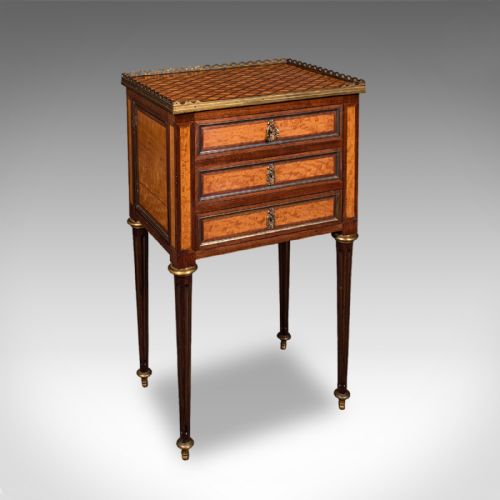
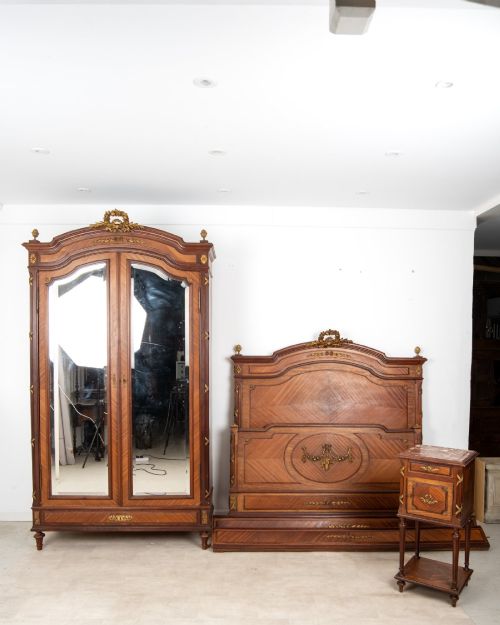
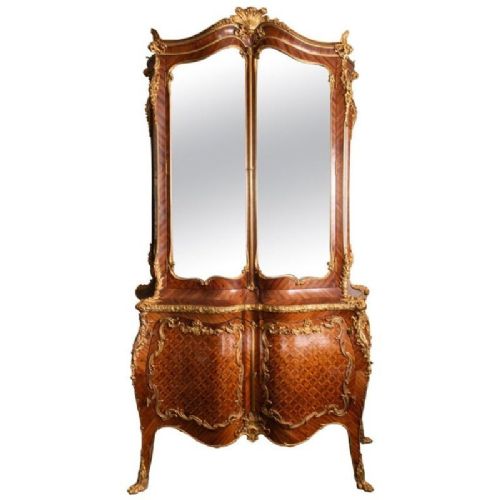
A louis xvi revival cabinet represents nineteenth-century historicism at its most refined, drawing upon eighteenth-century French classicism. Buyers searching this phrase encounter side cabinets, pier cabinets, credenzas, and glazed vitrines spanning the nineteenth century up to nineteen thirty. The forms range from modest Victorian burr walnut credenzas to monumental pairs set with pietra dura panels.
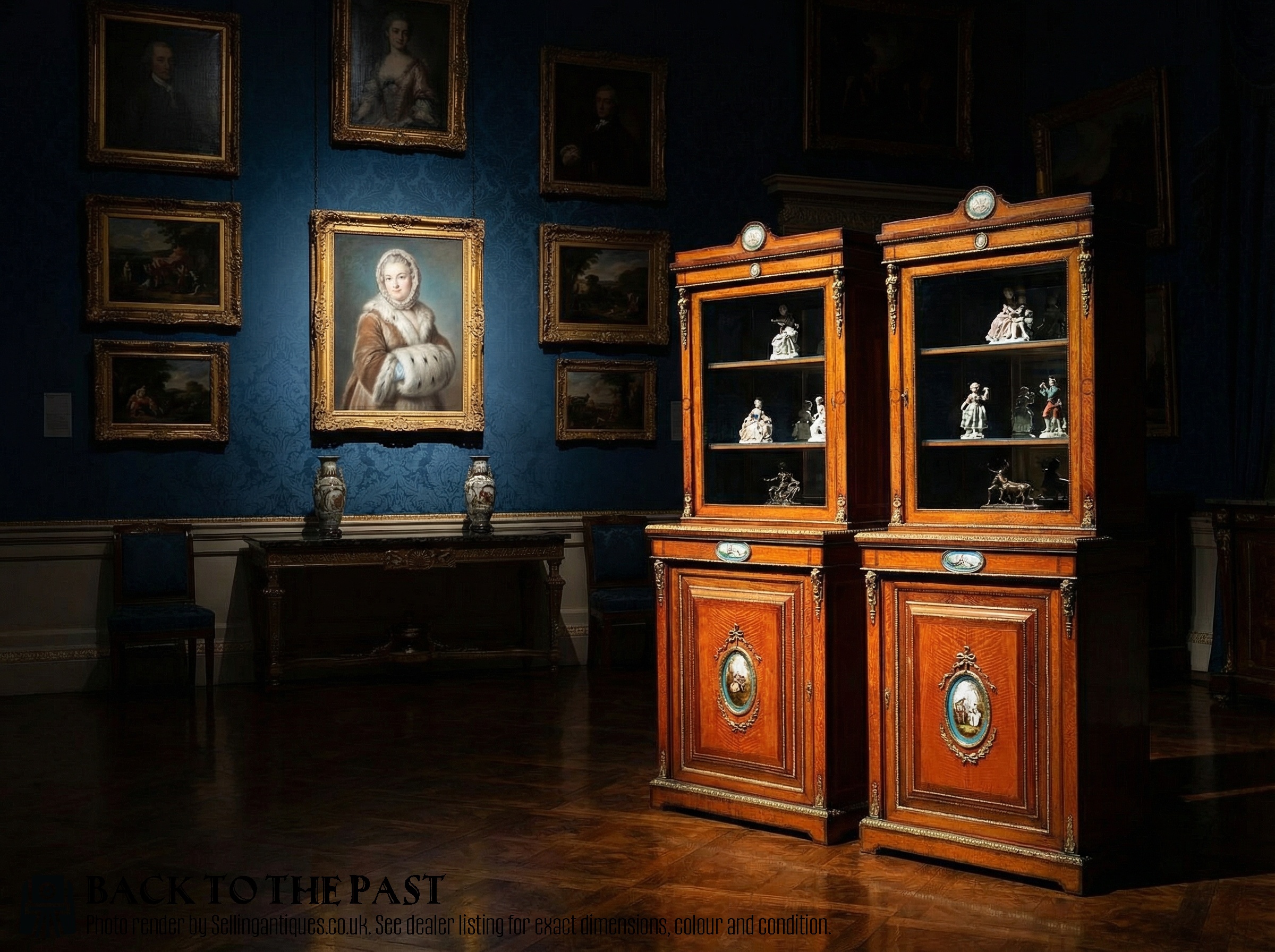
The nineteenth-century revival pieces dominate this selection, frequently exhibiting French Napoleon III influences alongside traditional Louis XVI styling. These low storage pieces often feature symmetrical configurations, rectilinear silhouettes, and classical proportions. Ormolu mounts and inset plaques provide the characteristic decorative finish across the various cabinet forms.
What varies in quality
The distinction between ordinary and exceptional examples rests upon the crispness of the bronze ormolu casting and the precision of the timber inlay. Finer cabinets display hand-chiselled detailing in the metalwork and meticulous matching of burr walnut or satinwood veneers. Signed pieces by established makers such as Paul Sormani demonstrate superior workshop execution.
The integration of decorative elements dictates the overall harmony of the piece. High-quality cabinets feature porcelain plaques and pietra dura work that fit seamlessly into the surrounding woodwork without awkward gaps. The weight and thickness of the marble tops and the fidelity of the classical proportions further elevate the standing of a cabinet.
Louis XVI Revival Cabinet Retail Price Guide 2026
Typical asking prices for louis xvi revival cabinet among the pieces listed under this phrase on Sellingantiques today, from the lower quarter to the upper quarter. They describe what is for sale here now, not the wider market.
Nineteenth-century craftsmen occasionally signed their bronze mounts in hidden places, leaving small signatures for future generations to discover.
Paul Sormani
The Louis XVI Revival Cabinet Glossary
- Ormolu
- Gilt bronze mounts used extensively for decorative embellishment on nineteenth-century French furniture. The technique involves applying a gold amalgam to bronze before heating.
- Pietra dura
- An artistic technique using cut and fitted polished coloured stones to create geometric or figurative designs. These panels appear inset into luxury nineteenth-century cabinet doors.
- Vitrine
- A glass-fronted display cabinet designed for showcasing porcelain and precious objects. These pieces often feature glazed side panels alongside front doors.
- Credenza
- A low dining or drawing-room cabinet used for storage and display. Victorian and French examples frequently incorporate porcelain plaques and marquetry.
- Marquetry
- Decorative patterns formed by inserting thin veneers of different coloured woods into a timber carcass. This technique defines the surface of inlaid walnut side cabinets.
Louis XVI Revival Cabinet: Frequently Asked Questions
What is a louis xvi revival cabinet?
A louis xvi revival cabinet is a nineteenth-century furniture piece inspired by the neoclassical style of Louis the Sixteenth's reign. These items combine classical symmetry with rich materials like ormolu and porcelain plaques.
Cabinet makers during the nineteenth century reinterpreted these eighteenth-century designs to suit Victorian and Napoleon III drawing rooms. They serve as both functional storage and decorative focal points.
How were these cabinets used originally?
These cabinets functioned primarily as elegant storage and display furniture in formal reception rooms. The top surface held decorative bronzes or clocks, while enclosed cupboards stored linens or papers.
Glazed variants and credenzas allowed collectors to exhibit prized porcelain and glassware behind locked doors. Their low profile ensured they did not obstruct wall paintings or mirrors.
Where do porcelain plaques come from?
The porcelain plaques seen on these cabinets are typically Sevres style decorative inserts. French and English workshops produced these painted ceramic panels to mimic royal Sevres porcelain.
They depict pastoral scenes or floral motifs framed by gilt bronze mounts. Their inclusion marks the cabinet as a luxury production.
How do I style a cabinet at home?
Place a side cabinet or pier cabinet against a main wall in a living room or hallway where its classical proportions can shine. Keep the surface uncluttered with perhaps a single bronze or lamp.
Pair the rich wood tones and gilt mounts with neutral walls to let the marquetry and ormolu catch the light. Ensure the piece sits away from direct heat sources to protect the veneers.