





Louis XVI Bed Frame
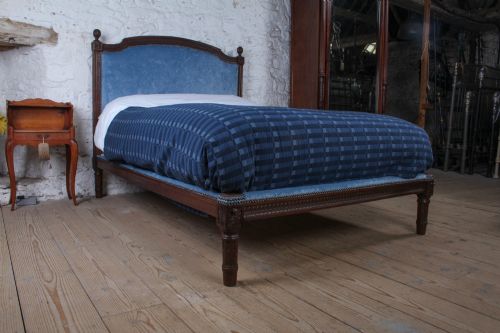
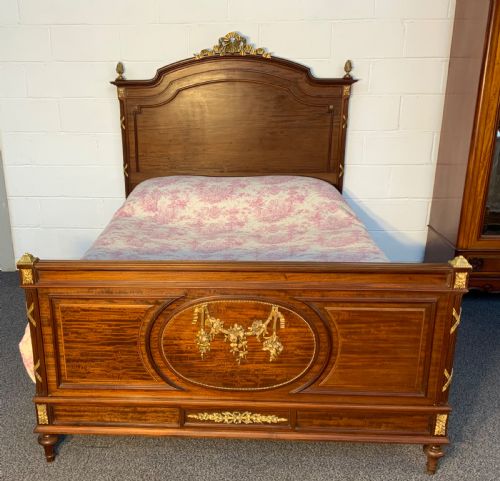
A louis xvi bed frame brings classical proportion and restrained neoclassical symmetry directly into the bedroom.
Louis XVI Bed Frame
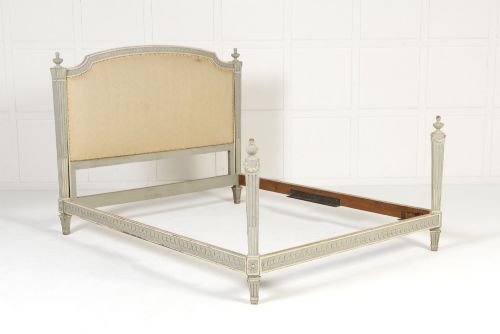
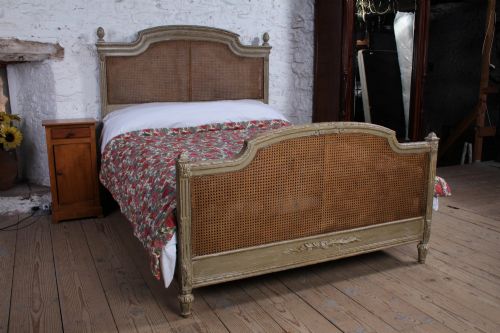
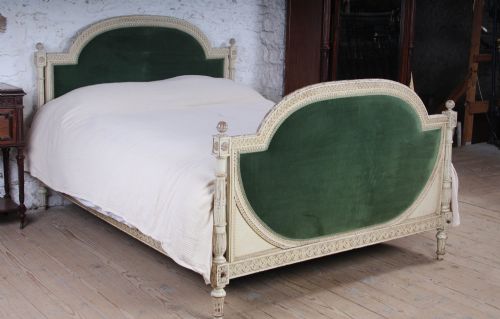
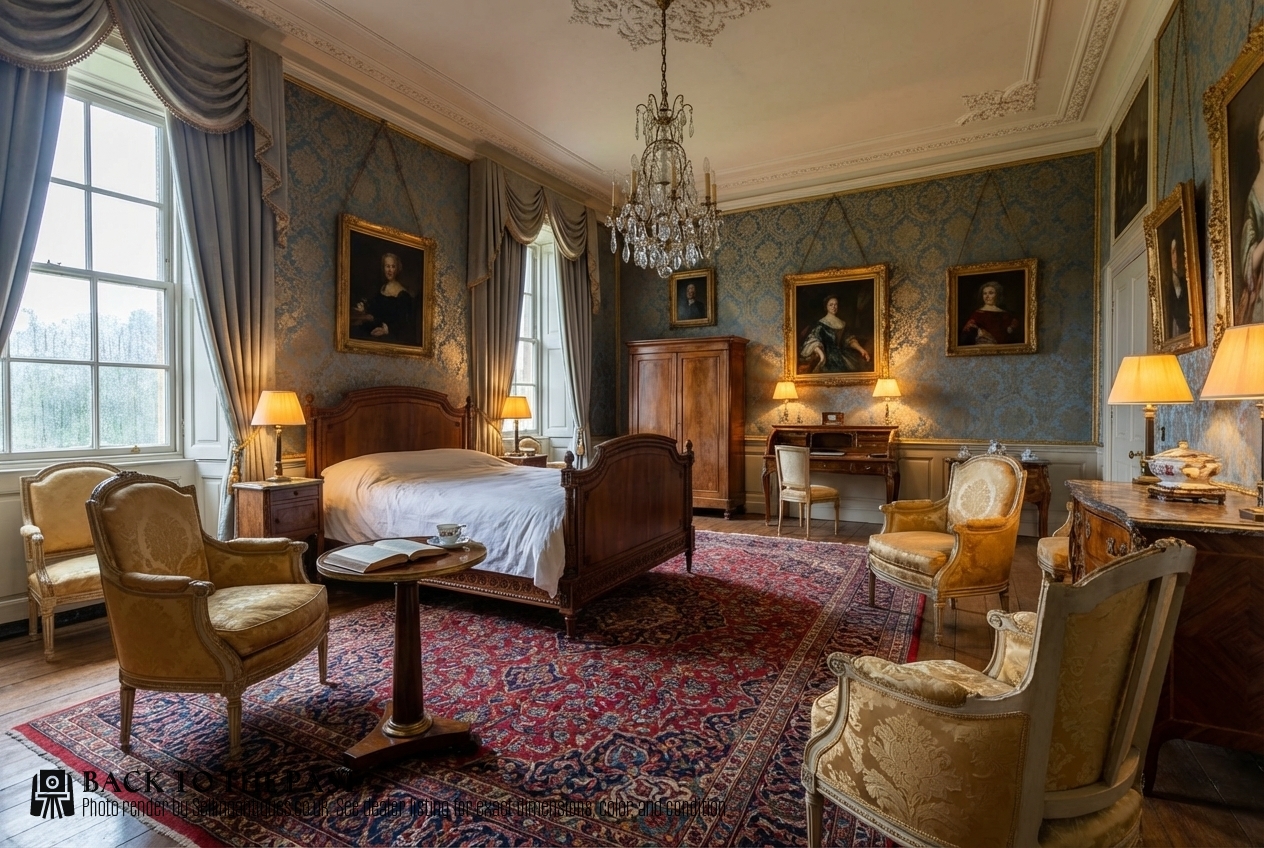
A louis xvi bed frame provides a grand architectural presence through straight lines, fluted columns, and symmetrical proportions derived from classical antiquity. These pieces date predominantly from the nineteenth and early twentieth centuries, capturing revival tastes for French neoclassical design.
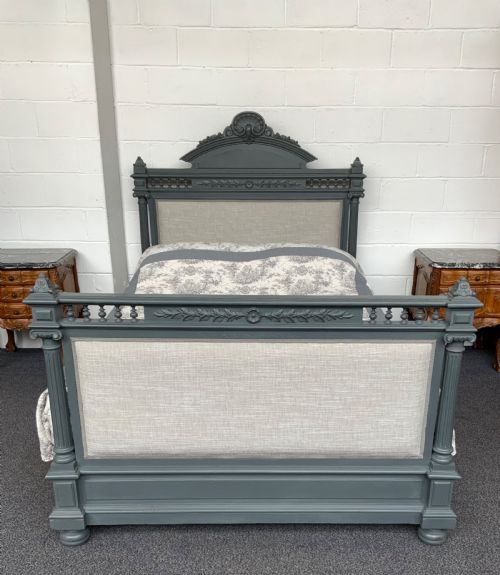
Buyers will encounter various formats ranging from standard double beds and generous king sizes to paired single beds and low-end models. Many examples incorporate upholstered headboards or woven cane panels within carved wooden structures.
Origins span Parisian workshops and provincial French makers, often reflecting styles such as French chateau, Louis xvi revival, and empire. These frameworks transform modern sleeping quarters by anchoring the room with historical gravitas.
Materials and construction
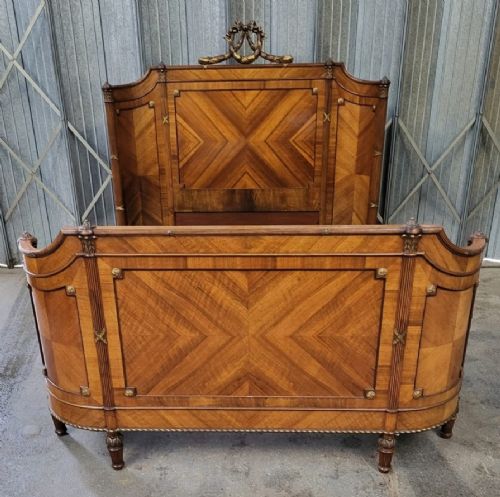
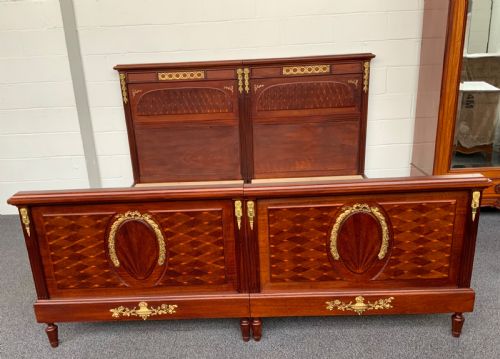
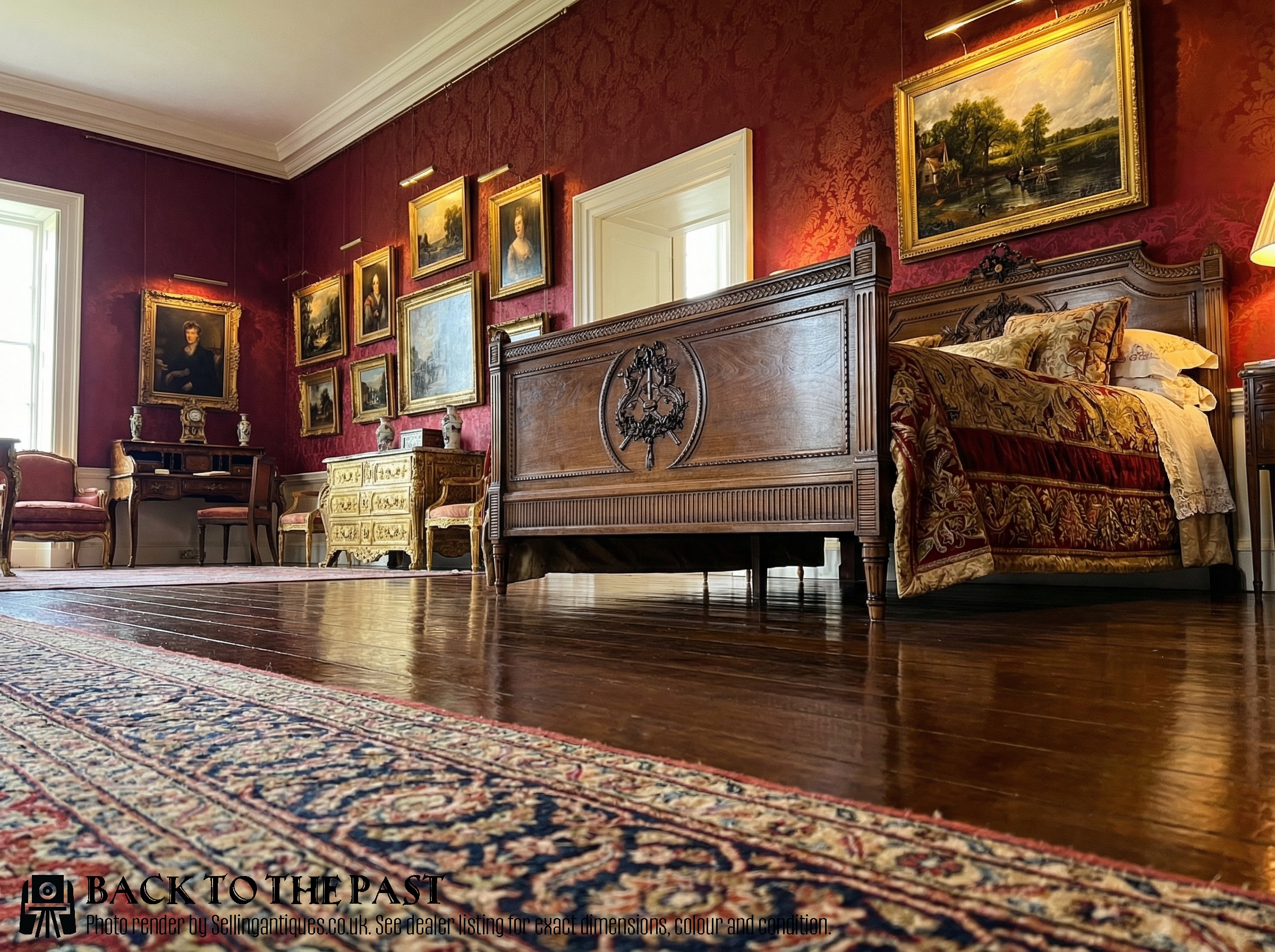
Cabinetmakers utilised dense hardwoods such as mahogany, walnut, and oak to build the foundational structure, frequently applying quarter veneers or parquetry patterns to large flat surfaces. Fruitwood inlay and carved detailing provide textural depth along the rails and headboards.
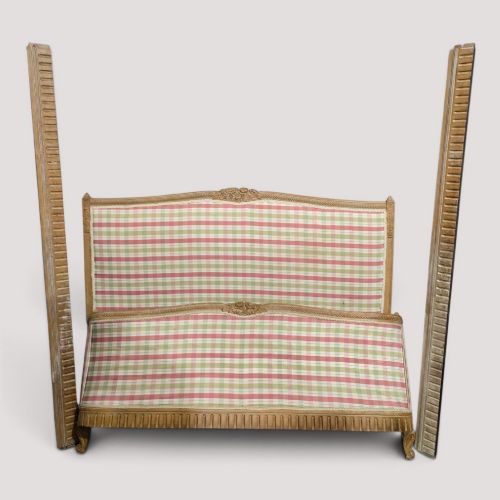
Surface treatments range from painted and gilt finishes to limed wood and polychrome portrait panels. Decorative hardware, including brass detailing and mounts, accents the structural corners and adds metallic contrast to the timber.
Louis XVI Bed Frame Retail Price Guide 2026
Typical asking prices for louis xvi bed frame among the pieces listed under this phrase on Sellingantiques today, from the lower quarter to the upper quarter. They describe what is for sale here now, not the wider market.
Several beds include matching bedside cabinets, ensuring your chamber pot and candle remain historically coordinated.
Judging quality
Superior examples distinguish themselves through the crispness of hand-carved floral motifs, fluting, and applied mouldings rather than shallow machine stamping. The integration of matching side cabinets or original cane work elevates the execution of the suite.
The choice of timbers and veneer work dictates the tier of the piece, with quarter veneered walnut and figured mahogany representing higher standards of cabinetmaking. Original painted surfaces and well-preserved parcel gilt decoration demonstrate superior period craftsmanship.
Constantin Potheau
The Louis XVI Bed Frame Glossary
- Caning
- Woven rattan material used to create open, airy panels within headboards and footboards. This technique offers lightness and flexibility to larger wooden frames.
- Parquetry
- Geometric patterns formed by fitting small wooden blocks or veneers together on a surface. It displays the skill of the cabinetmaker through precise alignment.
- Neoclassical
- A style reviving classical Roman and Greek architectural motifs, characterised by straight lines and symmetry. It defines the aesthetic of louis xvi pieces.
- Ormolu
- Gilded bronze mounts applied to furniture for decorative contrast. These elements catch the light and accentuate the architectural lines of the bed frame.
Louis XVI Bed Frame: Frequently Asked Questions
What mattress size fits these antique beds?
Many historical frames accommodate modern standard sizes like double or king, though older European dimensions can vary slightly from contemporary manufacturing standards.
Buyers should verify internal rail measurements carefully before selecting a mattress to ensure a proper and secure fit within the antique wooden perimeter.
How do I care for the painted wood finish?
Maintaining painted and gilded surfaces requires gentle dusting with a soft, dry cloth to prevent abrasion and preserve the delicate historical layers.
Avoid commercial chemical sprays or excessive moisture, as these substances can lift old paint, crack gesso, and damage fragile parcel gilt details.
Are these bed frames easy to assemble?
Historical French beds typically utilise traditional metal bed bolts and drop-in side rails that lock the headboard and footboard together securely.
Two people are usually required for assembly to support the heavy wooden components and ensure the frame squares up correctly on the floor.
How can I distinguish revival pieces from original ones?
Revival pieces from the nineteenth and early twentieth centuries exhibit machine-sawn timber marks and modern assembly hardware alongside historical styling.
Examining the underside of the rails and the wear patterns on the wood helps determine the exact period of manufacture.