


Louis XV Wooden Bed
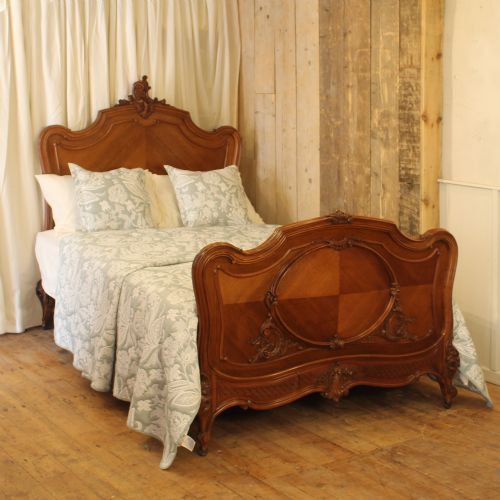
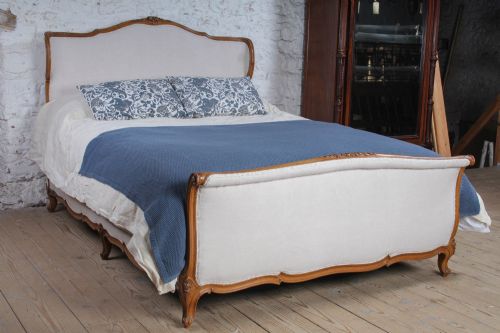
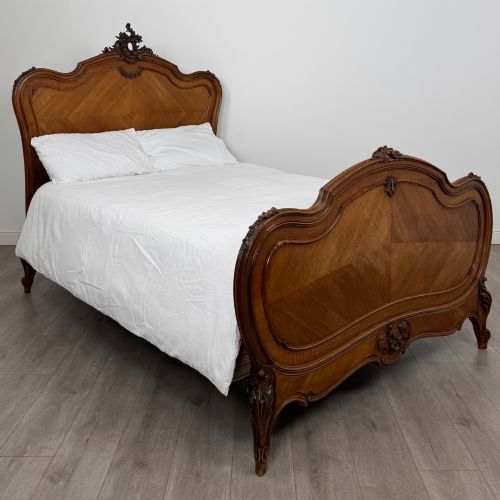
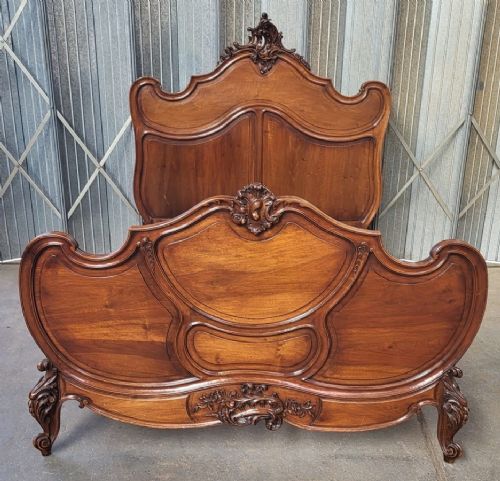
A louis xv wooden bed brings a grand French aesthetic into a bedroom, combining flowing carved wooden frames with elegant upholstered panels.
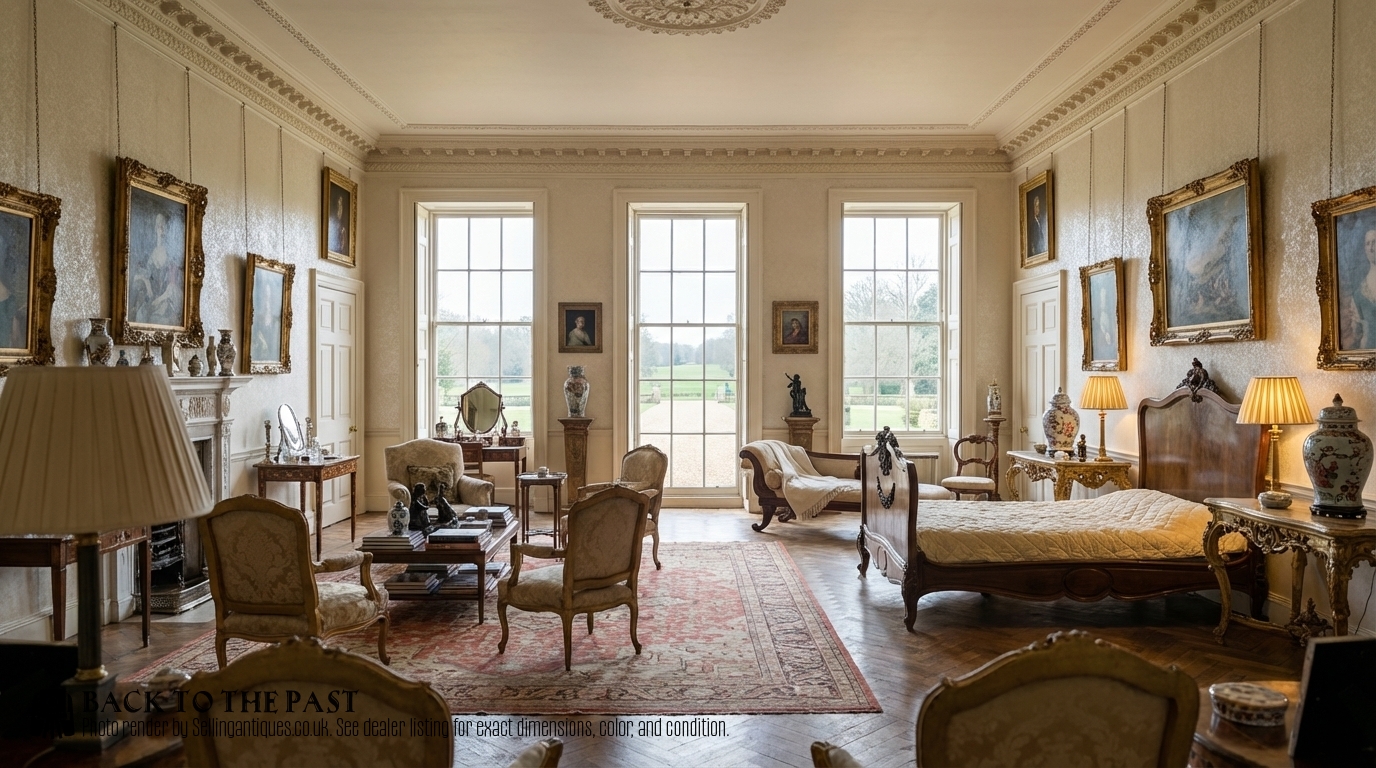
Louis XV Wooden Bed
When searching for a louis xv wooden bed, buyers encounter large framework pieces originating predominantly from the nineteenth and early twentieth centuries. These listings span various scales including double, king, and emperor sizes, often accompanied by matching bedside cabinets or occasional seating.
The aesthetic draws heavily on French provincial and rococo revival traditions, featuring characteristic curved lines and ornamental carving. Walnut and painted timber form the core of these offerings, frequently paired with fresh fabric upholstery on the headboards and footboards.
Most examples date from the decades around nineteen hundred, capturing the enduring popularity of continental styling in British and European homes. Alongside standard bedframes, the selection occasionally includes related architectural salvage and bedroom suite components.
Materials and construction
Cabinetmakers constructed these bedframes primarily from solid timbers like walnut and oak, utilising natural grain patterns to enhance the visual weight of the carved ornamentation. Selected pieces also incorporate parcel gilt highlights or painted finishes to achieve the characteristic chateau aesthetic.
Carving was executed by hand, shaping the wood into scrolling motifs and asymmetrical flourishes typical of the style. Upholstered panels use fabric stretched across internal frames, allowing for modern reupholstery while maintaining the traditional silhouette.
Current listings demonstrate a prevalence of walnut and painted timber frames originating from the late nineteenth century and the early decades of the twentieth century.
Assessing quality in antique beds
Quality rests upon the crispness of the hand carving and the selection of timber, where figured walnut or substantial oak distinguishes finer examples from simpler provincial work. Proportion and balance in the curved woodwork dictate how successfully the piece inhabits a room.
The integrity of the structural joints and the proportion of matching elements, such as integrated bedside cabinets, elevate certain suites above standard individual bedframes. Preservation of original surface finishes alongside thoughtful textile renewal marks the division between ordinary pieces and superior survivals.
The Louis XV Wooden Bed Glossary
- Louis XV Style
- A design tradition originating in eighteenth-century France, characterised by asymmetric curves, naturalistic ornamentation, and flowing cabriole forms. This vocabulary was widely revived during the nineteenth and early twentieth centuries.
- Rococo Revival
- A nineteenth-century movement that reinterpreted the ornate, scroll-heavy aesthetics of the French rococo period. It yielded heavily carved furniture with dramatic contours and deep relief work.
- French Provincial
- A style reflecting the rustic yet refined furnishings of rural French chateaux and homes. It often employs painted wood finishes alongside simpler interpretations of courtly designs.
- Bedstead
- A framework of wood or metal that supports a mattress and bed base, distinct from integrated box structures. Antique versions often require custom sizing or modern slat systems for contemporary use.
- Parcel Gilt
- A decorative technique where specific carved details or highlights of a wooden object are partially covered in gold leaf. This method accentuates the dimensionality of the underlying woodwork.
Louis XV Wooden Bed: Frequently Asked Questions
What mattress size fits an antique bed?
Antique French frames often deviate from modern standard dimensions, meaning many require custom-made mattresses to fit the interior space correctly.
Buyers should measure the internal width and length precisely before sourcing a mattress to ensure proper placement within the wooden rails.
How do I care for polished walnut timber?
Polished walnut benefits from regular dusting with a soft, dry cloth to prevent surface grit from accumulating on the carved details.
Occasional application of high-quality beeswax nourishes the wood and maintains its natural lustre without building up heavy chemical residues.
Can these beds be dismantled easily?
Most antique wooden bedframes utilise traditional iron bolts and slot-in side rails that allow the structure to be taken apart for transport.
Care must be taken with older fittings during assembly to protect the threaded joints and ensure the frame remains square.
How do I distinguish revival pieces from originals?
Revival pieces from the nineteenth and twentieth centuries display mechanical tool marks, timber ageing patterns, and construction hardware consistent with later manufacturing periods.
Examining the underside, interior joints, and back edges often reveals the true age of the timber and the methods used by the cabinetmaker.