


Louis XV Wardrobe
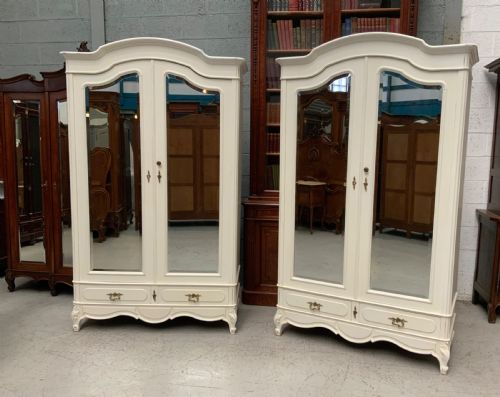
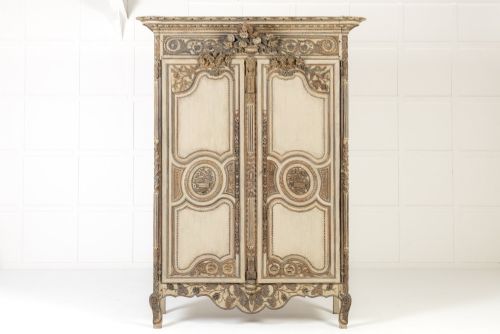
A louis xv wardrobe brings generous scale and fluid carved lines to a bedroom, offering substantial storage behind panelled doors.
Louis XV Wardrobe
A louis xv wardrobe takes the form of a grand armoire or cupboard, designed to house garments and household linens in generous proportions. These pieces emerge from the eighteenth century onwards, with revival examples appearing through the nineteenth and early twentieth centuries.
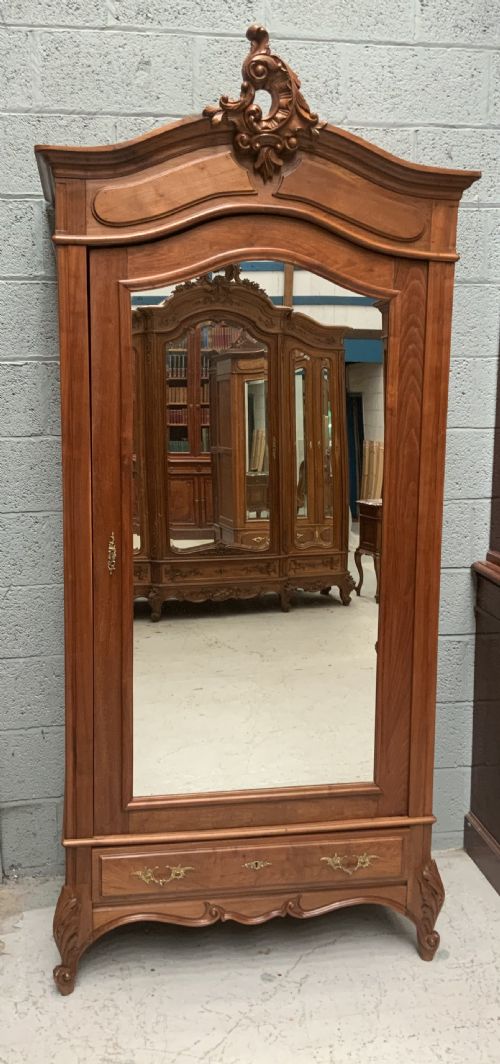
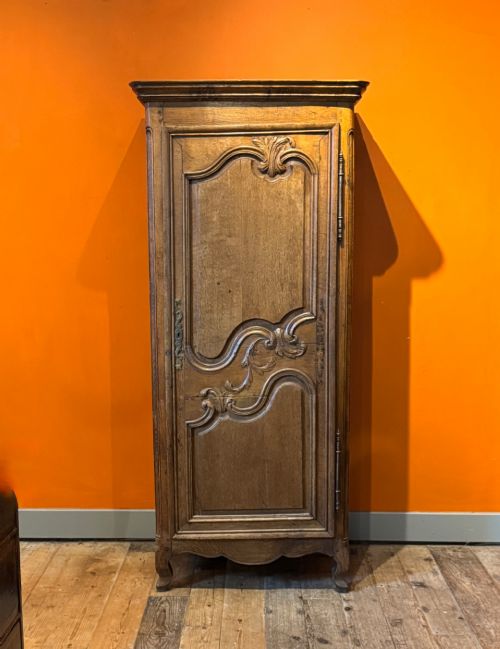
The profile typically exhibits characteristic rococo curves, often described through terms like French provincial or French chateau styles. Buyers encounter single door variants, known as bonnetieres, alongside imposing double and triple door configurations.
Origins trace directly to France, utilising regional timbers and characteristic architectural cornices. Examples span authentic eighteenth-century construction through to later revival interpretations executed in oak and walnut.
Materials and Construction
Solid oak and walnut form the structural backbone of these cabinets, frequently selected for their durability and capacity to hold deep carved ornamentation. Selected pieces incorporate burr walnut veneers and painted finishes to achieve varied surface textures.
Joinery relies on traditional pegged mortise and tenon frames, allowing large panels to expand and contract naturally without splitting. Iron and brass hinges, locks, and ormolu mounts secure the heavy timber doors.
Flat pack convenience arrived early, as antique oak armoires were cleverly built to dismantle for transport down narrow French staircases.
Assessing the Craftsmanship
The depth and crispness of the hand carving distinguish standard production from exceptional cabinet work. Relief motifs on the pediment and doors should display organic flow rather than mechanical repetition.
Proportion and scale dictate the visual success of the piece, where tall cornices balance against the width of the main body. The integration of original brass or ormolu hardware completes the intended aesthetic harmony.
Denby and Spinks·Constantin Potheau
The Louis XV Wardrobe Glossary
- Armoire
- A large upright cupboard or wardrobe used primarily for storing clothes. This term appears interchangeably with wardrobe across many continental listings.
- Bonnetiere
- A narrow single door wardrobe originally designed to store caps and bonnets. These tall, slender cabinets suit compact bedroom spaces.
- Ormolu
- Gilded bronze mounts applied to furniture for decorative accent. This material catches the light against dark walnut surfaces.
- Marquetry
- Decorative patterns formed by the inlay of small pieces of wood veneer. It creates intricate pictorial designs on cabinet doors.
- Cornice
- The ornamental moulding running around the top edge of the wardrobe. It provides a finished architectural transition to the ceiling.
Louis XV Wardrobe: Frequently Asked Questions
How do I assemble a large antique armoire?
Many historical armoires utilise pegged knock-down frames designed to be dismantled for transport and reassembled on site. Large wooden pins secure the cornices, sides, and base into a rigid structure.
Professional installation ensures the heavy doors hang true within the frame so the locks engage correctly. Checking level floors prevents the timber from twisting under its own weight.
Can I use an armoire as a modern wardrobe?
These cabinets provide deep internal storage that accommodates folded garments and household linens with ease. Many examples adapt readily to modern needs by incorporating hanging rails.
Selecting a triple or double door version ensures sufficient clearance for contemporary coat hangers. The internal depth varies by period, so measuring specific garment widths remains advisable.
How do I tell an 18th-century armoire from a later revival?
Eighteenth-century examples display hand-cut joinery marks, native regional timbers, and subtle tool inconsistencies across the internal panels. The patina develops through generations of wax application and natural oxidation.
Revival pieces from the nineteenth and early twentieth centuries often employ machine-sawn timber elements alongside more standardised hardware. Stylistic details also reference historical pattern books rather than contemporary vernacular construction.
What is the difference between an armoire and a bonnetiere?
An armoire provides a wide cabinet body with double or triple doors, designed to store a full household wardrobe. These larger pieces dominate a bedroom wall with significant presence.
A bonnetiere offers a much narrower single-door profile, originally built for smaller garments. This compact footprint fits tight corners while retaining traditional carved detailing.