
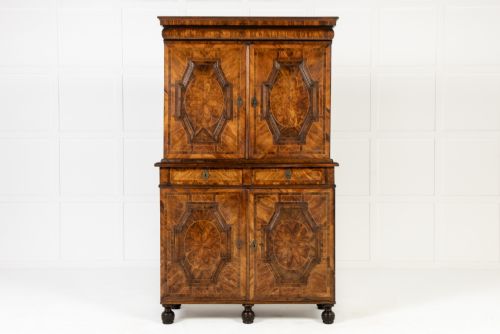


French Walnut Armoire
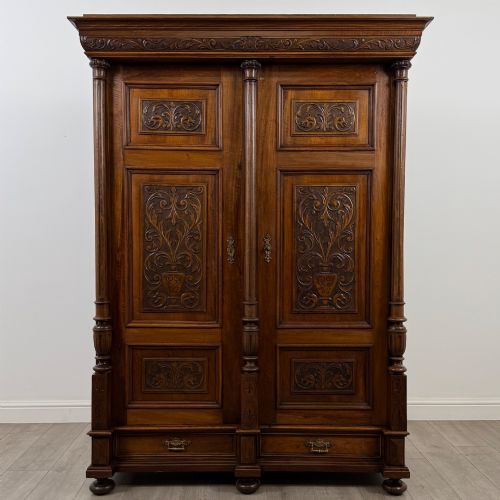
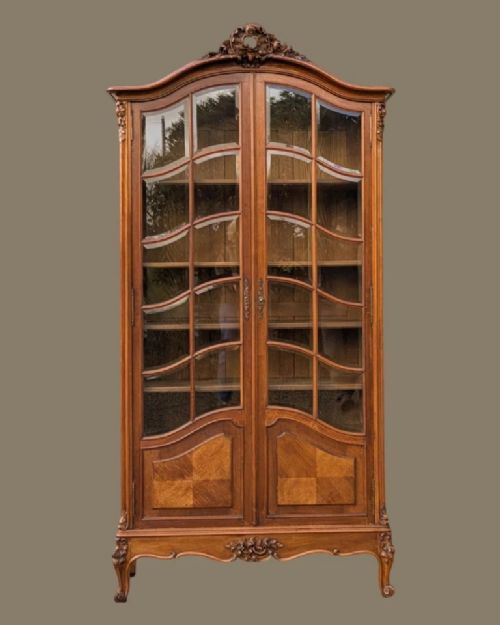
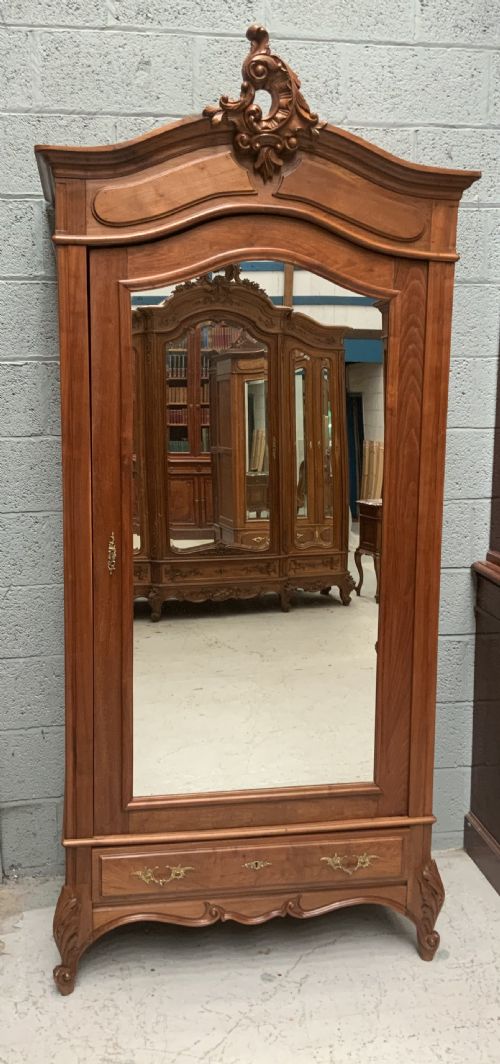
When you search for a french walnut armoire, you find large timber storage pieces built to hold linens and garments in continental bedrooms.
French Walnut Armoire
A french walnut armoire is a substantial timber storage cupboard appearing across listings in single and double door formats, sometimes housing hanging space or interior shelving for domestic use. The pieces span centuries, ranging from seventeenth century regional examples through eighteenth century carved provincial editions to nineteenth century revival styles and twentieth century interpretations.
You are most likely to encounter nineteenth century walnut and burr walnut iterations on this page, alongside earlier eighteenth century pieces showing provincial carving. Forms vary from monumental four door cupboards to petite single door wardrobes, occasionally accompanied by matching bedroom suites or associated upper sections.
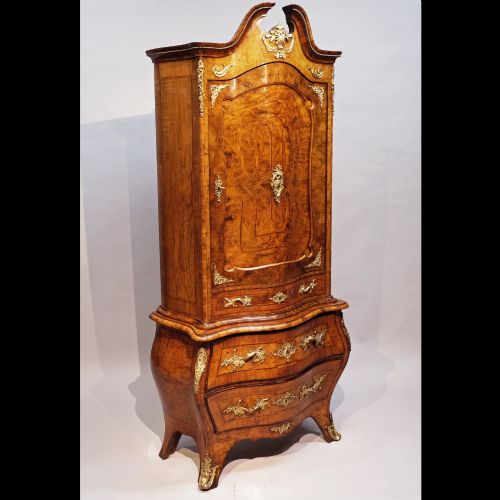
Regional variations emerge clearly across the inventory, including pieces from Burgundy and Breton alongside items bearing specific maker signatures. These wardrobes frequently demonstrate classical continental joinery, standing on turned feet or plinth bases, and occasionally featuring glass doors or applied ormolu mounts.
Materials and construction methods
Solid walnut and highly figured burr walnut form the primary visual surfaces of these wardrobes, frequently paired with secondary pine carcases or internal fittings. Cabinet makers utilised natural timber grain patterns, occasionally enhanced by marquetry and parquetry geometric work across the large door panels.
Metal components play a structural and decorative role, with brass hinges, steel locks, and cast ormolu mounts securing the heavy timber doors. Painted finishes and iron hardware also appear on specific provincial items from the eighteenth century.
Listings feature walnut wardrobes spanning four centuries, incorporating materials like ormolu, brass, glass, and iron alongside burr walnut veneers.
Judging cabinet quality and execution
Quality in a french walnut armoire rests upon the depth of the timber carving and the complexity of the wood grain selected for the main panels. Pieces featuring symmetrical burr walnut or intricate parquetry show a higher level of cabinet maker skill than plain structural variants.
The integration of decorative bronze or ormolu mounts and the crispness of hand-carved mouldings separate standard workshop output from finer signed pieces. Original hardware, well-fitted panel doors, and robust internal construction indicate superior workshop standards.
JEAN FAURE·Mercier·MAISON LALANDE PARIS
The French Walnut Armoire Glossary
- Armoire
- A large upright cupboard or wardrobe used for storing garments and household textiles. These pieces typically feature panelled doors opening to reveal hanging space or adjustable shelving.
- Burr walnut
- A prized timber veneer showing swirling, knotty grain patterns harvested from tree growths. Cabinet makers applied these decorative slices to the primary facade surfaces of high-status furniture.
- Ormolu
- Gilt bronze mounts applied as decorative highlights to the corners, pediments, and feet of formal nineteenth century cabinets. This technique adds metallic contrast to the dark timber ground.
- Parquetry
- Geometric wood inlay work forming repeating patterns across cabinet doors and panels. Artisans contrasted different timber tones to create decorative surfaces without relying on paint.
- Buffet Deux Corps
- A traditional two-stage storage cupboard comprising an upper and lower cabinet section. These large dining room and kitchen pieces share construction traits with tall wardrobes.
French Walnut Armoire: Frequently Asked Questions
What is a french walnut armoire used for?
These large wooden cabinets served historically to store household linens, folded garments, and personal attire in bedrooms. Today, they function as substantial freestanding wardrobes or living room storage units.
Interior configurations vary from simple hanging rails to multiple shelves and internal drawers, depending on the original period and domestic purpose.
How do I date a walnut armoire?
Dating relies on observing construction joints, timber selection, and stylistic details such as carving motifs and foot shapes. Eighteenth century examples often show hand-cut peg joinery and provincial regional characteristics.
Nineteenth century revival pieces frequently incorporate machine-sawn elements, standardised hinges, and more elaborate ormolu mounts or burr walnut veneers.
Will an antique armoire dismantle for moving?
Many continental wardrobes feature knock-down construction designed to allow the heavy timber panels to separate for transport. Pegs and internal bolts hold the cornices, sides, and base together.
Not all historical examples dismantle easily, so checking the specific joinery method before moving helps prevent structural damage to the timber.
How do I clean burr walnut veneer?
Maintaining walnut veneer involves dusting with a soft, dry cloth and avoiding harsh chemical polishes or excessive moisture. Natural wax feeds the old timber and preserves the sheen of the grain.
Keeping the cabinet away from direct heat sources prevents the decorative burr veneers from drying out, shrinking, or lifting over time.