

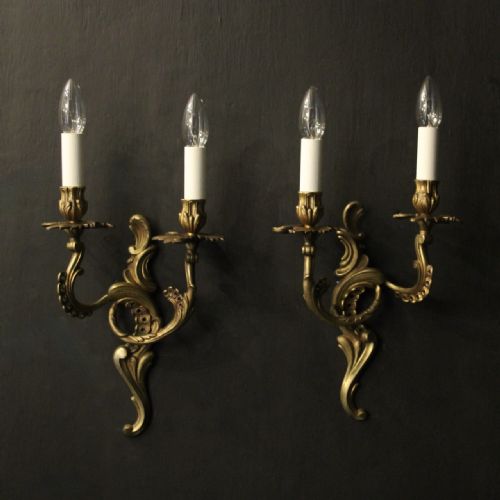


Louis XV Style Sconces
Louis xv style sconces bring asymmetric rococo curves to domestic interiors, offering ornate brass and bronze illumination.
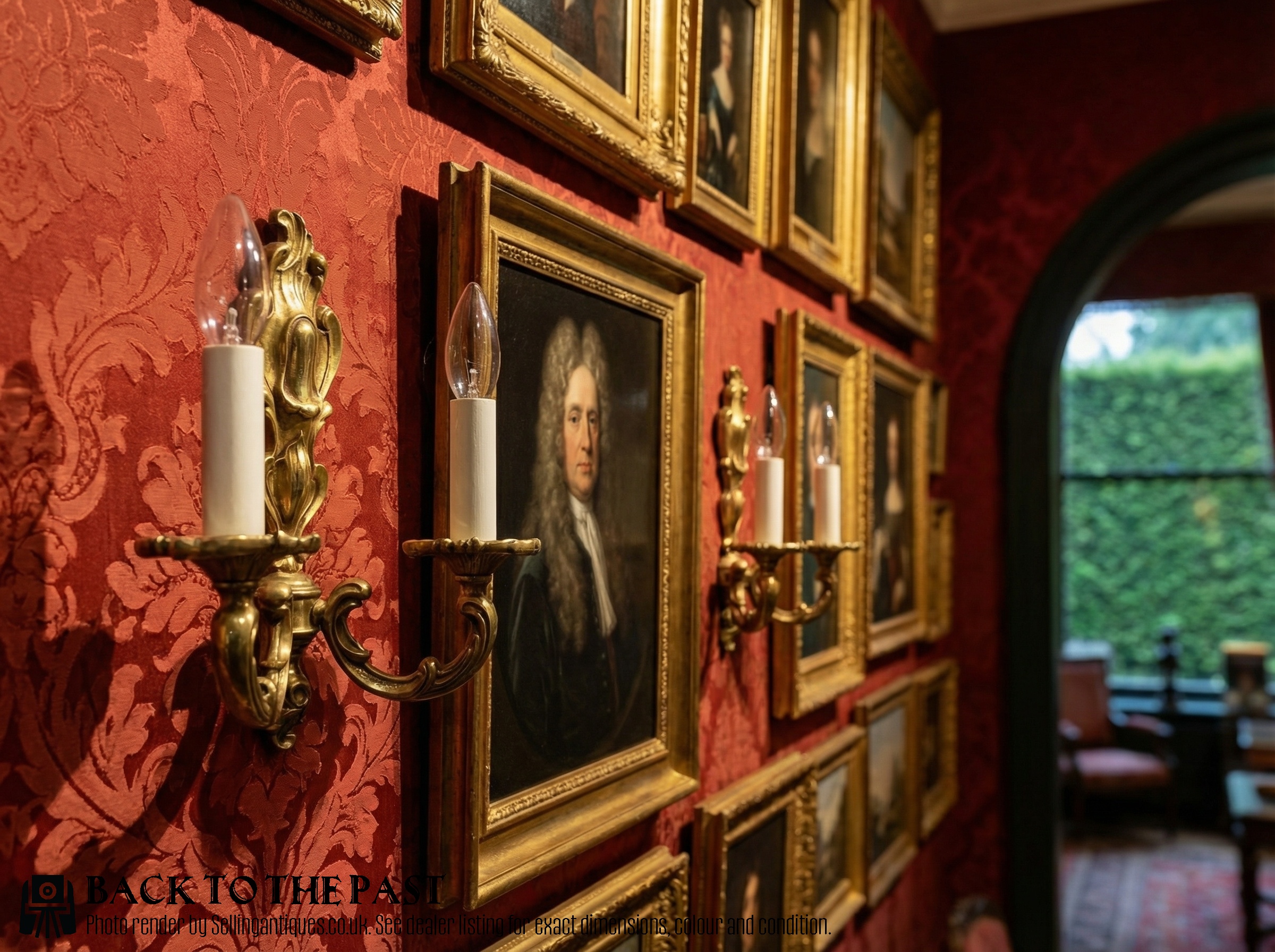
Louis XV Style Sconces
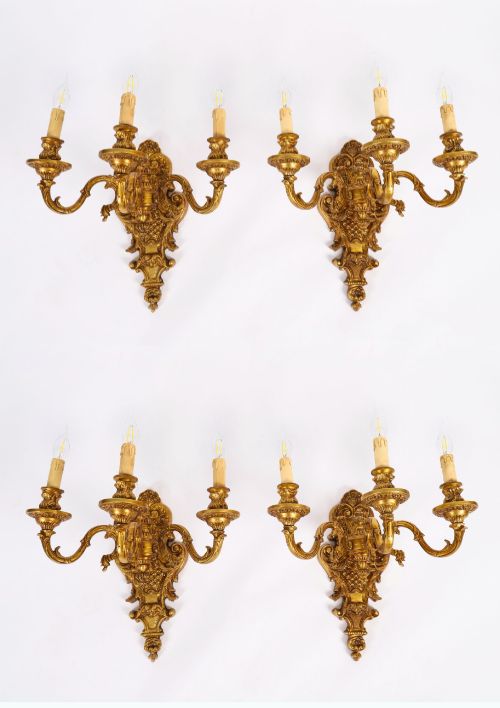
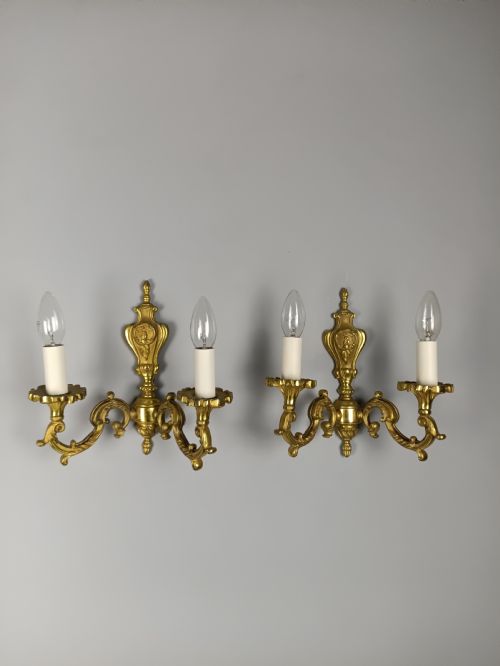
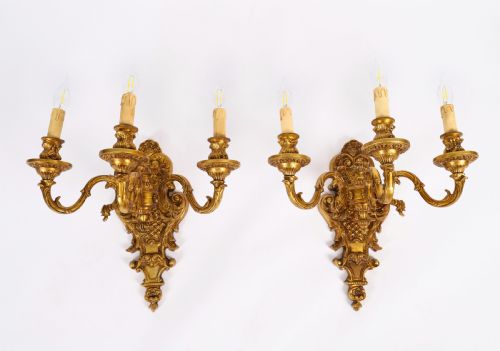
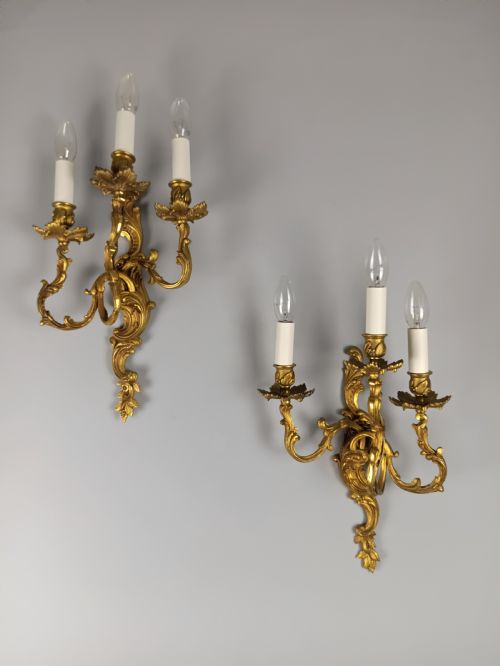
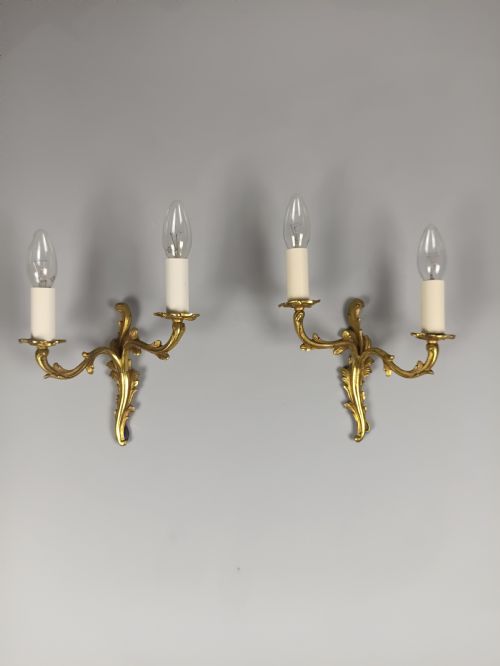
Louis xv style sconces draw upon eighteenth-century French rococo forms, typically manifesting as multi-arm wall lights designed for interior illumination. Buyers encountering this selection will frequently find pairs or larger sets dating from the nineteenth and early twentieth centuries, particularly from around nineteen hundred through to the nineteen thirties. These pieces encompass twin-arm, triple-arm, and branch configurations designed to mount directly onto walls.
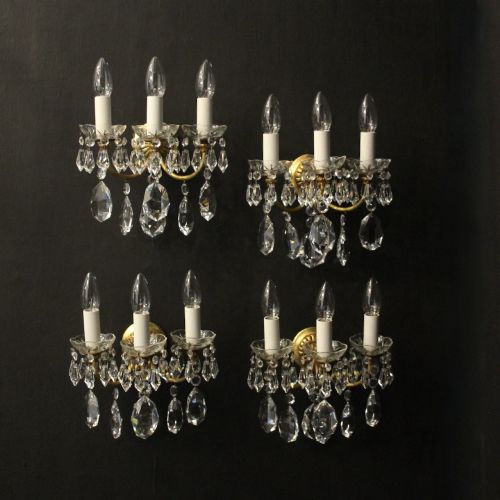
The objects span varied configurations including wall appliques, mirrored wall sconces, and occasionally pieces incorporating porcelain elements or cherub motifs. Most examples originate from French workshops adhering to revival aesthetics, capturing the essence of the original court style through scrolling foliage and asymmetrical cartouches. Buyers frequently select these fixtures to introduce traditional decorative lighting into period rooms or formal reception spaces.
How they were made
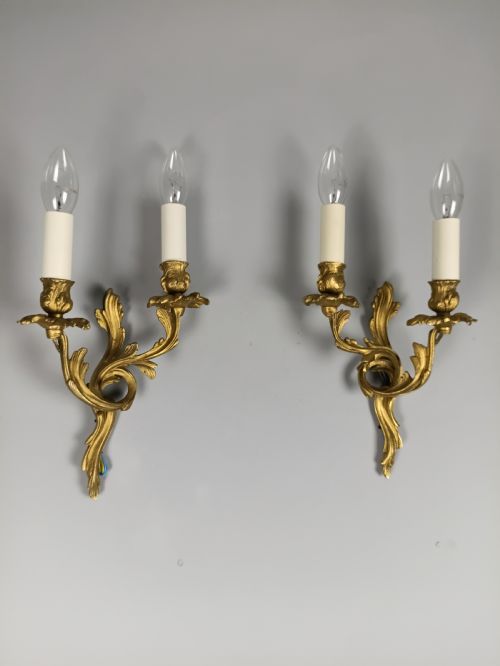
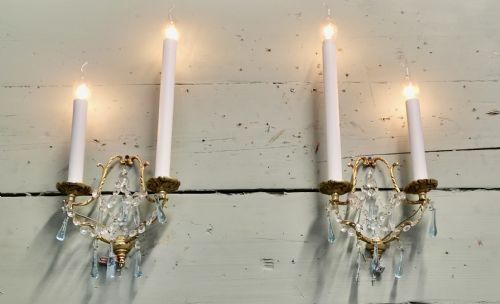
Manufacturers utilised metals such as brass, bronze, and gilt metal, frequently applying a layer of ormolu or gilding to achieve a lustrous metallic finish. Founders cast the metal components in detailed moulds, capturing the swirling acanthus leaves and C-scrolls characteristic of the rococo revival. Assembly involved joining multiple arms to backplates, sometimes integrating crystal drops, glass elements, or Sevres porcelain portraits.
Surface treatments included fire gilding, silver plating, and polychrome painting, depending on the specific workshop and period of production. Artisans chased the cast metal surfaces by hand to sharpen the botanical details and create varied textures between matte and polished highlights.
Louis XV Style Sconces Retail Price Guide 2026
Typical asking prices for louis xv style sconces among the pieces listed under this phrase on Sellingantiques today, from the lower quarter to the upper quarter. They describe what is for sale here now, not the wider market.
Common forms include twin-arm wall lights, mirrored sconces, and pieces embellished with porcelain portraits and cherubs.
What varies in quality
Quality in these lighting fixtures rests primarily upon the crispness of the metal casting and the depth of the subsequent hand-chasing. Superior examples display sharply defined foliage and smooth, substantial arm connections rather than soft, blurred surface relief. The weight and thickness of the bronze or brass components also distinguish finer production standards from lighter, mass-produced alternatives.
The integration of secondary materials such as porcelain plaques, crystal drops, or hand-painted details further separates standard production from exceptional pieces. Sconces that retain their original mercury gilding or deep ormolu finishes exhibit a richness of colour that lesser or later coatings fail to replicate.
Jean Haure
The Louis XV Style Sconces Glossary
- Ormolu
- A gilded bronze technique utilising finely ground gold mercury amalgam applied to a cast bronze base. This method creates a durable, warm metallic lustre characteristic of high-status French decorative arts.
- Applique
- A wall-mounted lighting fixture designed to hold candles or electric bulbs, synonymous with a wall sconce. These decorative brackets project from the wall surface to illuminate rooms.
- Rococo
- An artistic style originating in France during the eighteenth century, defined by asymmetry, C-scrolls, and naturalistic plant motifs. Revival versions of this aesthetic emerged strongly during the nineteenth and early twentieth centuries.
- Candelabra
- A branched decorative candlestick designed to hold multiple tapers or light sources. Larger versions often feature elaborate architectural or figurative stems matching the style of associated wall sconces.
Louis XV Style Sconces: Frequently Asked Questions
How were louis xv style sconces used?
These fixtures were mounted on drawing room and hallway walls to hold candles, providing reflected light from polished surfaces and mirrors.
They functioned as both functional illumination and decorative ornamentation within grand domestic interiors.
Are these sconces wired for electricity?
Many surviving examples have been adapted for modern electrical wiring over their long histories.
Buyers should examine specific listings to determine whether individual pieces retain their original candle-holders or currently accommodate electrical fittings.
How do I date a pair of sconces?
Dating relies on analysing the casting quality, the composition of the metal, and the fastening screws or wiring access points.
Pieces from the nineteenth century often show heavier cast bronze construction, whilst early twentieth-century examples frequently utilise gilt brass or gilt metal.