
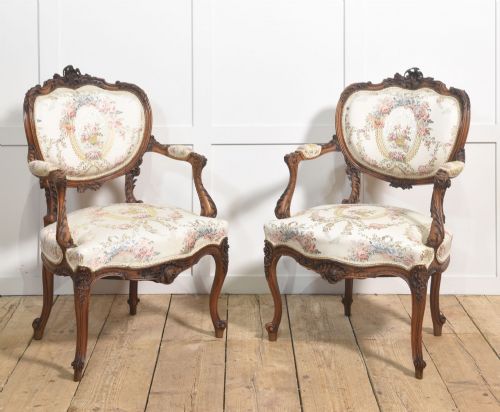
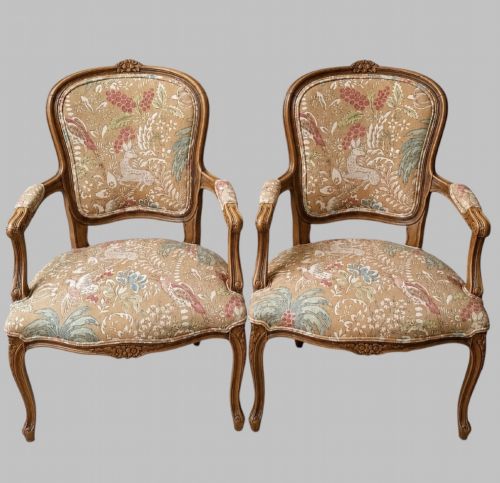
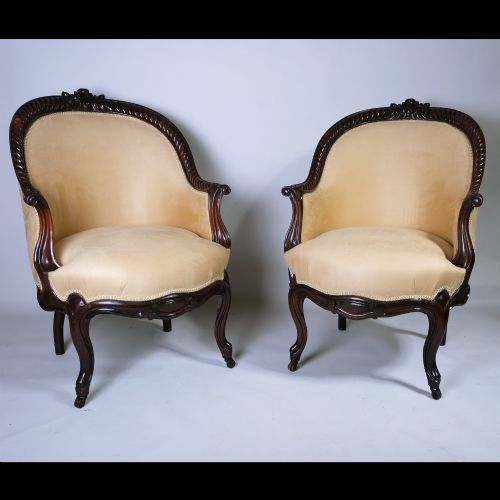
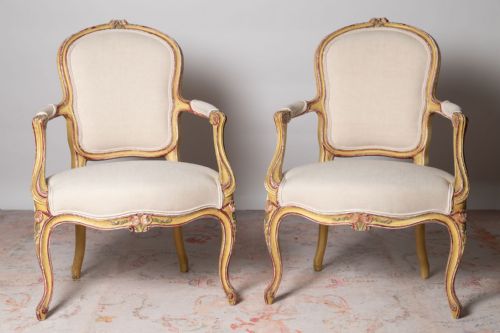
Louis XV Fauteuil Chair
A louis xv fauteuil chair brings sculpted French elegance to a room, offering an open armchair frame designed for eighteenth-century comfort.
Louis XV Fauteuil Chair
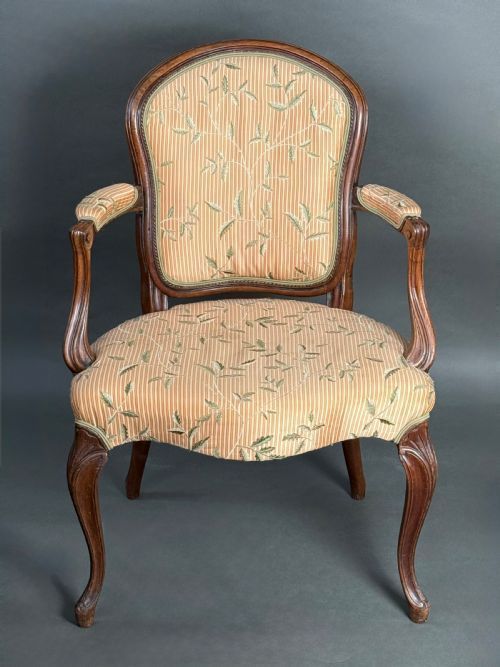
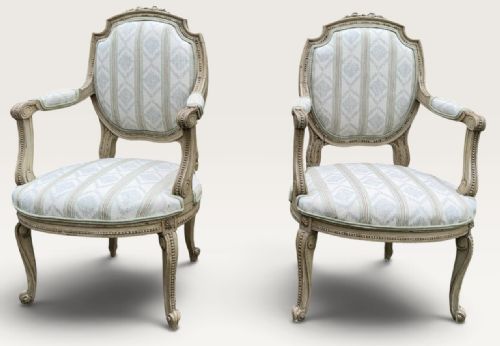
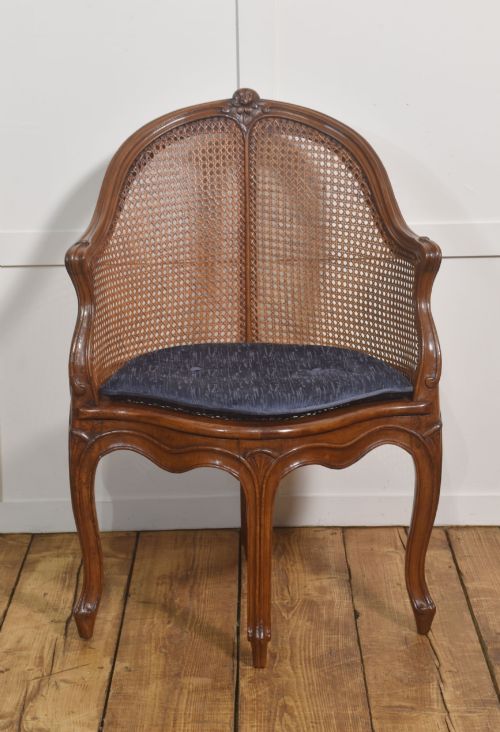
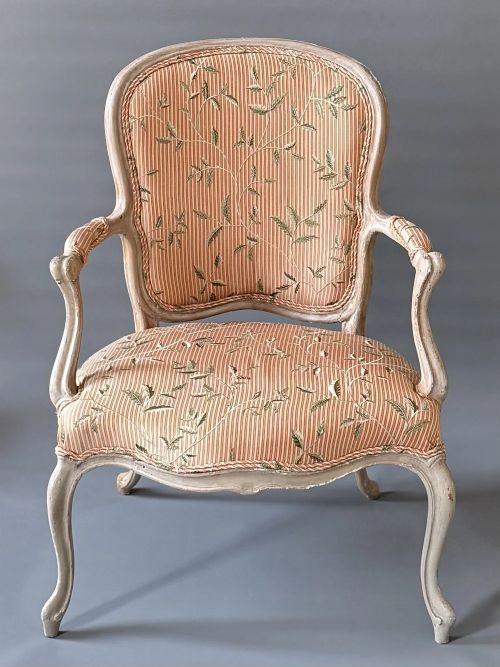
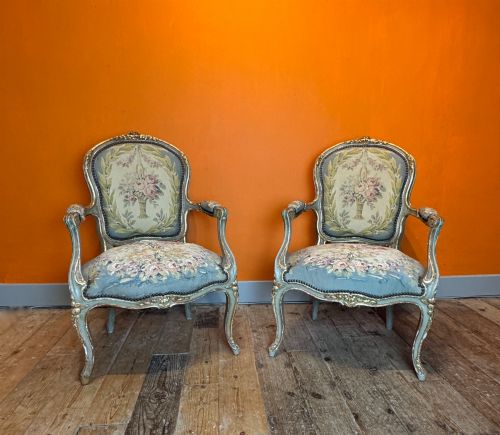
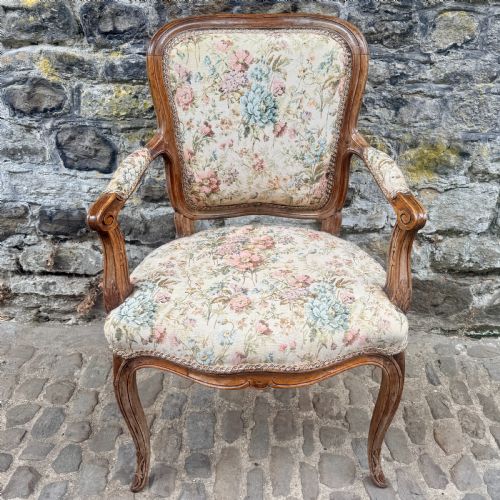
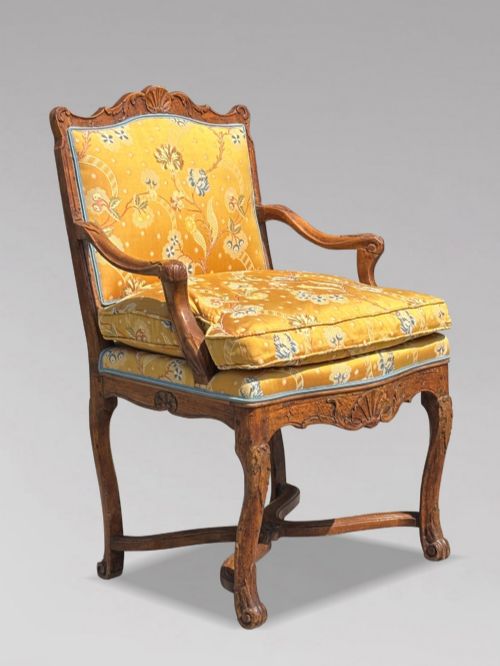
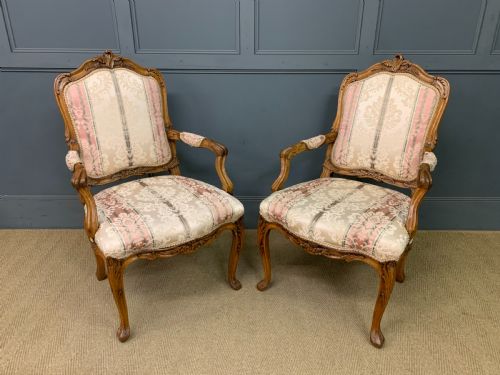
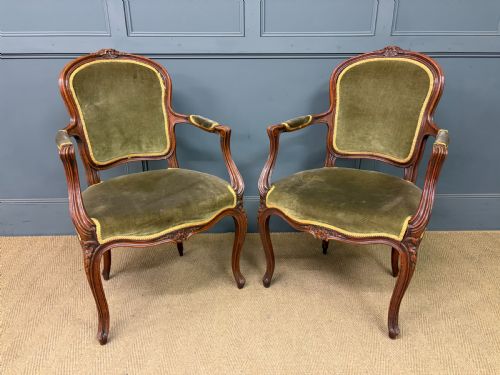
A louis xv fauteuil chair is an open-armed French seat defined by curved cabriole legs and flowing asymmetrical lines. The form emerged in the eighteenth century and remains a staple of formal French design.
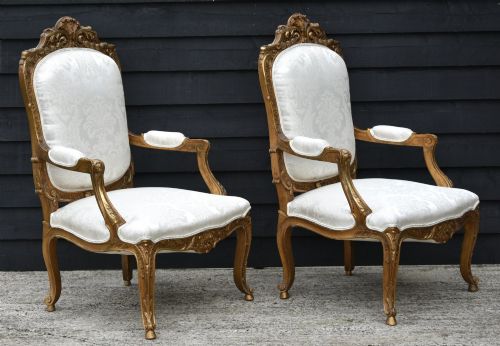
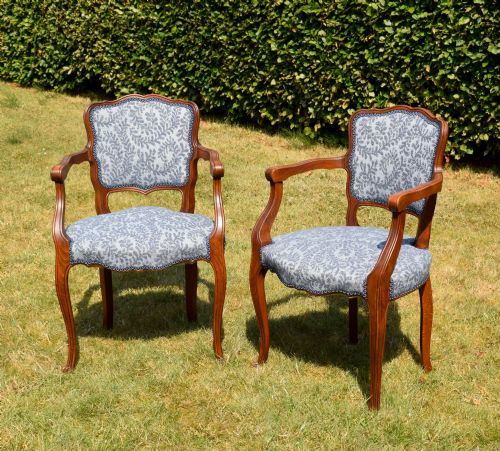
Most examples found on the market belong to nineteenth-century revival periods, mirroring the scrolling woodwork and padded armrests of the originals. These later interpretations range from provincial painted frames to elaborate gilded salon seats.
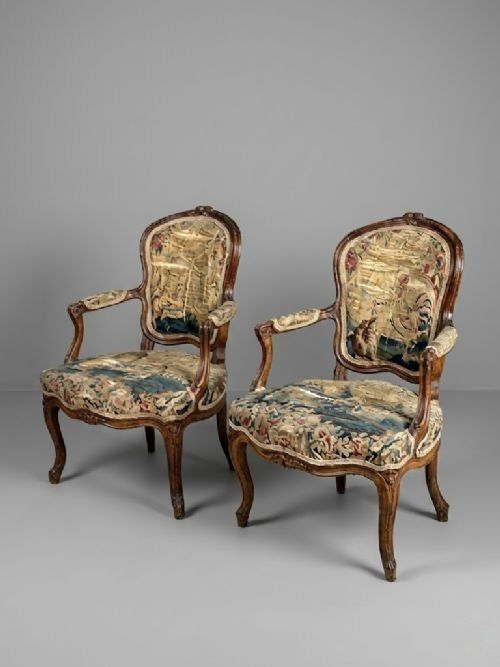
Makers often fashioned these chairs in pairs or larger suites for drawing rooms and chambers. Buyers encounter walnut and beech structures alongside painted finishes and silk upholstery.
Materials and construction methods
Carpenters typically shaped the structural frames from solid hardwoods like walnut, beech, and oak, allowing for deep hand-carving along the crest rails and apron. Giltwood variants received thin layers of gold leaf applied over a prepared gesso base.
Upholstery relied on traditional stuffing techniques secured over webbing, often finished with textile coverings such as silk, velvet, needlepoint, or tapestry. Painted frames frequently display original surface patination preserved beneath subsequent generations of wear.
Louis XV Fauteuil Chair Retail Price Guide 2026
Typical asking prices for louis xv fauteuil chair among the pieces listed under this phrase on Sellingantiques today, from the lower quarter to the upper quarter. They describe what is for sale here now, not the wider market.
Listings feature walnut, beech, and giltwood frames upholstered in silk, velvet, and needlework across eighteenth and nineteenth-century periods.
Distinguishing quality across examples
The crispness and depth of the hand-carving on the wooden frame separate standard production from finer work. Superior chairs display fluid, undercut floral or rocaille motifs rather than shallow or mechanical stamping.
Proportion and structural integrity dictate value, particularly where the joinery meets at the cabriole joints. Original surface treatments, such as unblemished gilding or authentic period paint, elevate a piece above later refinishing.
The Louis XV Fauteuil Chair Glossary
- Cabriole leg
- A furniture leg that curves outward in a convex arc and tapers inward in a concave arc to a pad or scroll foot. This shape is characteristic of rococo design.
- Giltwood
- Timber coated with gold leaf or powder. This finish was favoured for formal eighteenth-century salon seating.
- Rococo
- An ornate artistic style marked by shellwork, scrollwork, and asymmetrical plant motifs. It heavily influenced French seating design during the mid-eighteenth century.
- Aubusson
- A style of tapestry woven in France, frequently utilised for period upholstery. These textiles display pastoral or floral scenes.
Louis XV Fauteuil Chair: Frequently Asked Questions
How do I spot a reproduction from an original?
Original eighteenth-century examples exhibit hand-cut joinery, pegged joints, and timber shrinkage appropriate to age. Revival pieces from the nineteenth century often utilise machine tooling and nineteenth-century hardware.
Examine the underside and the interior frame for tool marks and wood oxidation. Eighteenth-century walnut and beech develop a dry, dense patina that modern replicas struggle to replicate.
Were these chairs used in dining rooms?
Fauteuils were primarily designed as salon, bedroom, or drawing-room chairs for social gatherings and reading. Their open arms accommodated the voluminous skirts worn by fashionable individuals of the period.
Using them at a dining table is possible if the seat height aligns properly, though collectors generally place them in living spaces as occasional seating.
How should I care for silk or velvet upholstery?
Protect delicate textiles like silk and velvet from direct sunlight to prevent fading and fibre degradation. Vacuum the fabric gently using a low-suction attachment with a soft brush guard.
Professional textile conservators should handle deep cleaning to preserve the underlying stuffing and hand-stitched seams.
What is the difference between walnut and giltwood frames?
Walnut frames display the natural grain and warm colour of the timber, suiting provincial and country house interiors. Giltwood frames are covered in gold leaf, providing a brilliant, reflective surface intended for formal reception rooms.
Both materials follow the same structural forms, but giltwood indicates a higher initial social rank for the intended interior.