
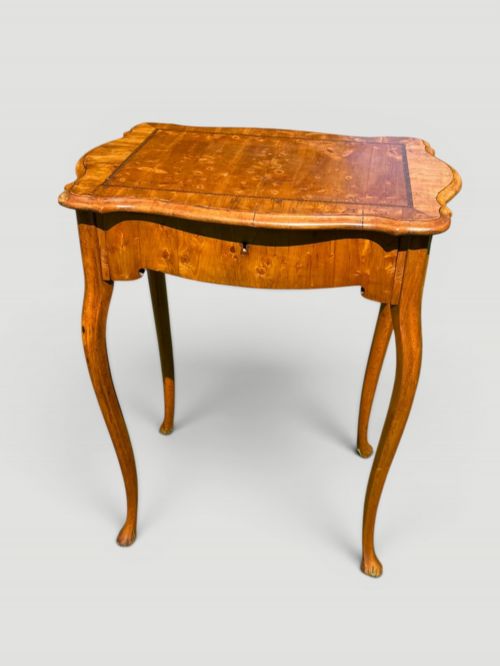


Louis XV End Table
A louis xv end table brings curves, marquetry and rococo grace to a corner, shaped for intimate rooms and elegant storage.
Louis XV End Table
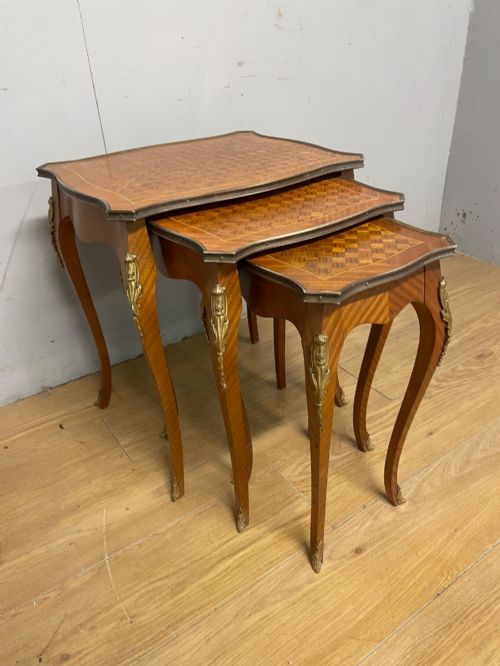
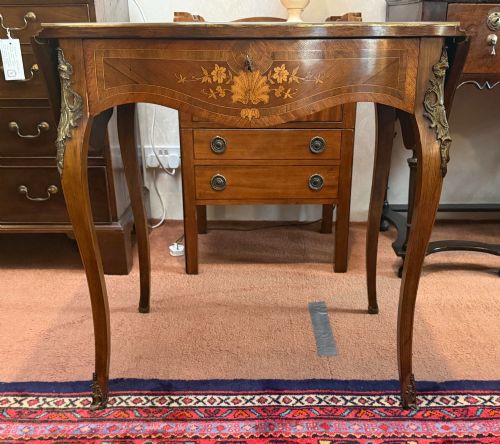
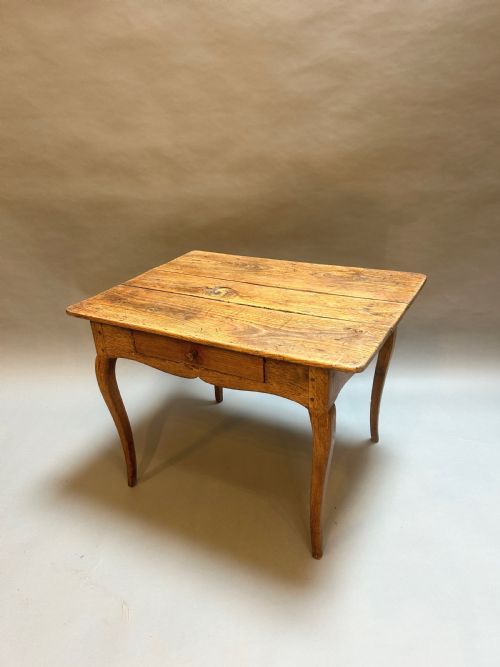
When you search for a louis xv end table, you encounter compact occasional pieces, bedside tables and lamp tables designed with characteristic serpentine lines. The selections span from the mid eighteenth century to later revival periods, bringing distinct French provincial or chateau character into modern spaces.
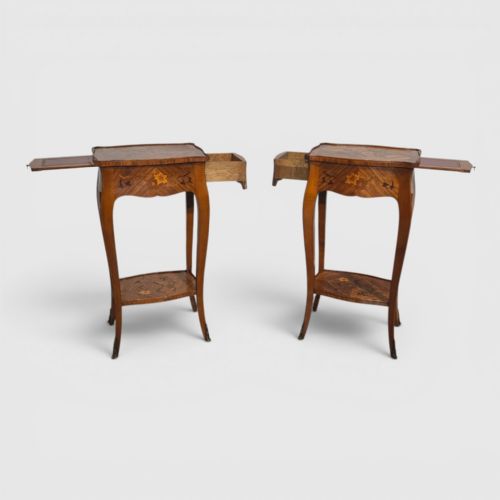
Most examples appearing here take the form of side tables, bedside cabinets or kidney-shaped lamp tables. They serve smaller functional roles beside seating or beds while displaying rich decorative veneers and mounts.
Assessing Quality and Craftsmanship
Quality reveals itself in the precision of the veneer work and the fluidity of the carved or shaped wooden contours. Finer execution shows seamless matching in floral marquetry and tight joints along serpentine edges.
The crispness of the ormolu mounts and the weight of the marble inserts distinguish standard production from exceptional exhibition pieces. Signatures from notable makers like F. Linke elevate specific nineteenth century examples.
Several tables take the distinct shape of a kidney bean, designed to curve comfortably against your knees while resting.
F. Linke
The Louis XV End Table Glossary
- Cabriole leg
- A furniture leg featuring a double curve, stepping outward at the knee and tapering inward toward the foot. This form derives from animal limbs and defines the silhouette of these tables.
- Marquetry
- Decorative patterns formed by fitting together thin slices of veneer onto a structural wooden ground. Craftsmen utilise various coloured woods to build floral or geometric motifs.
- Ormolu
- Gilded bronze applied as decorative mounts, handles or feet on furniture. It provides bright metallic contrast against dark cabinet woods.
- Parquetry
- Geometric mosaic woodwork arranged in patterns such as cubes or chequers. It creates a subtle textured surface on table tops.
- Kidney-shaped
- Describing a curved, indented table top that wraps slightly around the user. This shape appears frequently in bedside and lamp tables from the revival period.
Louis XV End Table: Frequently Asked Questions
What is a louis xv end table?
A louis xv end table is a small decorative stand characterised by curving lines, cabriole legs and often intricate veneer work. These tables function as bedside cabinets, lamp surfaces or occasional pieces in sitting rooms.
Originating from French design traditions, they balance compact proportions with ornamental detail such as marquetry and ormolu mounts.
How do I style a louis xv end table?
These tables fit easily beside armchairs, sofas or beds where surface space is needed without heavy visual bulk. Their decorative veneers and curved silhouettes allow them to stand alone as focal points.
Pair them with neutral furnishings to let the wood tones and marquetry stand out, or use them to introduce classical French character into contemporary interiors.
How do I tell original pieces from revivals?
Dating relies on examining the secondary timbers, construction methods, and wear patterns beneath the surface. Eighteenth century examples show hand- cut joinery and period specific timber usage.
Revival pieces from the nineteenth and early twentieth centuries often employ machine-sawn elements while closely copying the earlier French rococo forms.
What woods were used for these tables?
Cabinetmakers employed robust timbers like oak and walnut for the underlying frames and structural supports. Decorative surfaces featured exotic and domestic veneers including kingwood, rosewood, mahogany and burr wood.
Contrasting woods allowed artisans to create detailed geometric parquetry and floral marquetry patterns across the tops and sides.