


Louis XV Revival Furniture
Louis xv revival furniture brings flamboyant Rococo curves, rich veneers and chased metal mounts into nineteenth-century interiors with undeniable presence.
Louis XV Revival Furniture
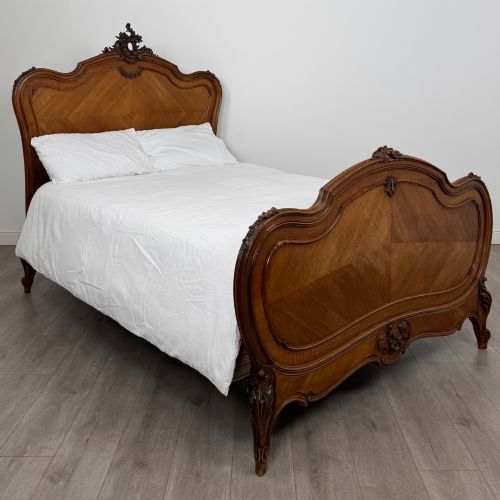
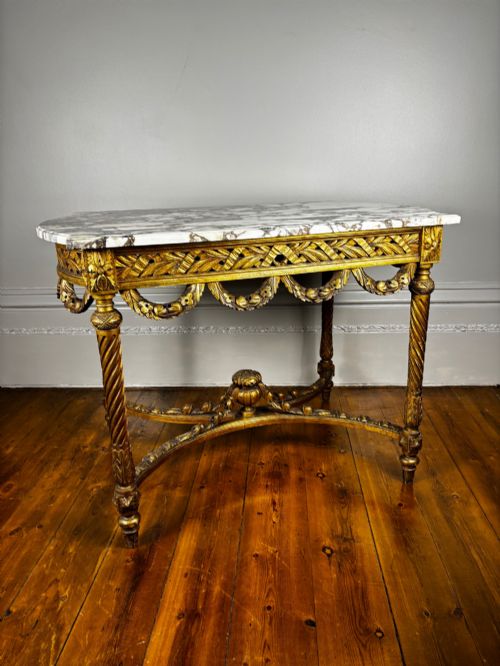
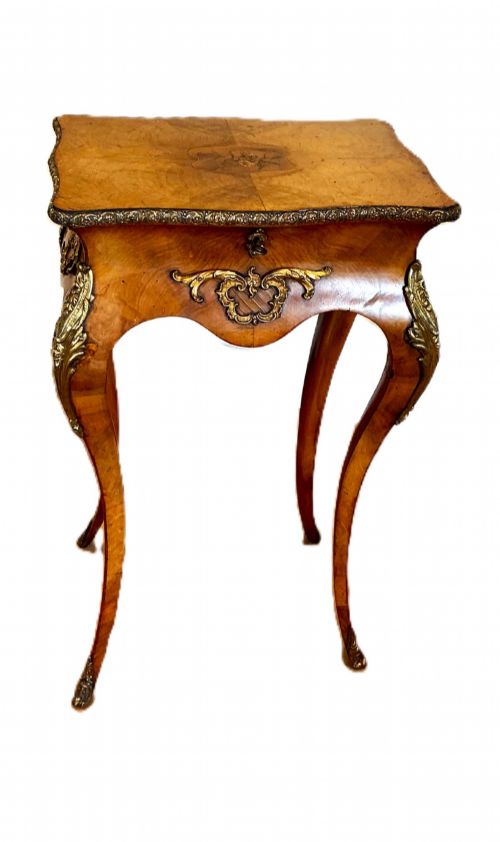
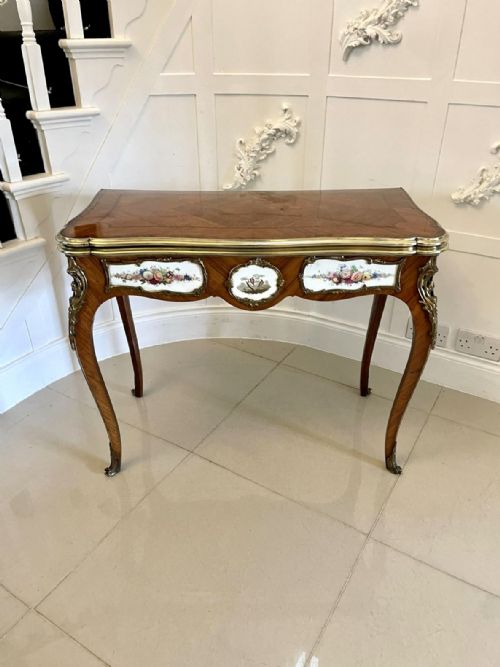
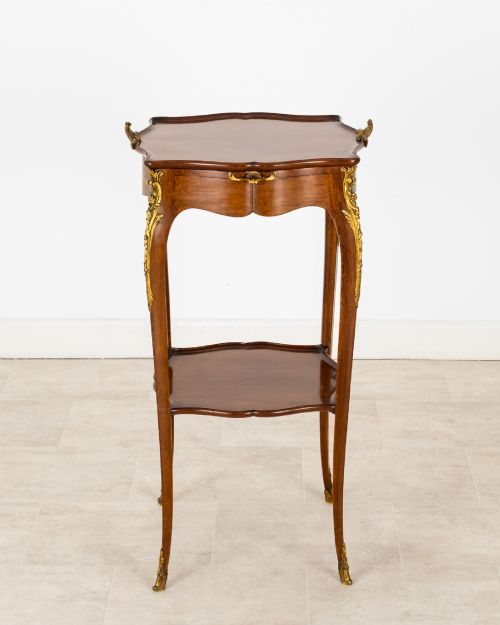
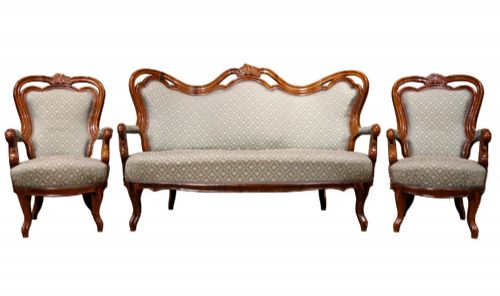
When you search for louis xv revival furniture, you encounter ornate nineteenth-century pieces that reinterpret eighteenth-century French forms with Victorian ambition. The selection on this page relies heavily on side tables, display cabinets, occasional tables, beds, salon suites, and writing desks produced from the mid-nineteenth century into the early twentieth century.
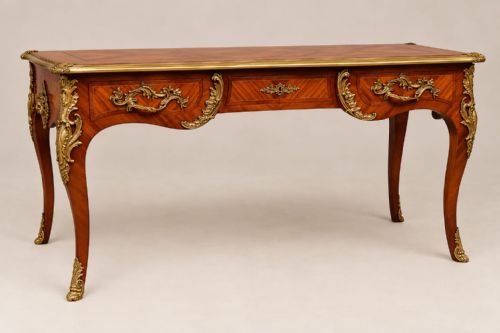
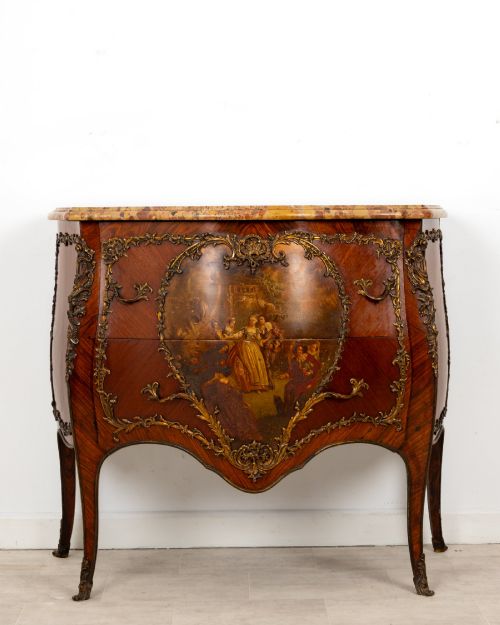
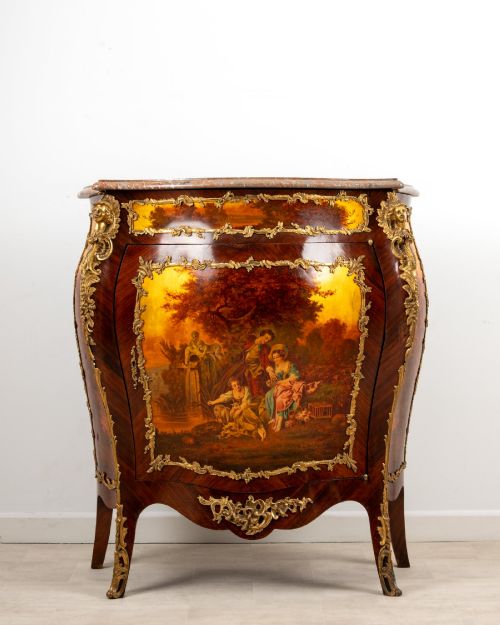
The version you are most likely to meet is a kingwood or walnut table, vitrine, or commode finished with cast or gilt-bronze mounts. These pieces draw directly on the asymmetrical lines and naturalistic motifs of the original French court style while adapting to later European parlours and drawing rooms.
How they were made
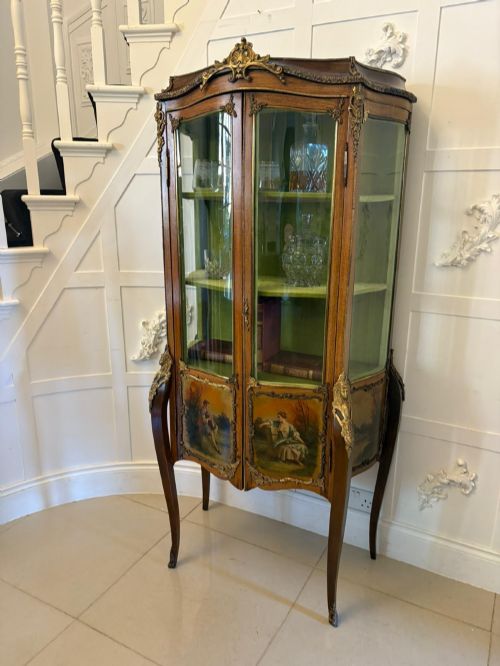
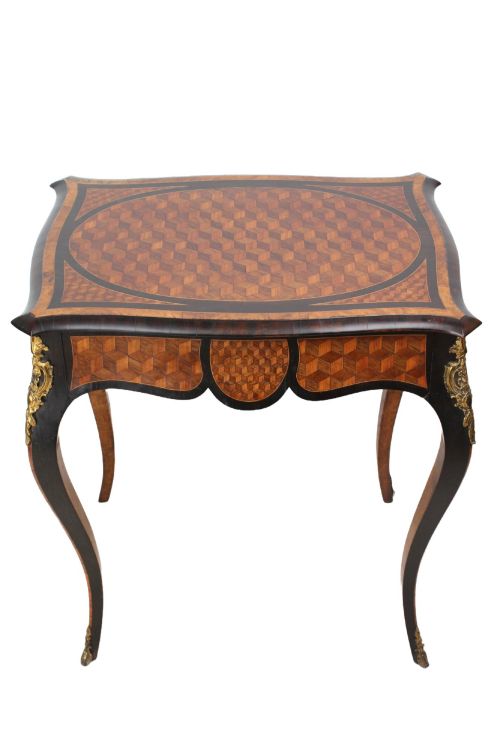
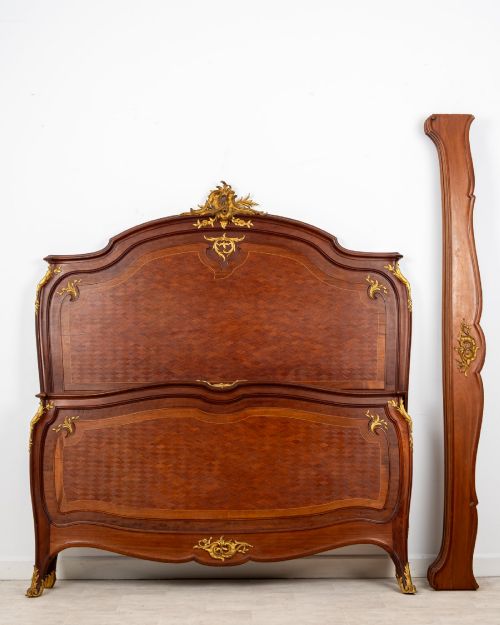
Cabinetmakers constructed these forms using sturdy carcases of walnut, mahogany, or satinwood, overlaid with decorative veneers including kingwood and rosewood arranged in complex parquetry and marquetry patterns. Vernis Martin finishes appear alongside porcelain plaques, adding painted decoration and high-gloss depth to selected cabinets and writing desks.
Ormolu, gilt bronze, and brass mounts were cast, chased, and secured to corners, legs, and aprons to accentuate the undulating contours of each piece. Marble tops, often fitted to commodes and small tables, added weight and a cool, finished surface above the elaborate woodwork.
Listings feature items spanning the nineteenth and early twentieth centuries, utilising walnut, kingwood, rosewood, and mahogany alongside marble and ormolu.
What varies in quality
Quality separates ordinary production from exceptional workshop output through the crispness of the gilt-bronze chasing and the precision of the veneer work. Maker attribution plays a significant part, with pieces bearing the stamp of recognised firms demonstrating superior timber selection and structural joinery.
The refinement of the carving on walnut or giltwood frames and the integration of specialised elements such as Vernis Martin panels or porcelain plaques dictate the upper tiers of the range.
JAS Shoolbred·Joseph-Emmanuel Zwiener·G T Morant·François Linke·Morison & Co of Edinburgh·Gillows
The Louis XV Revival Furniture Glossary
- Ormolu
- Gilded bronze used for decorative mounts and accents on furniture. It provides a bright metallic contrast against dark kingwood and walnut veneers.
- Kingwood
- A dense, richly figured timber native to South America, prized for its contrasting dark and golden brown grains used extensively in parquetry.
- Vernis Martin
- A simulated Japanese varnish technique developed in France, used to create translucent painted panels on cabinets and commodes.
- Bureau plat
- A flat-topped freestanding writing desk, typically fitted with drawers and mounted with bronze or brass.
- Parquetry
- Geometric mosaic woodwork formed by small veneer tiles arranged in patterns across table tops and cabinet fronts.
- Vitrine
- A glass-fronted display cabinet designed to showcase porcelain, silver, and curiosities.
Louis XV Revival Furniture: Frequently Asked Questions
How do I date these pieces?
Dating relies on timber choices, construction methods, and stylistic cues within the nineteenth-century revival movement. Most examples date from the eighteen-fifties to the early twentieth century.
Makers' stamps, brass locks, and the specific composition of the ormolu mounts help narrow the decade of manufacture.
How should I care for kingwood veneers?
Kingwood and rosewood veneers require stable indoor humidity and protection from direct sunlight to prevent fading and splitting. Polishing should be done sparingly with appropriate wax.
Avoid placing damp items directly on polished wood or marble surfaces to preserve the original finish.
Where were these pieces used?
Original locations included formal drawing rooms, boudoirs, and grand salons where display cabinets and salon suites projected status and taste. Vitrines housed porcelain collections, while writing desks served domestic correspondence.
Today, they function effectively as focal points in modern living spaces, hallways, and bedrooms.