

Louis Philippe Overmantel
A louis philippe overmantel brings restrained French elegance to a room, offering clean architectural lines and luminous reflection that anchors a fireplace.
Louis Philippe Overmantel
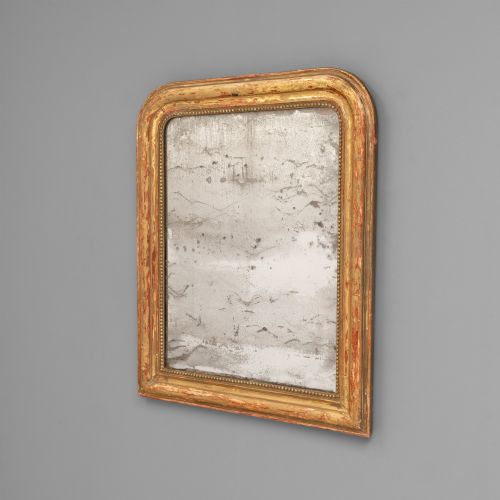
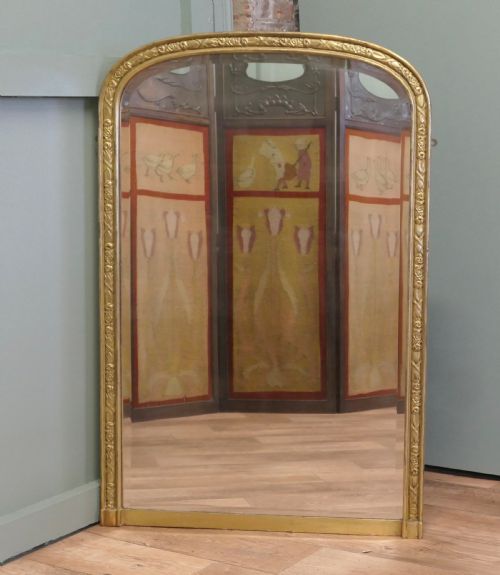
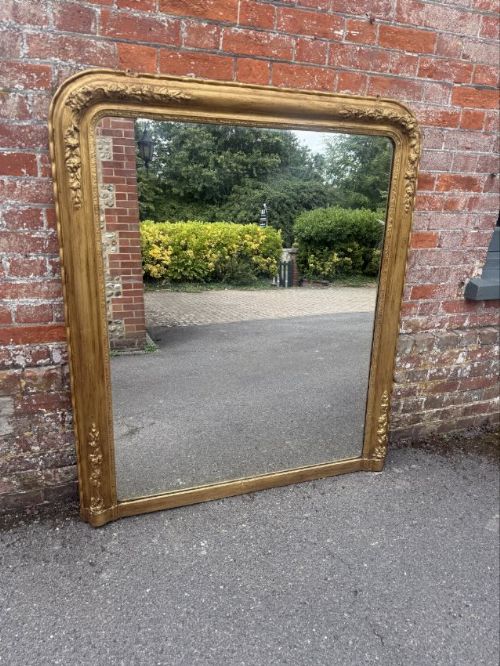
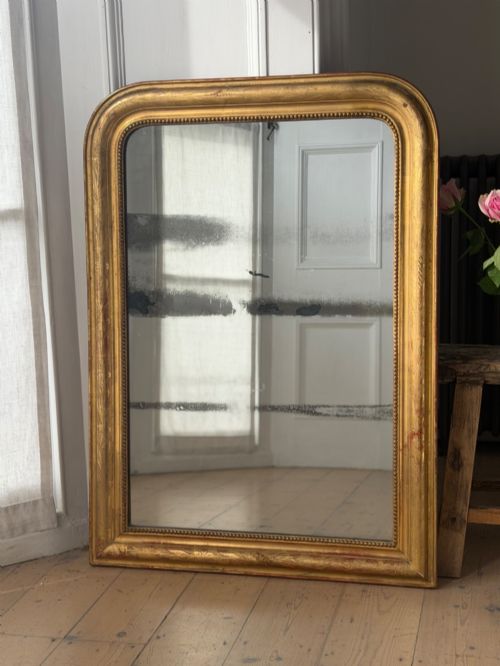
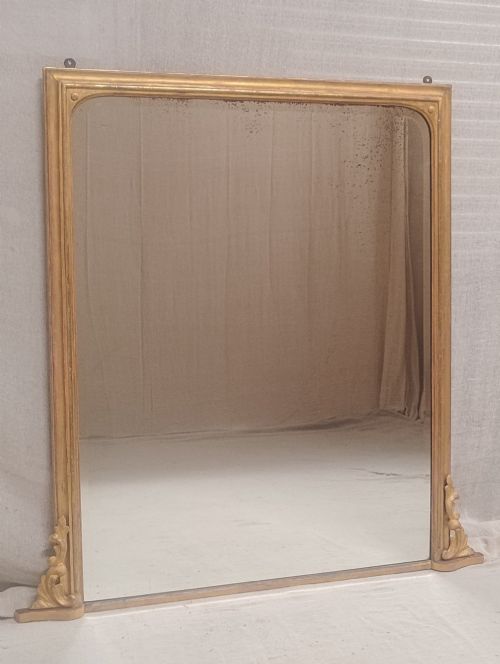
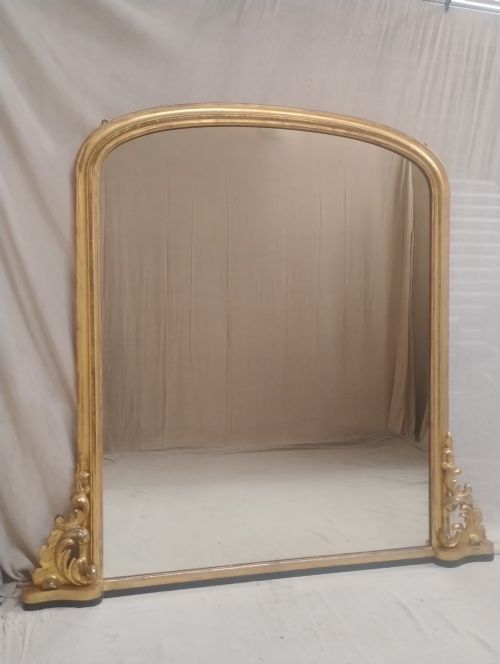
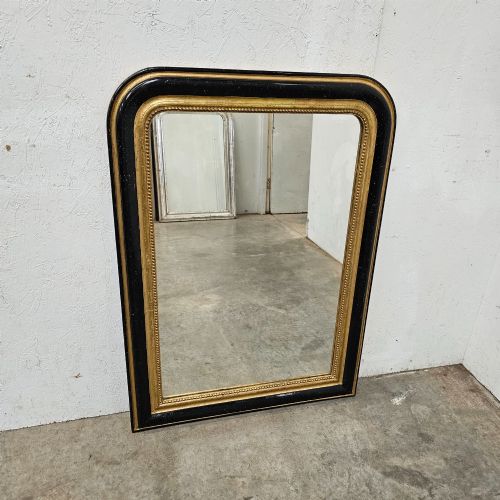
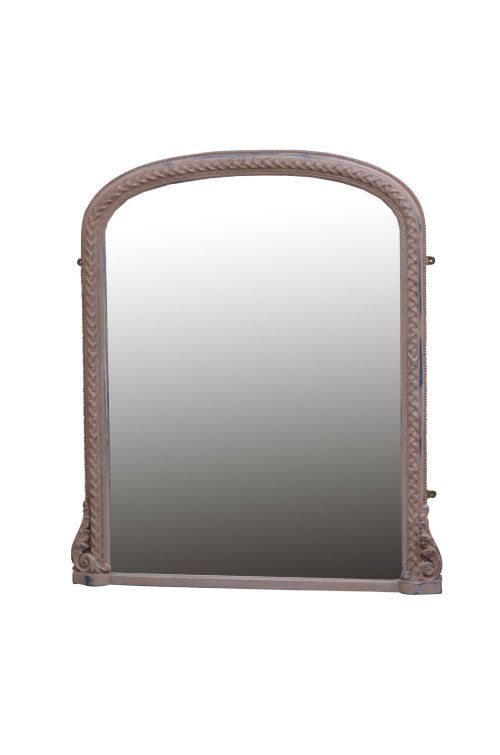
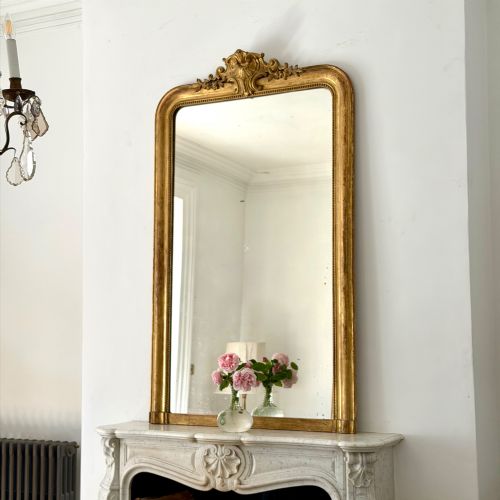
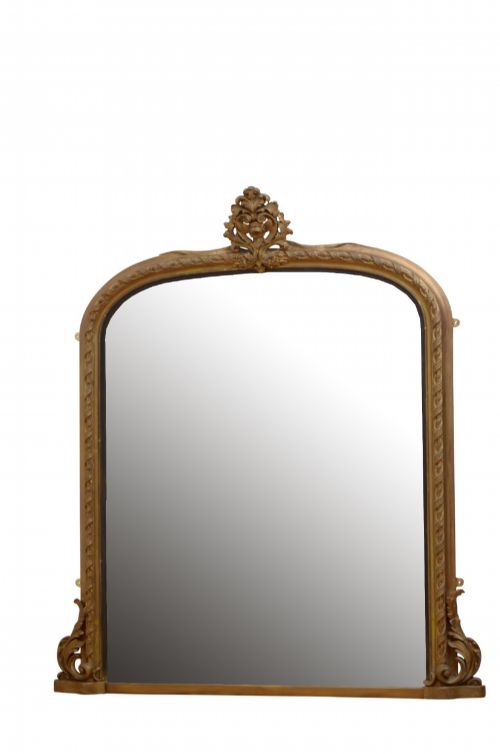
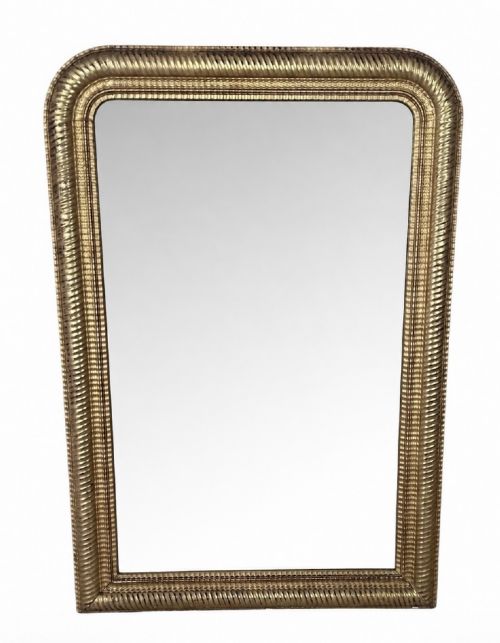
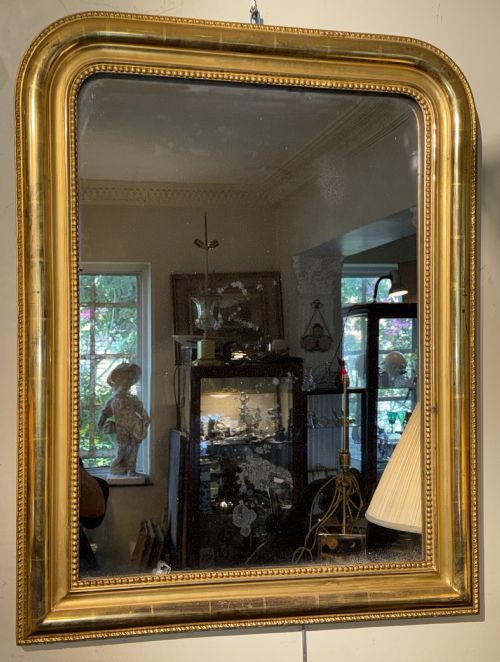
A louis philippe overmantel is a large wall mirror traditionally designed to sit above a mantelpiece, defined by simple geometric frames and subtle top corners. The examples found here span the nineteenth century, including specific decades such as eighteen-fifty, eighteen-sixty, eighteen-seventy, eighteen-eighty, and nineteen-hundred, alongside Victorian interpretations.
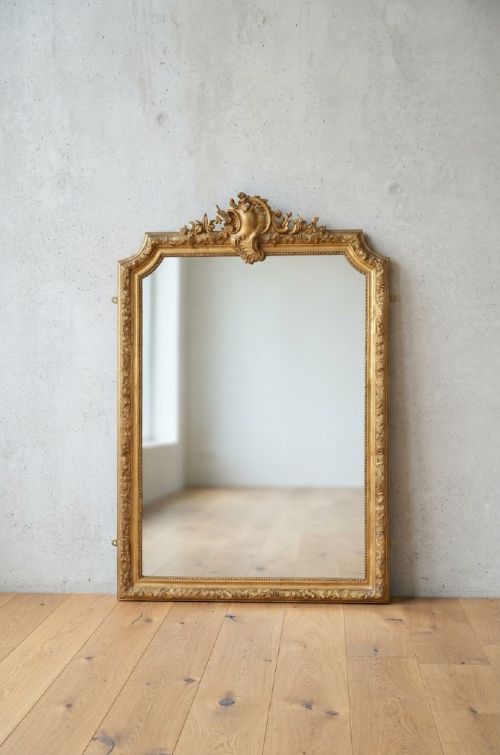
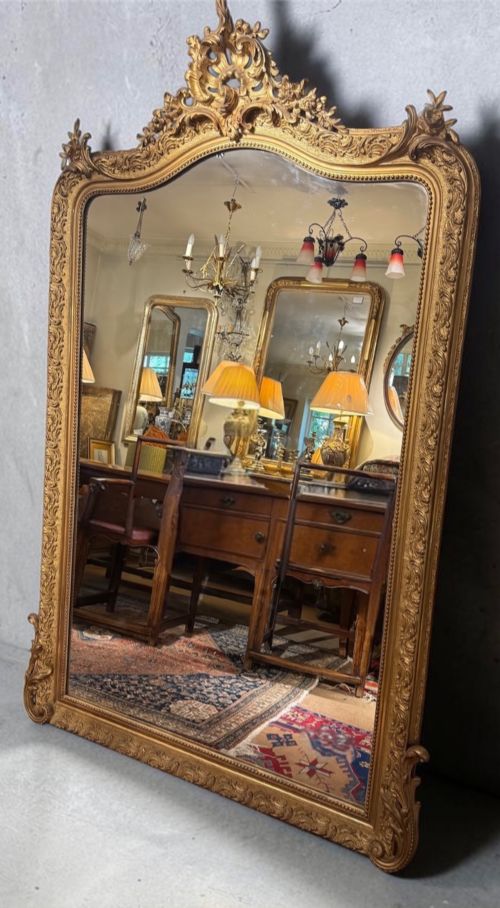
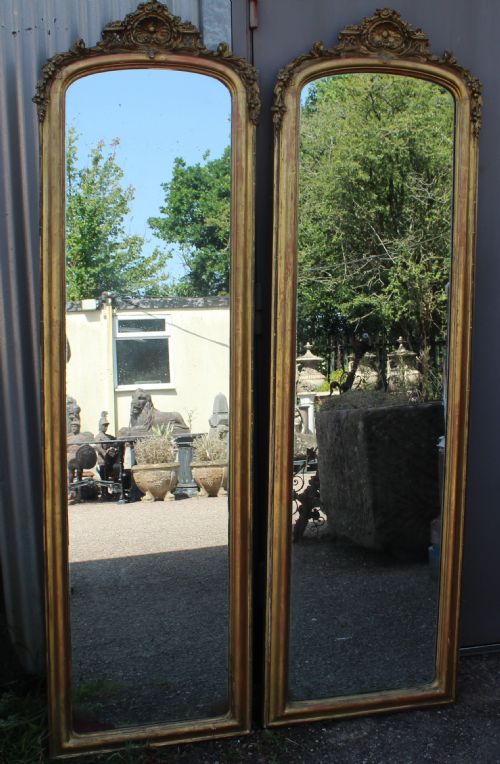
Most pieces take the form of tall wall mirrors or overmantel mirrors originating from France, though English variants also appear. Common shapes include standard rectangular frames alongside arched tops and shaped top profiles, ranging from modest dimensions to grand heights exceeding one hundred and eighty centimetres.
While many pieces adopt traditional gilt finishes, others display distinct colour palettes including layered lilac and ink blue, black ebonised and cream combinations, or painted wooden surfaces. These objects function primarily as wall mirrors, pier mirrors, and decorative architectural fixtures.
How they were made
Makers constructed the structural frames using wood, walnut, or carved wood and gesso, applying layers of gesso to create smooth surfaces for gilding. Frames were then finished with gold leaf, silver leaf, or giltwood, whilst others received decorative painted treatments.
Mirrors incorporated mirror glass and mercury glass, frequently showing age-related characteristics such as foxing. Artisans also utilised ripple moulding techniques and carved central cartouches to embellish the wooden frames.
The inventory records wall mirrors and overmantel mirrors spanning French and English workshops, incorporating arched top profiles and ebonised frames.
What varies in quality
Quality depends upon the crispness of the carved wood and gesso relief work and the depth of the gilding. Superior examples maintain intact original gilding or authentic painted surfaces without heavy modern intervention.
The nature of the glass plate contributes significantly to the character of the piece, with genuine period mercury glass and original mirror plates holding distinct appeal. Frame construction, joinery stability, and the preservation of decorative elements such as central cartouches further distinguish standard production from finer craftsmanship.
The Louis Philippe Overmantel Glossary
- Giltwood
- Wood that has been coated with a thin layer of gold leaf or metal powder. This finish provides a luminous metallic surface that defines many traditional mirror frames.
- Gesso
- A plaster-like mixture applied to wooden frames as a base for gilding or painting. It allows artisans to carve intricate details and smooth contours before applying leaf.
- Foxing
- Age-related spots and discoloration within the silver backing of mirror glass. This chemical alteration creates a characteristic mottled appearance valued by collectors for its authenticity.
- Overmantel
- A large mirror or painting specifically proportioned to hang above a fireplace mantel. These pieces were historically designed to reflect light from the hearth into the room.
- Mercury glass
- A type of double-walled glass blown in the nineteenth century, lined with a silver-mercury amalgam. It produces a distinctive reflective quality distinct from modern aluminium backing.
- Cartouche
- An ornamental framed tablet or scroll-like design placed centrally on the mirror frame. It serves as a decorative focal point, often featuring carved relief details.
Louis Philippe Overmantel: Frequently Asked Questions
What is a louis philippe overmantel?
A louis philippe overmantel is a large wall mirror created during the nineteenth century, characterised by gently rounded top corners and a restrained frame.
These mirrors were designed specifically to sit above fireplace mantels, combining practical reflection with understated decorative presence.
How do I hang an overmantel mirror safely?
Because these mirrors are exceptionally heavy, they require secure wall fixings anchored directly into masonry or substantial wall studs.
Professional mirror hangers often utilise heavy-duty wall brackets or split battens to distribute the considerable weight of the wooden frame and glass plate evenly.
Are mercury glass mirrors safe?
Yes, the mercury in antique mirror glass is safely sealed between layers or behind the glass plate during manufacturing.
Normal daily placement and cleaning pose no risk, allowing you to enjoy the characteristic foxed reflection without concern.
How do I date a louis philippe mirror?
Dating relies upon examining the construction methods of the wooden frame, the composition of the gesso, and the backboards.
Original mirror plates, particularly those showing period mercury backing or specific corner joinery, provide reliable clues to the decade of manufacture.