



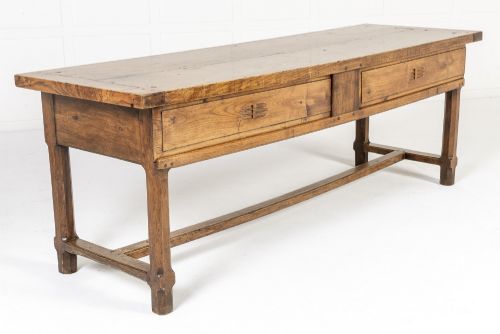


Long French Oak Table
A long french oak table anchors a room with generations of utility, offering generous timber surfaces built for daily family life.
Long French Oak Table
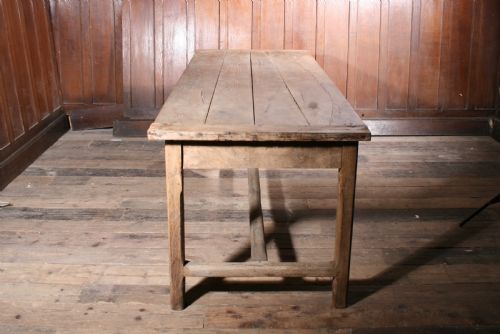
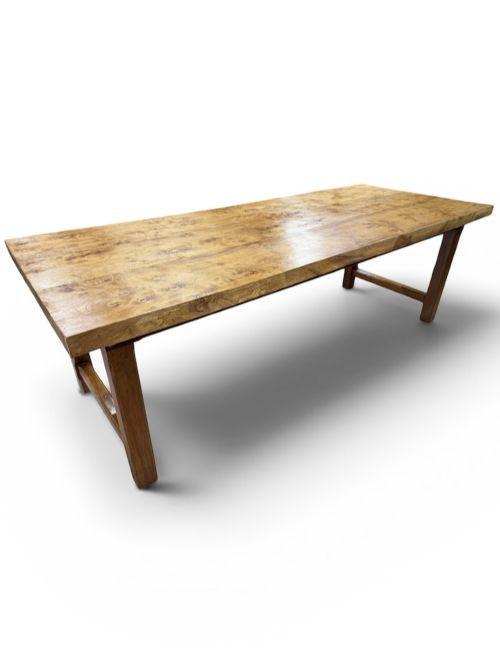
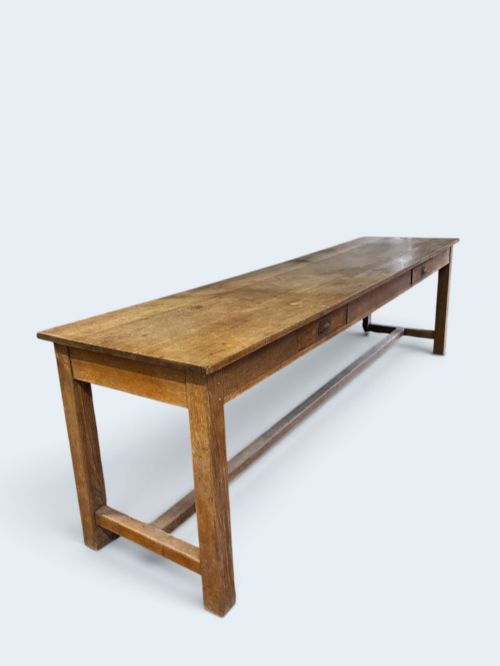
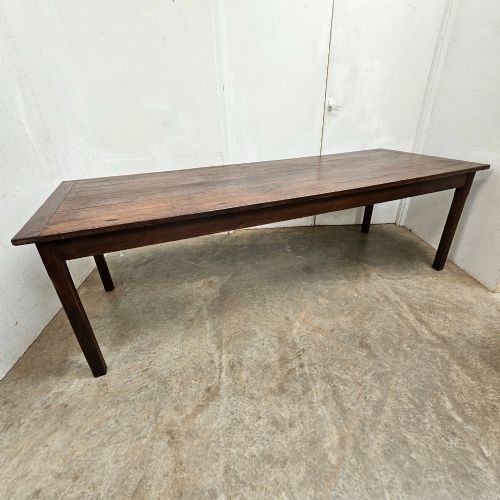
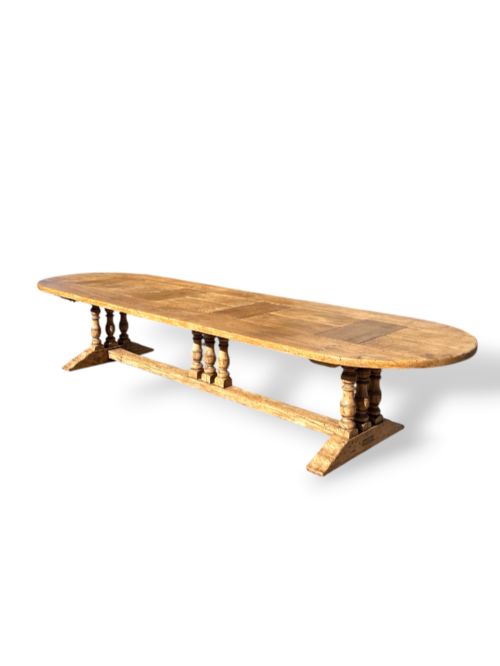
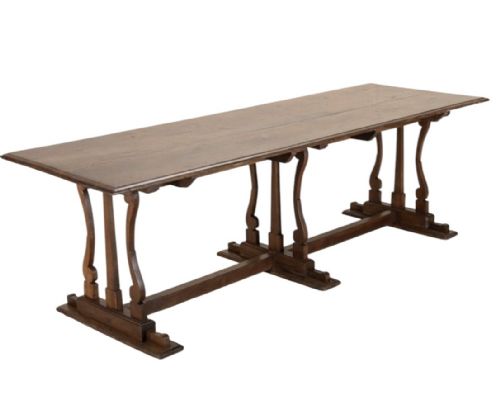
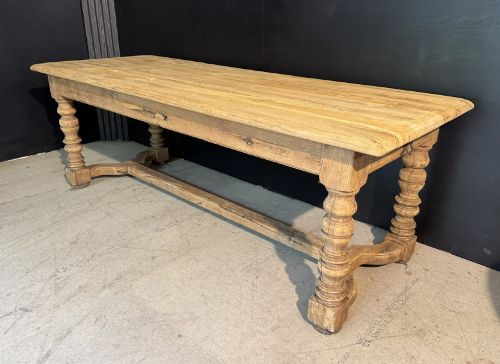
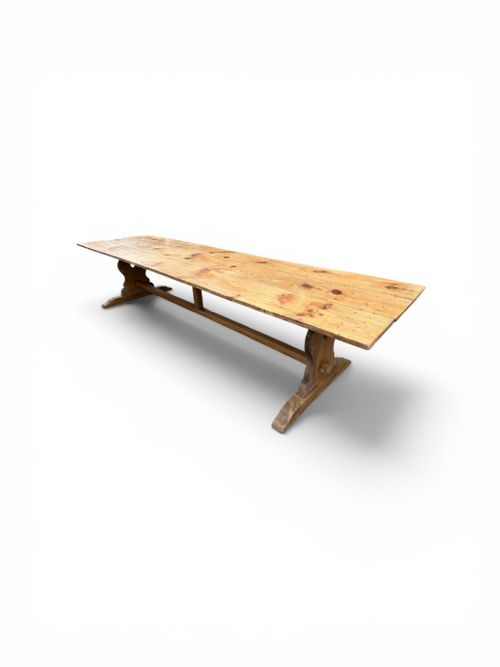
When searching for a long french oak table, buyers encounter substantial dining, refectory, and drapers pieces originating from the nineteenth century alongside earlier eighteenth-century examples. These items span various formats, including kitchen dining tables, monastery tables, and large serving tables designed for communal gatherings.
The inventory demonstrates a strong preference for extended proportions, frequently reaching lengths between two and four metres. Buyers regularly meet rustic farmhouse and provincial styles featuring plank tops and sturdy structural framing.
Originating largely from rural French contexts, these tables display the practical forms required by large households, workshops, and community halls. Solid oak construction dominates the selections, occasionally paired with secondary timbers like pine or poplar.
Distinctions in Quality and Make
Quality separates pieces through the selection of timber and the integrity of the original construction. Superior examples exhibit thick, well-matched oak plank tops that maintain structural alignment over great lengths.
The refinement of the joinery and the proportion of the undercarriage define the upper tier of the range. Tables retaining original surfaces and authentic historical patination demonstrate greater craftsmanship than heavily altered equivalents.
Many of these tables retain faint ink stains and carved initials left by generations who treated them as true workplace surfaces.
The Long French Oak Table Glossary
- Refectory table
- A long, narrow dining table historically used in communal dining halls. These pieces are characterised by substantial length and sturdy stretcher bases.
- Drapers table
- A long utility table traditionally employed in textile display and handling. They frequently incorporate multiple drawers and deep proportions.
- Plank top
- A table top constructed from parallel wooden boards joined side by side. This method allowed makers to achieve expansive widths using solid timber.
- Bleached oak
- Oak timber treated to lighten its natural colour. This finish creates a pale, muted surface tone popular in provincial interiors.
- Monastery table
- An exceptionally heavy and large refectory table style. These impressive pieces were built to accommodate large gatherings in institutional settings.
Long French Oak Table: Frequently Asked Questions
How do I style a long french oak table?
Pair the table with simple seating to let the timber grain remain the primary focus of the room. Mixing bench seating with mismatched chairs offers an authentic country aesthetic.
Keep table dressings understated to accommodate the substantial length without cluttering the surface. Natural linens and simple ceramics complement the historical character of the wood.
Were these tables used only for dining?
Historical usage extended far beyond family meals into daily domestic labour and community administration. Drapers tables and workbenches served functional roles in trade and preparation.
Large refectory and monastery formats accommodated communal gatherings, meetings, and food production. Their robust construction was engineered for heavy, continuous labour.
How do I care for antique oak surfaces?
Protect the timber from excessive moisture and sudden temperature shifts by using coasters and placemats. Regular dusting with a soft cloth maintains the natural surface without stripping the patina.
Avoid harsh chemical cleaners that can damage historical finishes. Application of traditional wax preserves the moisture and depth of the oak over time.
What indicates an eighteenth-century date?
Earlier pieces exhibit hand-cut joinery marks and structural irregularities characteristic of pre-industrial woodworking tools. The grain patterns and natural wear show distinct age-related integration.
Nail types, peg construction, and timber seasoning methods align with eighteenth-century provincial cabinet-making practices. These details separate older foundations from nineteenth-century revivals.