

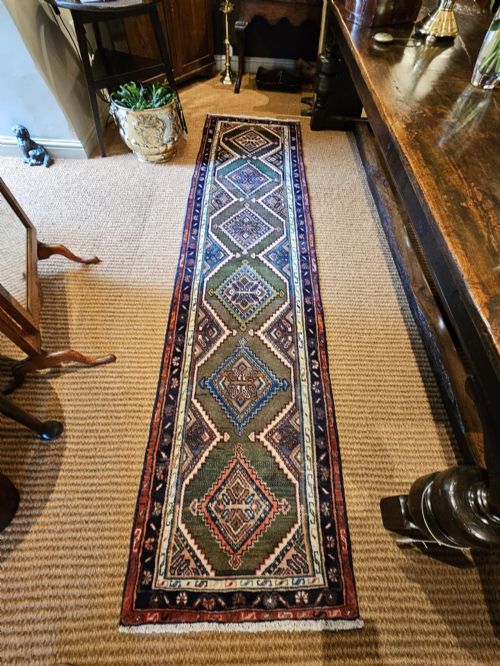
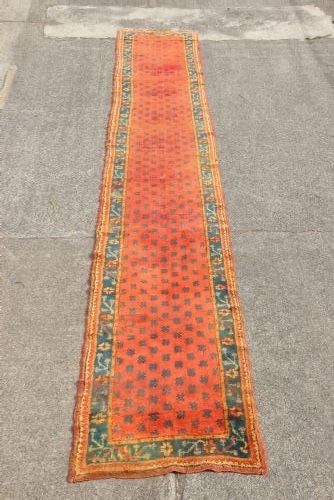

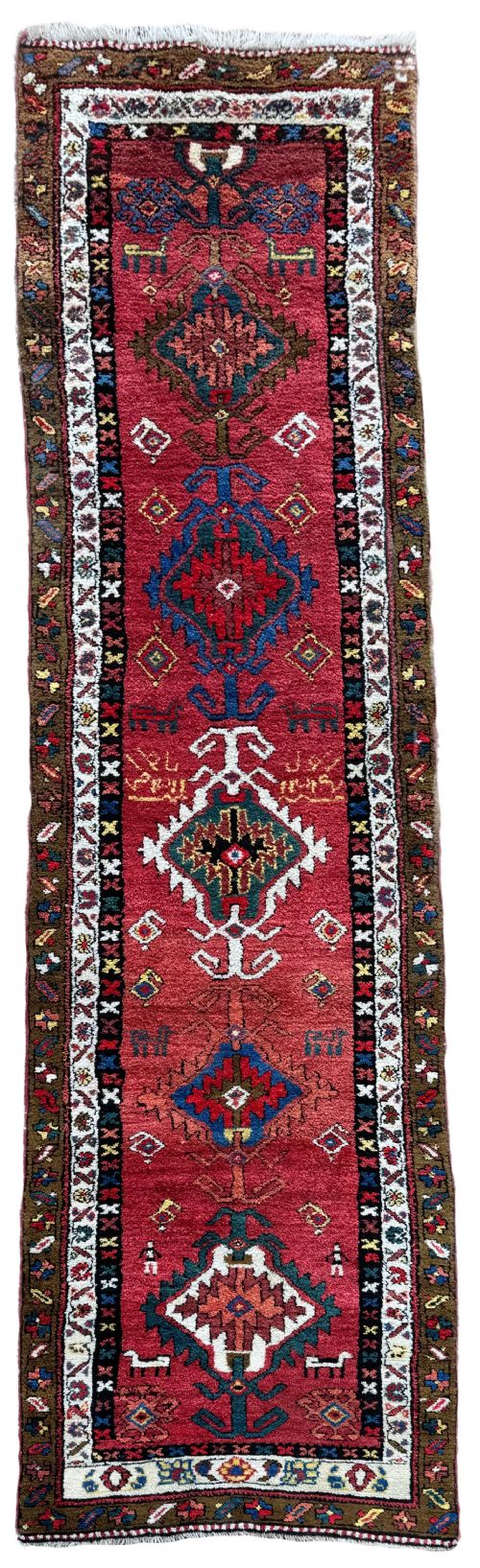
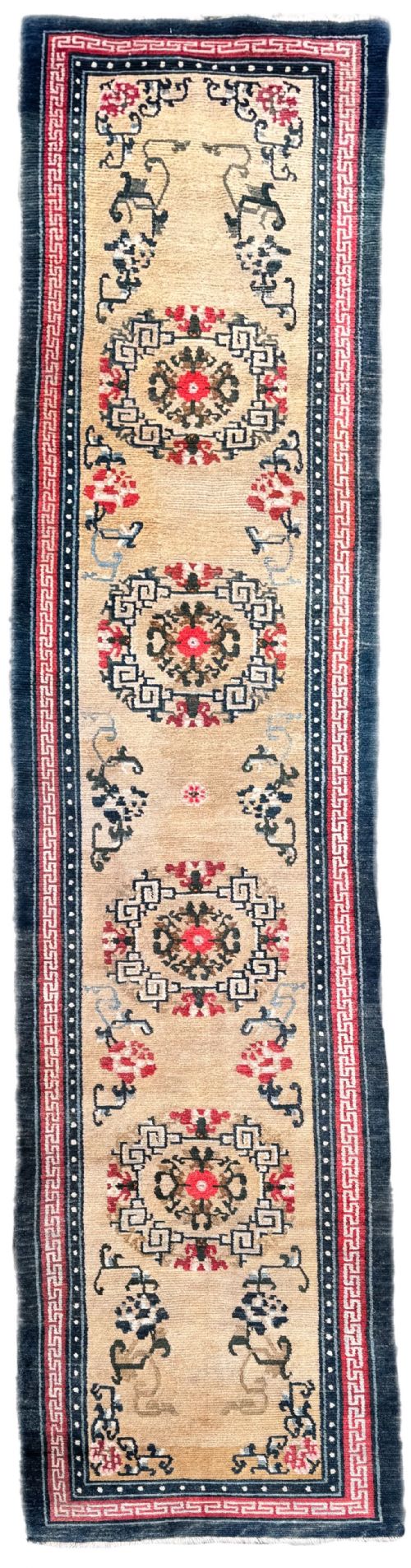
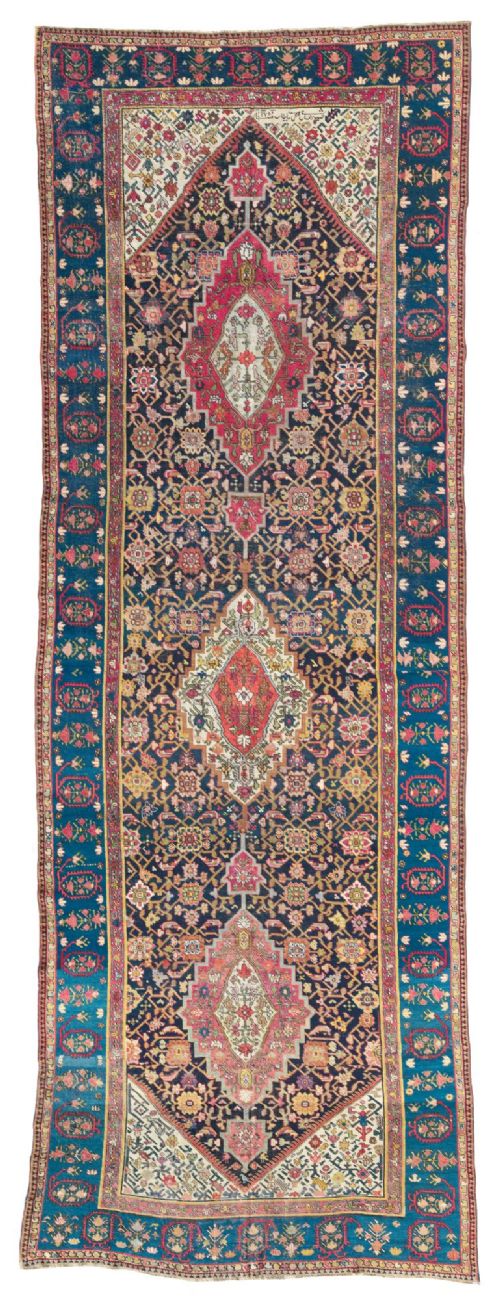

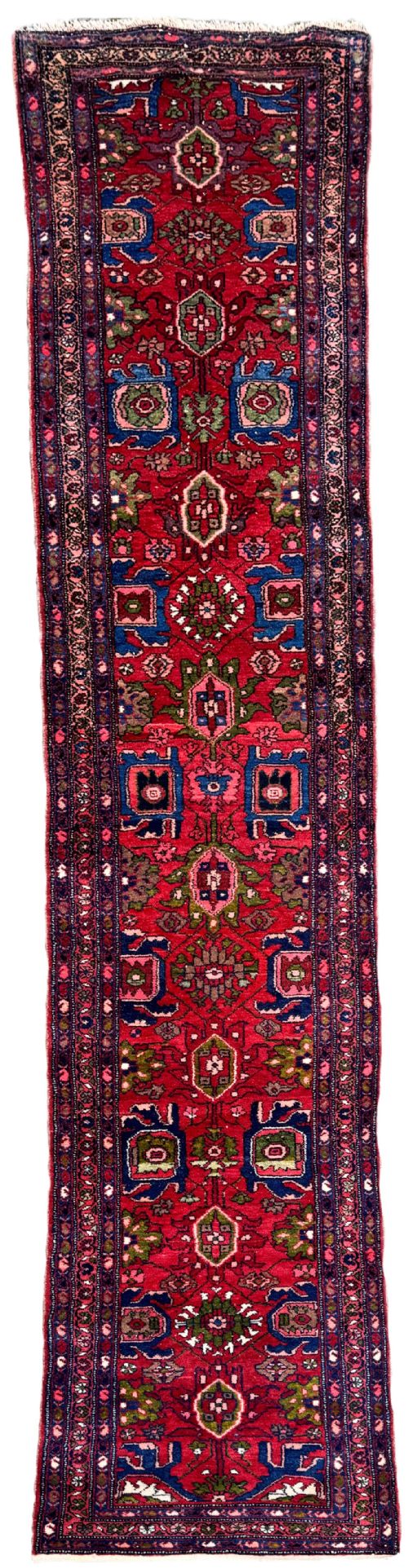
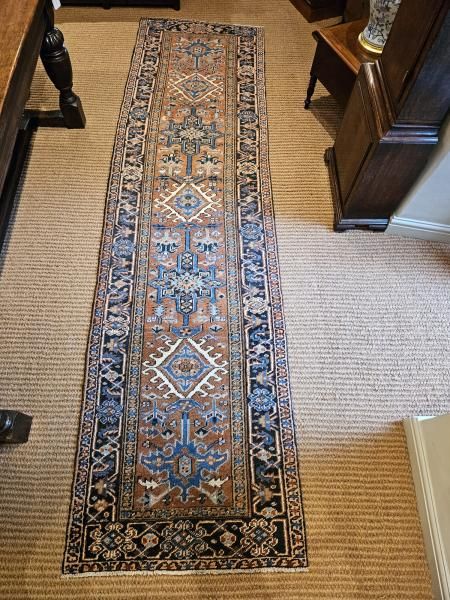
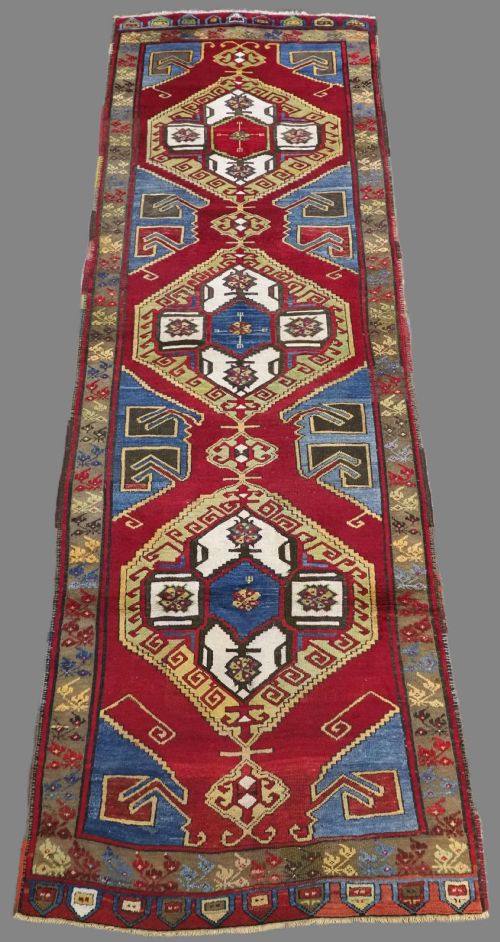
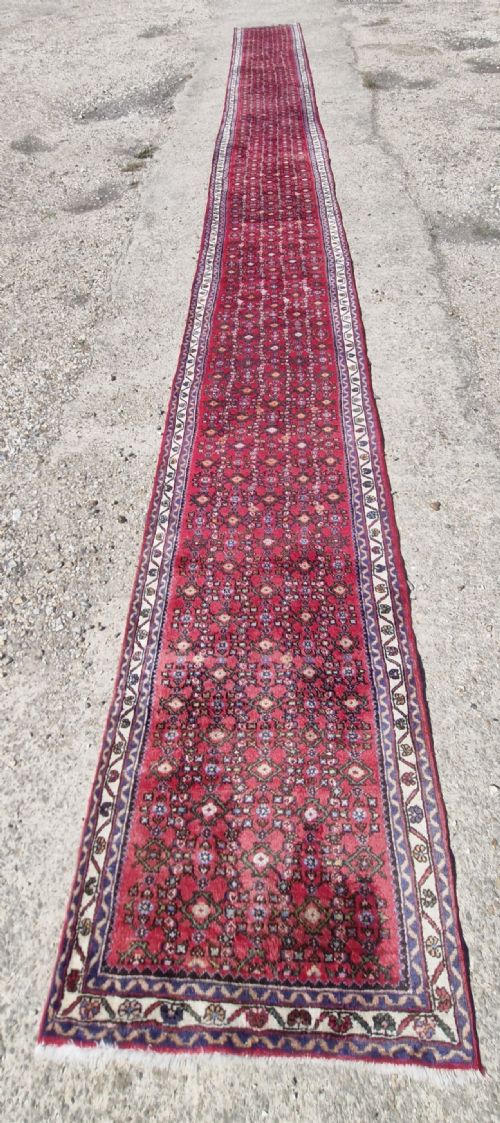
Long Corridor Runner Rug
A long corridor runner rug brings warmth and definition to narrow hallways, offering endurance through decades of footfall.
Long Corridor Runner Rug
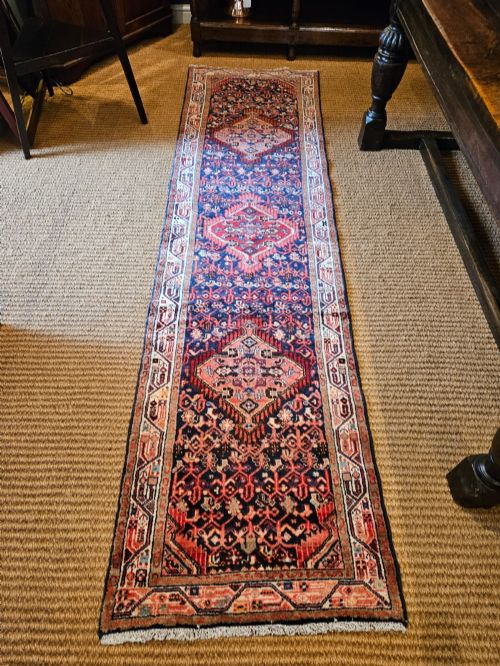
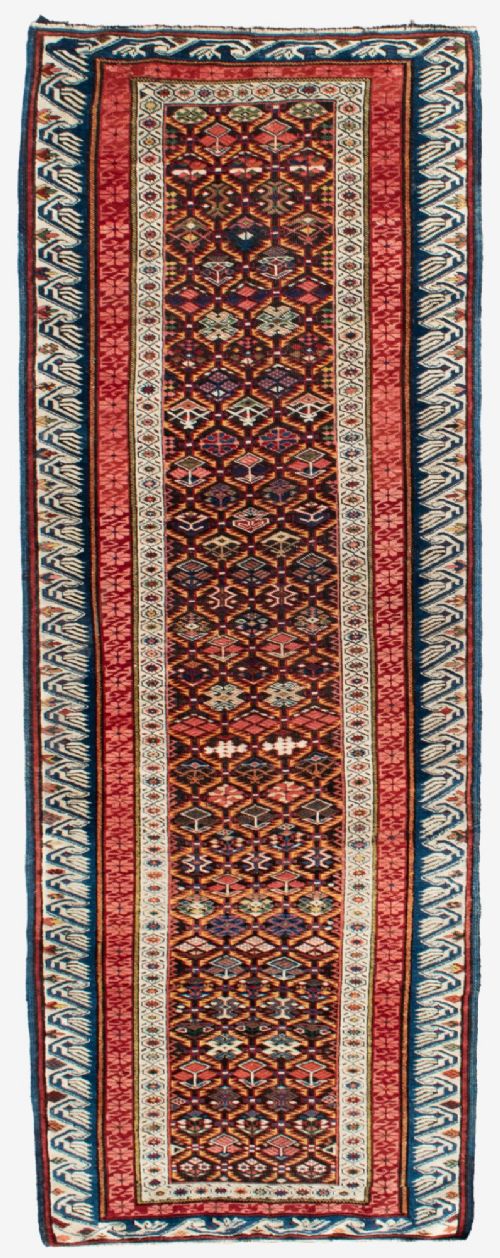
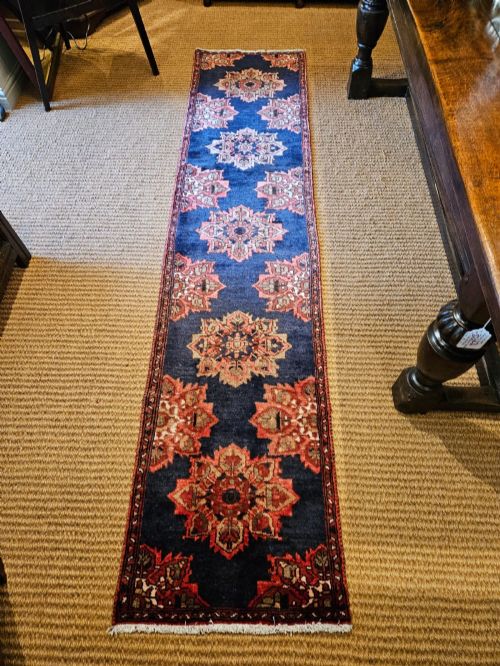
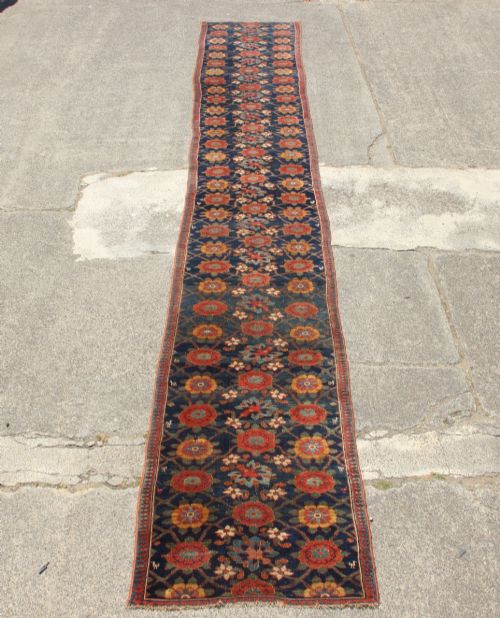
A long corridor runner rug spans hallways and landings, linking rooms while softening bare timber or stone floors. When searching for a long corridor runner rug, buyers encounter narrow formats woven across regions such as Persia, Anatolia, the Caucasus, and Tibet.
The selections span distinct cultural weaving traditions including Kurdish, Heriz, Hamadan, Shirvan, and Oushak designs. These antique floor coverings range from compact lengths to grand spans exceeding three or even nine metres, suited to prolonged spaces.
Pieces originating from village and tribal workshops appear frequently, showcasing geometric motifs, medallion layouts, and runner formats tailored for heavy domestic passages.
How They Were Made
Makers utilised wool and hand-spun wool for pile construction, offering resilience against friction in busy passageways. Cotton foundation warps and wefts provide structural stability to maintain straight edges along extended floor lengths.
Natural dye extraction methods impart deep tones of navy blue, olive green, and earthy reds that mature gracefully over centuries. Knotting techniques vary by origin, binding the wool tightly to withstand continuous pressure from footsteps.
Listings feature traditional runner formats originating from 1850 to 1960 across Persian, Anatolian, Caucasian, and Tibetan workshops.
What Varies in Quality
The integrity of the wool pile and the tightness of the knotting dictate longevity in daily use. Finer examples display precise geometric or floral detailing alongside balanced proportions from end to end.
Condition varies according to historical exposure to foot traffic, resulting in natural surface wear or deliberate distressing that alters the texture of the pile.
The Long Corridor Runner Rug Glossary
- Kelleh
- A large format carpet or long rug traditionally proportioned narrower than standard room sizes. It serves well in extended spaces and narrow halls.
- Runner
- A long, narrow carpet format designed specifically for corridors, staircases, and hallways. These pieces measure significantly longer than their width.
- Pile
- The upright yarn loops or cut ends that form the soft surface of a rug. Pile depth affects both underfoot comfort and wear resistance.
- Warp
- The vertical threads stretched tightly on the loom before weaving begins. Foundation warps support the structural weight of the entire rug.
- Weft
- The horizontal threads passed alternately over and under warp threads to lock knots in place. Sound wefting ensures the rug lies flat on the floor.
Long Corridor Runner Rug: Frequently Asked Questions
Where should I place a runner rug?
These formats suit narrow passageways, corridors, landings, and entrance halls where floor protection and visual warmth matter.
They also bridge larger rooms together by guiding movement through transition spaces in a home.
How do I clean a wool runner?
Regular gentle vacuuming without a rotating brush bar removes surface dust safely from antique wool piles.
Professional specialist cleaning is recommended for deep washing to protect natural dyes and fragile foundations.
Are antique runners durable enough for daily use?
Traditional village and tribal pieces utilise dense wool construction designed specifically to endure generations of heavy foot traffic.
Placing a quality underlay beneath the rug prevents slipping and reduces friction against hard flooring.
How can I identify the origin of a rug?
Stylistic motifs, border arrangements, and specific colour palettes point directly to regional weaving traditions like Heriz, Hamadan, or Shirvan.
Structural characteristics such as knot density and edge finishing provide further clues to where and when a piece was made.