





Locking Oak Box
A locking oak box secures valuables behind stout timber and metal work, offering both practical storage and historic character.
Locking Oak Box
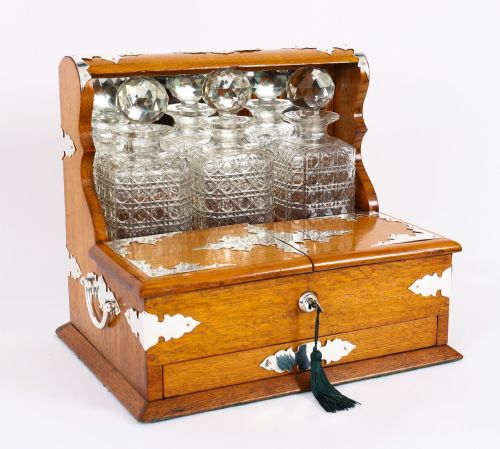
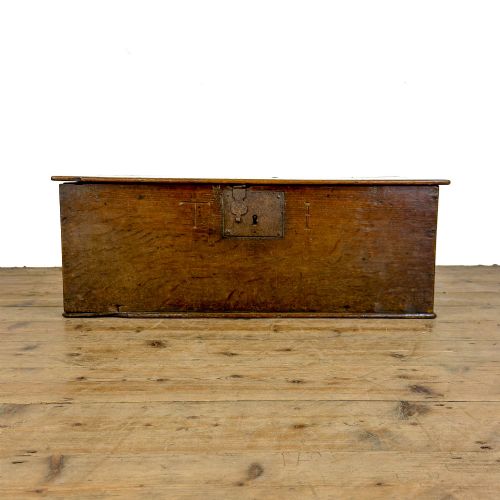
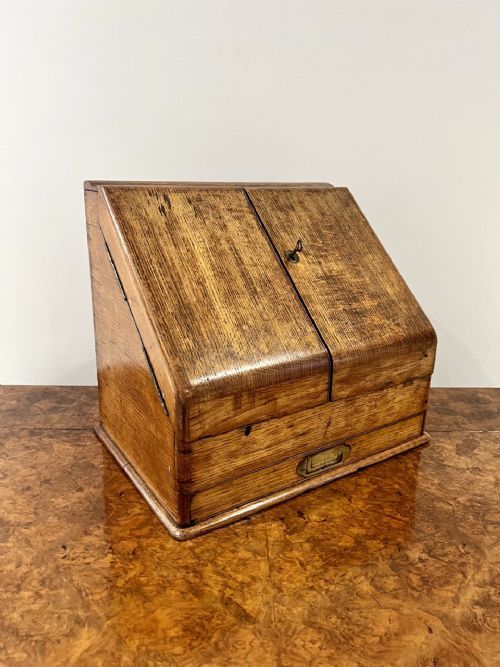
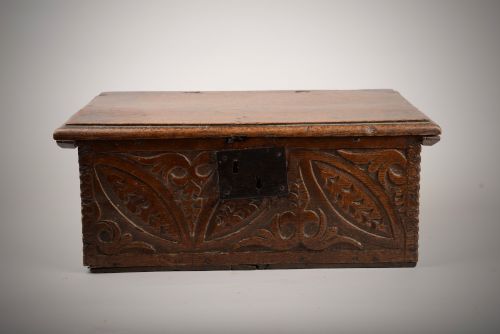
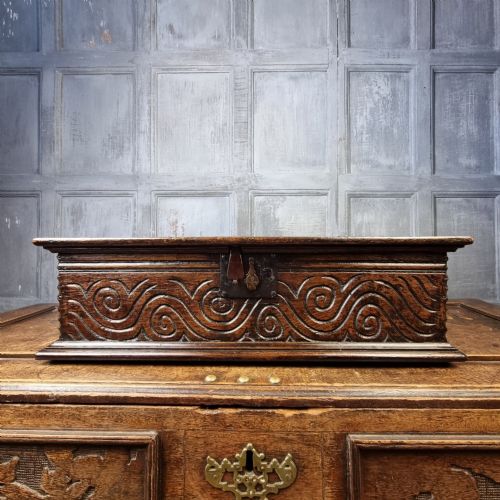
A locking oak box encompasses everything from heavy 17th-century safe boxes and bible boxes to Victorian stationery cabinets and tantalus dry bars. Buyers searching for a locking oak box encounter sturdy domestic containers designed to keep documents, spirits, or valuables secure under lock and key.
The pieces on this page span the 16th century through to the Edwardian era, incorporating styles such as Jacobean, Georgian, Victorian, and Arts and Crafts. Smaller table boxes and desk boxes sit alongside larger coffers, blanket chests, and sword chests.
Originating primarily from English and continental workshops, these containers utilise robust hardwoods and functional hardware. The most frequent encounters on this page are 17th-century bible or desk boxes and 19th-century stationery boxes or tantalus sets.
What varies in quality
Quality rests in the integrity of the timber selection, the crispness of any hand carving, and the sophistication of the locking mechanism. Superior examples retain original working locks, keys, and untouched surface patination.
Construction methods also separate utilitarian items from fine pieces, particularly where secondary woods, dovetailing, and original brass or iron hardware are integrated.
Locking Oak Box Retail Price Guide 2026
Typical asking prices for locking oak box among the pieces listed under this phrase on Sellingantiques today, from the lower quarter to the upper quarter. They describe what is for sale here now, not the wider market.
A proper tantalus holds your best whiskey hostage behind a wooden bar until someone produces the tiny brass key.
The Locking Oak Box Glossary
- Bible box
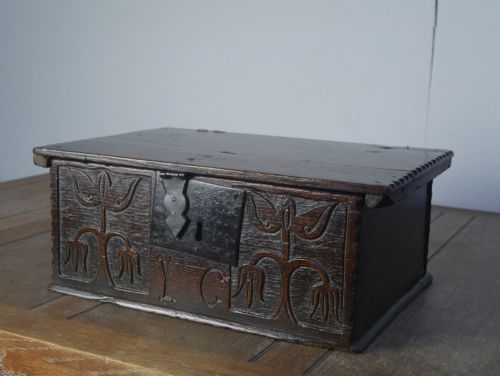
- A small table box traditionally used for storing family Bibles and important manuscripts. These often feature sloping lids and date from the 17th or 18th century.
- Tantalus
- A locking drink cabinet that displays decanters securely while preventing access without a key. They gained popularity during the Victorian period.
- Cofer
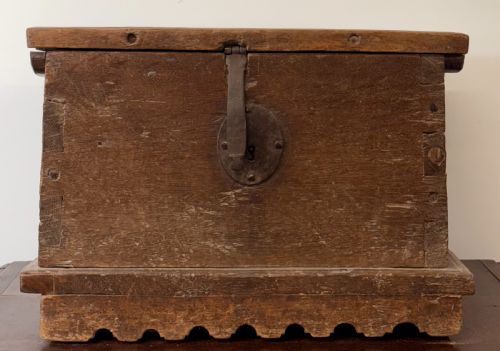
- A large timber chest or strongbox reinforced with iron bands for travel or secure household storage. Early examples date to the 16th and 17th centuries.
- Stationery box
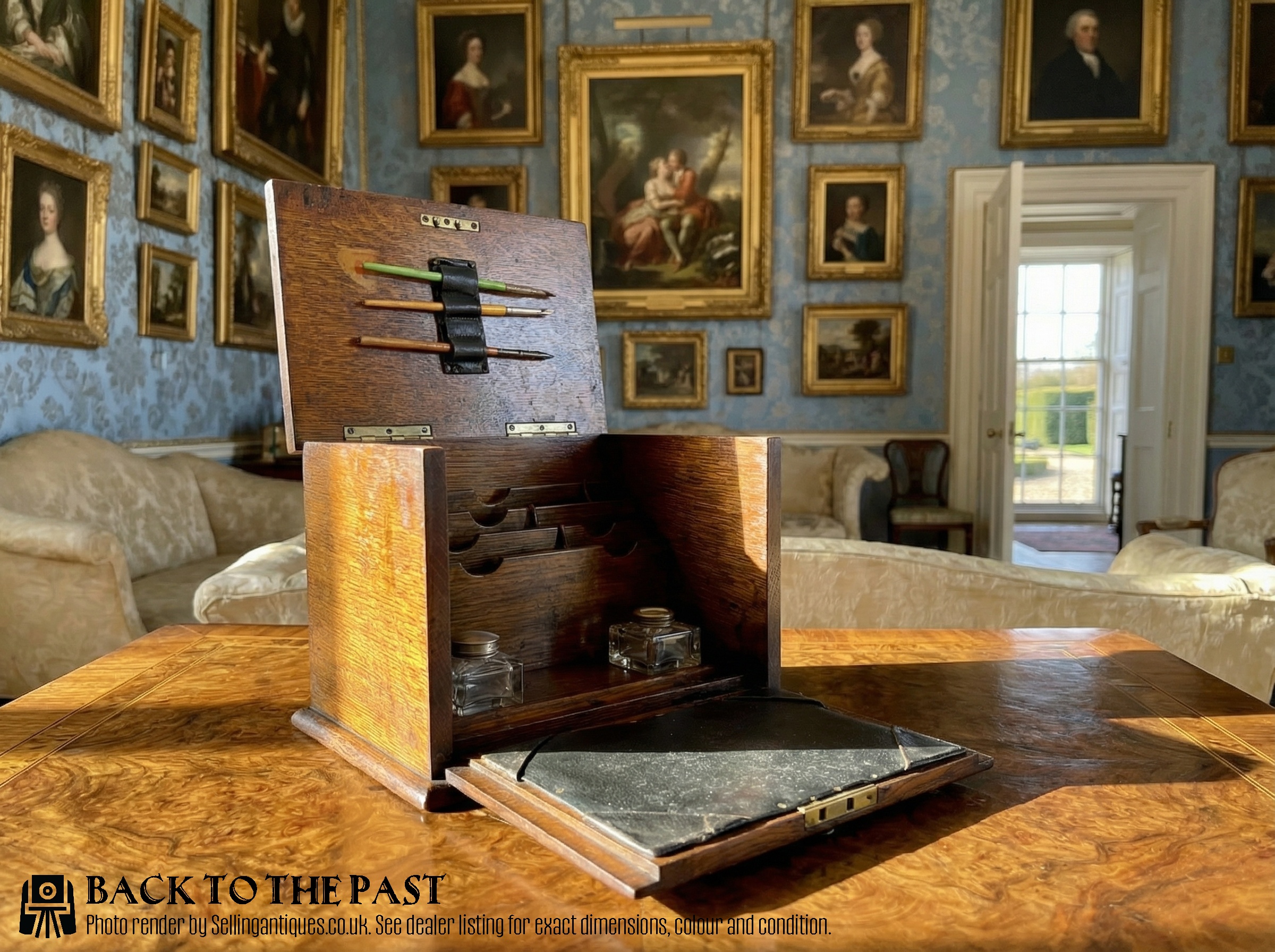
- A desk accessory designed with internal dividers for paper, envelopes, and correspondence. Victorian and Edwardian examples frequently incorporate brass mounts and locking mechanisms.
- Table box
- A compact portable container designed to sit on a desk or table for holding small valuables. Many feature internal drawers or compartments.
Locking Oak Box: Frequently Asked Questions
How do I date an oak box?
Dating relies on construction methods, hardware types, and stylistic motifs. 17th-century boxes frequently display hand-carved panels, pegged joints, and heavy wrought iron locks.
Later Victorian and Edwardian pieces show machine-sawn timber, brass hinges, and fitted interiors for stationery or decanters.
Did these boxes always have working keys?
Many retain their original working locks and keys, though replacement keys are common due to the age of the pieces. Complex 17th-century steel locks required specialist smithing.
Locks on later Victorian boxes often bear manufacturer stamps or patent names.
How were bible boxes used?
Bible boxes stored sacred texts and household documents safely in domestic settings. Their sloping lids frequently served as writing surfaces when placed on tables.
Over time, their primary function shifted toward general correspondence and valuables storage.
What is a tantalus box?
A tantalus holds glass decanters within a locking wooden frame that secures the stoppers in place. This design prevented servants or guests from accessing the spirits without permission.
Victorian versions often combine this function with games compendiums or cigar storage.
How do I care for antique oak?
Maintain antique oak by keeping it away from direct heat sources and dramatic humidity fluctuations. Occasional application of quality beeswax preserves the dry timber surface.
Avoid modern liquid polishes that can build up and soften the historic patina.