

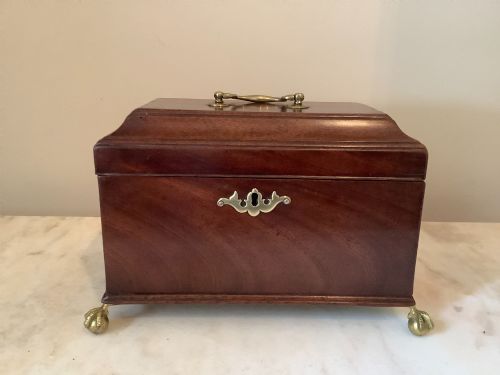
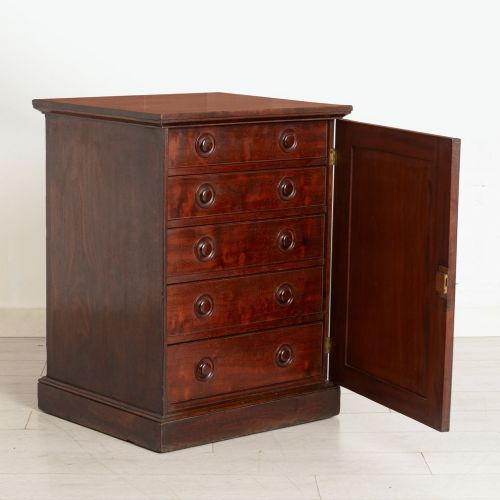


Lockable Chest of Drawers
A lockable chest of drawers offers secure storage through clever locking mechanisms integrated into timber furniture.
Lockable Chest of Drawers
A lockable chest of drawers provides enclosed storage designed to keep contents secure behind fitted locking mechanisms. These pieces appear across Georgian, Victorian, and Edwardian periods in various compact and tall formats.
How they were made
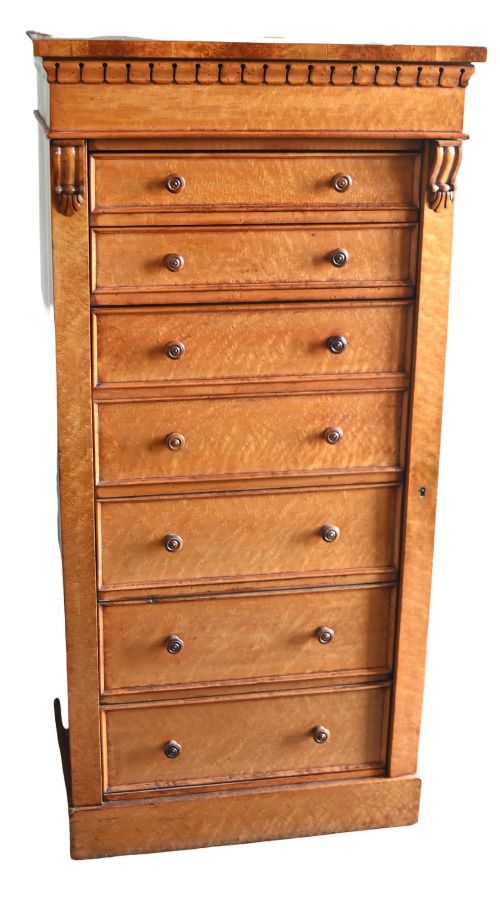
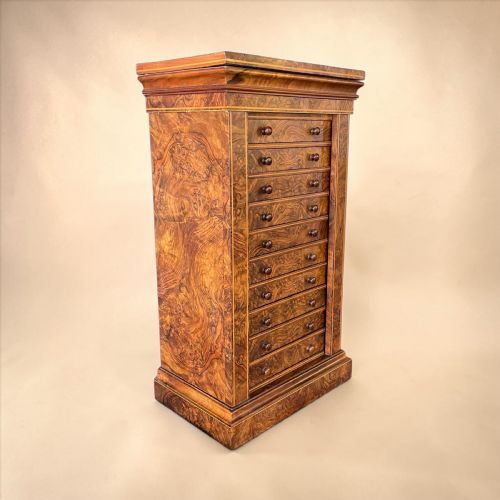
Cabinet makers utilised dense timbers such as mahogany and walnut, frequently applying burr walnut or birds eye maple veneer to visible surfaces. Brass fittings appear on handles, escutcheons, and internal mechanisms.
Construction techniques involve tightly joined drawer boxes and hinged locking bars that drop down or swing to block drawer movement when engaged by a key.
Lockable Chest of Drawers Retail Price Guide 2026
Typical asking prices for lockable chest of drawers among the pieces listed under this phrase on Sellingantiques today, from the lower quarter to the upper quarter. They describe what is for sale here now, not the wider market.
Listings span Victorian, Edwardian, and Georgian periods, utilising mahogany, walnut, and brass.
What varies in quality
Quality differences rest primarily in the choice of timber and the precision of the veneer work, with figured mahogany and burr walnut sitting at the upper end of the scale. The complexity and execution of the locking mechanism also distinguish finer examples from standard production.
Fitted interiors, original turned knobs, and intact internal locking stiles elevate the integrity of a piece far beyond later replacements or heavily altered constructions.
BRADY
The Lockable Chest of Drawers Glossary
- Wellington chest
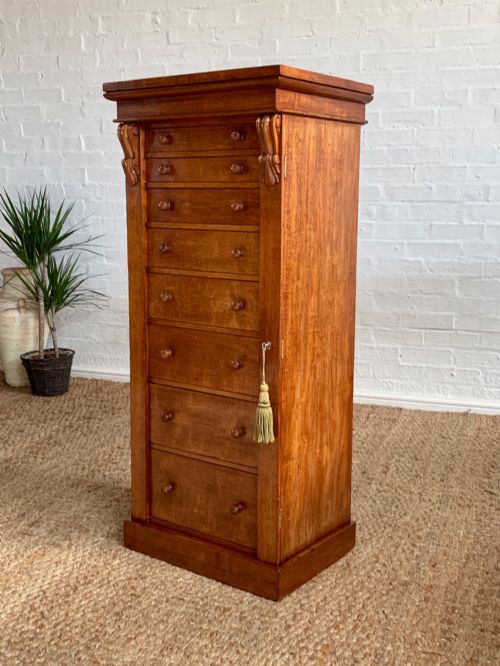
- A tall, narrow chest of drawers featuring a hinged locking stile on one side that fastens the entire stack with a single key.
- Stile
- A vertical framing member in cabinet work, which in these chests often serves as the locking bar.
- Escutcheon
- A protective plate surrounding a keyhole, usually made of brass.
- Veneer
- A thin layer of decorative timber, such as burr walnut or birds eye maple, applied to a secondary wood base.
Lockable Chest of Drawers: Frequently Asked Questions
What is a Wellington chest?
A Wellington chest is a tall, narrow form of drawer unit characterised by a hinged locking flap or stile on the right side. This vertical bar secures all the drawers simultaneously when locked with a key.
Originating in the nineteenth century, this design allowed owners to keep personal papers and valuables secure within a compact footprint.
How do the locking mechanisms work?
Most locking chests utilise a side bar or stile that covers the edge of every drawer when closed. Turning the key engages a mechanism that holds this stile firmly in place.
Without unlocking the side bar, individual drawers cannot be pulled open from the stack.
Which timbers were used?
Cabinet makers relied heavily on mahogany, timber, and walnut for the primary structure of these secure chests. Decorative veneers such as burr walnut and birds eye maple were frequently applied to the drawer fronts.
Brass hardware provides functional and decorative accents across the pieces.
How do I date these chests?
Dating relies on stylistic markers and timber choices spanning the Georgian, Victorian, and Edwardian eras. Finer details like turned wooden knobs and inlay work help narrow down the period.
Construction methods inside the drawers and the style of the brass escutcheons further indicate the age of the piece.