


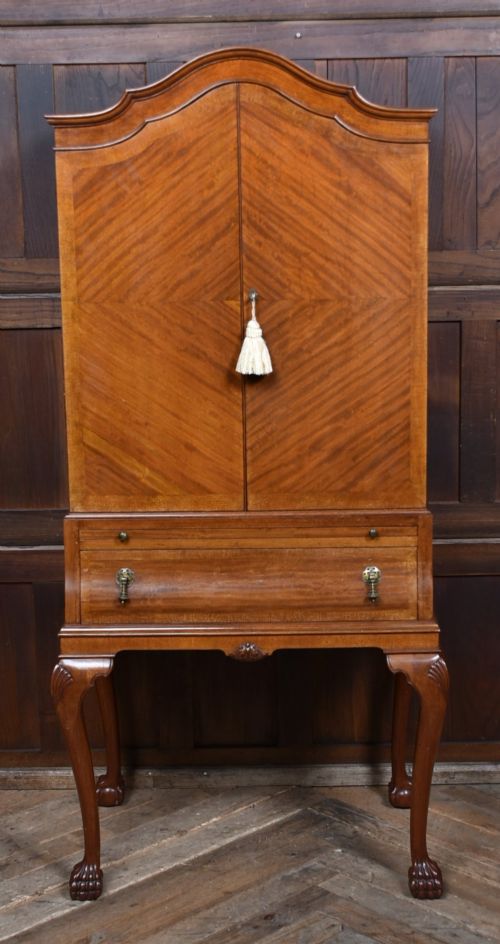
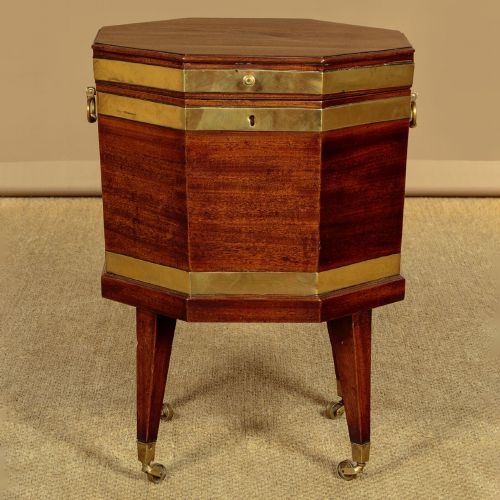
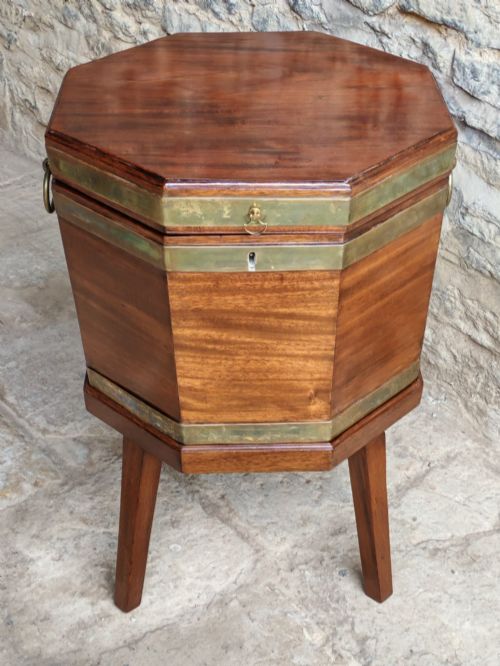
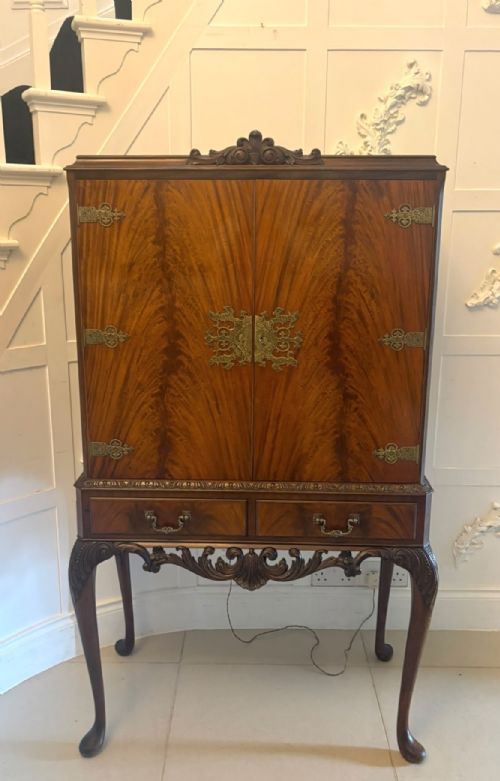
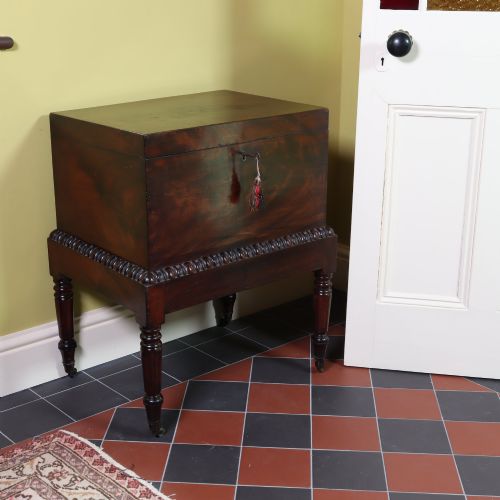
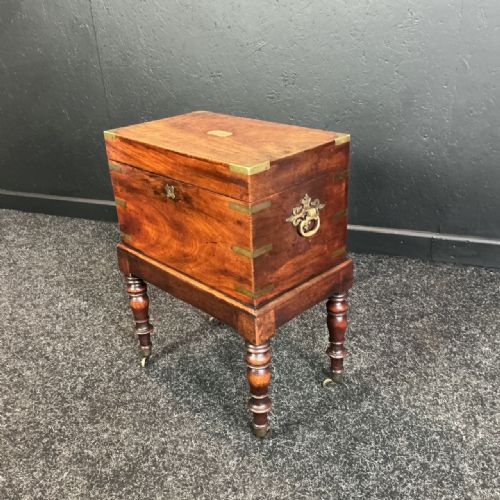

Liquor Cabinet on Stand
A liquor cabinet on stand brings serious architectural presence and effortless entertaining capability to a room, offering a dedicated vessel for vintage spirits.
Liquor Cabinet on Stand
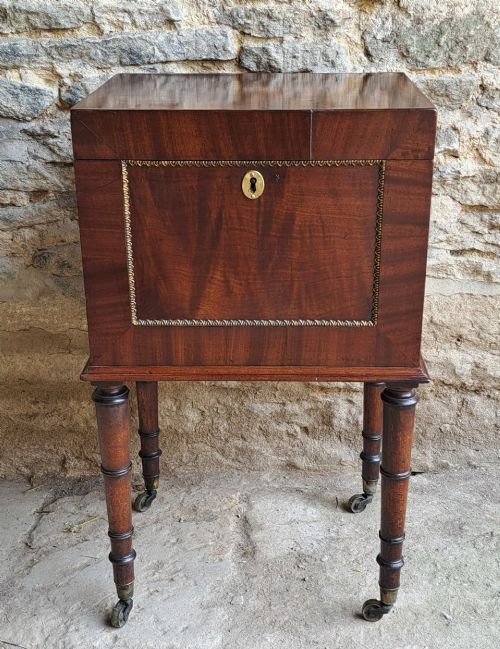
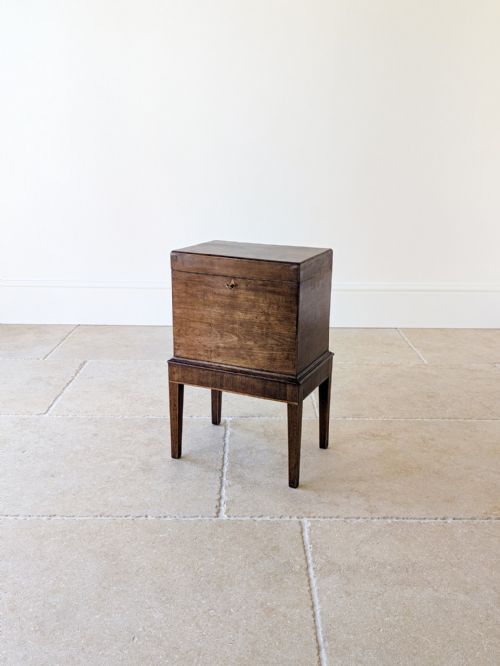
When searching for a liquor cabinet on stand, collectors examine a lineage that stretches from Georgian wine coolers and cellarettes to Art Deco cocktail cabinets. These elevated storage pieces combine formal cabinetry with practical compartments designed specifically for holding bottles and glassware off the floor.
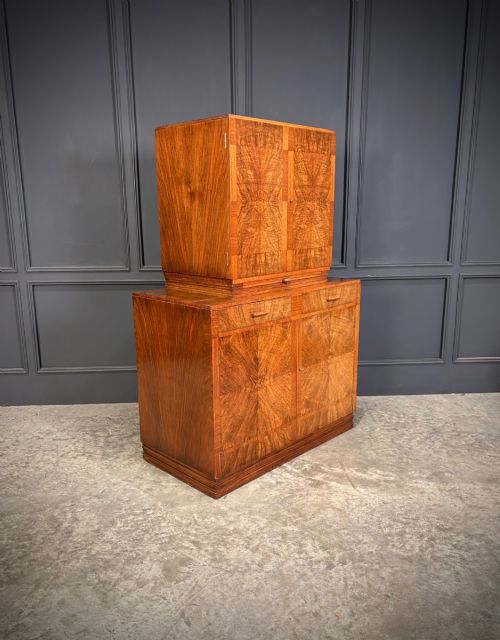
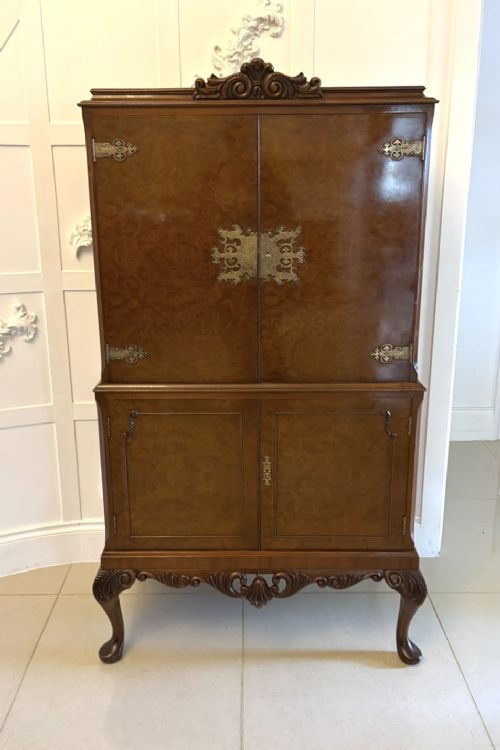
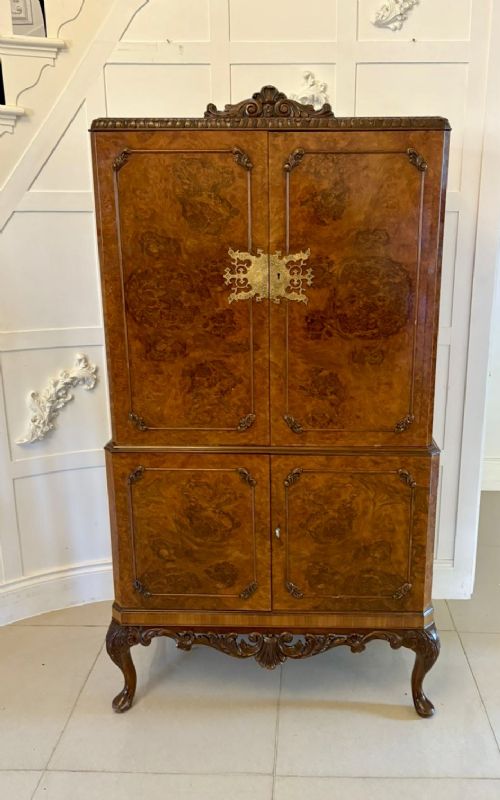
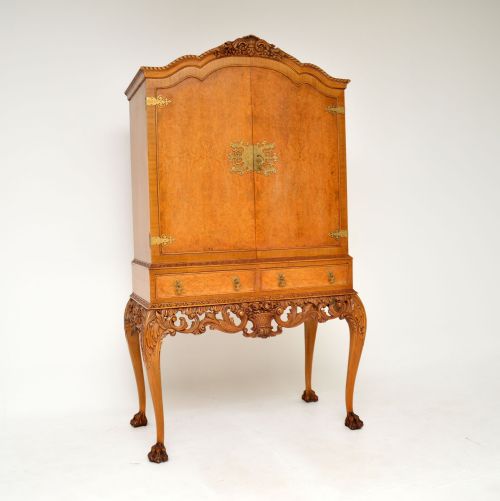
The versions most commonly met on this page range from 18th-century George III mahogany cellarettes raised on distinct legs to 1920s and 1930s burr walnut cocktail cabinets on dedicated stands. Makers across these periods utilised rich veneers like burr walnut and flame mahogany to elevate utilitarian drinks storage into high-status furniture.
How they were made
Cabinetmakers constructed these pieces using dense hardwoods like mahogany, oak, and walnut, frequently applying decorative veneers such as burr walnut and flame mahogany over solid carcases. Interior fittings often incorporated mirrored glass, specialised bottle racks, and pull-out slides designed to handle heavy glass decanters.
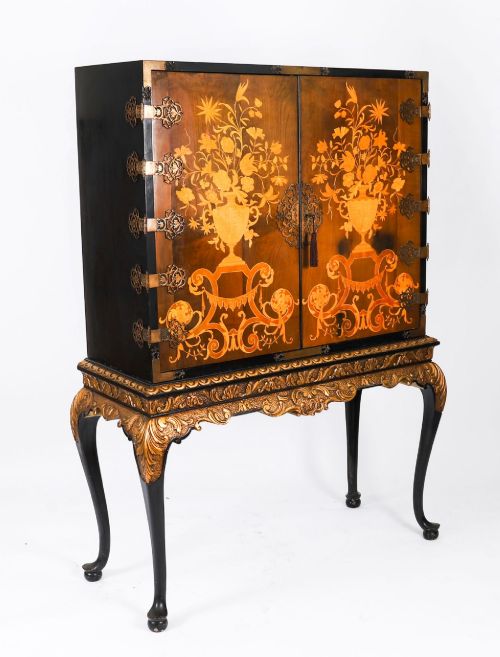
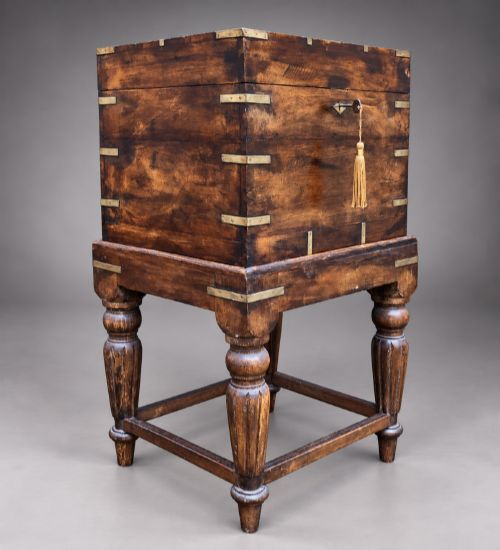
Metalwork played a structural and decorative role, with brass bindings, mountings, and handles securing vulnerable corners on heavy cellarettes. Lacquering techniques and marquetry stringing appeared on specific stylistic examples, adding colourful surfaces and contrasting geometric details to the timber.
Liquor Cabinet on Stand Retail Price Guide 2026
Typical asking prices for liquor cabinet on stand among the pieces listed under this phrase on Sellingantiques today, from the lower quarter to the upper quarter. They describe what is for sale here now, not the wider market.
Cabinet designs range from Anglo-Indian padouk cellarettes to Venetian lacquered cocktail units and Cotswold School mahogany stands.
What varies in quality
The calibre of a liquor cabinet on stand rests heavily on the selection of timber veneers and the crispness of the cabinetmaking. Finely figured burr walnut or flame mahogany paired with sophisticated internal lighting and original hardware distinguishes standard production from exceptional examples.
Proportion and the integrity of the standalone base dictate the visual balance of the piece. Cabinets where the stand shares the exact period timber, detailing, and patination of the upper body command greater interest than later marriages of convenience.
Hille·Gillows
The Liquor Cabinet on Stand Glossary
- Cellarette
- A lockable container used for holding bottles of wine or spirits near the dining table. They frequently appear on dedicated stands or low frames during the Georgian and Regency periods.
- Tantalus
- A locking beverage stand that holds decanters visible behind a wooden and metal bar while preventing unauthorized access to the contents. They commonly emerge in oak, mahogany, and coromandel during the Victorian era.
- Padouk
- A heavy, durable tropical hardwood with a distinctive reddish hue used in cabinetmaking. Anglo-Indian workshops frequently utilised this timber for export pieces.
- Marquetry
- The art of applying pieces of veneer to a structure to form decorative patterns. Craftsmen utilised contrasting woods to create intricate floral or geometric surface designs.
- Stringing
- Thin inlay lines of contrasting wood set flush into the surface of a cabinet. This technique outlines drawer fronts and panel borders on Georgian and Victorian furniture.
Liquor Cabinet on Stand: Frequently Asked Questions
What is a liquor cabinet on stand?
A liquor cabinet on stand is a specialised piece of furniture designed to store bottles, decanters, and glassware off the ground. These elevated vessels combine cabinetry with secure interior fittings for entertaining.
They evolved from heavy Georgian dining room cellarettes into decorative cocktail cabinets during the 20th century. The elevated design keeps bottles at a convenient height while adding architectural presence to a room.
How do I date a cocktail cabinet?
Dating relies on examining the primary timber, veneer choice, hardware, and overall architectural style. Georgian pieces favour solid mahogany with brass bindings, while 1920s and 1930s examples often showcase burr walnut veneers and geometric Art Deco lines.
Internal fittings such as mirrored backs, glass shelves, and specific locking mechanisms also point toward particular decades of manufacture. Cross-referencing construction methods with known stylistic periods clarifies the age.
Where were cellarettes placed?
Cellarettes originally stood beneath the sideboard or in the dining room during meals to keep wine cool and secure. Servants used them to dispense bottles without needing to travel back to the cellars.
As dining habits changed, these portable drinks holders evolved into freestanding cabinets placed in reception rooms and entertaining spaces. Their primary function remained the accessible storage of fine spirits.
How do I clean burr walnut veneer?
Burr walnut veneer requires gentle maintenance using a soft, dry cloth to remove dust. Avoid harsh chemical cleaners or excessive moisture that can penetrate the delicate grain and lift the veneer.
Applying a quality microcrystalline wax periodically helps nourish the timber and protect the polished finish. Maintaining stable room humidity prevents the wood from drying out or warping over time.