


Lion Head Mask
These lion head mask pieces bring sculptural power to interior spaces through cast bronze, carved walnut and heavy brass.
Lion Head Mask
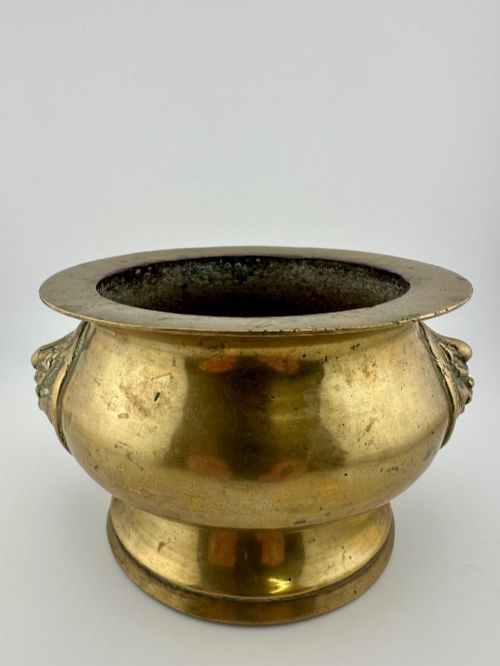
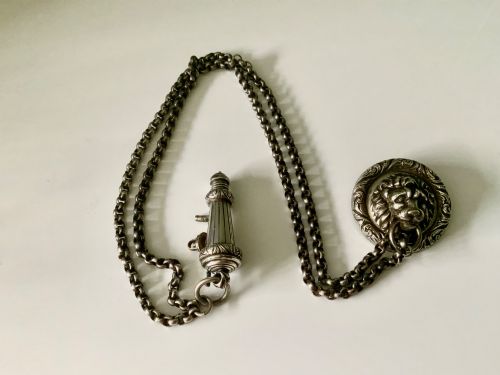
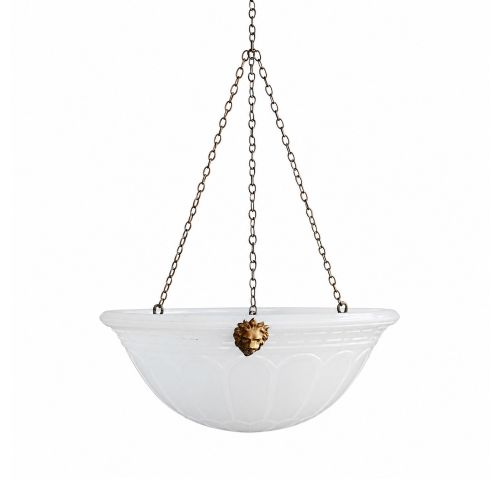
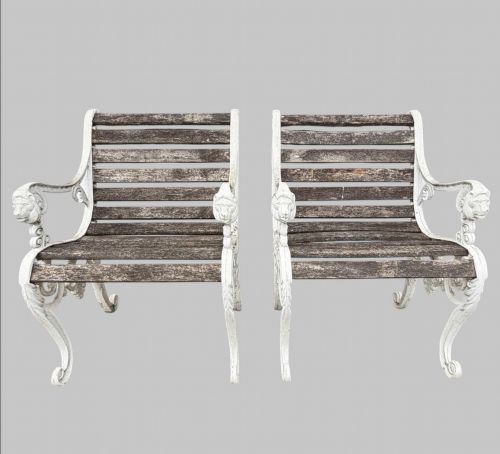
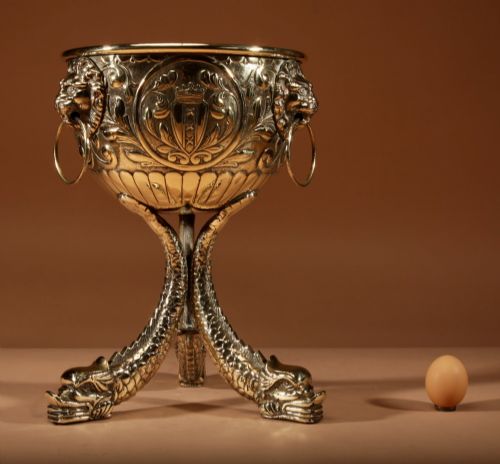
When you search for lion head mask, you encounter objects where the king of beasts serves as a functional handle, a structural mount or a standalone wall ornament. The pieces range from heavy brass jardinieres and coal bins to carved walnut wall masks and clock mounts.
You are most likely to meet 19th century and Victorian metalwork or carved timber on this page. These domestic items use the fierce visage to anchor handles or punctuate corners with classical dignity.
The forms span utilitarian vessels like log bins and jardiniere planters alongside decorative items such as French wall lights and architectural fountain heads. Each type integrates the feline motif directly into the functional geometry of the object.
Materials and construction
Carved wooden examples employ dense timbers like walnut and oak, shaped with deep chisels to achieve three-dimensional relief. The woodworkers picked up grain patterns that complemented the muscular contours of the carved feline visages.
Even a humble coal bin required a roaring feline presence to keep the fire stoked.
Assessing the workmanship
Quality rests in the depth of the carving and the crispness of the metal casting. Superior pieces show expressive, sharply defined teeth and fur rather than soft, smoothed outlines from worn moulds.
The integration of the mask into the host object dictates the overall success of the piece. The finest examples treat the lion head as a coherent part of the design rather than an applied afterthought.
The Lion Head Mask Glossary
- Repoussé
- Metalworking technique where the artisan hammers the metal from the reverse side to form a raised design on the front. This method gives brass jardinieres and wall plaques their dimensional relief.
- Jardiniere
- An ornamental pot or stand for holding plants or flowers. These vessels frequently incorporate lion mask handles on opposing sides.
- Dinanderie
- European brass and copper hollowware produced from the Middle Ages onwards. The term applies to domestic vessels formed through beating and casting.
- Ormolu
- Gilded bronze used for furniture mounts and clock ornaments. This decorative finish provides a bright metallic sheen.
- Black Forest
- Carving style originating in Switzerland and Germany known for realistic depictions of animals in rich walnut. These pieces often feature deeply carved forest motifs.
Lion Head Mask: Frequently Asked Questions
How were brass lion mask vessels used?
These vessels functioned as indoor planters, coal bins and wine buckets within period homes. The heavy metal construction held plants, fuel or ice while the handles aided in carrying.
The sculptural visage turned utilitarian household goods into decorative focal points for the fireplace or parlour.
What materials are common for these masks?
Cast brass and carved walnut dominate the surviving examples on this page. Artisans also utilised copper, bronze, iron and painted terracotta.
Each material dictates the visual weight and placement of the piece within an interior scheme.
How do I identify a 19th century piece?
Nineteenth century examples display distinct casting seams, heavy gauge metals and deep hand-carving in dense timbers. Stylistic revivals such as Renaissance Revival and Neoclassical provide key clues to the era.
Examining the underside, mounting screws and patina helps confirm the age of the metalwork.
Where should I place a wall mask?
Large carved wooden wall masks suit panelled studies, hallways or living spaces with architectural character. Secure mounting is essential due to the weight of solid walnut or heavy cast iron.
Positioning them at eye level allows the detail of the carving to catch natural light.