




Linen Upholstered Stool
A linen upholstered stool offers tactile comfort and understated form, bringing practical seating and traditional character into a room.
Linen Upholstered Stool
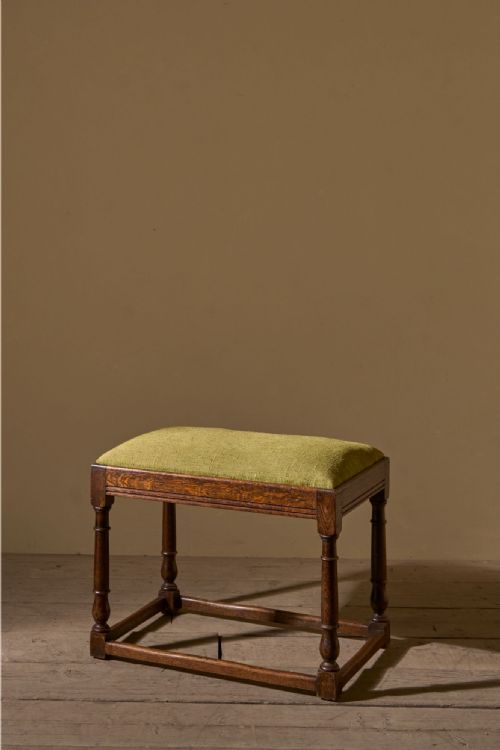
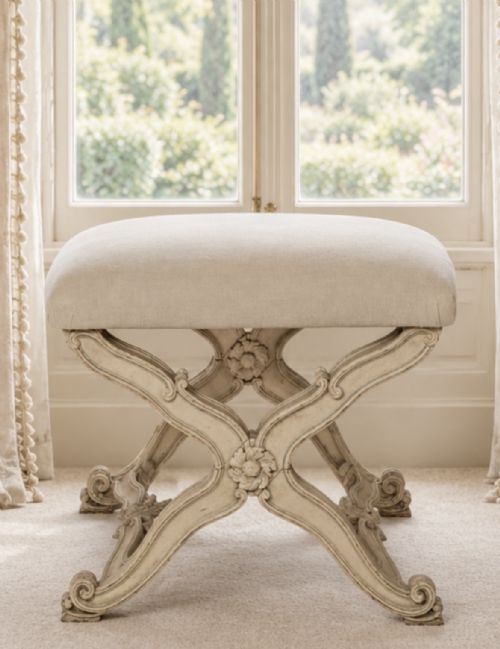
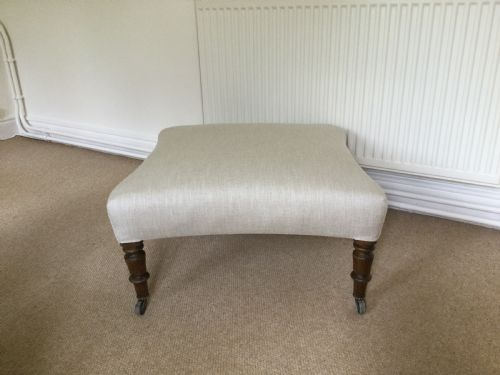
A linen upholstered stool brings together sturdy wooden frames and simple textile coverings for functional placement in halls, bedrooms and living spaces. These pieces serve primarily as footstools, dressing table seats or small benches, combining utility with decorative presence. Buyers searching for a linen upholstered stool will find varied forms spanning simple nineteenth century seating to ornate carved examples.
How they were made
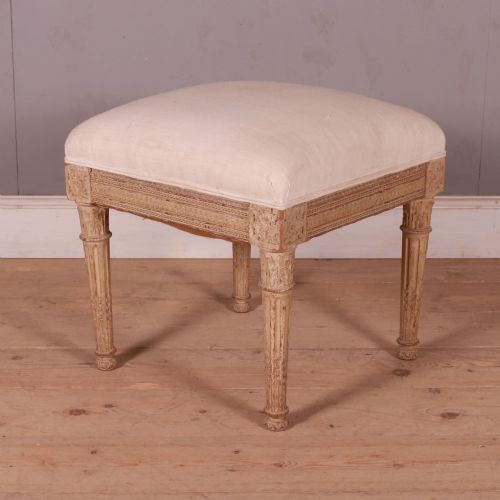
Makers constructed the foundational frames of these stools from hardwoods such as oak and walnut, alongside softer woods selected for painted finishes. Woodworkers shaped these materials using traditional joinery methods, incorporating carved details or fluted legs where the style demanded greater formality. Gilt and paint layers were then applied to continental frames to achieve specific decorative schemes.
Upholstery involved securing linen textiles over padded foundations to create durable seating surfaces. Craftsmen utilised natural linen, tweed linen and heavy green linen, fixing the fabric tightly to wooden bases or internal frames. Brass details occasionally appeared as finishing elements or structural accents on specific periods.
The listings on this page span the nineteenth century up to the 1930s, featuring oak, walnut, painted wood and brass materials.
What varies in quality
The refinement of the woodwork dictates the initial tier of quality among these stools. Deep hand-carving and careful turning on oak or walnut frames show a higher standard of workmanship than plain, utilitarian structures. Similarly, the execution of applied paint and gilding on French and Swedish models marks the difference between standard workshop production and finer decorative pieces.
Upholstery standards also differentiate the examples, particularly the weight and texture of the linen selected. Denser weaves like tweed linen and heavy green linen provide a more substantial feel than lighter fabrics. The integrity of the underlying frame construction remains fundamental to the overall grade of each piece.
The Linen Upholstered Stool Glossary
- Footstool
- A low seat designed to support the feet when sitting in a larger chair. These items often match the upholstery of nearby seating.
- Gustavian
- A Swedish style dating from the late eighteenth century characterised by restraint, pale painted finishes and neoclassical motifs. Pieces from this tradition often feature simplified fluting and light proportions.
- Tweed linen
- A textured fabric woven from flax yarns with varied tones, offering a durable surface for upholstery. This material provides visual depth through its mixed-yarn construction.
- Gilded
- Coated with a thin layer of gold leaf or powder to give a metallic finish to wooden carved elements. This technique enhances the decorative impact of formal continental seating.
Linen Upholstered Stool: Frequently Asked Questions
Where should I place a linen upholstered stool?
These stools fit easily into various rooms depending on their specific form and height. Dressing table versions suit bedrooms, while larger hall benches and footstools work well in living spaces or entranceways.
Their compact footprint allows them to be tucked away under tables or used as flexible extra seating when guests visit.
How do I clean linen upholstery?
Linen requires gentle maintenance to preserve its natural texture and appearance over time. Light vacuuming with a soft brush attachment removes surface dust effectively.
Spot cleaning should be approached with caution using mild, appropriate textile cleaners to avoid water marks on the fabric.
What is the difference between English and French styles here?
English pieces in this selection generally favour exposed oak or walnut with straightforward structural forms. They often reflect traditional country house or revival aesthetics.
French and Swedish examples frequently employ painted wood, hand-carved details or gilded surfaces, leaning towards decorative elegance and lighter visual weights.
Are these stools sturdy enough for daily seating?
Solid wood frames made from oak or walnut provide a durable foundation for regular use. Traditional joinery ensures these historic pieces remain structurally sound for practical household placement.
Heavier linen covers also withstand routine handling while maintaining their tactile quality over years of domestic life.