



Light Wood Round Table
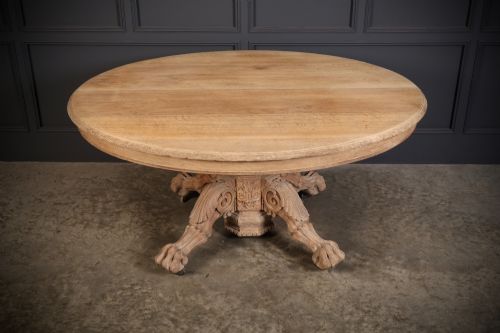
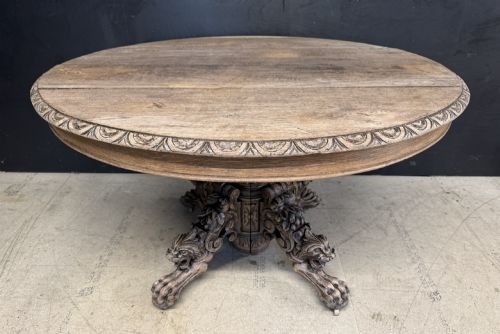
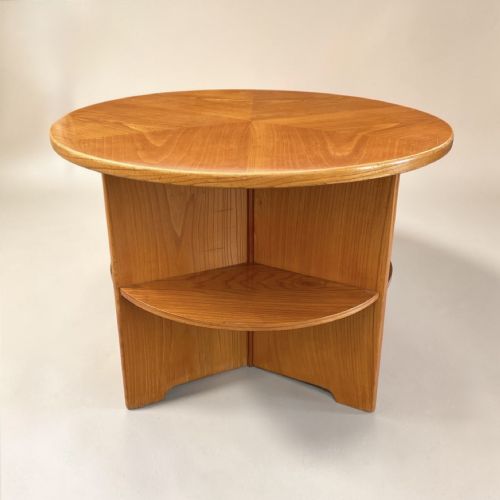
A light wood round table brings warmth and clean grain to a room, offering practical surface space anchored by a circular top.
Light Wood Round Table
A light wood round table is a versatile surface found in forms ranging from centre and coffee tables to dining and dressing tables. Buyers seek these pieces for their pale tones and organic shapes that lift the light in a room without dominating the floor plan.
The selections available here span from the nineteenth century through to the 1930s and 1940s, covering periods such as Regency, Victorian, and Art Deco. These pieces showcase varied regional characters including English country, French Renaissance revival, Gustavian, and modernist designs.
Materials and construction
Cabinet makers utilised oak, teak, walnut, pine, sycamore, and maple wood, occasionally applying wood veneer over a secondary wood core. Bleaching processes and pale finishes were also employed to achieve the characteristic light tones seen across these examples.
Construction techniques combine traditional joinery with decorative elements such as carving, paintwork, and contrasting metal components. Birdseye maple and figured grain timbers were carefully selected to highlight natural patterns across the circular surfaces.
Light Wood Round Table Retail Price Guide 2026
Typical asking prices for light wood round table among the pieces listed under this phrase on Sellingantiques today, from the lower quarter to the upper quarter. They describe what is for sale here now, not the wider market.
Judging quality in pale timber tables
Quality rests upon the selection of the timber and the precision of the joinery where the circular top meets the base. Finer examples display harmonious grain matching and thoughtful proportion between the support structure and the table top.
The integrity of the surface finish and the subtlety of period details, whether carved oak or painted sycamore, distinguish exceptional workshop output from standard production.
The Light Wood Round Table Glossary
- Centre table
- A freestanding table designed to stand away from the walls in the middle of a room. These pieces are finished on all sides for viewing from any angle.
- Sycamore
- A dense hardwood with a pale, creamy white appearance. It accepts light finishes and paint well.
- Birdseye maple
- A figured timber showing tiny circular eyes breaking the grain pattern. It was favoured for decorative veneer work on high quality furniture.
- Cricket table
- A small, lightweight three legged table with a round top. The traditional design provides stability on uneven floors.
- Regency
- An English design period spanning the early nineteenth century. Furniture from this era often draws inspiration from classical antiquity.
Light Wood Round Table: Frequently Asked Questions
Where should I place a round table?
A round table works effectively in the middle of an entrance hall as a centrepiece, or positioned in a living area to soften linear room layouts.
The absence of sharp corners allows for easy movement around the piece, making smaller versions ideal for tighter spaces or awkward corners.
How do I clean light wood?
Dust regularly with a dry, soft cloth to prevent particulate buildup on the grain. Avoid abrasive cleaners or excess moisture which can damage vintage finishes.
Apply a traditional beeswax polish occasionally if the finish is unsealed, buffing gently to maintain the natural sheen of the timber.
Are these tables sturdy enough for daily use?
Most antique and vintage tables are constructed from solid hardwoods designed for everyday practicality. Proper joinery ensures the base supports the circular top securely under normal loads.
Heavier items like centre and dining tables offer robust foundations, while lighter occasional tables suit gentle service.
How do I identify the wood type?
Examine the grain patterns and natural colouration under good daylight. Oak displays distinct medullary rays, while maple and sycamore present tighter, paler grain structures.
Veneered surfaces show continuous grain wrapping edges, whereas solid timber exhibits consistent growth rings through the thickness of the top.