




Light Wood Mirror
A light wood mirror brings a clean, reflective warmth to a room through pale timbers like birch, maple, and satinwood.
Light Wood Mirror
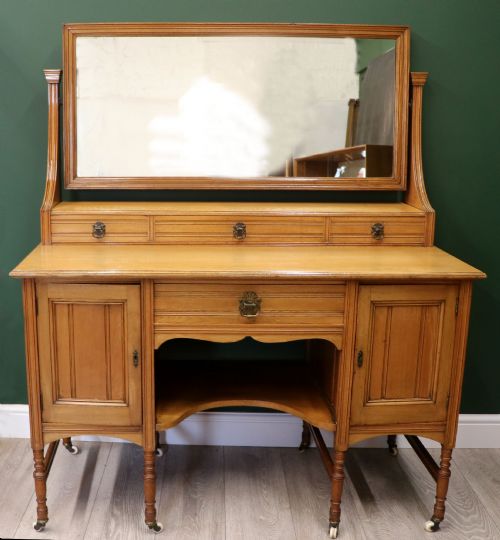
A light wood mirror combines pale natural timbers with functional reflective glass, appearing across various domestic forms. These pieces include dressing table mirrors, vanity chests, and wall-hung frames originating from the nineteenth and twentieth centuries.
Buyers seeking a light wood mirror encounter items fashioned from birch, maple, ash, and light walnut. The selection spans utilitarian Victorian pieces to streamlined Art Deco dressing tables and vanity stands.
Surviving examples demonstrate how lighter timbers brighten interior spaces without heavy dark varnishes. The proportion of the frame often relates directly to its original domestic function on a dressing chest or above a washstand.
Construction and Materials
Cabinetmakers utilised native and exotic pale timbers such as birds-eye maple, satin birch, and light oak, selecting grain patterns for decorative effect. Frames were joined using traditional methods and finished to highlight the natural tone of the wood.
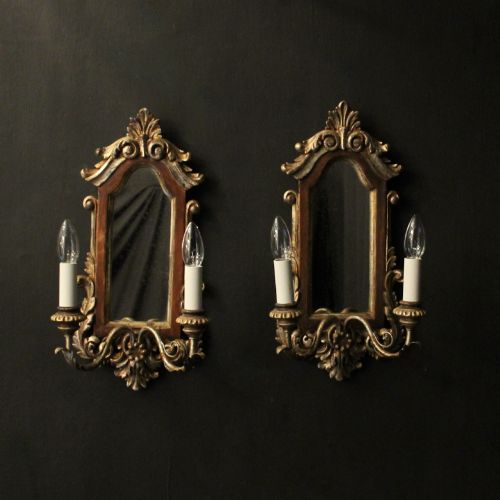
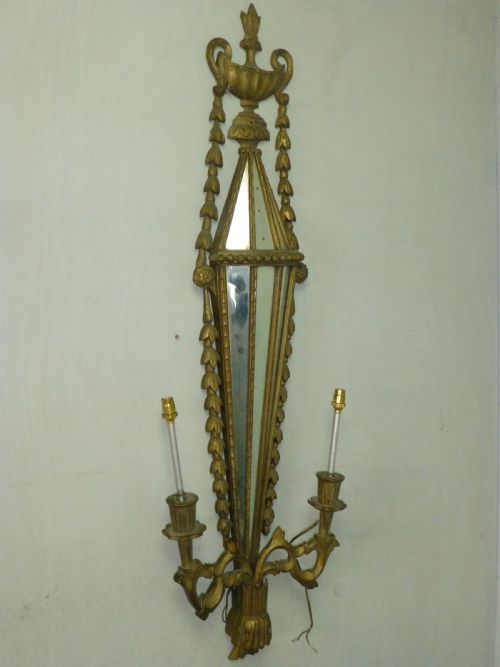
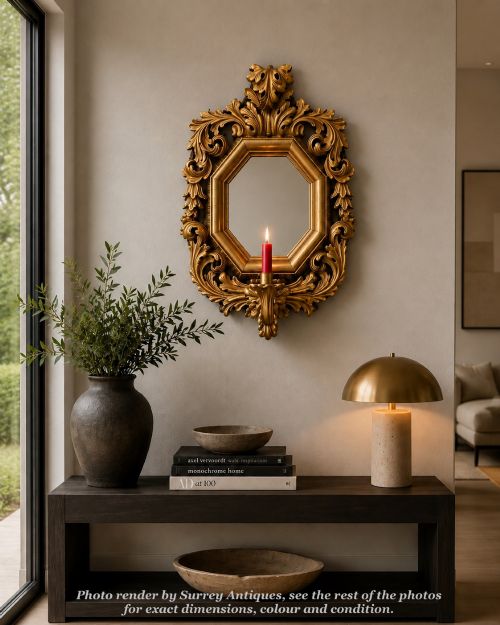
Mirrored glass was set into rebated frames, sometimes backed with protective panels of softwood or plywood in later pieces. Gilt and brass accents occasionally complemented the pale timber borders, particularly on girandoles and wall sconces.
Listings feature pale woods including birch, maple, and ash alongside giltwood and brass accents.
Judging Quality
The standard of a piece rests on the choice of timber veneer and the precision of the joinery. Timber selected with consistent figuring and handled with restraint elevates an ordinary frame into a superior example.
Originality of the glass and backboards influences the integrity of the object. Pieces retaining their original surface finish and fixings demonstrate greater fidelity to their period of manufacture.
Harry and Lou Epstein·Betty Joel
The Light Wood Mirror Glossary
- Birch
- A pale, close-grained hardwood frequently utilised in Scandinavian and nineteenth-century cabinetmaking. It accepts staining well but appears most often in its natural light blonde state.
- Maple
- A dense, pale timber known for bird's-eye and tiger grain variations. It provides a durable surface for dressing tables and decorative frames.
- Girandole
- A wall mirror incorporating candle branches or light sconces attached to the frame. The reflective glass multiplies the illumination from the candles.
- Cheval mirror
- A full-length mirror hung on a vertical swivelling frame between two upright posts. This freestanding form allows the glass to tilt at various angles.
- Satin birch
- Birch timber selected for its chatoyant, light-reflecting grain. It gained popularity in high-end nineteenth-century bedroom suites.
Light Wood Mirror: Frequently Asked Questions
How do I date a light wood mirror?
Dating relies on construction methods, timber choices, and hardware styles observed across the piece. Victorian examples often display heavier mouldings, whereas Art Deco pieces from the 1930s favour geometric lines and streamlined surfaces.
Examining the mirror plate itself can offer clues. Bevelled edges, silvering deterioration, and backboard construction help distinguish nineteenth-century production from later twentieth-century work.
Were these mirrors originally part of larger furniture?
Many light wood mirrors originated as detachable components of dressing chests, vanity tables, or washstands. Makers constructed these swing frames to mount on vertical supports attached to the base furniture.
Over time, some dressing table mirrors became separated from their original chests and were adapted for wall hanging. The mounting brackets or pivot holes on the sides often reveal this dual-purpose history.
How should I care for pale timber frames?
Preserving pale timber requires placement away from direct sunlight and excessive heat sources. Ultraviolet light can darken or yellow light woods like maple and birch over extended periods.
Maintenance involves dusting with a dry, soft cloth and occasionally applying a microcrystalline wax to protect the surface. Avoid liquid polishes that can penetrate unsealed grain or damage original finishes.
What is the difference between a vanity mirror and a dressing table mirror?
A vanity mirror generally refers to a smaller, portable, or tabletop glass designed for personal grooming. These often feature an easel back or a compact pivoting stand for placement on a chest of drawers.
Dressing table mirrors are usually larger and integrated into a dedicated dressing table or vanity bureau. They frequently incorporate drawers or structural supports within a matching timber frame.