
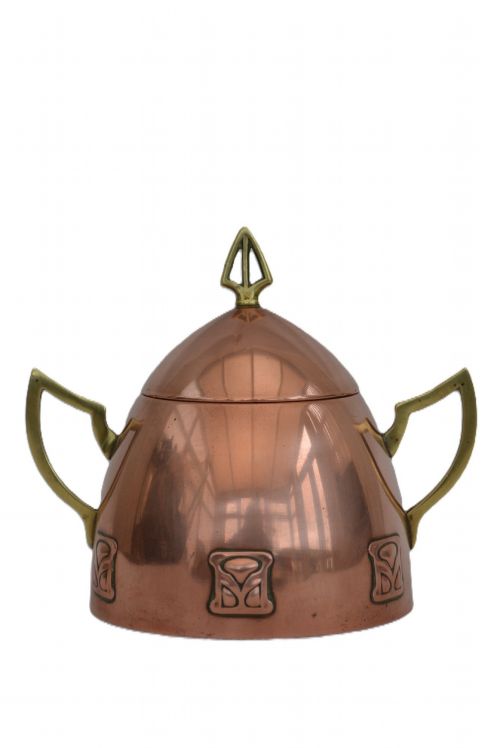


Lidded Copper Vessel
These pieces called lidded copper vessel examples are hardworking metal containers with tight-fitting covers, sought after for their warm metallic tones and historical utility.

Lidded Copper Vessel
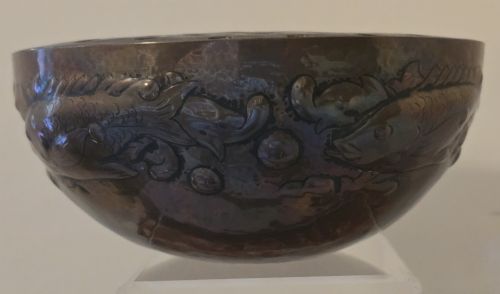
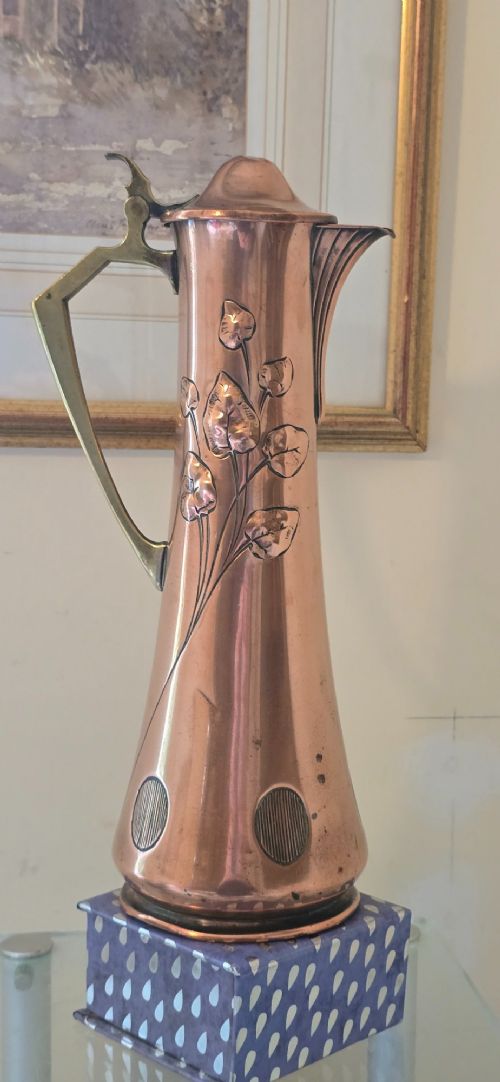
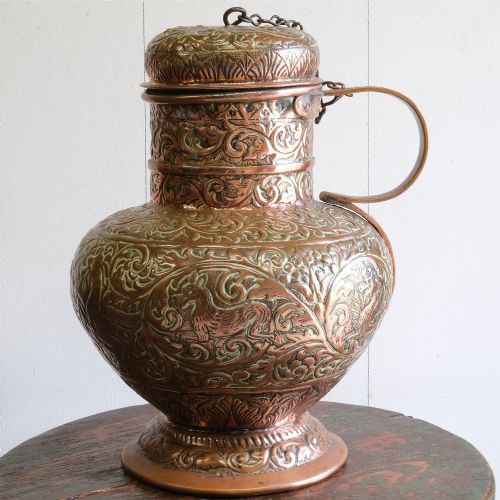
A lidded copper vessel covers a wide spectrum of domestic and decorative metalwork spanning several centuries. Buyers searching for a lidded copper vessel encounter everything from modest Georgian sugar bowls and kitchen pots to monumental Art Nouveau ewers and log bins.
The domestic sphere dominates the selection, featuring utilitarian storage containers, table-top bain-maries, and ceremonial pieces like ciboria. Many examples combine hammered copper with brass handles or iron frames, bridging the gap between kitchen utility and formal display.
How They Were Made
Construction relies heavily on sheet copper, often raised by hand-hammering over stakes to shape hollow forms. Rivets, dovetail joints, and folded seams secure the bodies, while lids are turned or beaten to fit snugly over rims.
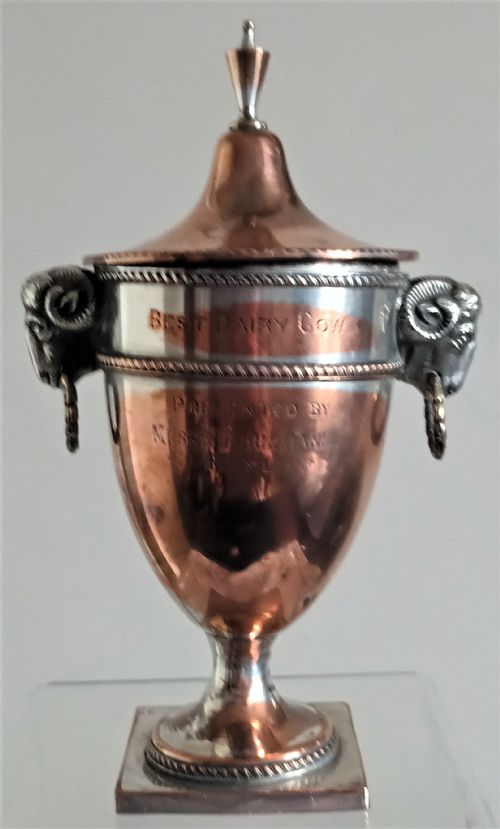
Makers integrated mixed media to add strength and contrast, mounting copper bodies in wrought iron frames or applying brass mounts, silver inlay, and Old Sheffield Plate. Surface treatments range from plain polished finishes to intricate repoussé floral reliefs and engraved detailing.
A converted artillery shell stands among the copper containers, proving domestic utility finds a way into everything.
What Varies in Quality
Quality rests on the integrity of the construction and the skill of the surface ornamentation. Heavy-gauge metal that resists denting and keeps its structural form under weight marks the superior end of the scale.
Design execution separates standard utility items from masterworks, visible in crisp repoussé floral motifs, balanced proportions, and the survival of original companion lids and iron or brass hardware.
Newlyn Copper·WMF·Joseph Sankey
The Lidded Copper Vessel Glossary
- Repoussé
- A metalworking technique where the artisan hammers the design from the reverse side to create a raised relief on the front. This method gives decorative jugs and ewers their dimensional floral patterns.
- Old Sheffield Plate
- A fused composite material made by melting a thin sheet of silver to a thicker copper base. It appears on eighteenth-century tableware and miniature urns.
- Ciborium
- A covered sacred vessel used in churches to hold consecrated Eucharistic bread. These pieces often feature detailed engraving and gilding.
- Bain-marie
- A heated water bath used in cooking to melt or warm ingredients gently. Table-top versions utilise copper containers with close-fitting lids.
- Art Nouveau
- A design style characterised by flowing, organic lines and floral motifs. It heavily influences the copper ewers, buckets, and decorative bowls from the turn of the twentieth century.
Lidded Copper Vessel: Frequently Asked Questions
What were lidded copper vessels used for?
These containers served varied roles across domestic and religious settings. They functioned as kitchen pots, water ewers, sugar bowls, and large log bins for hearths.
Religious examples like ciboria held sacred elements, while miniature urns served decorative or specialised tabletop purposes.
How do I clean an antique copper vessel?
Cleaning depends on whether you wish to maintain the dark historical oxidation or reveal the bright metal underneath. Gentle washing with mild soap and water removes surface dirt without harming the patina.
Avoid harsh abrasive compounds that strip away the aged surface character built up over centuries of handling.
Are all these vessels made entirely of copper?
Many pieces incorporate complementary metals and materials to provide structural support or decorative contrast. Iron frames, brass handles, wooden elements, and silver plating frequently appear alongside the primary copper body.
Some items combine copper plating over base metal rather than utilising solid sheets.
How can I tell an eighteenth-century vessel from a later piece?
Eighteenth-century items often display hand-beaten surfaces with visible joinery methods like dovetailing and heavy riveting suited for practical kitchen or dining use. Later nineteenth and twentieth-century examples frequently adopt distinct stylistic movements like Art Nouveau or Arts and Crafts.
Examining the manufacturing marks, metal thickness, and hardware helps clarify the period of production.