

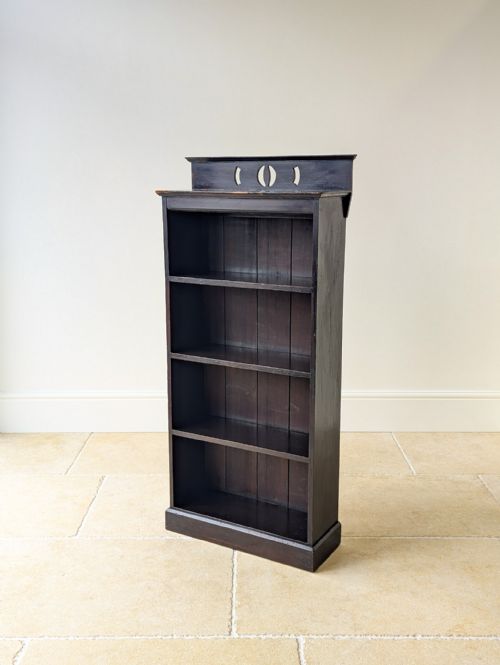
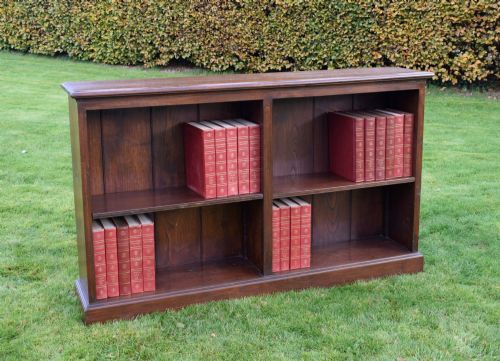

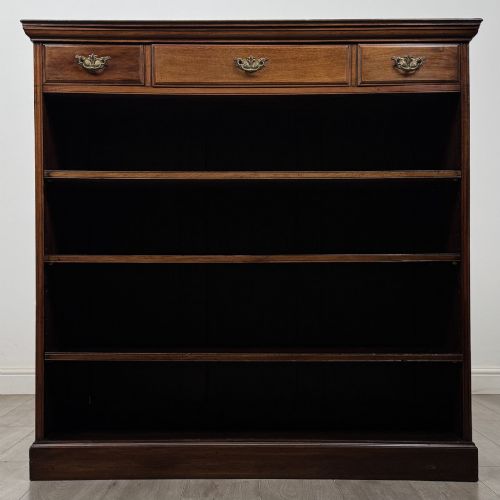
Library Book Stand
A library book stand brings order to working spaces, holding open volumes and resting heavy bindings within arm's reach.
Library Book Stand
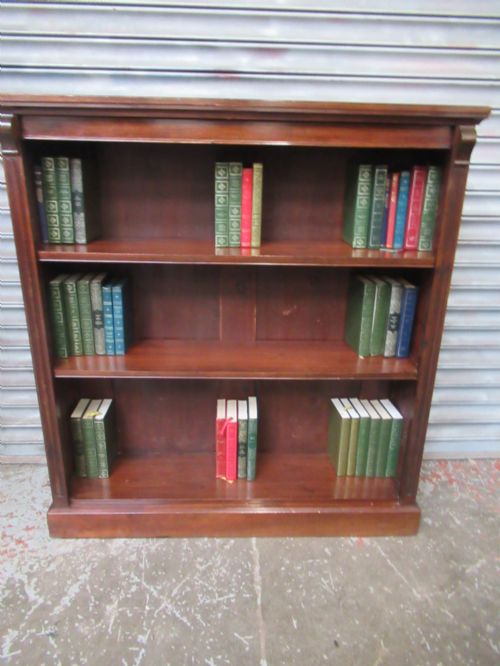
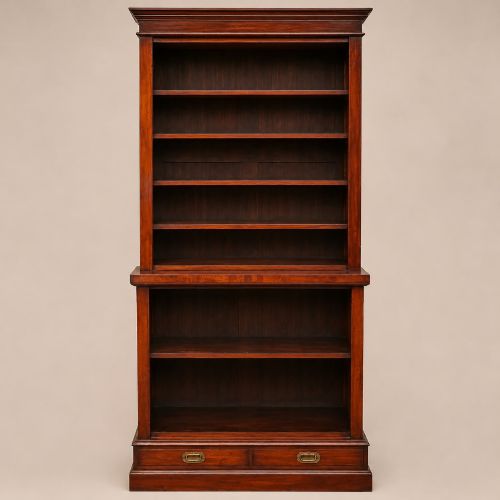
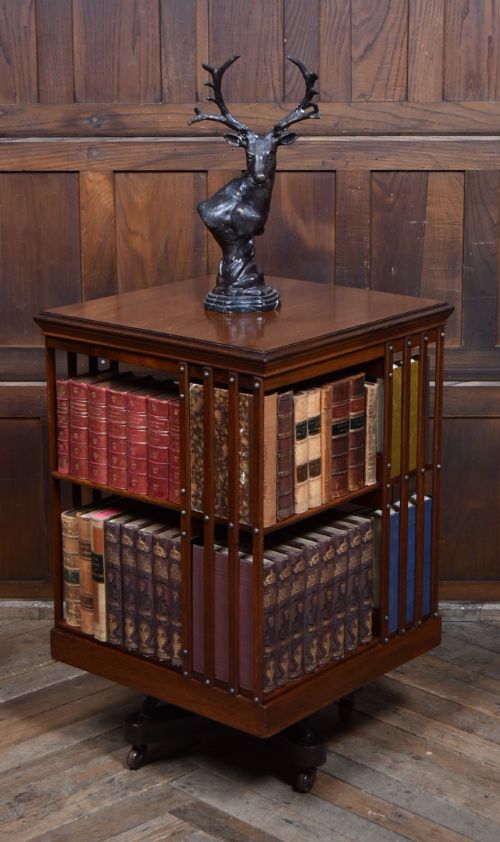
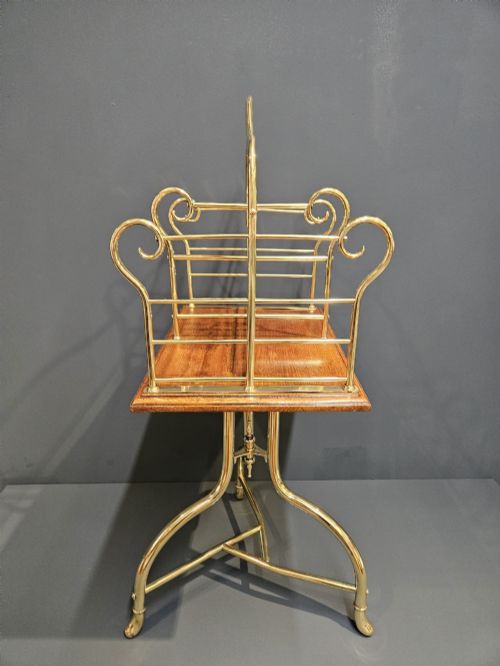
A library book stand encompasses open bookcases, revolving designs, and adjustable reading tables suited to scholarly spaces.
The selections available span the Victorian and Edwardian eras, alongside Regency and early twentieth-century examples.
Mahogany and oak form the backbone of these pieces, often paired with brass fittings and rosewood veneers.
Materials and Construction
Cabinetmakers utilised solid mahogany, oak, and walnut, often applying satinwood inlay to enrich the timber surfaces.
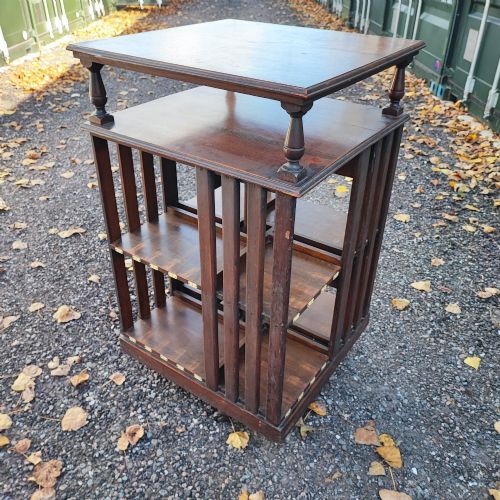
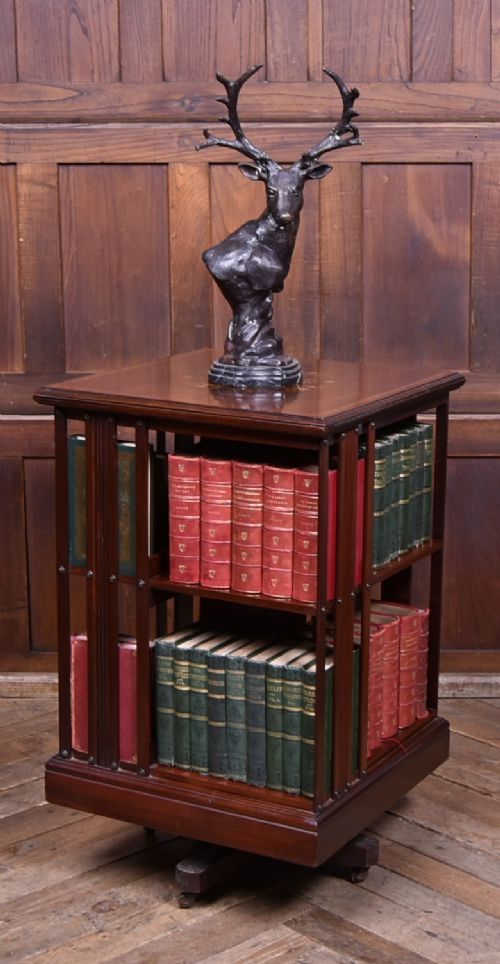
Revolving models relied on complex internal ball-bearing mechanisms of cast iron and brass to allow smooth turning.
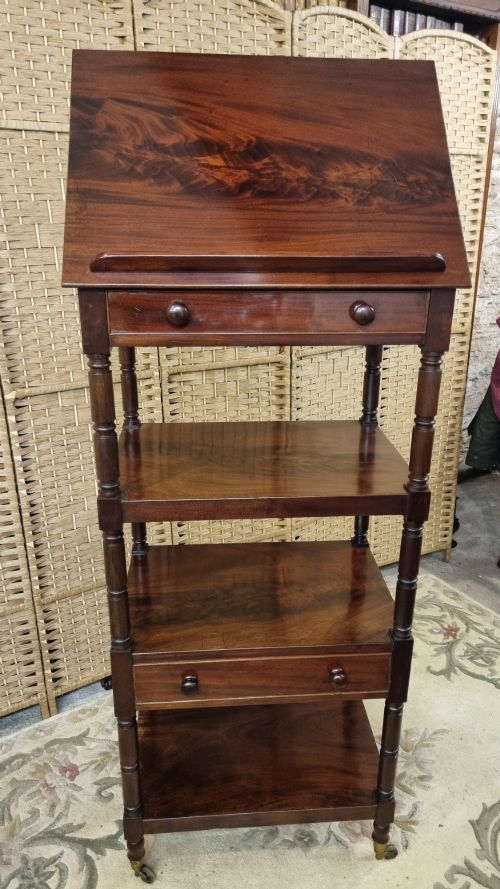
Adjustable reading stands employed metal ratchets and screws to alter the angle of the book rest securely.
Library Book Stand Retail Price Guide 2026
Typical asking prices for library book stand among the pieces listed under this phrase on Sellingantiques today, from the lower quarter to the upper quarter. They describe what is for sale here now, not the wider market.
Object variations include library steps, reading tables, tiered stands, and revolving bookcases fitted with brass and cast iron.
Judgement of Craftsmanship
Subtlety of inlaid detail and timber selection dictate the standing of a piece, separating standard utility furniture from finer commissions.
The integrity of the internal revolving mechanism or the smooth action of adjustable brass brackets shows the original standard of assembly.
Gillows·Carters of London·Maple & Co
The Library Book Stand Glossary
- Revolving Bookcase
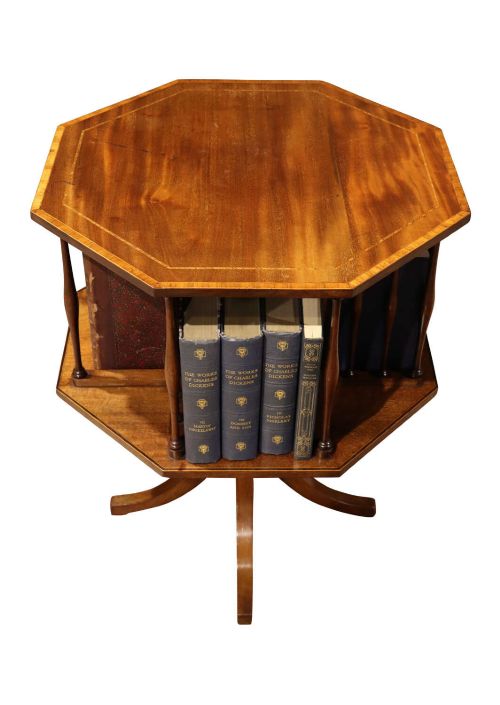
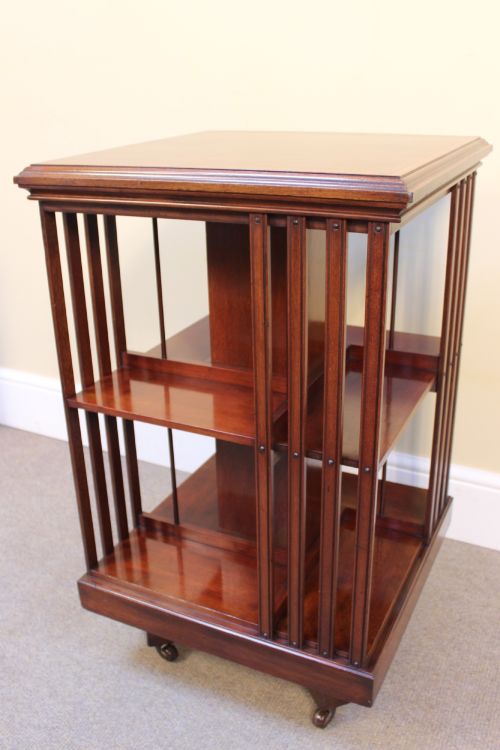
- A low, square bookcase mounted on a hidden spindle and star base that turns to grant access to all four sides. They gained popularity during the late nineteenth century for office and domestic use.
- Reading Stand
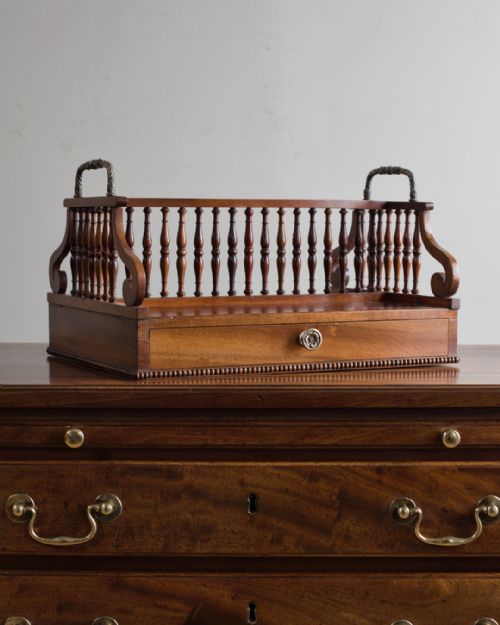
- A portable or attached desk surface designed to hold a volume at a comfortable reading angle. Many feature adjustable brass ratchets.
- Adjustable Shelves
- Shelves supported by brass pegs or rackwork strips that allow the height between them to be altered. This adaptation accommodated differing folio sizes.
- Waterfall Bookcase
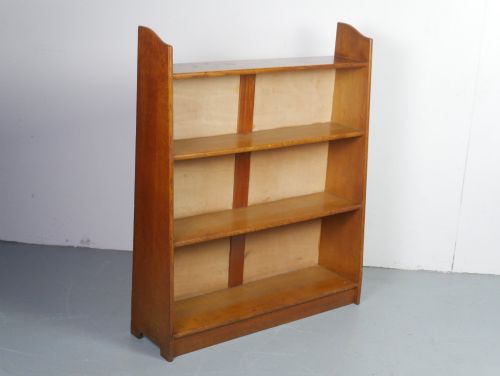
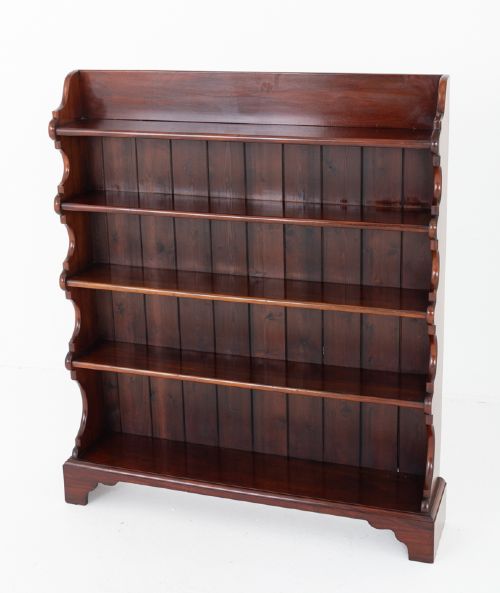
- A piece with open shelves that recede in depth from bottom to top, creating a tiered profile. This style emerged during the Regency period.
Library Book Stand: Frequently Asked Questions
How do I maintain the timber surface?
Apply a traditional beeswax polish sparingly with a soft cloth, buffing gently to maintain the natural sheen of the mahogany or oak.
Avoid placing these items in direct sunlight or near heat sources to prevent the timber from splitting or warping over time.
Can revolving bookcases hold heavy volumes?
Most revolving stands are constructed with solid hardwoods designed to bear the weight of standard reference books and octavo volumes.
Distributing heavier books on the lower tiers helps maintain stability when spinning the unit.
How are Victorian pieces identified?
Victorian examples typically display dense mahogany or dark oak construction, often accompanied by heavy brass castors and hand-cut dovetail joints.
Stylistic cues include carved mouldings and darker factory finishes that reflect nineteenth-century interior aesthetics.
Where were reading stands used?
These pieces sat beside library armchairs, upon large mahogany desks, or stood freely in private studies for holding working folios.
Their adjustable heights and angles allowed readers to consult texts without straining their wrists or neck.