


Standing Book Trough
These standing book trough pieces keep volumes upright and within reach beside a desk or fireside.
Standing Book Trough
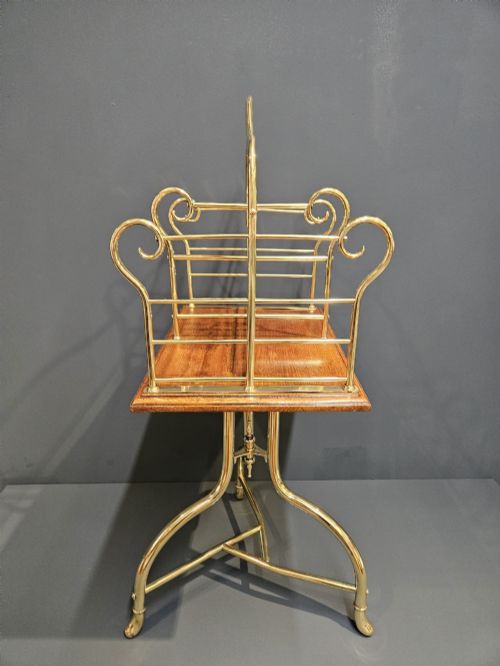
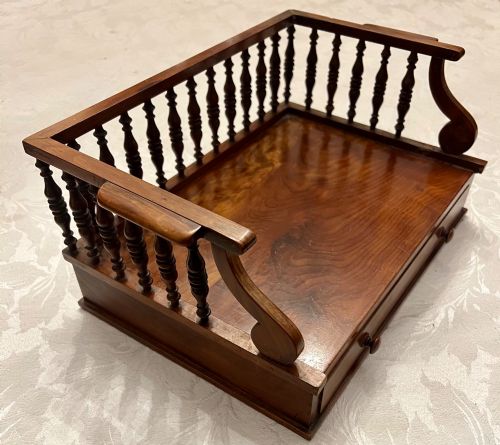
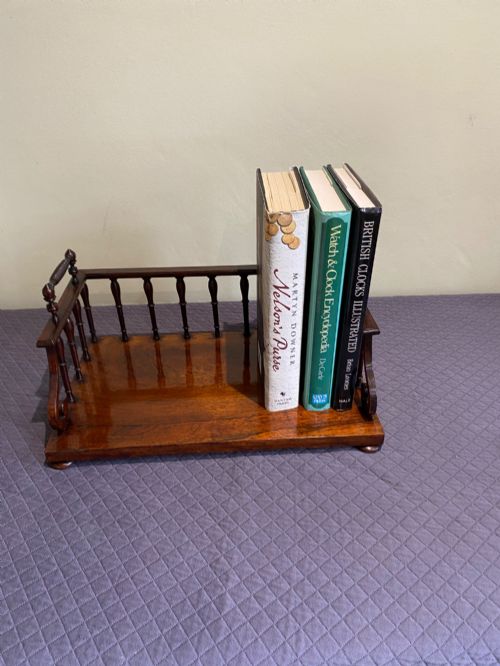
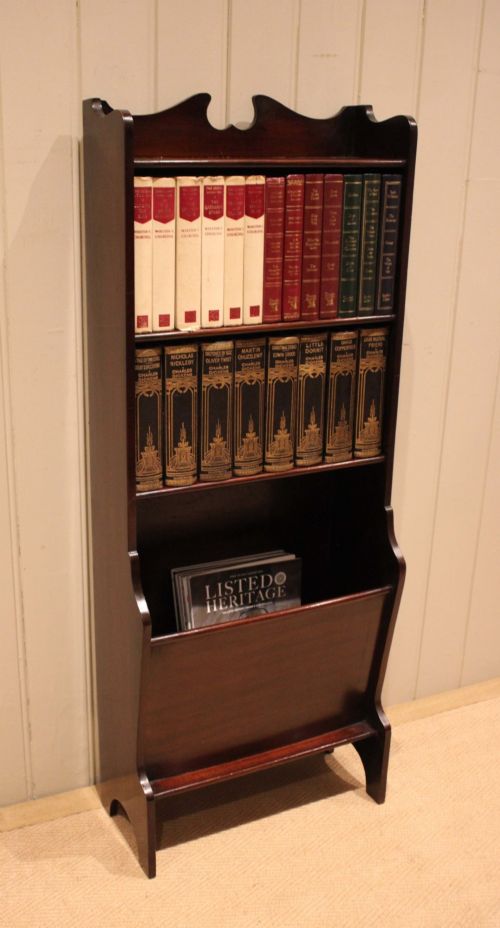
A standing book trough is designed to hold volumes upright in a compact footprint for daily reading access. When searching for a standing book trough, a buyer encounters pieces primarily from the nineteenth and early twentieth centuries, including the Victorian and Edwardian eras. These items serve domestic libraries, studies, and drawing rooms as practical furniture.
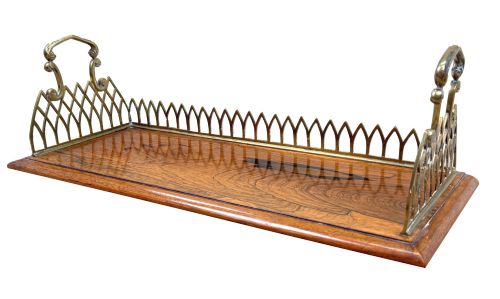
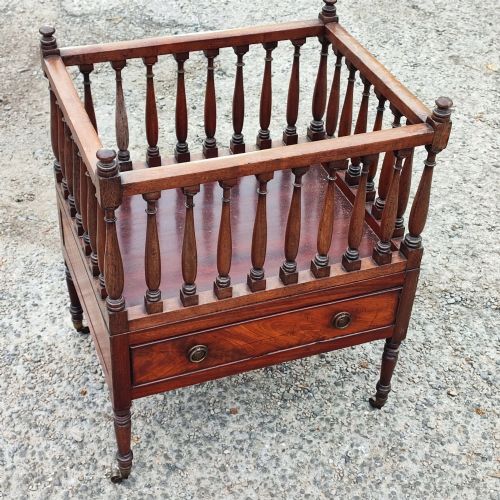
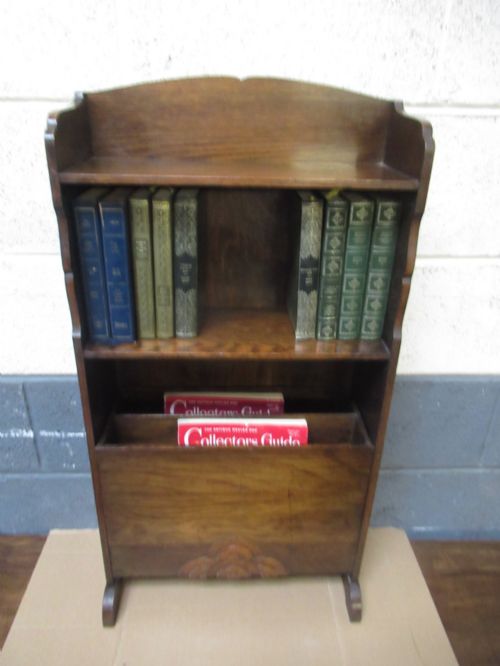
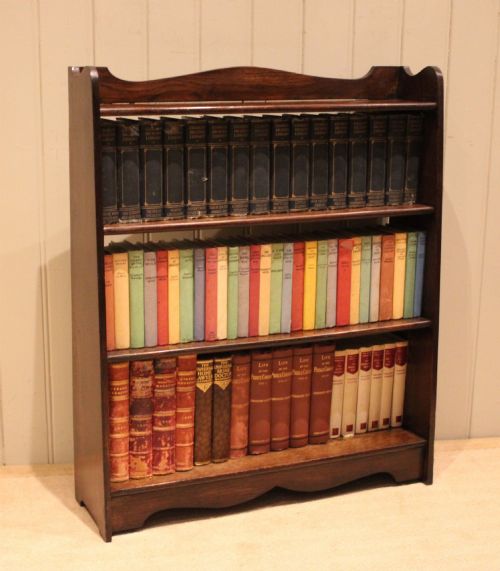
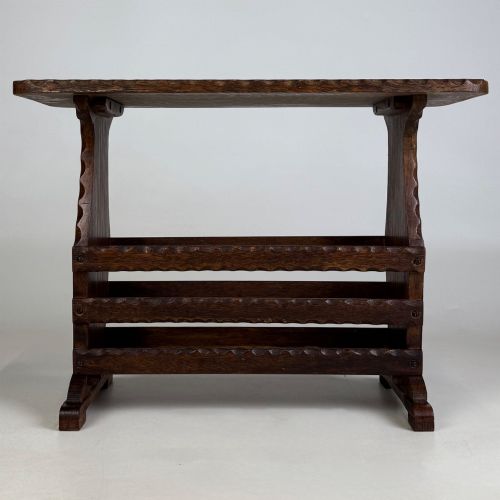
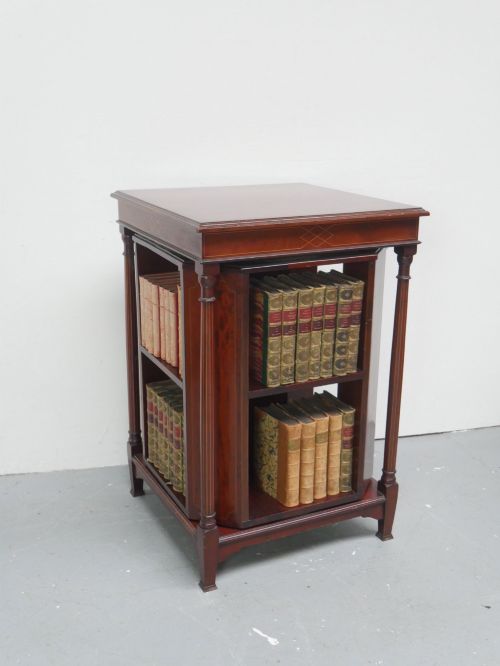
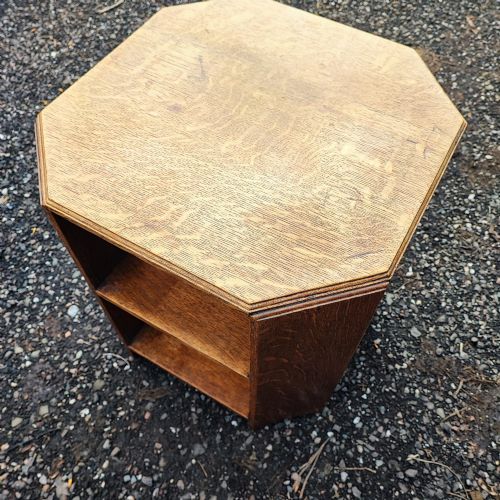
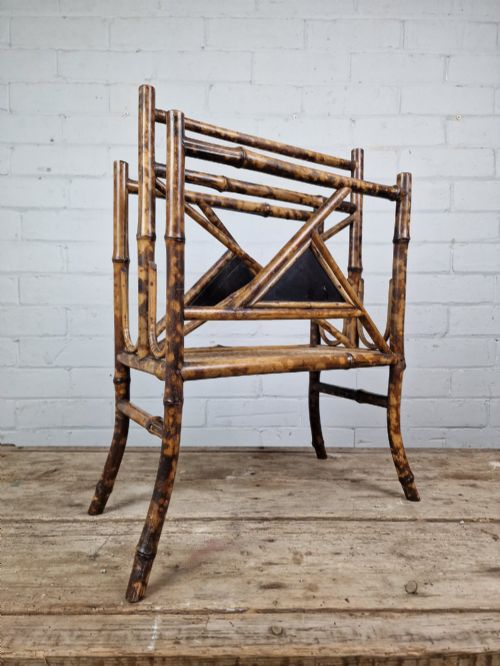
The forms on this page span open shelf designs, slope-shelf variations, and combinations with magazine racks or side tables. Oak and mahogany appear frequently as the primary woods, often shaped into floor-standing troughs or compact desk accessories. Makers construct these items to suit domestic spaces where book storage must remain accessible and tidy.
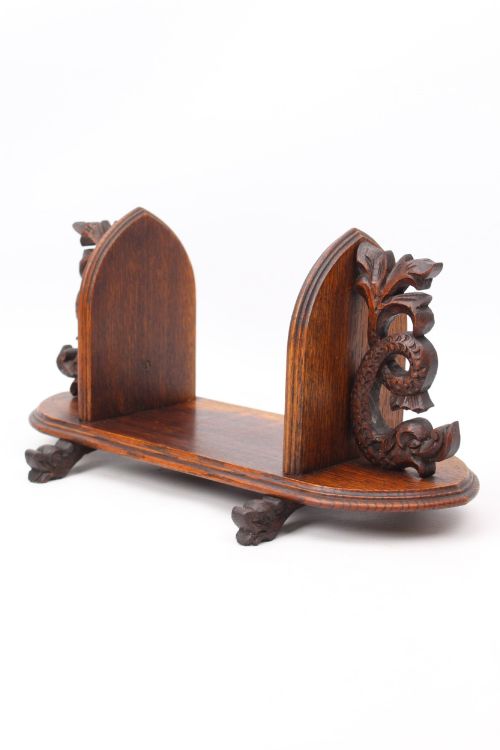
Stylistic influences range from plain utilitarian constructions to Arts and Crafts interpretations and Gothic Revival details. A buyer is most likely to meet straightforward Edwardian oak troughs or mahogany examples alongside occasional walnut and rosewood pieces. Each variant reflects the period domestic requirement for holding household literature close at hand.
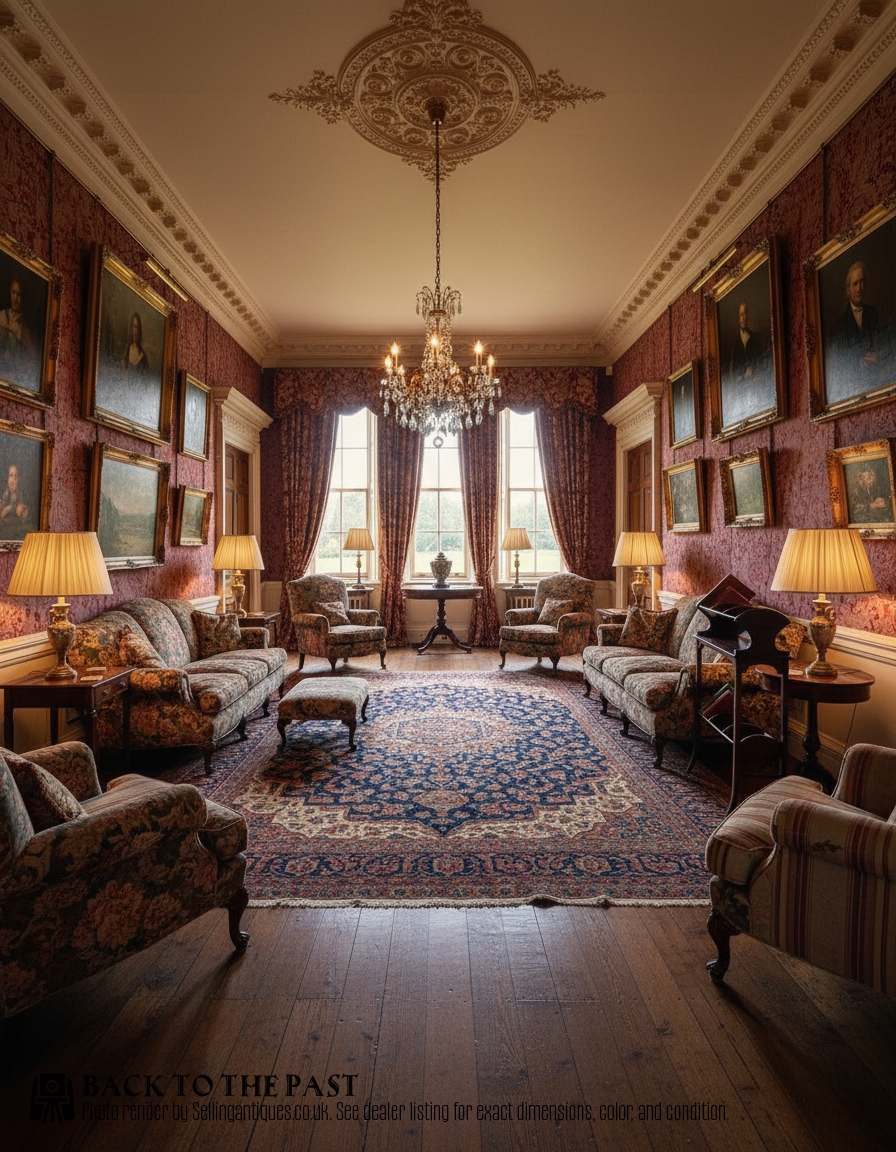
Materials and Construction
Cabinet makers utilised hardwoods such as oak, mahogany, and walnut to build these functional stands. Grain patterns in flame mahogany and figured oak receive polished finishes to highlight natural timber characteristics. Structural integrity relies on solid joints that support the weight of heavy volumes over extended periods.
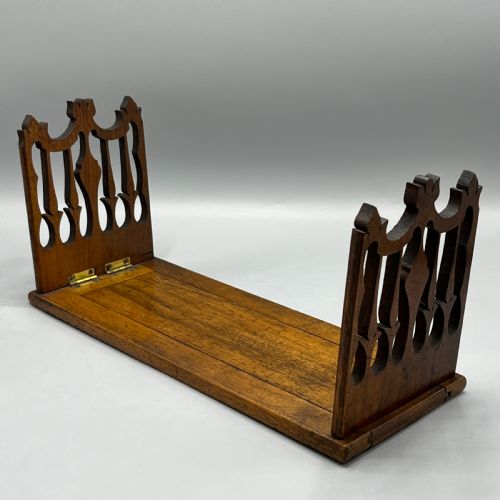
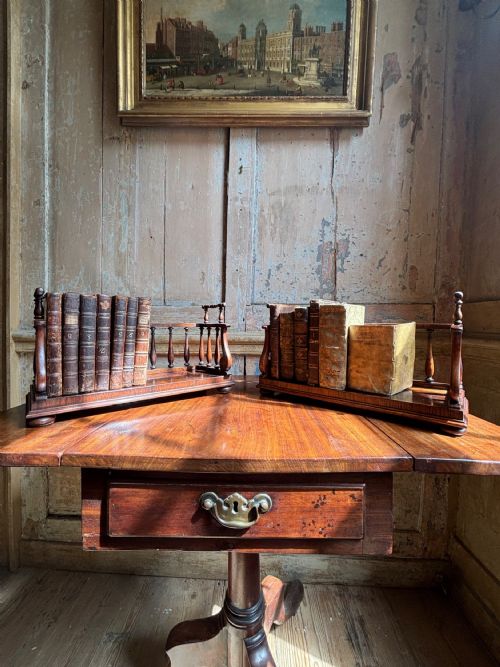
Brass mountings and hinges appear on extending versions and sliding bookends to provide smooth mechanical movement. Inlaid details, satinwood banding, and carved panels decorate specific pieces from the Arts and Crafts and Edwardian periods. Ebonised finishes and olive wood also feature in select examples.
Construction techniques include panelled troughs, sloped open fronts, and tiered shelving supported by sturdy uprights. Makers incorporated internal dividers to keep volumes upright without slipping. These building methods ensure that the furniture withstands the daily handling of books and magazines.
Standing Book Trough Retail Price Guide 2026
Typical asking prices for standing book trough among the pieces listed under this phrase on Sellingantiques today, from the lower quarter to the upper quarter. They describe what is for sale here now, not the wider market.
The listings on this site demonstrate that oak and mahogany remained the dominant timbers for standing book troughs across the Victorian and Edwardian eras.
Factors of Quality
Quality in a standing book trough depends on the selection of timber and the precision of the joinery. Superior pieces display well-figured grain, solid backboards, and stable construction that prevents swaying under a full load of books. Finer examples exhibit crisp carving or deliberate inlay work rather than rushed ornamentation.
Arthur Simpson·Waring and Gillows·Betjemanns
The Standing Book Trough Glossary
- Book trough
- A shallow open container designed to hold books in an upright or slightly angled position. These items sit on tables or stand directly on the floor.
- Book slide
- An extending stand with adjustable ends that keeps a small row of volumes secure on a desk. They often feature brass mounts or decorative wooden panels.
- Canterbury
- A low multi-section stand originally intended for sheet music or folios, frequently adapted for magazines and books. They include vertical partitions and carrying handles.
- Pietra dura
- A decorative technique using inlaid cut and fitted polished coloured stones to create pictorial designs. It appears on select Victorian book slides as surface ornamentation.
Standing Book Trough: Frequently Asked Questions
What is a standing book trough?
A standing book trough is a piece of furniture designed to hold a collection of books upright in an open trough format, allowing easy selection of titles. These items usually rest directly on the floor beside a chair, desk, or fireplace.
They emerged strongly during the Victorian and Edwardian periods as domestic libraries expanded and reading material became more common in the home. Their open design keeps favourite volumes immediately accessible.
How were book troughs used historically?
Historically, these troughs held working libraries, current novels, and periodicals close to seating areas in studies and drawing rooms. They provided a convenient method for keeping daily reading matter tidy without placing heavy volumes back onto tall bookcases.
Many variations included built-in magazine racks or auxiliary shelves for small items. This versatility made them practical additions to domestic spaces throughout the nineteenth and early twentieth centuries.
How do I date a book trough?
Dating relies on identifying the prevailing timber choices, construction methods, and stylistic movements evident in the piece. Victorian examples often incorporate walnut, heavy brass mounts, or inlaid stone, while Edwardian versions frequently utilise light oak or inlaid mahogany.
Arts and Crafts pieces show distinct hand-finished details and exposed joinery typical of the late nineteenth and early twentieth centuries. Maker labels or stamps, when present, provide a direct indication of origin.
Where should I place a book trough?
These pieces function best in studies, living rooms, and libraries where books are actively read and selected. Their compact floor footprint allows them to fit neatly beside armchairs, desks, or against empty wall spaces.
Placing them out of direct sunlight helps protect the polished timber surfaces and the bindings of the books they hold. A stable, level floor ensures the structure remains secure when fully loaded.