


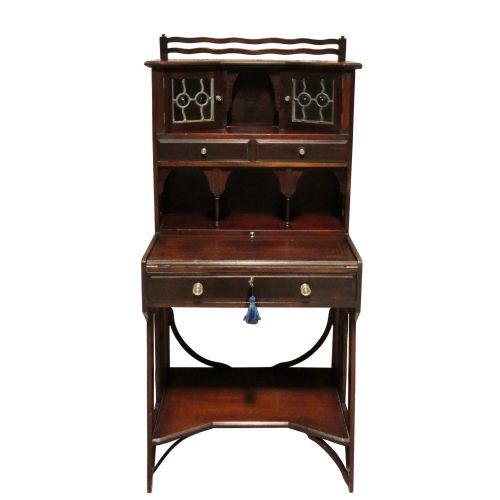


Liberty of London Table
These liberty of london table pieces span Arts and Crafts oak designs to Japanese carved plant stands, offering distinctive historic forms for period interiors.
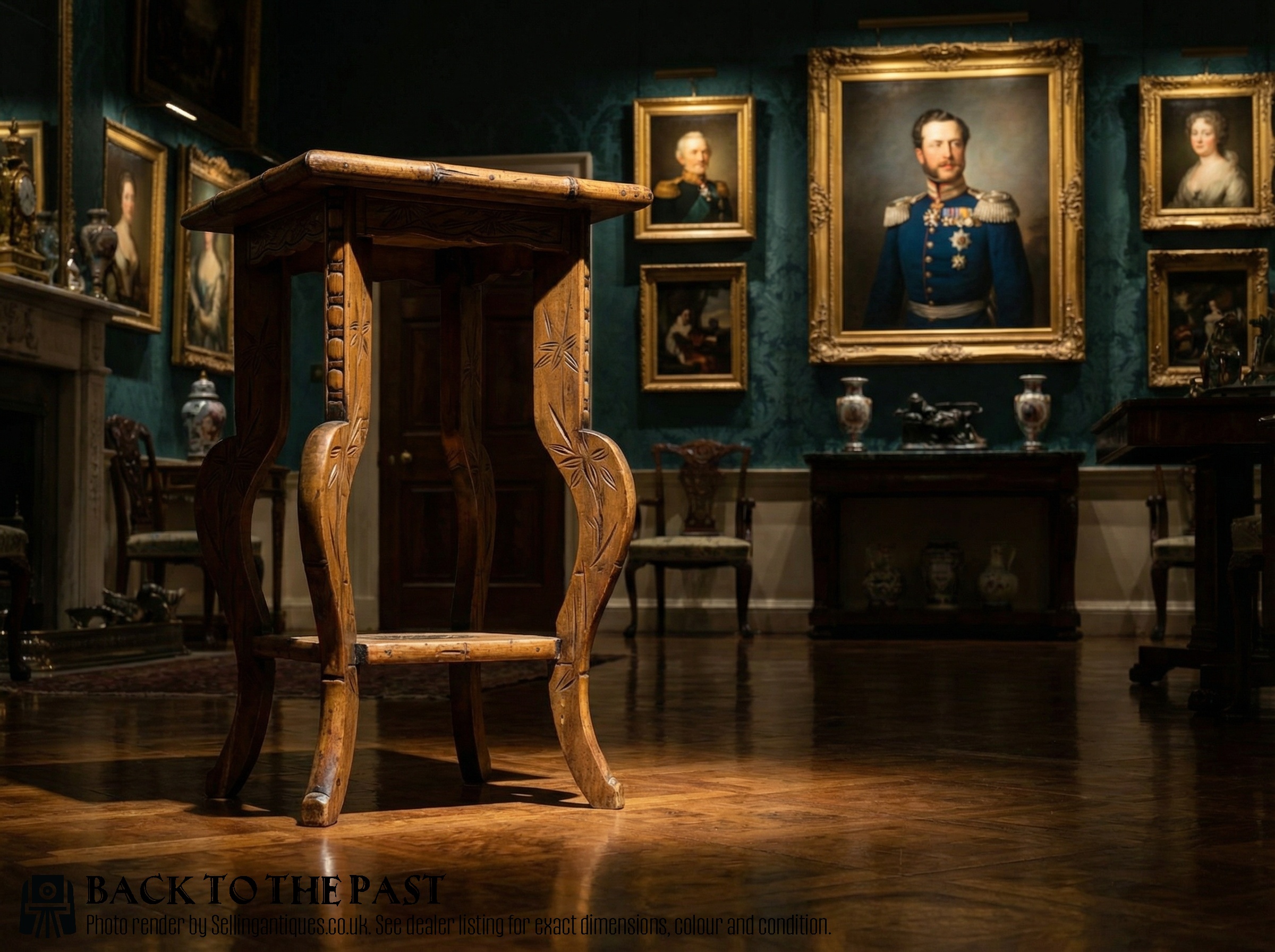
Liberty of London Table
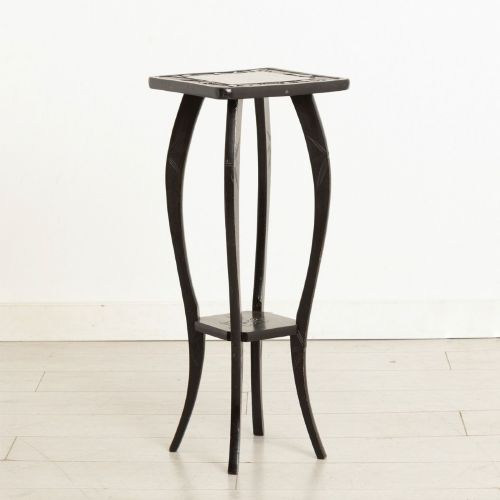
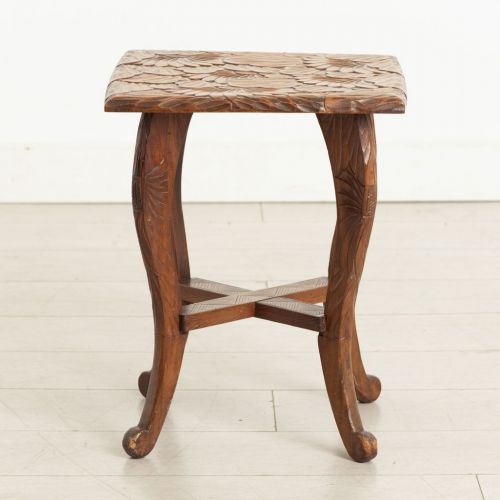
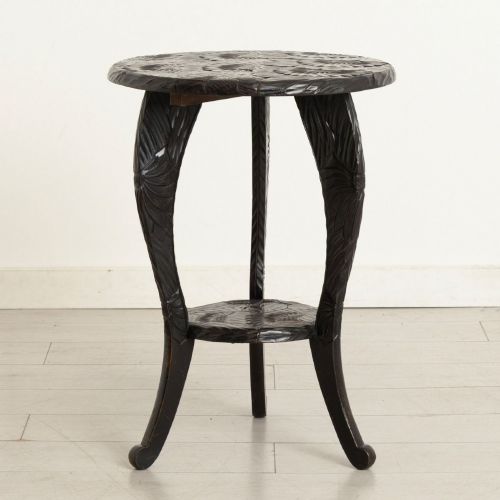
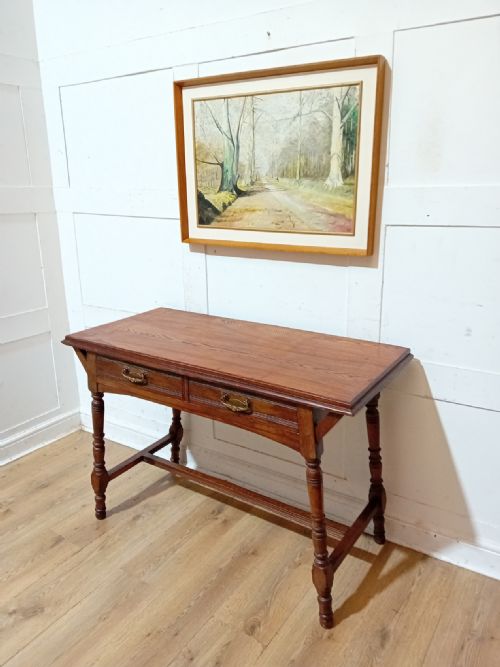
A liberty of london table encompasses a diverse range of forms, from compact occasional tables and writing desks to substantial extending dining tables. Buyers searching this phrase most frequently encounter Arts and Crafts oak designs alongside Japanese hand-carved plant stands and side tables.
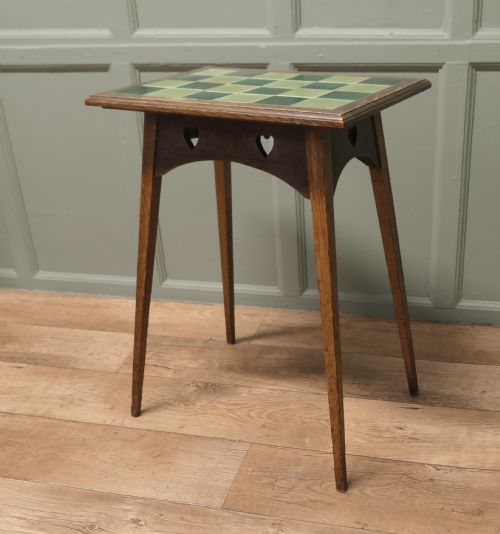
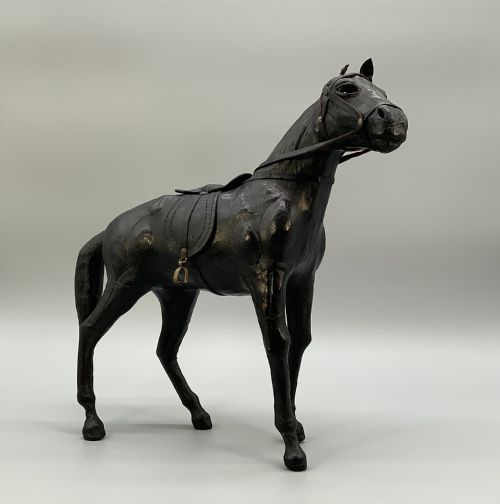
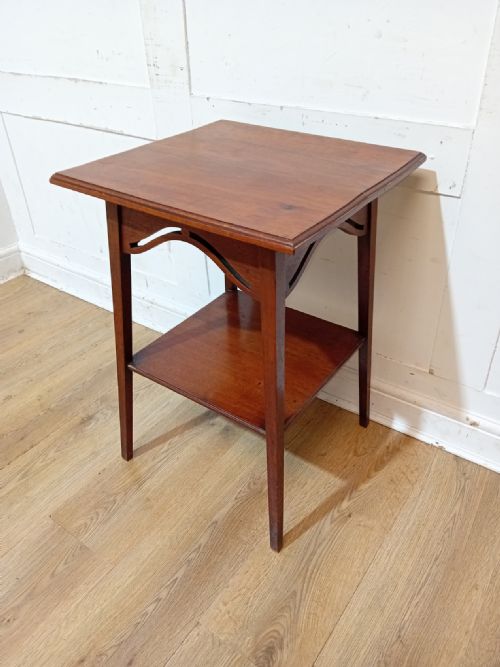
The inventory demonstrates stylistic breadth spanning Victorian, Edwardian, and mid-century periods. Pieces emerge in varied timbers including mahogany, walnut, ash, and ebonised wood, alongside specialised forms featuring ceramic tiles and leather.
Origins trace through specific movements including the Aesthetic Movement, Anglo-Japanese Japonisme, and Anglo-Moresque styles. Occasional pieces, side tables, and plant stands form the core of what collectors meet on this page.
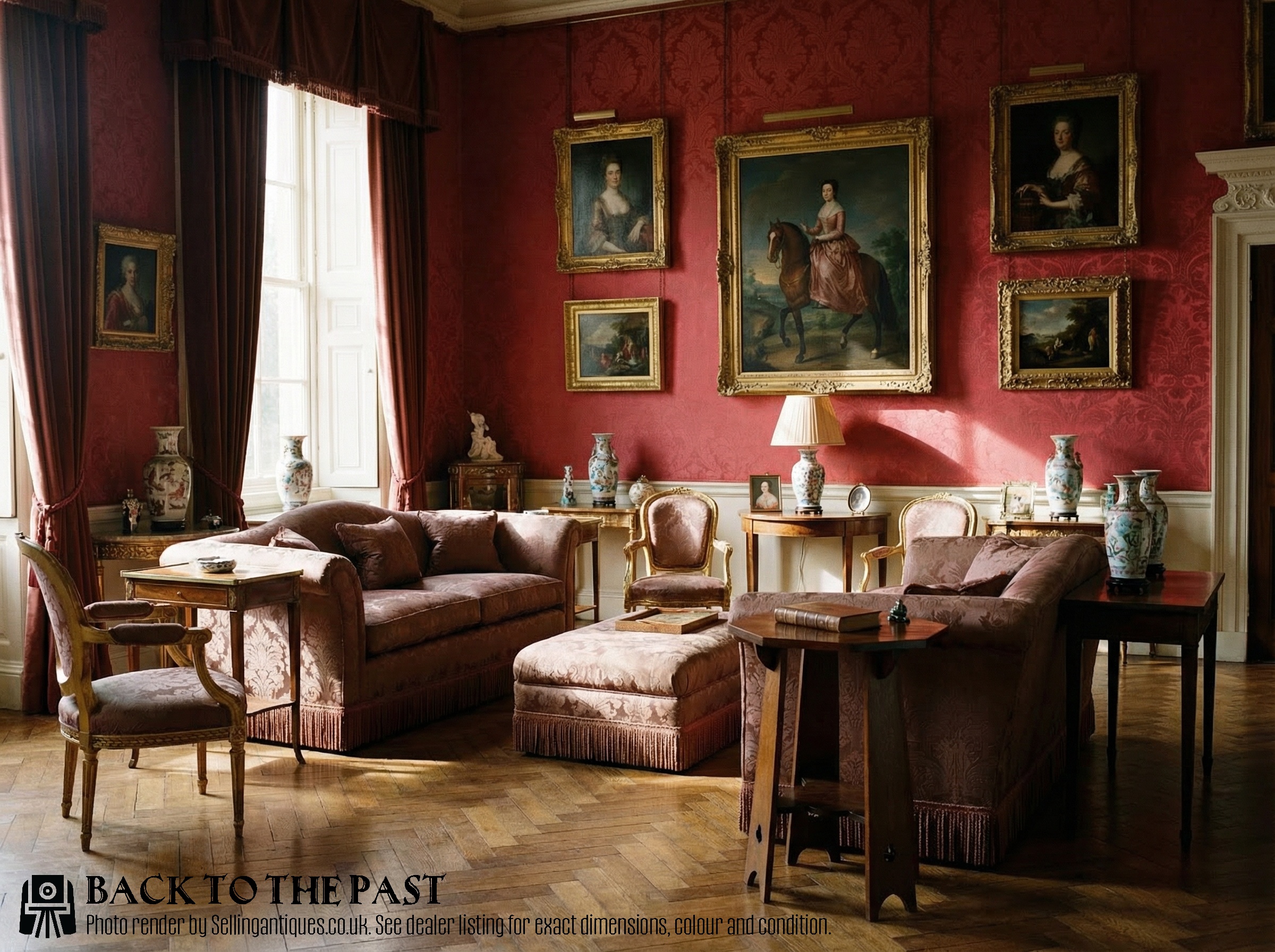
Materials and Construction
Construction relies heavily on solid regional timbers such as oak, ash, walnut, and mahogany. Cabinetmakers utilised traditional joinery methods to build sturdy side tables, library tables, and writing desks designed for domestic utility.
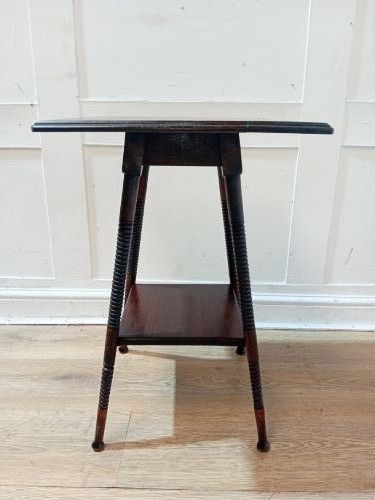
Surface ornamentation integrates distinct decorative techniques, incorporating hand-carved hardwood details, ceramic tile inserts, and ebonised finishes. Anglo-Moresque and Japonisme influences brought intricate turned woodwork and detailed carving to occasional tables and plant stands.
Liberty of London Table Retail Price Guide 2026
Typical asking prices for liberty of london table among the pieces listed under this phrase on Sellingantiques today, from the lower quarter to the upper quarter. They describe what is for sale here now, not the wider market.
The archive records side tables, plant stands, writing desks, and extending dining tables.
Qualities of the Range
Distinction across the range rests on the integrity of timber selection and the precision of hand-carving. Pieces produced by documented makers or retaining original retail labels demonstrate superior craftsmanship compared to general attribution pieces.
The complexity of design - such as the integration of ceramic tiles, drop flaps, or specialised turning - separates standard utility forms from ambitious artistic commissions. Original surface patination and structural cohesion dictate the standing of individual examples.
William Birch·Archibold Knox
The Liberty of London Table Glossary
- Arts and Crafts
- A design movement valuing traditional craftsmanship, simple forms, and local materials. It heavily influenced the oak furniture produced or retailed during the late nineteenth and early twentieth centuries.
- Japonisme
- The influence of Japanese art and design on Western decorative arts. This aesthetic appears in carved plant stands and side tables featuring distinct oriental motifs.
- Anglo-Moresque
- A hybrid style combining Islamic architectural motifs with British furniture forms. Mahogany occasional tables often display these characteristic geometric patterns and fretwork.
- Aesthetic Movement
- A late nineteenth-century movement promoting art for art's sake. It produced dark, ebonised furniture that emphasised visual refinement over historical revival.
- Occasional Table
- A small, versatile table designed for specific, intermittent domestic uses such as holding books or lamps. They appear frequently in various historical styles on this page.
Liberty of London Table: Frequently Asked Questions
What woods were used for these tables?
Makers utilised solid timbers such as oak, ash, walnut, and mahogany. Ebonised wood also appears on specific nineteenth-century designs.
Lighter woods like ash were common in Arts and Crafts pieces, while darker hardwoods suited Moorish and Japanese-inspired occasional furniture.
How do I identify a Liberty piece?
Confirmation often relies on surviving retailers' labels, distinct design catalogues, or documented collaborations with makers like William Birch. Stylistic indicators include characteristic Arts and Crafts construction or Japanese-influenced carving.
Not every item bears a mark, so stylistic alignment with Aesthetic or Anglo-Moresque movements provides essential context for identification.
Were these tables made in Japan?
The Japanese carved plant stands and side tables reflect the nineteenth-century European craze for imported craftsmanship. Retailers sourced these items directly or commissioned pieces inspired by Eastern aesthetics.
They represent the Victorian appetite for global decorative arts rather than purely domestic cabinetmaking.
How do I care for an antique table?
Keep wooden surfaces away from direct sunlight and steady heat sources to prevent timber splitting. Regular dusting with a dry cloth maintains the historic patination.
Avoid chemical polishes that can degrade original finishes, particularly on ebonised or polished mahogany surfaces.