
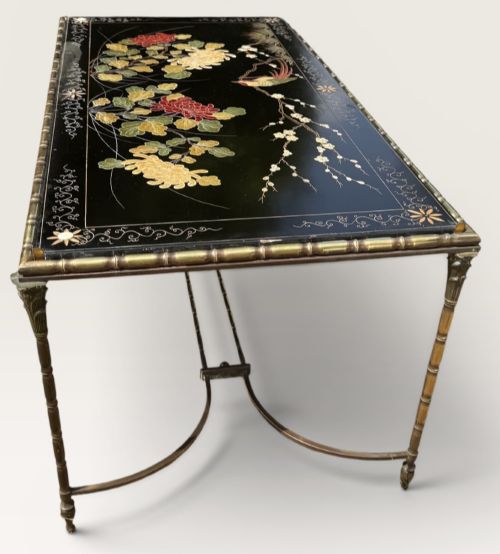
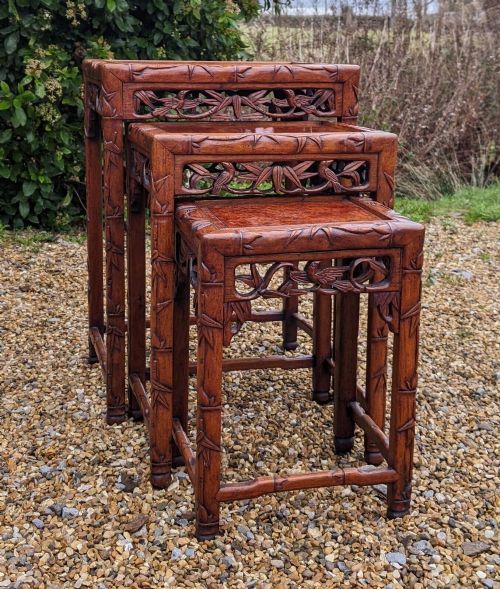


Antique Bamboo Style Table
An antique bamboo style table brings lightness and exotic character to a room, offering practical surface space through distinctive turned forms and natural materials.
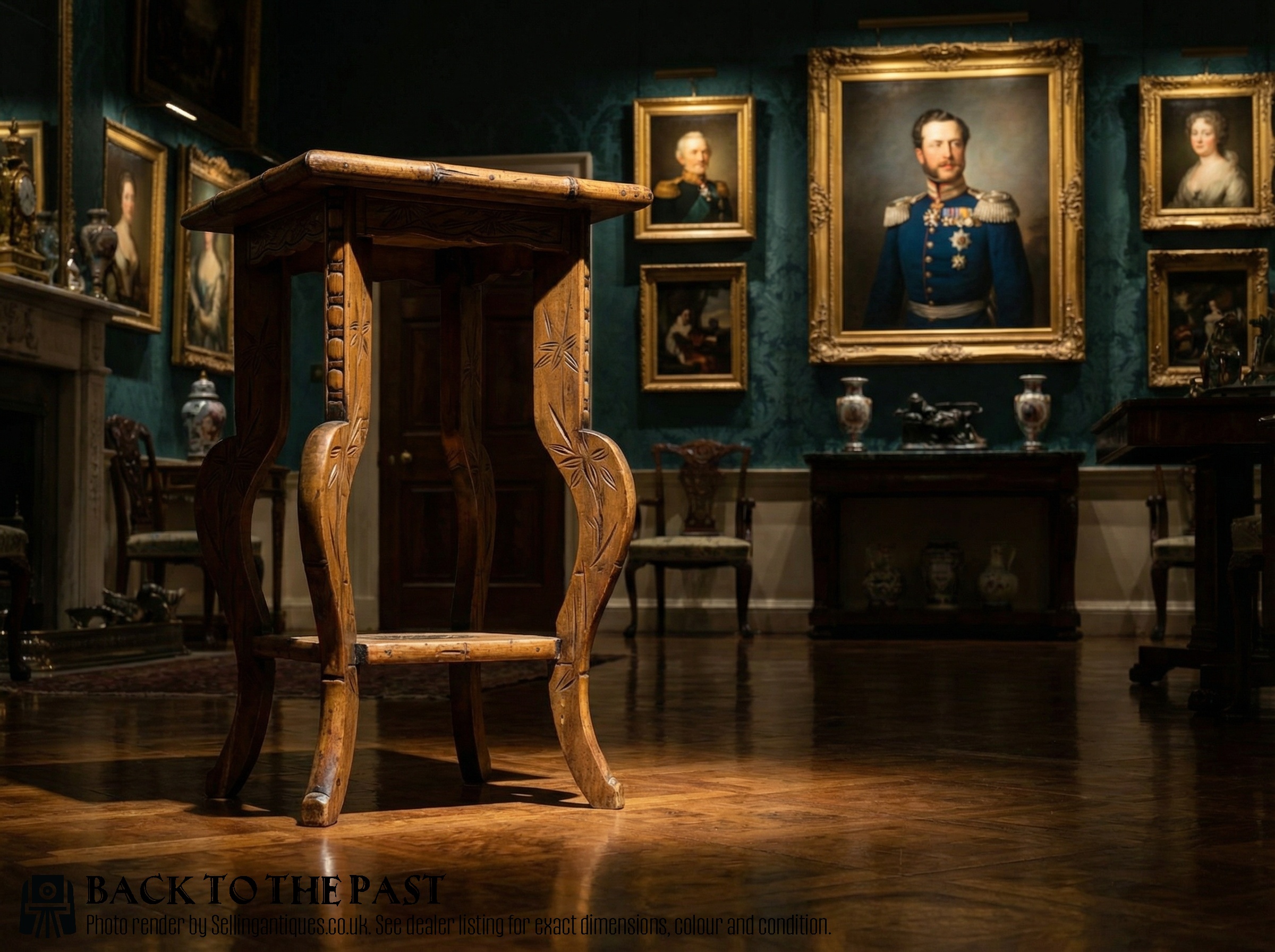
Antique Bamboo Style Table
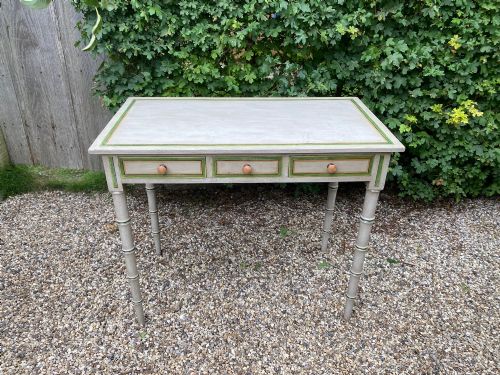
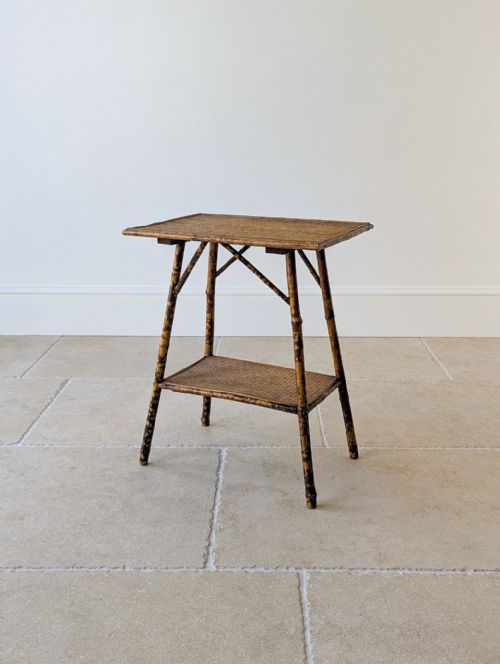
When searching for an antique bamboo style table, collectors encounter versatile furniture designed primarily for occasional use, such as side tables, nests of tables, and writing desks. These pieces originate predominantly from the nineteenth century, spanning the Victorian and Edwardian periods.
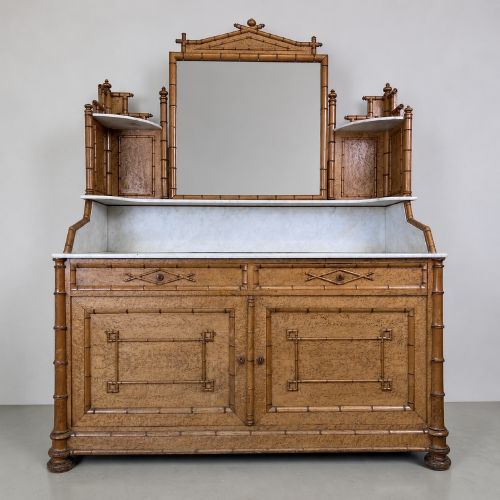
Makers adapted these forms to serve diverse functions, ranging from bedside cabinets and washstands to console tables and magazine racks. Such variety ensures that buyers find both compact surfaces and larger display pieces reflecting period tastes.
Materials and construction
Construction relies heavily on natural bamboo, pine, hardwood, and bird's-eye maple shaped to imitate the segmented joints of oriental cane. Woodworkers turned timbers carefully to achieve this simulated effect before applying paint, gold leaf, or lacquer finishes.
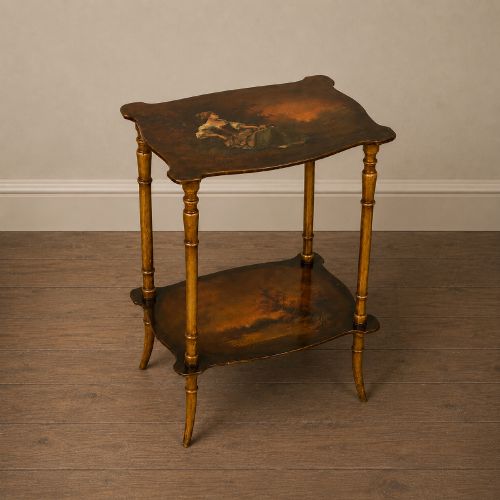
Many surfaces incorporate decorative panels of lacquer, woven reed, or marble inset into the wooden framework. Brass and glass components appear alongside hand-painted Chinoiserie details to enhance the ornamental appeal of these occasional tables.
The listings feature nineteenth-century and Edwardian pieces incorporating wood, bamboo, lacquer, brass, and marble.
Distinctions in quality
Quality rests upon the precision of the turning and the durability of the structural joints, which determine how well lightweight frames withstand daily use. Superior examples display crisp joinery and well-preserved surface finishes.
The integrity of applied lacquer, hand-painted decoration, and inset materials separates standard utility pieces from finer decorative works. Original brass fittings and undamaged marble or glass tops further elevate a piece.
Liberty of London
The Antique Bamboo Style Table Glossary
- Faux-bamboo
- Wood, typically pine or hardwood, turned and painted to resemble natural bamboo stems. This technique allowed cabinetmakers to achieve an exotic aesthetic using domestic timbers.
- Étagère
- A set of open shelves or tiers used for displaying small objects or serving drinks. These multi-level tables maximise surface area in compact spaces.
- Aesthetic Movement
- A late nineteenth-century design current that promoted art for art's sake and drew inspiration from Japanese and Chinese decorative arts. It heavily influenced the production of bamboo and lacquered furniture.
- Chinoiserie
- European interpretations of Chinese artistic motifs and techniques, frequently applied to lacquered furniture panels. This style adds pictorial scenes of figures, landscapes, and pavilions to tables.
- Quartetto
- A nested set of four tables designed to slide neatly beneath one another. They became popular during the Victorian and Edwardian eras for flexible entertaining.
Antique Bamboo Style Table: Frequently Asked Questions
How do I date an antique bamboo table?
Dating relies upon examining construction methods, wood types, and decorative styles associated with Victorian and Edwardian manufacturing.
Pieces from the nineteenth century often exhibit hand-turned joints and traditional lacquer work, while later Edwardian examples incorporate different assembly techniques.
Are faux-bamboo tables made of real wood?
Yes, faux-bamboo furniture is typically constructed from solid timbers such as pine or hardwood that have been meticulously carved and painted.
Cabinetmakers used this technique to create the distinctive segmented appearance of bamboo while maintaining structural strength.
How were two-tier étagères used originally?
These versatile two-tier tables served primarily as occasional surfaces for holding lamps, books, or tea services in nineteenth-century drawing rooms.
The lower shelf provided additional space for displaying decorative items or storing reading materials conveniently.
What is the difference between bamboo and rattan furniture?
Bamboo consists of hollow, rigid, segmented canes used for the structural framework of tables and stands.
Rattan utilises flexible solid vines that are often woven into panels or decorative details rather than forming upright legs.