
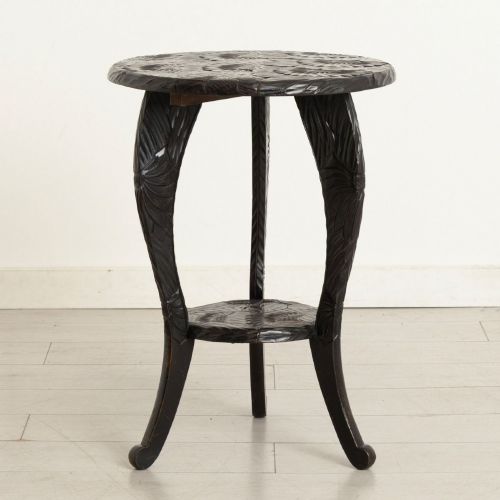


Antique Japanese Accent Table
These antique japanese accent table selections blend Eastern craftsmanship with Western domestic tastes, offering versatile surfaces for modern interiors.
Antique Japanese Accent Table
An antique japanese accent table encompasses occasional tables, side tables, nests of tables, and table lamps originating from or heavily inspired by Japanese design traditions. Buyers encountering this selection will frequently find pieces spanning the nineteenth century through the early twentieth century, including the Meiji and Taisho periods.
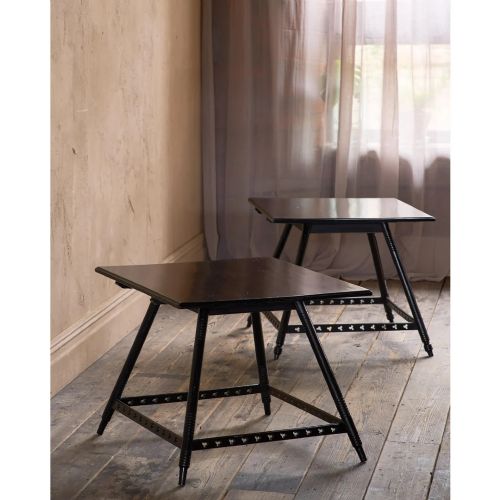
The forms vary from low tea tables like the chabudai to multi-tiered occasional tables and ebonised display surfaces. Many items demonstrate the cross-cultural exchange of the Aesthetic Movement, Anglo-Japanese style, and Japonisme, merging traditional Eastern motifs with Western furniture forms.
Materials and construction
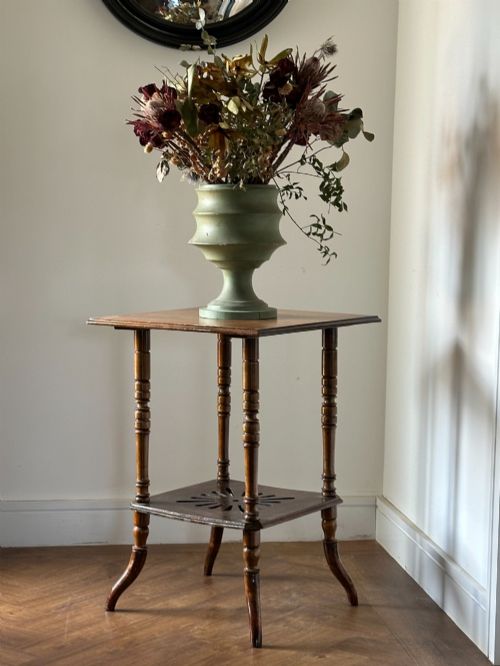
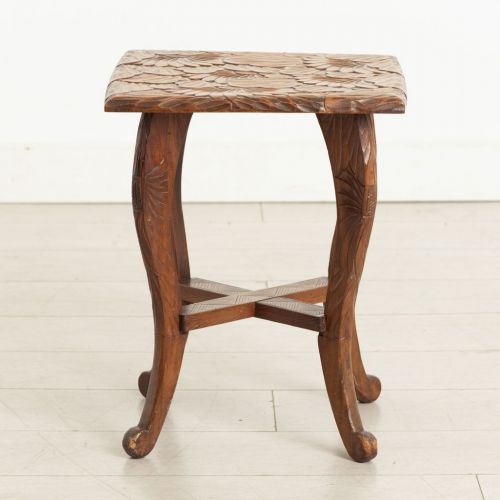
Construction relies heavily on hardwoods such as mahogany, rosewood, elm, and ebonised wood, often enhanced by hand carving and parcel-gilt details. Workshops utilised traditional joinery alongside lacquer, enamel, and fabric panels to create contrasting textures and visually striking surfaces.
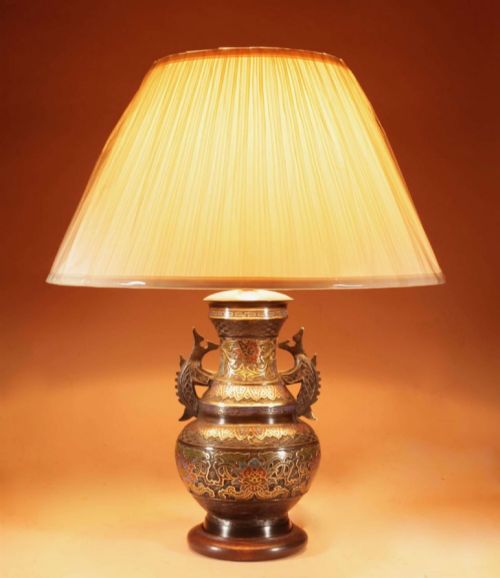
Makers integrated decorative elements including champlevé bronze, marble inserts, and bamboo-turned framing to achieve the characteristic aesthetic of the period. The combination of native Japanese motifs with British and European furniture frameworks defines the physical build of these pieces.
Available forms include side tables, occasional tables, nests of tables, centre tables, and table lamps.
Assessing craftsmanship
Quality separates through the crispness of hand carving, the depth of ebonising, and the preservation of delicate lacquer or painted surfaces. Superior examples display meticulous attention to joinery and structural integrity despite the intricate framing typical of the style.
The distinction between standard commercial production and finer work lies in the selection of materials, such as heavy hardwoods versus softer alternatives, and the integration of specialised components like bronze mounts or marble tops. Provenance and attribution to specific design influences also elevate particular pieces above standard domestic wares.
Liberty of London·Gabriel Viardot·E. W. Godwin
The Antique Japanese Accent Table Glossary
- Japonisme
- A nineteenth-century European movement highlighting the influence of Japanese art and design on Western decorative arts. This aesthetic heavily informed the creation of domestic furniture and decorative objects during the period.
- Ebonised
- Wood treated with a dark finish to imitate expensive ebony. This technique was frequently utilised in Aesthetic Movement and Anglo-Japanese furniture to create high-contrast silhouettes.
- Chabudai
- A traditional short-legged Japanese table utilised for dining, tea, or writing while kneeling on tatami mats. Surviving antique examples often feature durable elm construction.
- Champlevé
- An enamelling technique where trenches are carved into a metal surface and filled with vitreous enamel before firing. It appears frequently on metal mounts and decorative lamp bases of the era.
- Meiji Period
- The era in Japanese history spanning from 1868 to 1912, characterised by the opening of trade with the West. Export pieces from this timeframe heavily influenced European interior design.
Antique Japanese Accent Table: Frequently Asked Questions
What is an antique japanese accent table?
An antique japanese accent table is a small decorative or functional surface created during the late nineteenth or early twentieth century. These items include imported pieces as well as Western interpretations influenced by Japanese design.
Buyers often encounter forms such as side tables, nests, and low tea tables. They serve as versatile decorative items that bring historical character to contemporary rooms.
How do I identify an Anglo-Japanese table?
Anglo-Japanese pieces typically combine clean structural lines with elements like ebonised wood, bamboo-turned framing, and motifs inspired by Japanese art. They reflect the cross-cultural design movement popular in Britain during the late Victorian era.
Look for contrasting finishes, minimalist geometric forms, and decorative panels that evoke Eastern aesthetics while maintaining traditional Western furniture utility.
Where should I place an accent table?
These tables function well beside seating areas as side surfaces or display stands for lamps and ceramics. Their modest proportions allow them to fit easily into smaller spaces or hallways.
When living with these pieces, ensure they are placed away from direct heat sources to protect delicate wood finishes, lacquer, and inlay work.