





Liberty and Co Style
When you search for liberty and co style, you find pieces that range from austere oak furniture to shimmering enamel and silver metalwork.
Liberty and Co Style
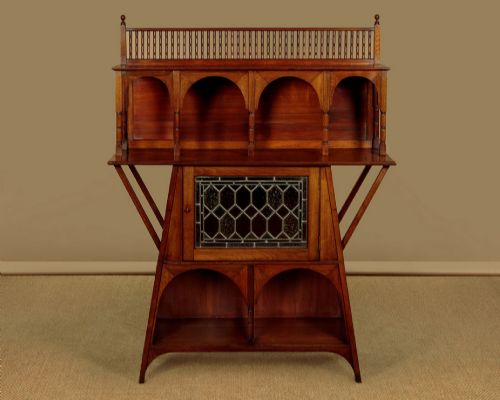
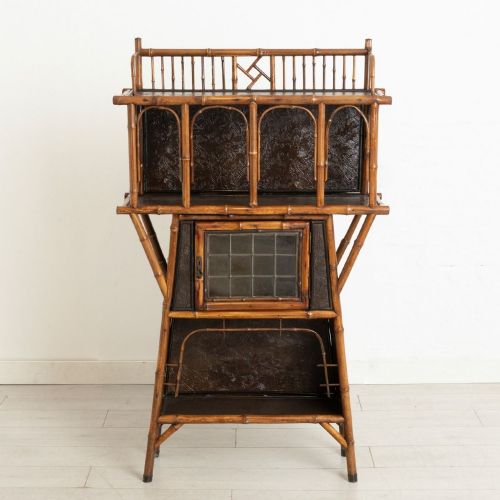
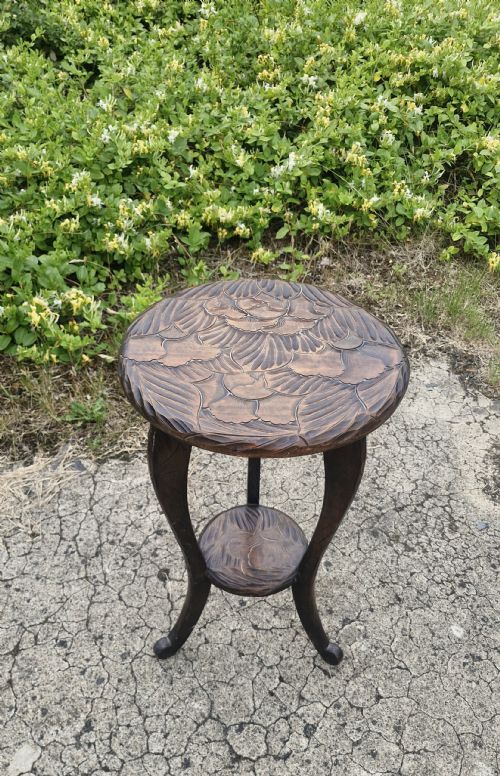
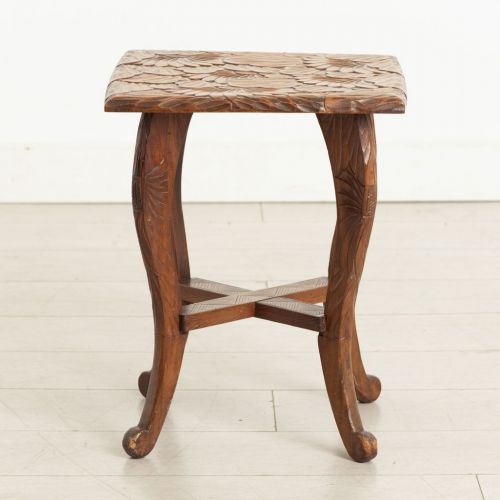
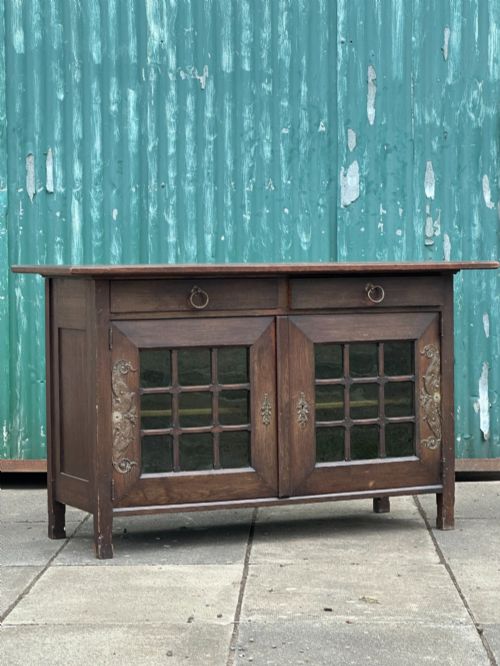
The objects gathered under liberty and co style span domestic furniture, decorative metalwork, and personal jewellery created during the late nineteenth and early twentieth centuries. Side cabinets, occasional tables, armchairs, and wall mirrors dominate the material, often reflecting the rigorous simplicity of the Arts and Crafts movement or the elaborate geometry of Anglo-Moorish design.
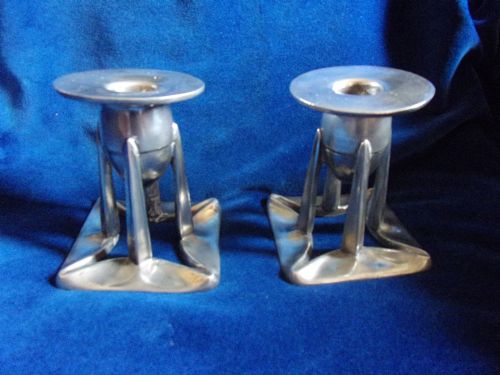
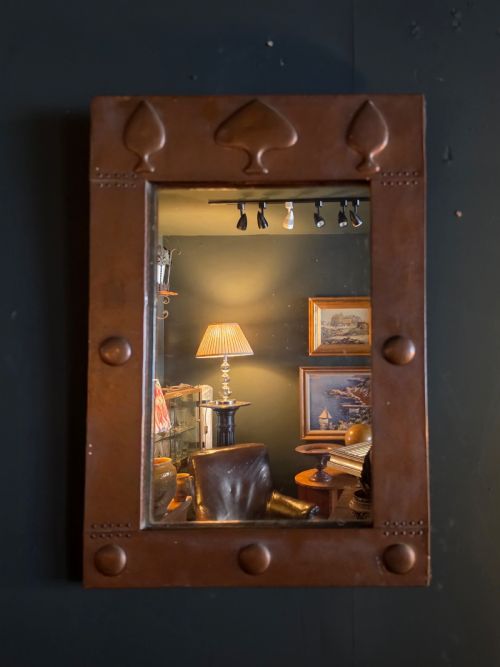
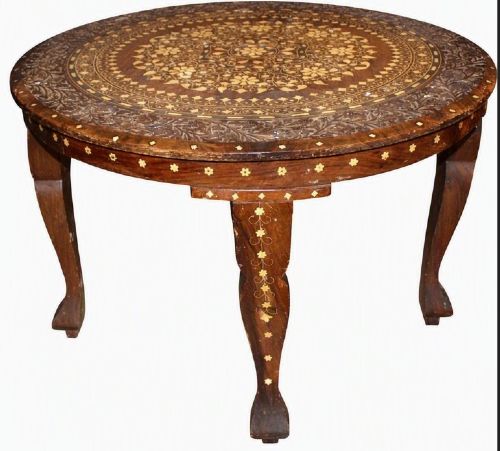
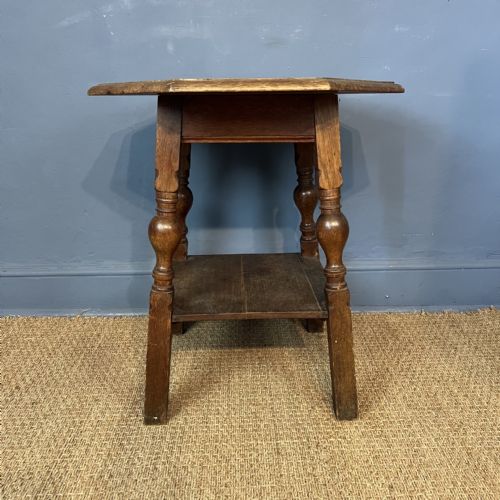
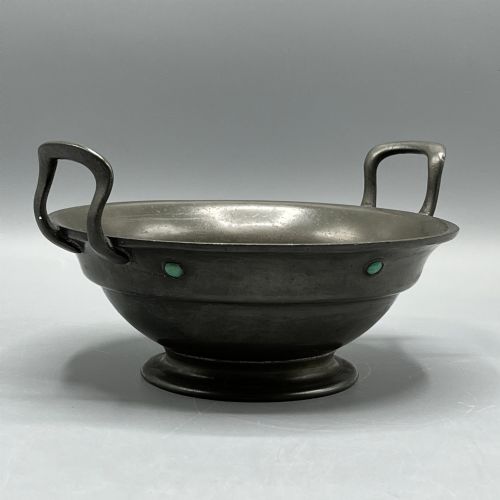
You will frequently meet oak side tables, copper-framed mirrors, and pewter tableware bearing the unmistakable aesthetic of the period. Alongside these vernacular forms appear exotic occasional tables inlaid with bone or carved with mashrabiya panels, showing the firm's fascination with global craftsmanship.
Jewellery pieces such as silver necklaces set with opals, enamel, or tourmalines represent the smaller scale of this design tradition. Whether architectural in oak or delicate in silver, the items share a deliberate rejection of industrial monotony.
Materials and construction methods
Makers utilised honest, tactile materials such as solid oak, copper, pewter, and silver, letting the natural grain or metal finish remain the primary visual focus. Wood was frequently left in its natural state or ebonised, while base metals received hand-beaten textures that highlighted human labour.
Decorative elements relied on contrasting details rather than applied ornamentation, incorporating bone inlay, mother-of-pearl, cabochons, and vitreous enamel panels. Pewter and silver items employed cast and chased components, often augmented by colourful semi-precious stones such as chrysoprase, citrine, and blister pearls.
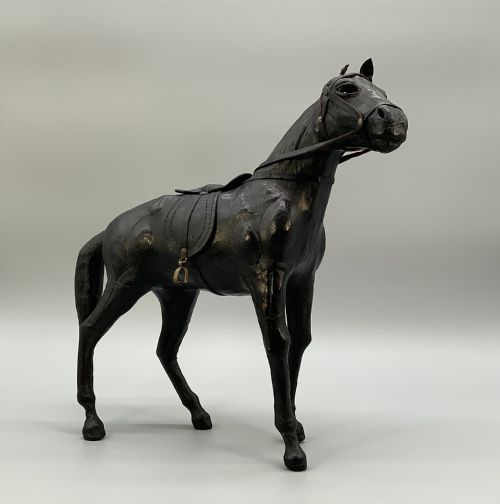
Even horses receive the aesthetic treatment here, evidenced by a leather-bound horse sculpture standing proudly among the oak cabinets and silver pendants.
Distinctions in quality and execution
Quality rests upon the crispness of hand-carving, the structural integrity of joints in timber furniture, and the depth of finish on metalwork. Pieces bearing clear maker attribution or specific model numbers generally display superior proportions and more refined material selection than anonymous workshop interpretations.
In metalwork and jewellery, the saturation of the enamel, the secure seating of cabochons and stones, and the weight of the silver or pewter dictate the level of craftsmanship. Simpler utility items remain functional and honest, whereas fully articulated designer pieces exhibit meticulous attention to every visible surface.
Archibald Knox·Leonard Wyburd·WH Haseler
The Liberty and Co Style Glossary
- Arts & Crafts
- A design movement advocating traditional craftsmanship, simple forms, and local materials. It emerged as a reaction against mass production.
- Tudric
- The trade name used by Liberty & Co. for their range of pewter hollowware and decorative objects produced from the early twentieth century onward.
- Cymric
- The brand name applied to Liberty & Co.'s high-grade silver and gold jewellery and metalwork, frequently incorporating precious stones and enamel.
- Anglo-Moorish
- A decorative style combining British furniture forms with Islamic and Moorish architectural motifs, characterised by intricate pierced woodwork and bone inlay.
- Cabochon
- A gemstone polished to a smooth convex dome rather than faceted, commonly set into the surface of pewter or silver metalwork.
- Mashrabiya
- An architectural element featuring wooden lattice screens used in traditional Islamic domestic interiors, adapted here for furniture panels.
Liberty and Co Style: Frequently Asked Questions
How do I identify genuine Liberty work?
Look for stamped model numbers, retailer marks, or associated maker stamps such as Tudric or Cymric on the metalwork and furniture. Design characteristics like stylized trees, organic cabochons, and distinct proportions also point toward the firm's output.
Attribution often relies on known silhouettes, such as specific occasional table designs or copper mirror frames recorded in period catalogues and archives.
What is Tudric pewter?
Tudric is the specific brand name used by the retailer for its high-quality pewter items, developed in collaboration with Birmingham maker W.H. Haseler. It generally contains a higher silver content than standard pewter, allowing for a brighter finish.
These pieces often feature cast abstract motifs, green enamel accents, or inset coloured glass cabochons typical of the period.
Are all these items made by Liberty?
The inventory includes both authenticated pieces made directly for or retailed by the company, and items produced in the same aesthetic by contemporary workshops. Pieces described as in the style or attributed usually reflect the wider design movement rather than bearing a direct factory mark.
Examining construction methods and comparing forms to documented examples helps clarify the exact origin of each object.
How should I care for antique pewter?
Pewter requires gentle cleaning with warm soapy water and a soft cloth to preserve its natural oxidized patina rather than aggressive metal polishes. Avoid abrasive pads that can scratch the soft surface and remove subtle hand-beaten textures.
Keeping items away from damp environments prevents pitting and ensures the stable preservation of any embedded enamel panels.