
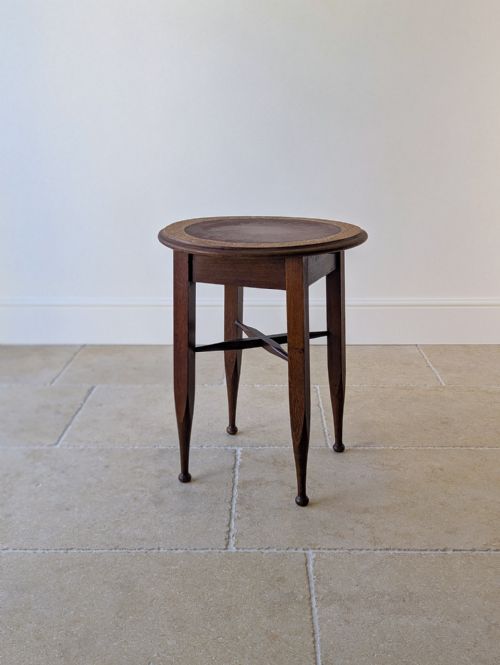
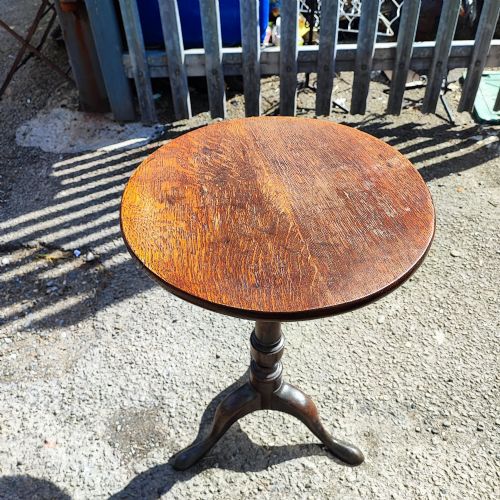
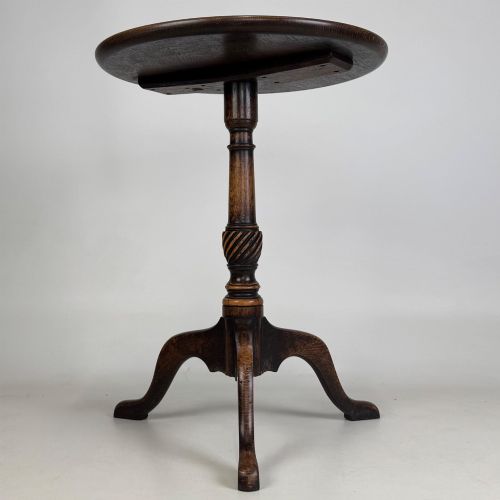
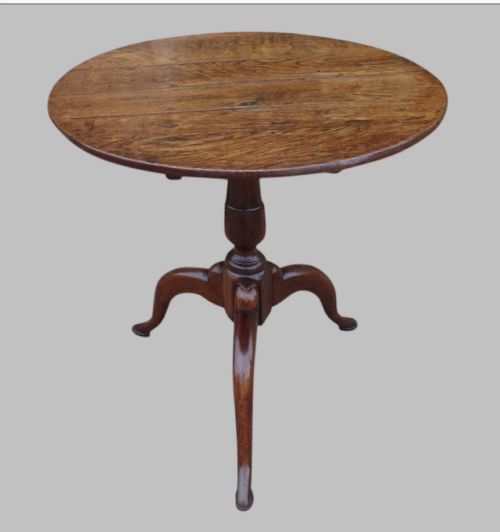


Small Circular Oak Table
A small circular oak table brings warmth and utility to a room, offering centuries of craftsmanship in a compact, round form.
Small Circular Oak Table
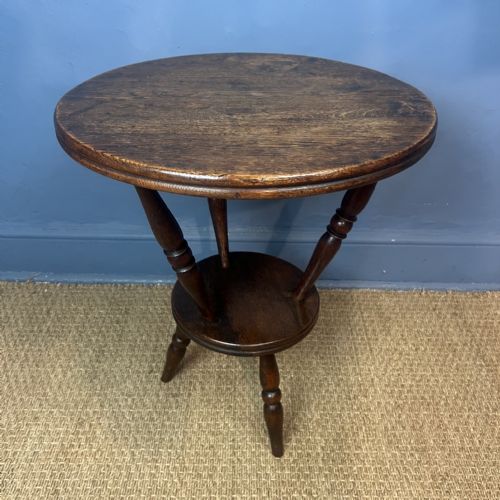
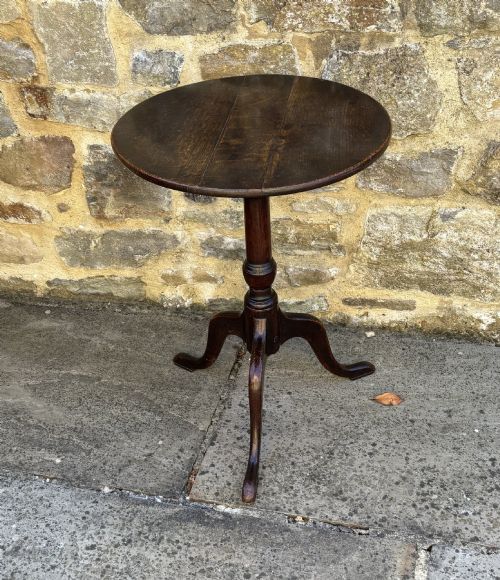
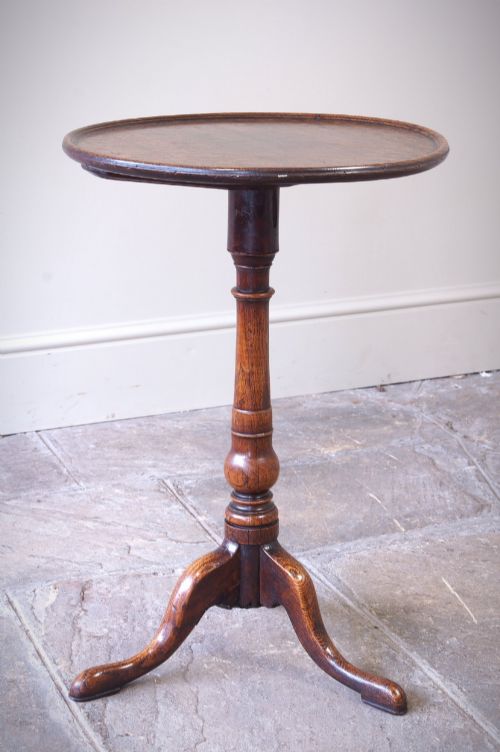
A small circular oak table encompasses various historical designs spanning the Georgian, Victorian, Edwardian, and Regency periods, alongside pieces dating around 1900. These items primarily manifest as side tables, occasional tables, wine tables, and cricket tables, constructed predominantly from timber.
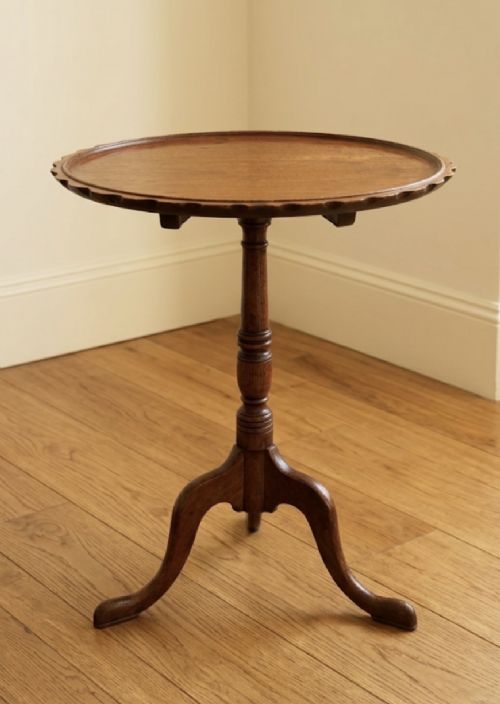
The selection frequently includes tripod bases, two-tier structures, and segmented tops, reflecting both country workshop output and refined period design. Buyers encounter both plain timber surfaces and painted finishes, with forms adapted for use as lamp stands, planter stands, or wine tables.
Originating across the eighteenth, nineteenth, and early twentieth centuries, these tables demonstrate how cabinetmakers utilised circular tops for domestic convenience. The pieces range from utilitarian country furniture to decorative items featuring inlay or mixed woods.
Materials and construction
Makers built these pieces primarily using solid oak, often incorporating burr oak or applying paint to the timber. Selected examples introduce contrasting materials such as mahogany, satinwood, and yew wood for decorative effect on the circular tops.
Construction techniques rely on traditional joinery suitable for tripod pedestals and four-legged side or cricket tables. Timber selection dictated the durability and grain pattern of each circular top, balancing structural stability with visual character.
Tables recorded include a segmented wine top designed to make guests wonder if it will turn into a puzzle.
Assessing the execution
Quality reveals itself in the proportion of the tripod or pedestal base relative to the circular top, alongside the tightness of the joinery. Finer examples display careful selection of oak grain, whereas simpler country pieces prioritize sturdy utility.
The integration of secondary timbers, such as satinwood or yew wood, distinguishes standard production from more ambitious decorative work. Surface treatments, whether left as raw timber or painted, show varying degrees of historical preservation and finish.
The Small Circular Oak Table Glossary
- Tripod table
- A small freestanding table supported by a central pillar resting on three legs. This construction allows the top to tilt on many historical examples.
- Cricket table
- A small, usually three-legged round table originating from vernacular English tradition. It provides exceptional stability on uneven floors due to its three-point stance.
- Wine table
- A compact circular table designed to hold glasses or decanters during evening dining. They frequently feature slender pedestals and small top diameters.
- Burr oak
- Wood taken from a tree growth where the grain has grown in a deformed manner, producing intricate patterns. It is sliced into veneers for decorative table surfaces.
- Occasional table
- A light, easily movable table intended for specific, intermittent use within a room. These forms became particularly popular during the Victorian and Edwardian eras.
Small Circular Oak Table: Frequently Asked Questions
What is a cricket table?
A cricket table is a traditional three-legged round table designed for stability on uneven floors. Their vernacular construction makes them a distinct subset of early circular furniture.
They typically feature a round wooden top supported by three splayed legs joined by stretchers near the base.
How were wine tables used?
Wine tables served as movable stands for bottles, glasses, and decanters during social gatherings. Their compact circular tops kept refreshments within arm's reach of seating areas.
Many examples feature tilt-top mechanisms to store the table flat against a wall when not in use.
How do I date an oak table?
Dating relies on observing construction methods, timber characteristics, and stylistic details associated with periods like the Georgian or Edwardian eras. Hand-cut joinery and tool marks indicate earlier manufacture.
Secondary woods and hardware styles also help narrow the timeframe of the piece.
Where should I place a tripod table?
A tripod table fits well beside armchairs, in narrow corners, or as a lamp stand in a hallway. Their compact circular footprint occupies minimal floor space.
The central pedestal allows people to sit comfortably close without legs obstructing their feet.