
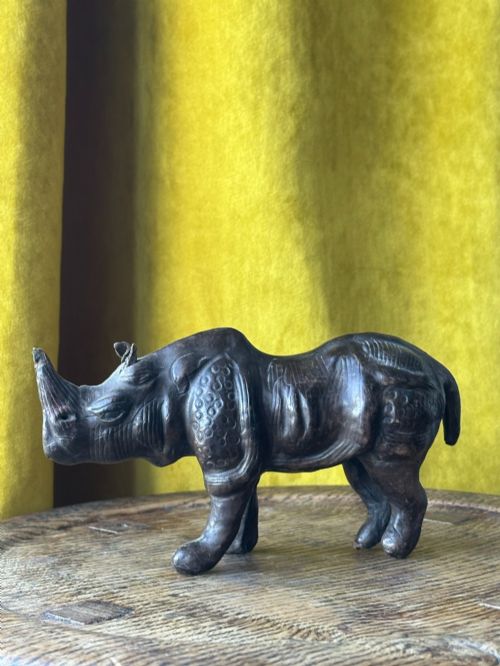


Leather Animal Sculpture
These leather animal sculpture pieces bring character and tactile warmth to a room, ranging from practical footstools to striking desk ornaments.
Leather Animal Sculpture
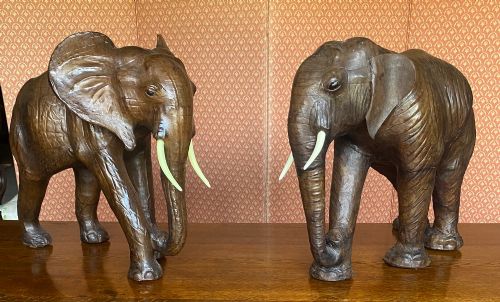
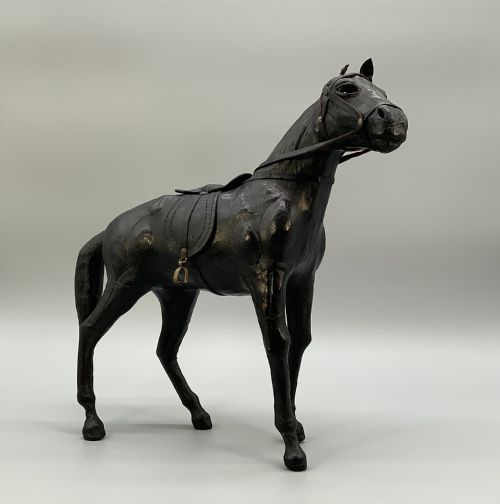
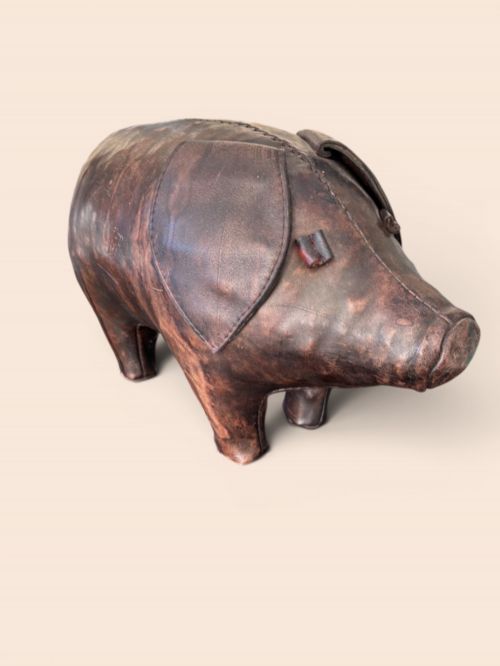
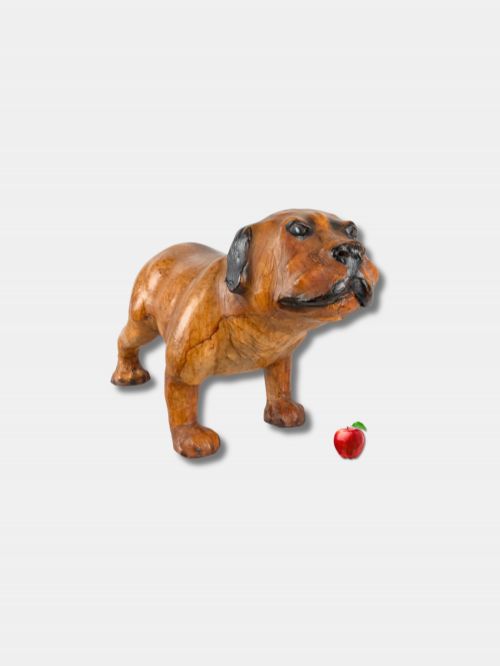
When you search for a leather animal sculpture, you find decorative models and footstools shaped as horses, pigs, elephants, and dogs. These pieces span the late nineteenth century through the mid twentieth century, drawing on Arts and Crafts, Art Deco, and Mid-Century Modern styles.
The versions most common here are sturdy leather models and footstools made by notable workshops such as Liberty and Co and the Omersa Workshop. They utilise materials like pigskin, moulded leather, and wood wool over internal metal or wood frames, serving as both sculpture and functional furniture.
How they were made
Craftsmen shaped these sculptures over internal structures of wood, metal, and steel, packing them with wood wool to achieve a firm and lifelike volume. The exterior relies on leather and pigskin, frequently moulded and bound by hand to capture the muscular contours of the animal.
The materials recorded across these listings include leather, pigskin, wood wool, metal, steel, and glass.
What varies in quality
The distinction between standard decorative objects and exceptional examples lies in the anatomical accuracy and the crispness of the moulded leather. Master workshops achieved a natural stance and proportion that lesser-known makers missed, resulting in a more convincing and characterful presence.
The integrity of the internal stuffing and the preservation of the outer skin also dictate the standard of a piece. Firmness under hand pressure and careful patination of the leather indicate superior original construction and careful stewardship over the decades.
Liberty and Co·Omersa Workshop
The Leather Animal Sculpture Glossary
- Pigskin
- A durable leather with a distinct hair follicle pattern often used for covering footstools and sculptures.
- Wood wool
- Fine wood shavings utilised as a traditional stuffing material to pack the interior of animal models.
- Moulded leather
- Leather shaped under pressure while damp to hold a permanent three-dimensional form and contour.
- Arts and Crafts
- A design movement valuing handcraftsmanship, simple forms, and traditional materials over mass production.
- Desk ornament
- A small-scale decorative sculpture intended for placement upon a desk, table, or surface.
Leather Animal Sculpture: Frequently Asked Questions
How were leather animal sculptures used?
Many of these pieces served a dual purpose as decorative sculptures and functional footstools or ottomans in domestic interiors. Smaller versions functioned simply as desk ornaments or tabletop display items.
Their robust construction allowed them to withstand everyday use while adding a distinct sculptural element to a room.
How do I care for vintage leather?
Keep these sculptures away from direct sunlight and strong heat sources to prevent the leather and pigskin from drying out or cracking. Gentle dusting and occasional treatment with appropriate leather dressings help maintain the surface texture.
Avoid excessive moisture and handle the internal wood wool stuffing with care to preserve the original shape.
How do I date a leather sculpture?
Dating relies on stylistic markers from periods such as the Arts and Crafts movement, Art Deco, and the mid twentieth century. Examining construction techniques, hardware, and any maker stamps provides further chronological clues.
Parks of the evidence show these works emerging from the late nineteenth century through the nineteen fifties.