


Leaded Glass Window Panel
These leaded glass window panel pieces bring historic colour, pattern and light directly into domestic interiors.
Leaded Glass Window Panel
A leaded glass window panel comprises individual glass segments joined by flexible lead cames to form pictorial or geometric designs. Buyers encountering these pieces select from architectural salvage originating in periods spanning the nineteenth and early twentieth centuries.
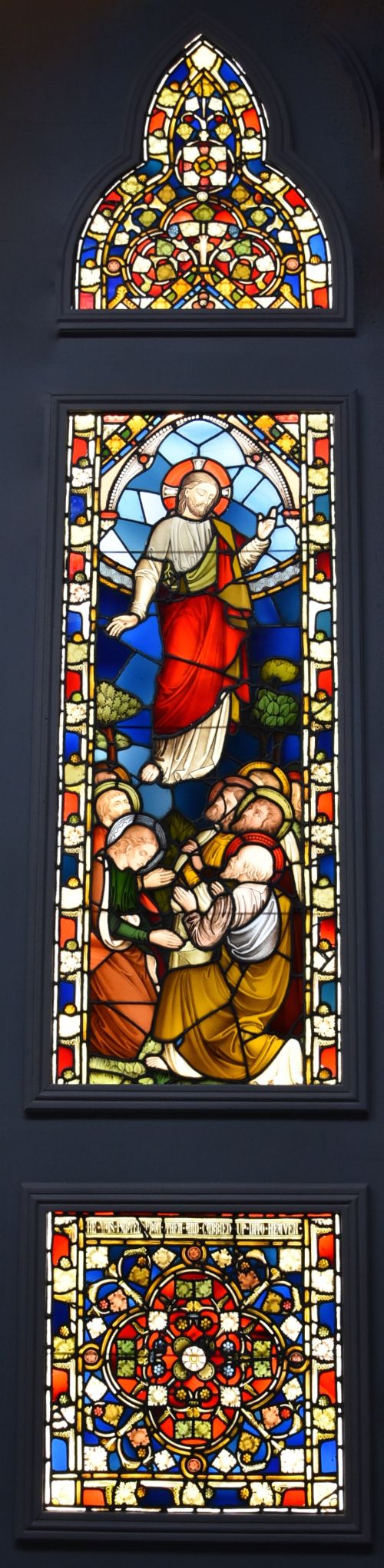
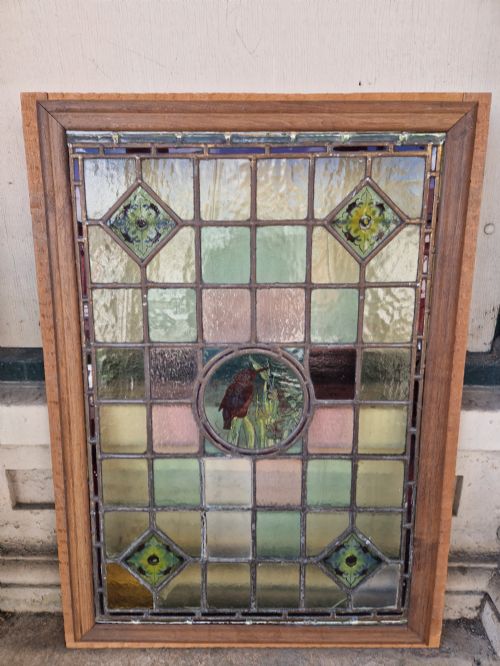
The selections on this page draw heavily from Victorian, Edwardian and early twentieth-century production. Many examples incorporate hand-painted details depicting pastoral scenes, birds, floral motifs and heraldic emblems.
Common formats range from simple square-paned church windows to domestic door inserts and triptychs framed in timber, pine or original wooden surrounds.
How they were made
Maker workshops constructed these windows by cutting coloured and clear glass to fit detailed cartoons before assembling the pieces within H-section lead channels. Soldered joints secured the intersections of the lead cames, creating a rigid matrix capable of supporting large architectural compositions.
Leaded Glass Window Panel Retail Price Guide 2026
Typical asking prices for leaded glass window panel among the pieces listed under this phrase on Sellingantiques today, from the lower quarter to the upper quarter. They describe what is for sale here now, not the wider market.
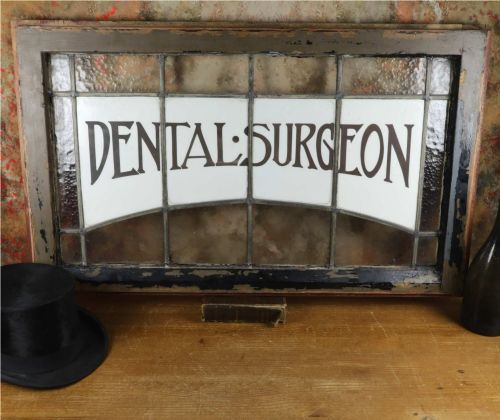
Several panels feature surprisingly domestic subjects, including cheerful Dutch children, visiting birds on branches, and local dental surgeries.
What varies in quality
Quality rests upon the ambition of the design and the finesse of the hand-painted brushwork applied to the glass. Fine examples display sophisticated pictorial detail, such as figurative scenes depicting knights, pastoral landscapes or ornithological studies.
The integrity of the leading and the inclusion of special glass elements like bullseyes and flashed glass elevate a panel's construction standard. Original timber frames or pine surrounds add structural context that alters how a piece is displayed.
The Leaded Glass Window Panel Glossary
- Came
- The slender, grooved lead strip used to hold individual pieces of glass together in a window panel. These flexible channels form the structural network of the design.
- Bullseye
- A small, circular disc of glass featuring a central thickening or concentric ripples, formed at the pontil mark during hand-blowing. They add texture and amber tones to traditional leaded compositions.
- Triptych
- A panel or window divided into three distinct sections or hinged leaves, commonly utilised for large-scale decorative architectural installations.
- Architectural salvage
- Building components rescued from older structures slated for demolition. These panels retain their original fabric and historical character.
- Flashed glass
- A manufacturing technique where a thin layer of coloured glass is fused over a base of clear or contrasting glass. Artisans etched or abraded the top layer to reveal the contrasting colour underneath.
Leaded Glass Window Panel: Frequently Asked Questions
How do I hang a leaded glass window panel?
Most panels arrive within their original timber frames or require a dedicated internal metal bracket system to support their weight safely against a light source.
Securing the frame directly to window reveals ensures the lead matrix remains unstressed by gravity over time.
Are these panels suitable for exterior installation?
While originally built for exterior architecture, many antique panels require professional weatherproofing or secondary glazing layers to withstand modern elements.
Placing them inside rooms as decorative wall hangings or interior room dividers protects historic painted surfaces from weathering.
How do I identify a Victorian panel?
Victorian examples frequently display Gothic Revival influences, deep rich colours, and heavier lead cames alongside structural timber surrounds.
Motifs often include heraldic emblems, floral swags or architectural arch tops typical of nineteenth-century building styles.
What is the difference between stained glass and leaded glass?
Leaded glass refers specifically to pieces held together by lead cames, which can include clear, textured or amber bullseye panes without colour pigment.
Stained glass implies the inclusion of coloured or painted glass within that same leaded network to form pictorial compositions.