



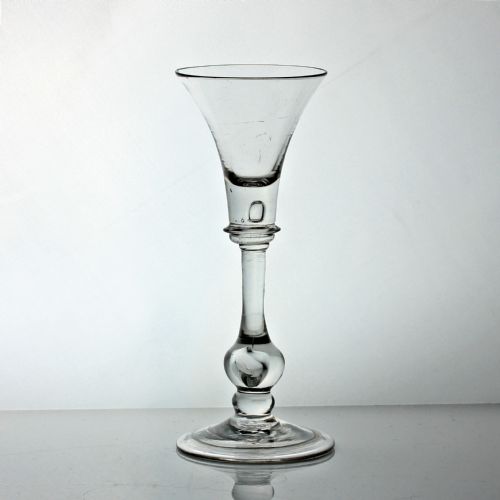

Lead Glass Baluster
Lead glass baluster pieces are substantial English drinking vessels from the eighteenth century, prized by collectors for their weight and distinctive stems.
Lead Glass Baluster
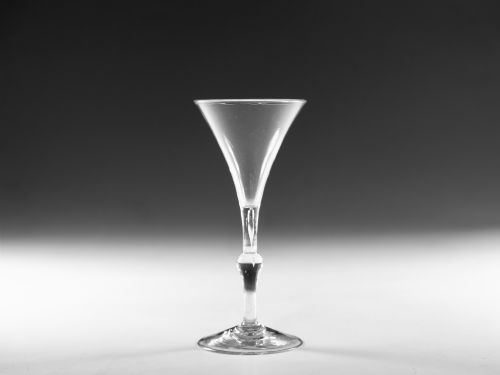
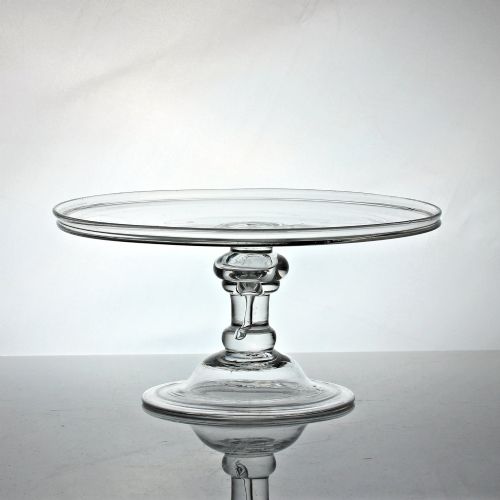
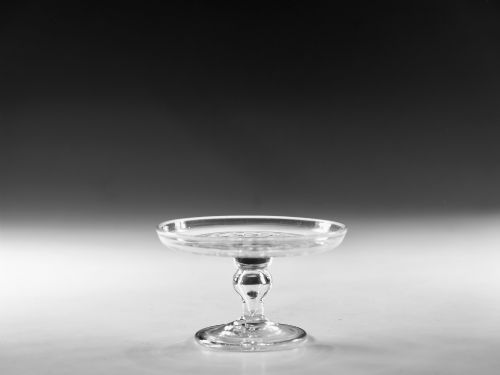
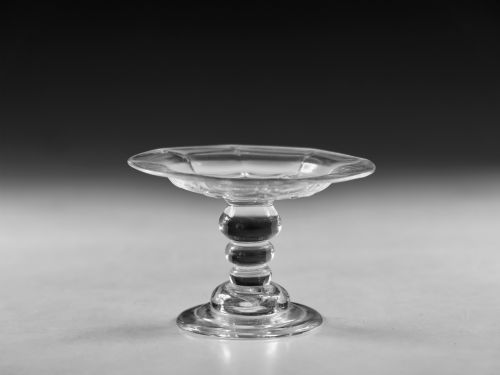
Lead glass baluster pieces belong primarily to the Georgian era, spanning the early and mid-eighteenth century. When searching for lead glass baluster, collectors encounter sturdy drinking vessels and serveware including wine glasses, dram glasses, ale glasses, tazzas, and patch stands.
The most common forms on this page are wine glasses and goblets featuring characteristic heavy stems, alongside specialised serving pieces like tazzas and patch stands. These items originate from eighteenth-century English production, showcasing forms typical of the Queen Anne, George II, and broader Georgian periods.
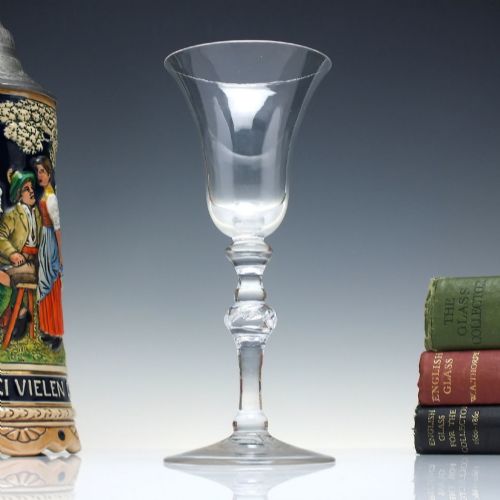
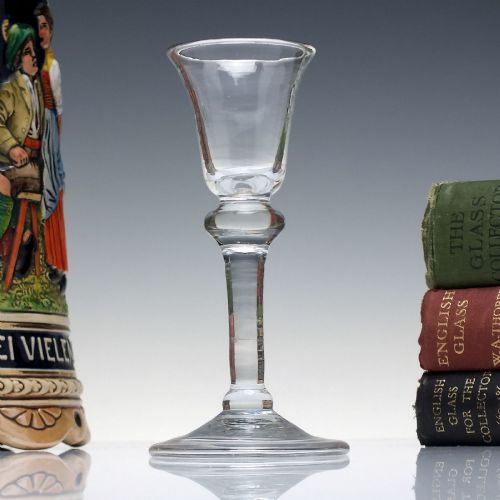
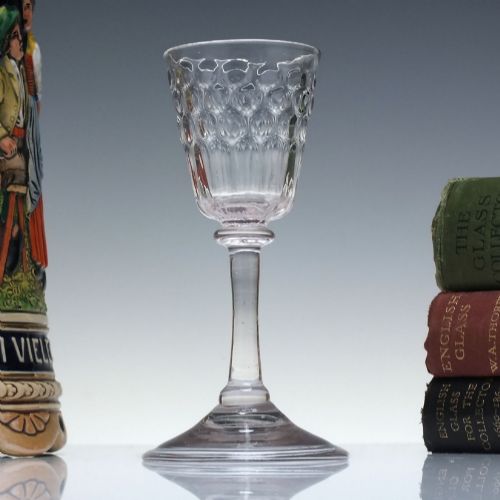
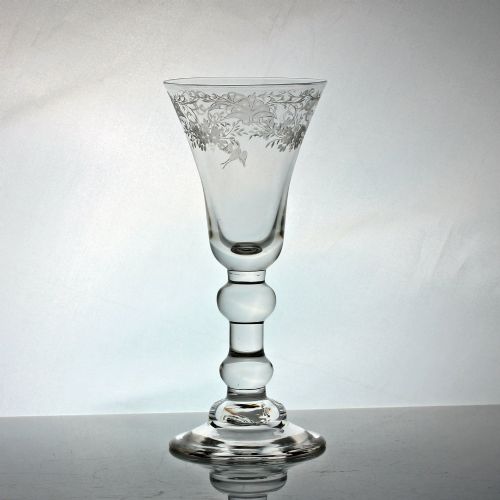
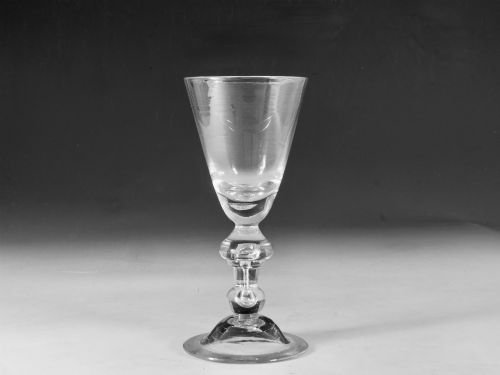
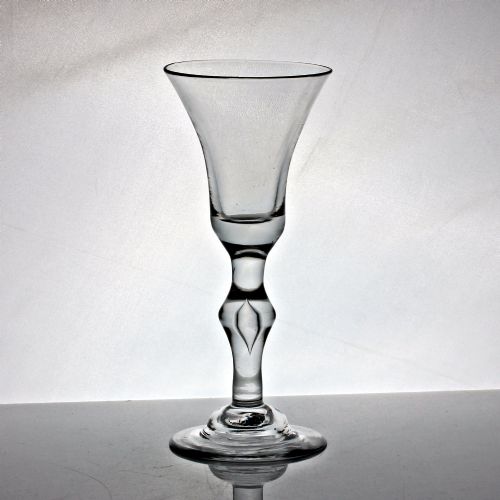
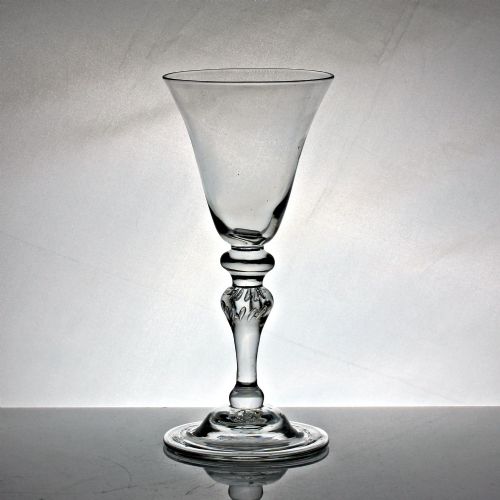
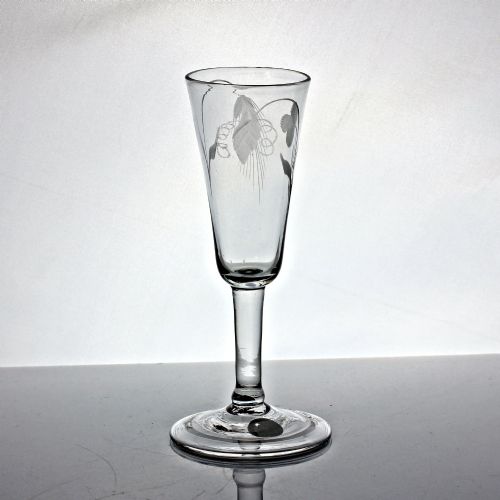
Vessels range from slender balustroid wine glasses to heavy baluster dram glasses with deceptive bowls and domed feet. Engraved decoration appears on select pieces, including hop and barley motifs or marriage and friendship commemorations.
Materials and manufacture
These pieces are fashioned from lead glass, clear glass, lead crystal, and flint glass using hand-blown techniques. The inclusion of lead oxide produced a heavy, brilliant metal capable of deep light refraction.
Stems were formed with knops, tears, and baluster profiles, often incorporating air bubbles known as air tears within the metal. Feet were frequently folded or domed to provide stability to the heavy vessels.
Lead Glass Baluster Retail Price Guide 2026
Typical asking prices for lead glass baluster among the pieces listed under this phrase on Sellingantiques today, from the lower quarter to the upper quarter. They describe what is for sale here now, not the wider market.
Listings span the eighteenth century and feature lead glass, clear glass, and flint glass across forms like wine glasses, tazzas, and patch stands.
Qualities of distinction
Quality in these objects rests upon the heft of the metal and the balance of the stem form. Heavy lead crystal with deep clarity distinguishes finer examples from simpler work.
The Lead Glass Baluster Glossary
- Baluster
- A heavy, swelling stem form derived from architectural pillars, featuring prominent knops.
- Balustroid
- A lighter, more slender variation of the baluster stem, common in mid-eighteenth-century wine glasses.
- Folded foot
- A base edge turned under during manufacture to create a thicker, stronger rim.
- Domed foot
- A base rising centrally into a rounded mound rather than resting flat on the surface.
- Tazza
- A small pedestal plate or shallow bowl used for serving sweetmeats or small items.
- Air tear
- An intentional elongated air bubble trapped within the stem knop of lead glass.
Lead Glass Baluster: Frequently Asked Questions
What is a lead glass baluster?
A lead glass baluster is an eighteenth-century English drinking vessel defined by its heavy lead composition and distinctive architectural stem form. These pieces were produced during the Georgian period for consuming wine, ale, and spirits.
The term refers specifically to the swelling, knopped stem that mimics a traditional baluster pillar. Collectors value them for their substantial weight, brilliant clarity, and historical significance.
How do I identify a balustroid stem?
A balustroid stem is a lighter, more slender relative of the heavy baluster form, typically appearing on mid-eighteenth-century wine glasses. It retains the architectural silhouette but uses less glass in the stem.
These stems often feature simplified knops and a more delicate taper between the bowl and the foot. They represent a transition toward lighter glass designs as the century progressed.
How should I display these glasses?
Display these eighteenth-century vessels in a secure cabinet with adequate lighting to highlight the lead crystal and clear glass. Strong interior light reveals the internal air tears and optical qualities of the metal.
Keep them away from direct edges and vibrations due to their age and historical value. Their sturdy weight makes them stable when placed properly on flat surfaces.