
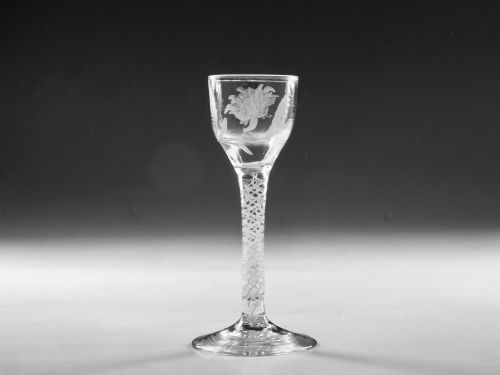
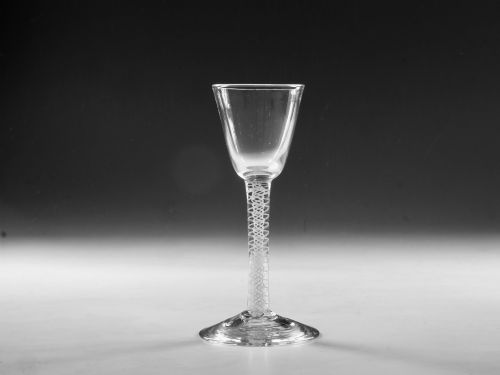
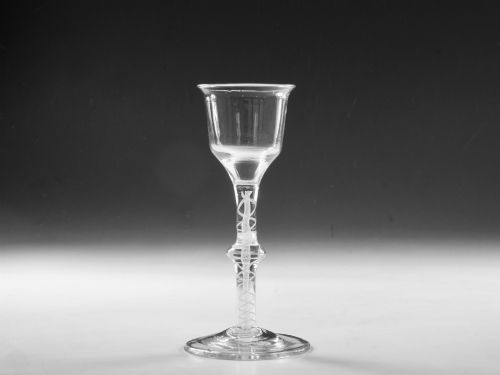
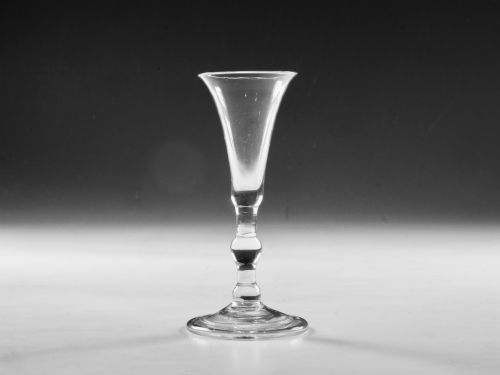
Lead Crystal Wine Glasses
Lead crystal wine glasses span centuries of refined English glassmaking, offering collectors tactile pieces of drinking history.
Lead Crystal Wine Glasses
When you search for lead crystal wine glasses, you encounter a fascinating spectrum spanning the eighteenth century through to the Edwardian era and beyond. The selection on this page ranges from early Georgian air twists to heavy Victorian cut glass rummers.
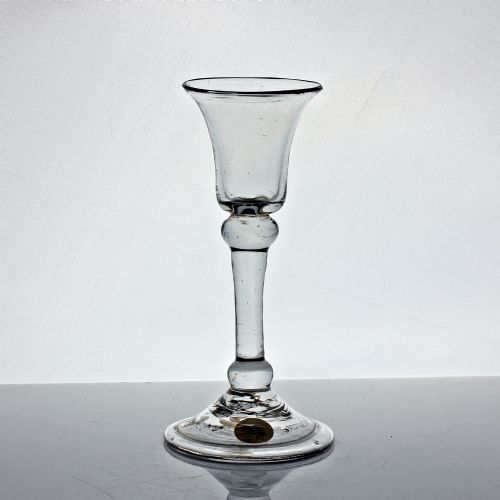
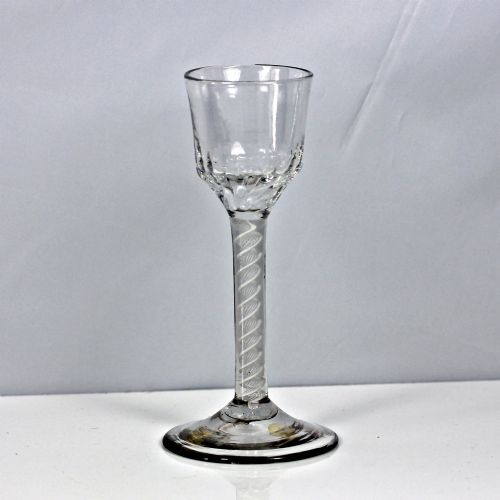
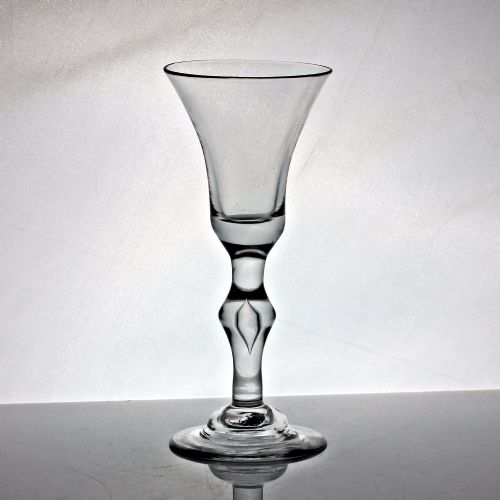
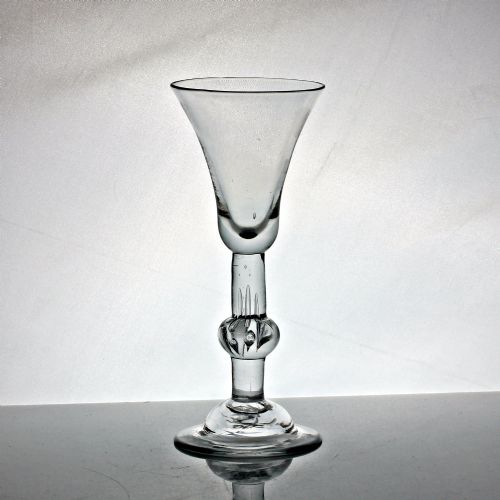
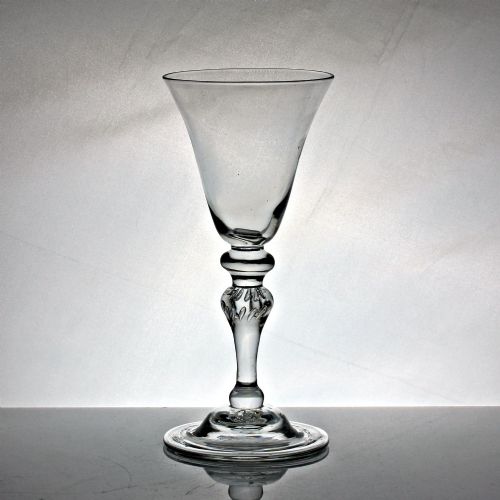
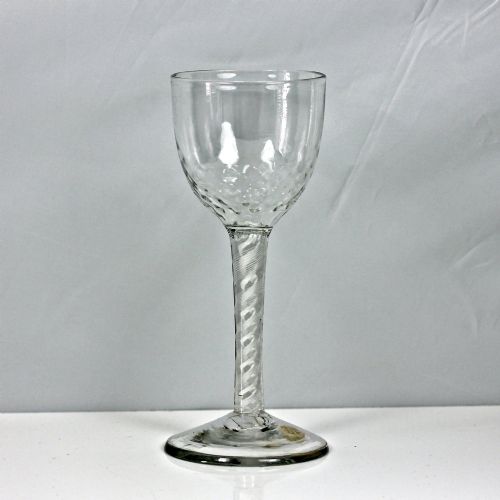
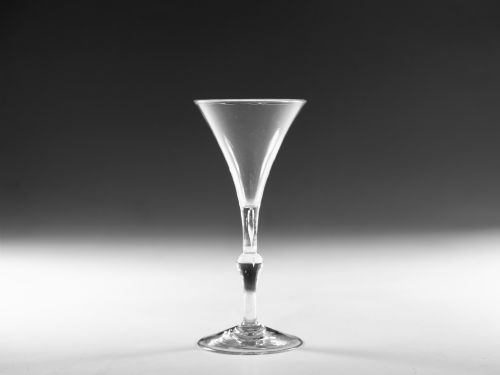
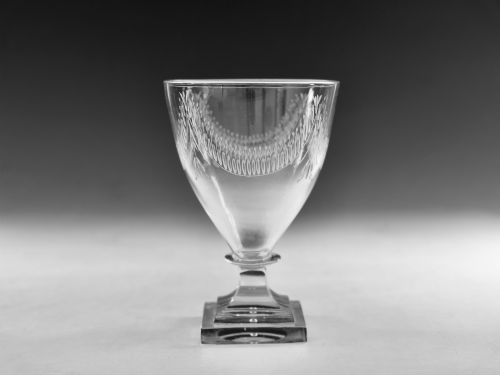
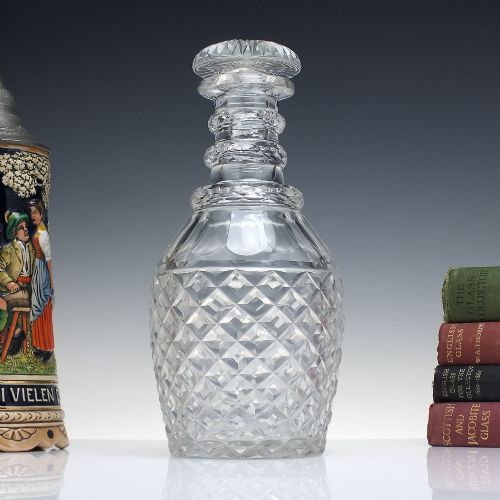
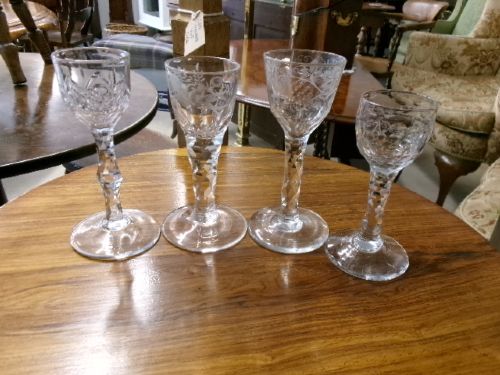
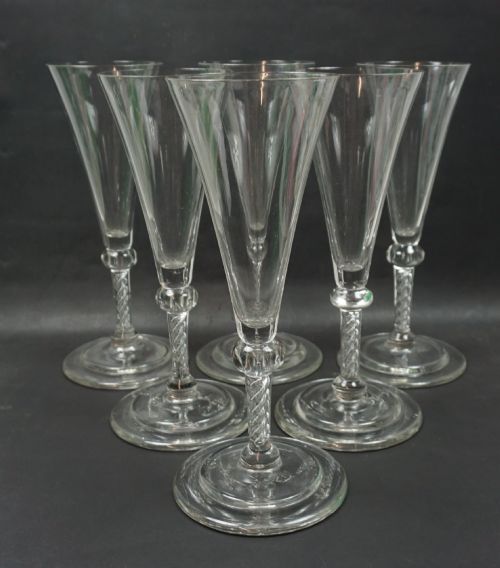
You are most likely to meet Georgian wine glasses featuring intricate opaque twists and air twists, alongside nineteenth-century decanters and larger rummers. These pieces appear in forms such as bell bowls, ogee bowls, and plain stems, reflecting distinct periods of design.
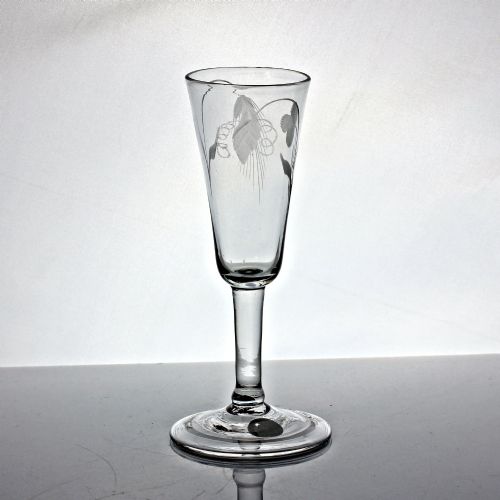
The objects listed extend beyond standard drinking vessels to include port glasses, champagne glasses, and water jugs. Each item carries the specific weight and optical clarity characteristic of lead glass and flint glass production from its respective decade.
Assessing Quality and Execution
Quality in these drinking vessels rests upon the optical purity of the lead crystal and the crispness of the wheel-cut facets. Superior examples display exceptional weight, precise stem configurations like double series opaque twists, and minimal surface distortion in the bowl.
The finesse of the engraving and the balance of the piece, from folded feet to complex knops, separate standard utility ware from exhibition-grade or commemorative items. Proportion and symmetry in early stems dictate the standing of a piece within historical glass collecting.
The Lead Crystal Wine Glasses Glossary
- Air twist
- A stem formation containing elongated internal air bubbles drawn into spiral threads. This technique was widely utilised by eighteenth-century English glassmakers.
- Opaque twist
- A stem containing fine threads of white enamel glass twisted into linear or multiple spiral patterns. It represents a defining characteristic of mid-eighteenth-century English drinking vessels.
- Rummer
- A large, sturdy drinking glass popular in the Georgian and Victorian periods. These vessels were typically used for ale, wine, or punch.
- Ogee
- An S-shaped curved profile forming the bowl of a glass. This contour was favoured for its aesthetic elegance and ability to concentrate aromas.
- Flint glass
- An early British term for heavy, high-clarity lead glass developed in the seventeenth century. It forms the basis of many pieces produced across the Georgian era.
Lead Crystal Wine Glasses: Frequently Asked Questions
How do I date an old wine glass?
Dating relies on observing manufacturing traits such as pontil marks, stem construction, and bowl shape. Eighteenth-century pieces often feature air or opaque twists, whereas nineteenth-century items lean toward heavy cut glass.
Changes in glass chemistry, weight, and decorative motifs also help narrow down the period. Comparing known examples from the Georgian and Victorian eras provides reliable benchmarks for age.
Can I use antique lead crystal glasses?
Many collectors prefer to use their antique glassware for special occasions, appreciating the tactile connection to history. Hand washing in warm, soapy water is essential to protect the fragile lead crystal.
Sudden temperature changes should be avoided to prevent thermal shock to the old material. Storing them securely away from edge vibrations keeps the delicate stems intact.
What is the difference between flint glass and lead crystal?
Historically, flint glass referred to the heavy, clear glass pioneered in England using calcined flint and lead oxide. Over time, the terminology shifted toward lead crystal to describe glass with a high lead content.
Both terms denote a material with enhanced weight, brilliance, and resonance compared to standard soda-lime glass. This composition allowed artisans to execute deep cutting and fine engraving.
Why do some glasses have folded feet?
A folded foot involves turning the rim of the base underneath during the blowing process to create a stronger edge. This technique is frequently seen on eighteenth-century Georgian wine glasses and ale glasses.
It adds physical stability to the base while visually anchoring the delicate stem above. Finding a folded foot often points toward an earlier production date.