
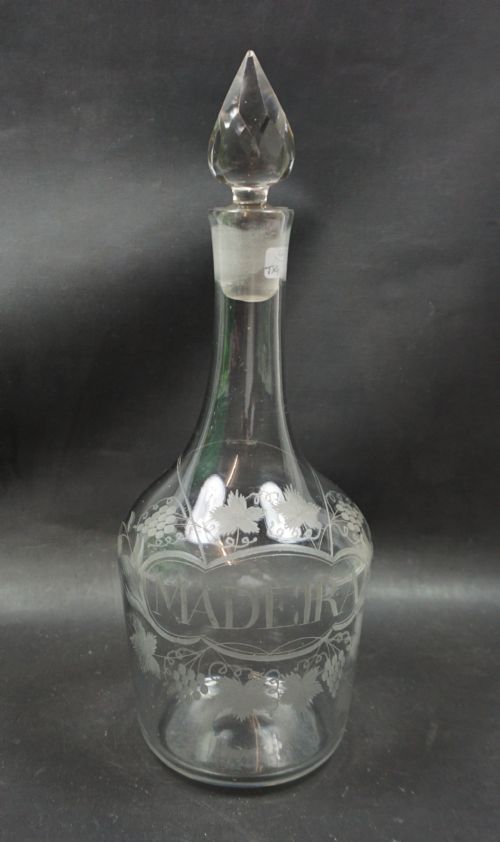


Lead Crystal Spirit Bottle
A lead crystal spirit bottle brings heavy refraction and period weight to the sideboard, offering a tangible link to Victorian and Georgian hospitality.
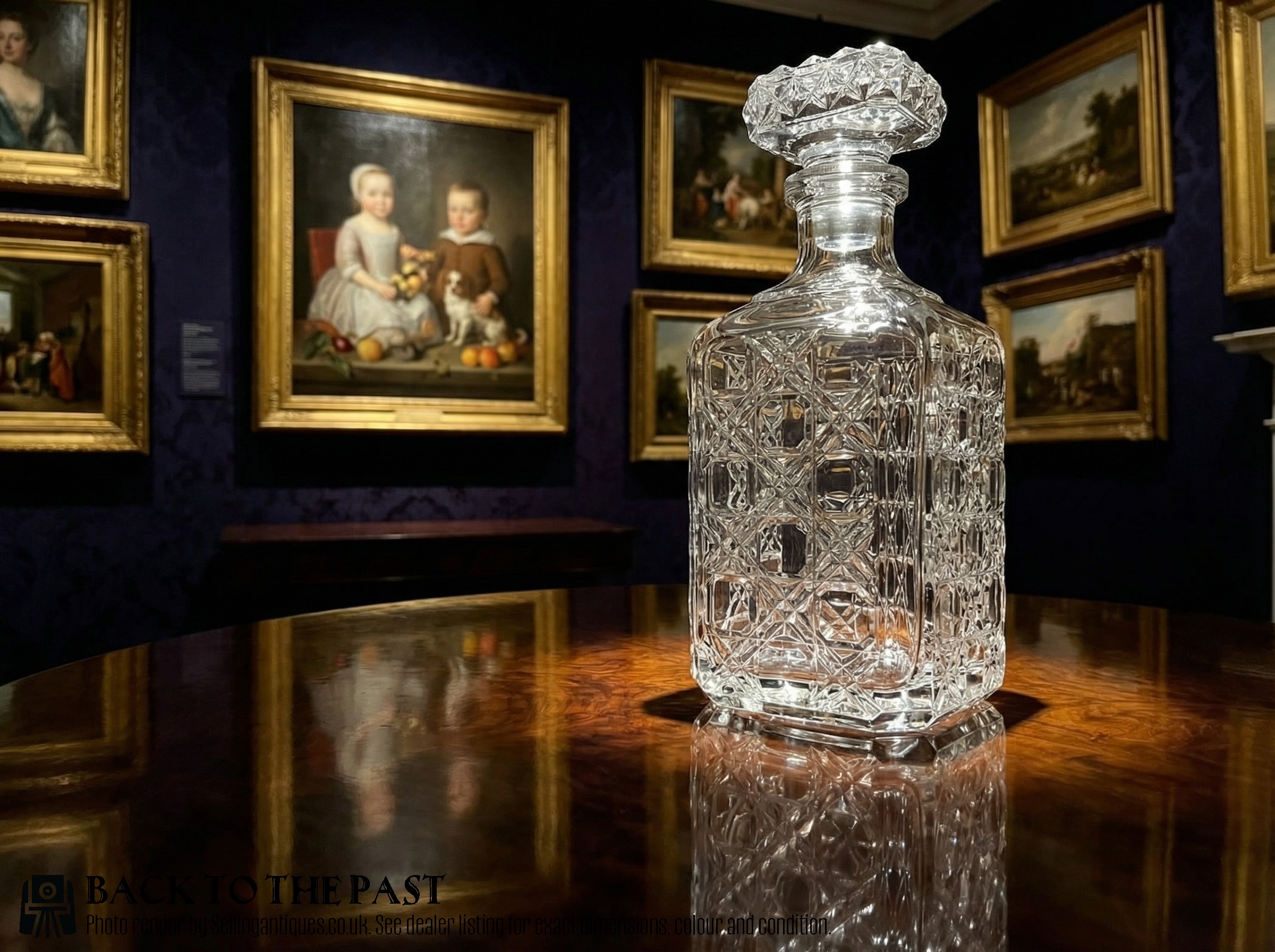
Lead Crystal Spirit Bottle
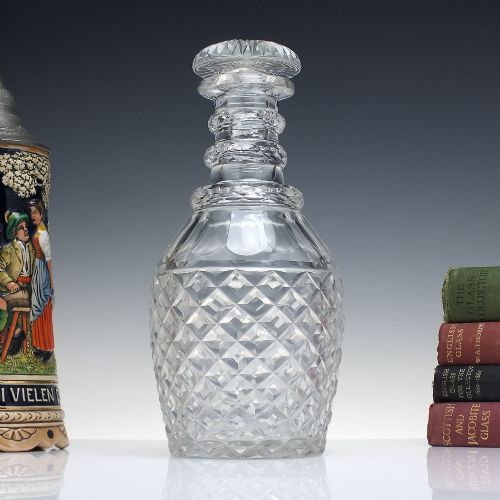
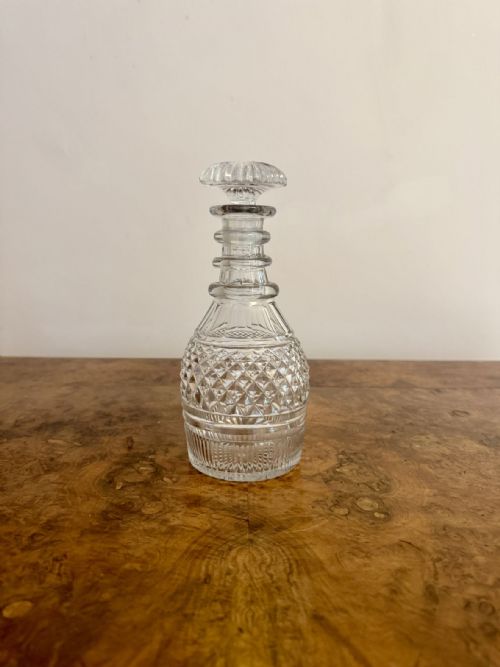
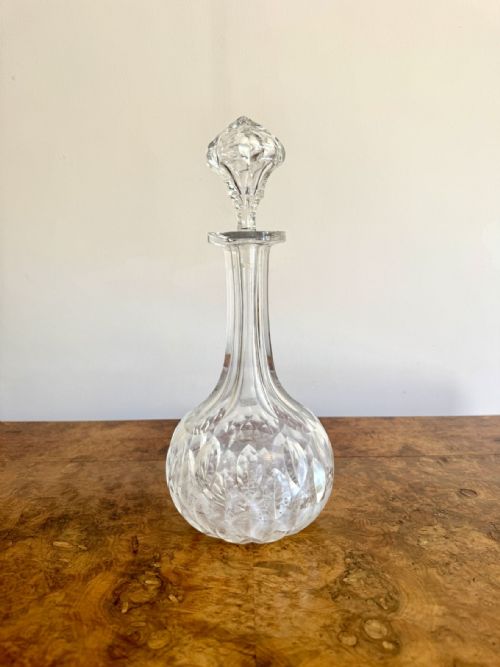
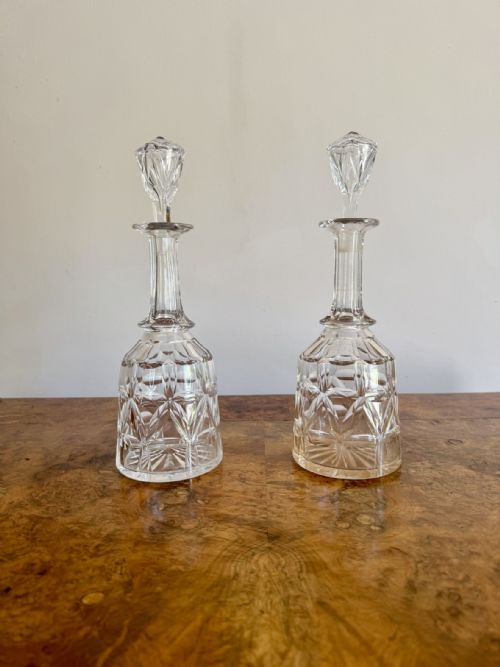
When you search for a lead crystal spirit bottle, you encounter heavy glassware designed to hold and pour liquor, spanning periods from the eighteenth century through the Edwardian era. The pieces appearing here comprise decanters and barware formed in clear cut glass, crystal, and lead glass.
The version you are most likely to meet on this page is the Edwardian or Victorian cut glass decanter, often found individually or as a matched pair. These vessels frequently feature traditional neck rings and deep geometric cutting that catches the light from every angle.
Earlier examples extend back to the Georgian and Regency periods, occasionally bearing engraved labels such as Madeira, brandy, or whisky. These older items demonstrate the heavier metal content and distinctive hand-blown character typical of eighteenth and nineteenth century glasshouses.
Materials and methods of manufacture
Makers utilised lead crystal, lead glass, and clear cut glass to achieve both clarity and substantial physical weight. The addition of lead oxide to the molten batch increased the refractive index, causing the glass to sparkle intensely when polished.
Craftsmen shaped these vessels using traditional blowing techniques, sometimes employing optical moulds to create subtle internal ribs or patterns within the walls. Artisans then applied wheel-cutting to the cooled surface, incising geometric flutes, diamonds, and neck rings by hand.
Details such as engraved spirit labels were added using abrasive wheels or diamond points to etch inscriptions directly into the body. Stoppers were individually ground to fit each specific neck, ensuring a tight seal for the contents.
The listings span multiple eras, encompassing Georgian, Regency, Victorian, and Edwardian periods alongside eighteenth-century examples in clear cut glass, crystal, and lead glass.
Distinctions in execution and material
The quality of a lead crystal spirit bottle depends heavily on the crispness of the wheel-cutting and the clarity of the metal itself. Superior examples display sharp, clean facets without blurring or softness in the geometric patterns.
Weight and balance serve as primary indicators of standard, with better vessels possessing a dense, substantial feel derived from a higher lead content. The presence of hand-polished facets rather than unpolished moulded impressions distinguishes finer workshop production.
Matching stoppers and uniform glass colour throughout the body and neck further separate high-tier items from standard utility pieces. Even minor variations in the hand-blown walls reveal the individual attention given by the glassblower.
James Powell
The Lead Crystal Spirit Bottle Glossary
- Lead crystal
- Glass containing a significant proportion of lead oxide, which increases brilliance, weight, and ease of cutting. This material is standard for high-end antique decanters.
- Neck ring
- Raised horizontal band encircling the neck of a decanter, originally designed to provide a secure grip for wet hands. They appear frequently on Regency and Victorian examples.
- Optically blown
- A technique where glass is inflated in a ribbed mould before being expanded further, creating faint internal patterns in the vessel wall. This method produces subtle texture without heavy exterior cutting.
- Cut glass
- Glassware decorated by holding the surface against a rotating abrasive wheel to carve decorative patterns. It defines the appearance of most nineteenth-century spirit bottles.
- Decanter
- A stoppered glass vessel used for holding and serving alcoholic beverages. They represent the primary object type found within this category.
Lead Crystal Spirit Bottle: Frequently Asked Questions
How do I date an old decanter?
Dating relies upon examining the shape of the body, the style of the cutting, and the formation of the neck rings. Georgian and Regency pieces often show pontil marks on the base and simpler, heavier proportions.
Later Victorian and Edwardian examples tend to feature more elaborate brilliant-cut patterns and machine-smoothed bases. Comparing the specific ring count and stopper design against known period styles helps narrow the decade of production.
Can I still use these for serving spirits?
These vessels were originally manufactured to hold and pour liquor, and they remain entirely functional for modern use. The lead crystal safely houses spirits for entertaining or daily display.
Care should be taken to wash them by hand rather than using a dishwasher, as thermal shock and harsh detergents can damage the aged surface. Ensuring the stopper is handled separately prevents accidental chips on the rim.
What does optical blowing mean?
Optical blowing is a glassmaking technique where the molten gather is inflated inside a patterned mould to impress ribs or flutes into the glass. The blower then removes the piece and continues expanding it to the final desired size.
This process creates gentle, distorted patterns within the clear metal rather than deep cuts on the exterior surface. It results in a lighter vessel with a distinctive tactile quality.
Why do some bottles have engraved labels?
Engraved labels were wheel-cut directly into the glass surface to identify the intended contents of the bottle, such as brandy, whisky, or Madeira. This practice helped homeowners and servants keep track of different spirits before paper labels became common.
The inscriptions are executed with precision, matching the decorative facets elsewhere on the body. Finding a named spirit bottle adds a layer of historical context to the piece.