


Lattice Porcelain Bowl
These lattice porcelain bowl pieces combine pierced ceramic work with traditional forms, offering decorative appeal for your home.
Lattice Porcelain Bowl
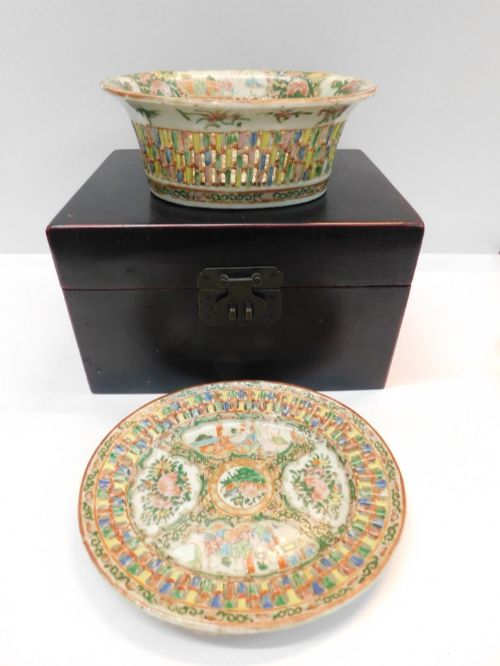
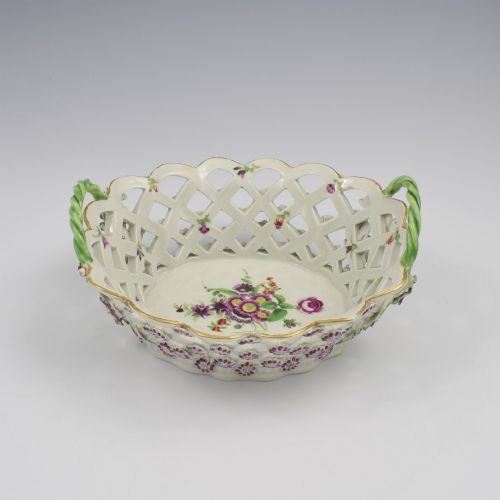
A lattice porcelain bowl search brings up pierced ceramic forms such as chestnut baskets, centrepieces, sweetmeat dishes, and decorative baskets. These pieces originate from various historical periods, including the eighteenth century and the nineteenth century, encompassing Georgian and Victorian eras.
You will encounter items styled in the rococo manner, rococo revival, and the Qing dynasty. These objects serve primarily as decorative vessels and centrepieces for display.
How they were made
Maker utilise hard-paste porcelain and soft-paste porcelain as the primary ceramic bodies for these pieces. Artisans shape the clay into intricate pierced networks, forming the characteristic lattice walls seen in baskets and bowls.
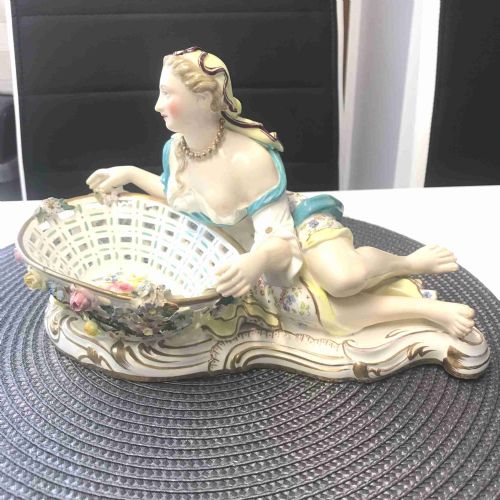
Decoration involves hand-applied enamel colours and polychrome painting, often complemented by gold leaf and gilding highlights. Some examples incorporate applied figural elements, such as putti or maidens, modelled separately and attached before firing.
Musical putti occasionally make an appearance, frozen mid-performance on porcelain centrepieces to serenade your dining table.
What varies in quality
The refinement of the pierced lattice work distinguishes different examples, with sharper, cleaner cutouts indicating greater skill in the wet or leather-hard clay stage. Hand-painted enamel detail and the precision of polychrome application also mark the distinction between standard production and finer factory output.
The presence of supplementary modelling, such as applied floral motifs or figurative putti, introduces another tier of craftsmanship. Pieces retaining original matching stands or covers demonstrate a higher degree of completeness.
The Lattice Porcelain Bowl Glossary
- Lattice porcelain bowl
- A ceramic vessel featuring openwork or pierced geometric patterns resembling a grid or trellis. This term unites items designed for serving or display.
- Hard-paste porcelain
- A true porcelain composed of kaolin and petuntse, fired at very high temperatures. It yields a durable, vitrified body that resists scratching.
- Soft-paste porcelain
- An artificial porcelain compound containing glass frit and white clay, fired at lower temperatures than hard-paste. It possesses a softer glaze appearance and warmer hue.
- Chestnut basket
- A specialised covered serving vessel designed for holding roasted chestnuts at table. These often include an associated matching under-stand.
- Polychrome
- Decoration employing multiple distinct enamel colours painted onto the ceramic surface. This technique allows for detailed pictorial and floral designs.
Lattice Porcelain Bowl: Frequently Asked Questions
What were lattice bowls used for originally?
These pierced vessels served primarily as presentation pieces on formal dining tables during the eighteenth and nineteenth centuries. They held dry foodstuffs, sweetmeats, or roasted chestnuts for guests.
Over time, their decorative function surpassed their utility at table. Wealthy households displayed them on sideboards or as centrepieces during formal meals.
How do I distinguish eighteenth century pieces?
Examine the base and body under good light to assess the characteristics of the paste and glaze. Eighteenth-century pieces often display the distinct translucent qualities and potting traits of early European or Chinese factories.
Stylistic cues such as rococo moulding, hand-painted polychrome palettes, and specific factory forms also help determine the period of origin.
What is the difference between Chinese export and European pieces?
Chinese export items, often dating to the Qing dynasty, typically feature specific famille rose palettes and distinct paste characteristics. They were produced in kilns in China specifically for the Western market.
European counterparts originate from factories like Worcester, Meissen, or Derby. These adopt local aesthetic trends such as rococo revival while utilising regional porcelain recipes.