


Pierced Porcelain Bowl
A pierced porcelain bowl is a delicate vessel featuring openwork lattice or reticulated walls, prized for its intricate craftsmanship and decorative presence on any table.
Pierced Porcelain Bowl
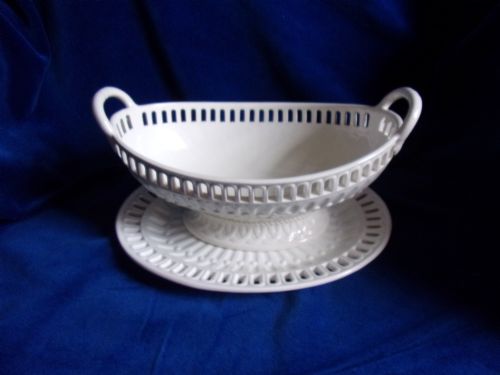
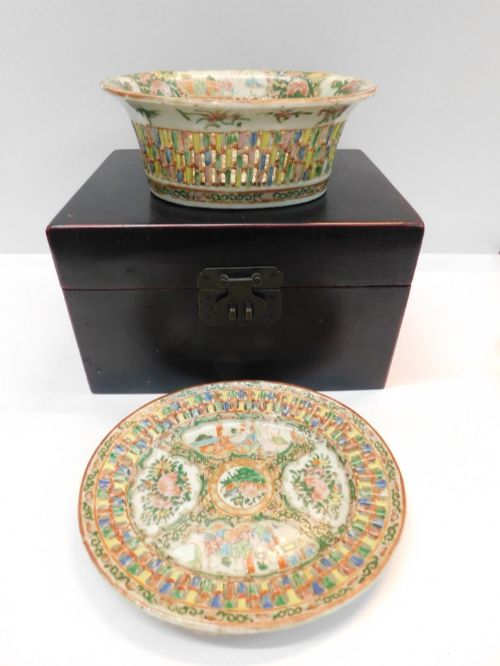
A pierced porcelain bowl or basket is an ornamental vessel designed for display, often taking the form of a chestnut basket, centrepiece, or footed bowl. When searching for a pierced porcelain bowl, buyers encounter various historical interpretations ranging from Georgian English porcelain to 19th-century Continental and Chinese export wares.
The objects span periods from the 18th century through the Edwardian era, encompassing traditional Chinese forms as well as European revival styles. These vessels frequently appear alongside matching stands or covers, forming substantial table centrepieces and decorative service pieces.
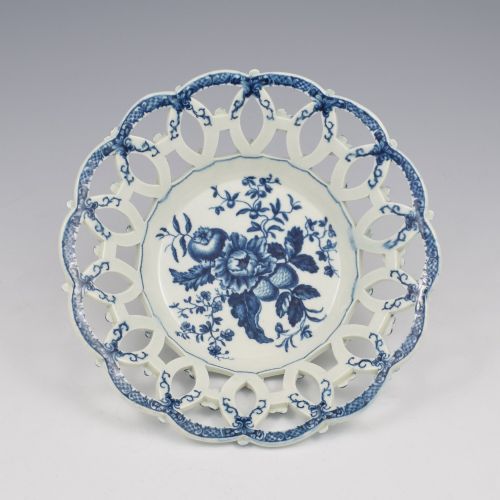
The pierced element defines the group, executed either as an open lattice pattern, a half-pierced gallery, or intricate reticulated walls. Makers across different regions utilised these openwork techniques to lighten heavy ceramic bodies and demonstrate technical skill.
How they were made
Potters constructed these vessels using porcelain, soft-paste porcelain, and pearlware, often shaping them over moulds or throwing them on the wheel before applying detailed hand-modelling. Artisans pierced the wet clay walls by hand using specialised cutting tools or stamps to create geometric lattices, network patterns, and openwork galleries.
Surface decoration frequently involved cobalt blue glaze, enamel, gold leaf, and gilding, alongside transfer printing such as the willow pattern. Kiln firing fixed these pigments and glazes, while pieces from specific makers incorporated applied elements like roses and putti.
Listings feature porcelain, soft-paste porcelain, and pearlware across periods from the 18th century through the Edwardian era, incorporating styles like Rococo, Chinese Export, and French Empire.
What varies in quality
Quality in a pierced porcelain bowl rests upon the crispness of the openwork cutting and the refinement of the ceramic body. Cleanly excised lattice edges and balanced proportions distinguish finer examples from heavier, less articulate output.
The application of hand-painted enamel, cobalt blue glaze, and gilding dictates the visual depth of the piece. Superior works display careful brushwork and integration between the pierced gallery and the solid body, whereas simpler items rely on plain glazes.
Derby Porcelain·Worcester Porcelain·Chamberlain Worcester·Schierholz Plaue·Sevres
The Pierced Porcelain Bowl Glossary
- Soft-paste porcelain
- A glassy ceramic composition fired at lower temperatures than true hard-paste porcelain, yielding a warm, creamy body common in 18th-century English factories.
- Reticulated
- Decorated with an open network or net-like pattern resembling a mesh or web. This technique defines the pierced walls of many chestnut baskets and centrepieces.
- Chestnut basket
- A specialised lidded serving vessel used at elite dining tables for holding roasted chestnuts or fruit. These pieces frequently feature intricate openwork sides and matching stands.
- Pearlware
- A refined earthenware developed in Staffordshire featuring a bluish glaze that pooled in recesses, popular for blue and white transfer-printed tableware.
- Centrepiece
- A large decorative vessel or display stand placed in the middle of a dining table. They often incorporate pierced galleries, applied flowers, and figural supports.
Pierced Porcelain Bowl: Frequently Asked Questions
What were pierced porcelain bowls used for?
These vessels served primarily as decorative centrepieces, fruit dishes, or specialised chestnut baskets on formal dining tables. Their openwork design allowed for the presentation of dry foods and added an ornamental touch to interior displays.
Over time, their function shifted from active dining service to purely decorative cabinet pieces and table displays.
How do I distinguish 18th-century pieces from 19th-century ones?
Eighteenth-century examples often display the softer body characteristics of soft-paste porcelain and hand-painted cobalt or enamel schemes typical of early English and Continental factories. Nineteenth-century interpretations frequently embrace revivalist aesthetics, bolder transfer printing, and heavier gilding.
Examining the glaze pooling, paste consistency, and manufacturing marks helps clarify the period of origin.
How do I care for antique porcelain bowls?
Antique porcelain requires gentle handling and should be kept away from sudden temperature changes and abrasive cleaning agents. Dusting with a soft, dry cloth is usually sufficient for maintenance.
Display these vessels on stable, level surfaces away from heavy foot traffic to protect delicate pierced rims and applied decorations.
What is the difference between a bowl and a basket?
Baskets generally feature applied or integrated overhead loop handles and were designed to mimic woven containers used for serving food. Bowls possess open or galleried rims without arched handles, functioning as centrepieces or dishes.
Both forms frequently share similar pierced lattice walls and matching ceramic stands.